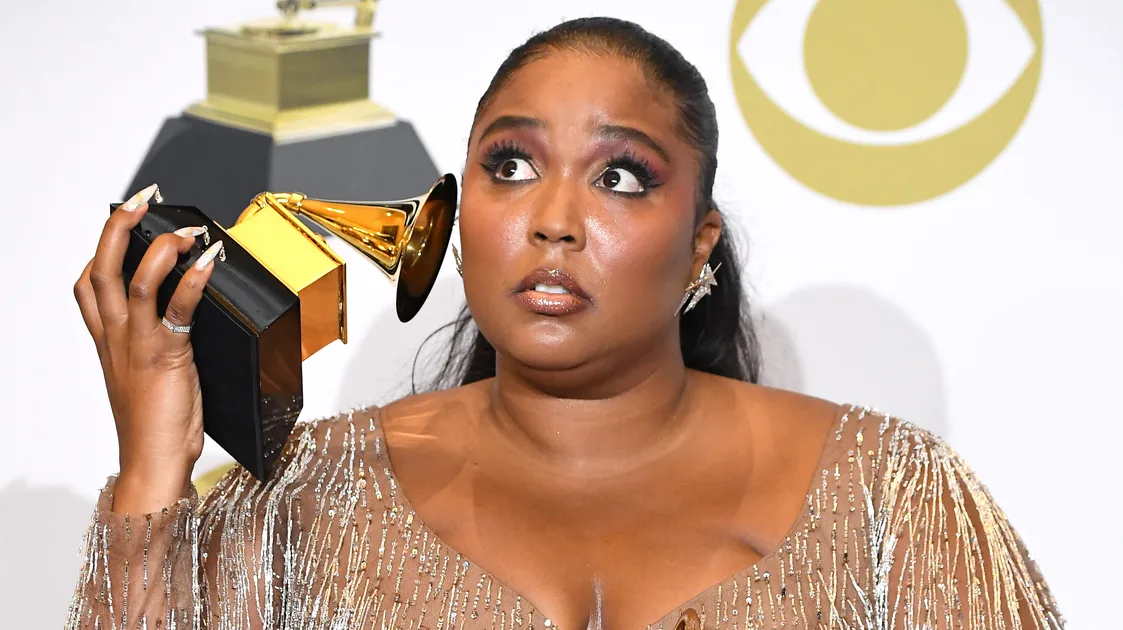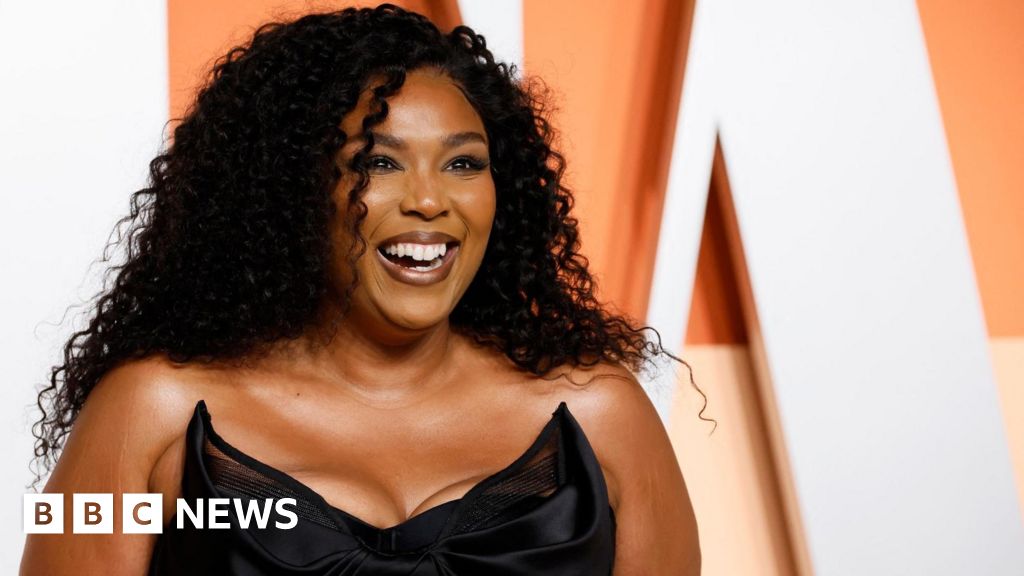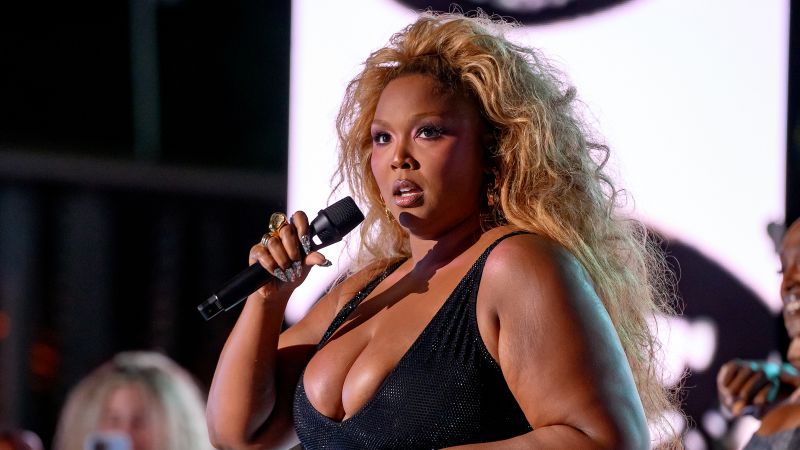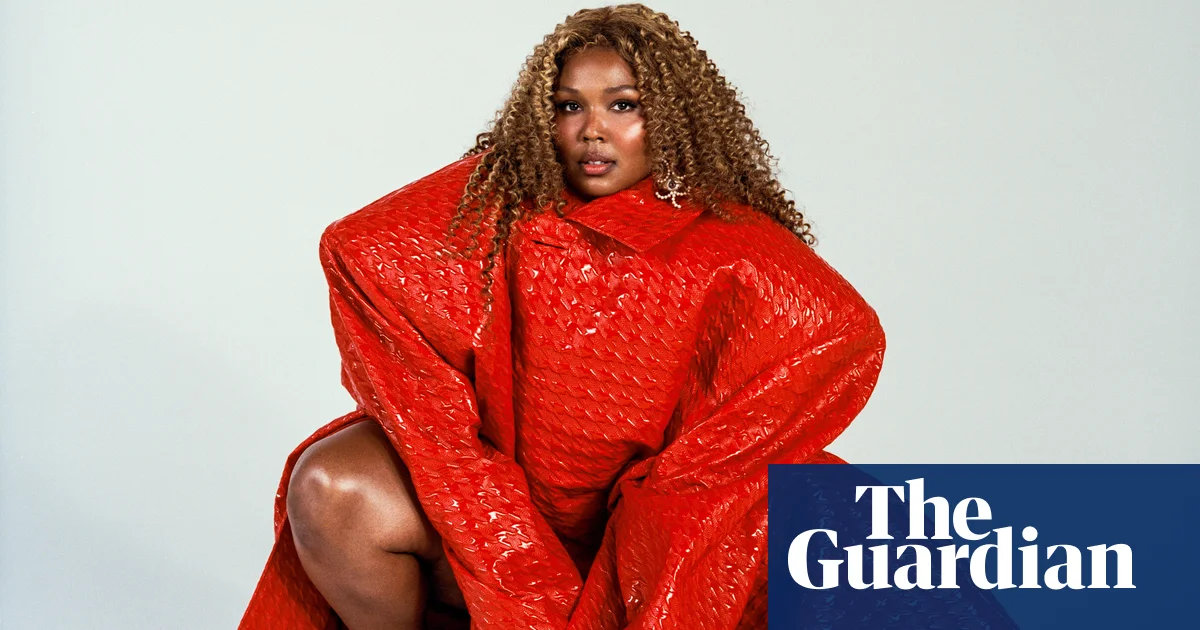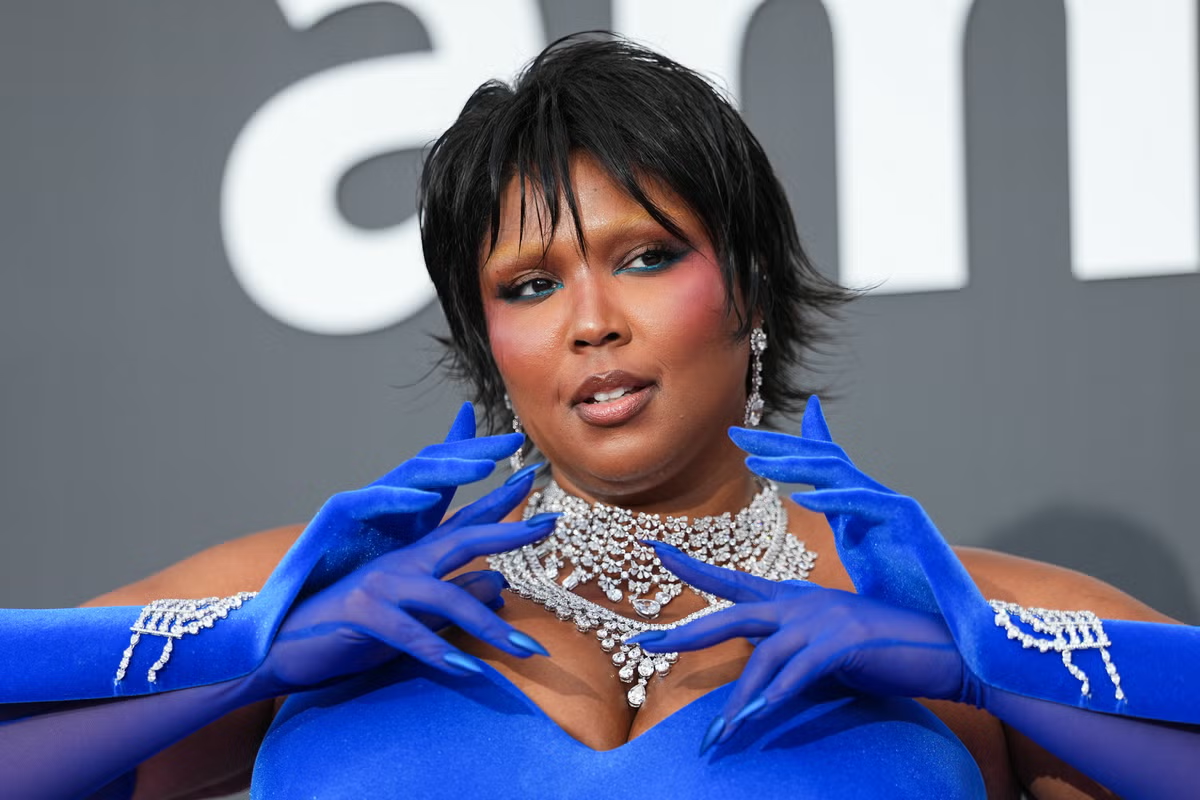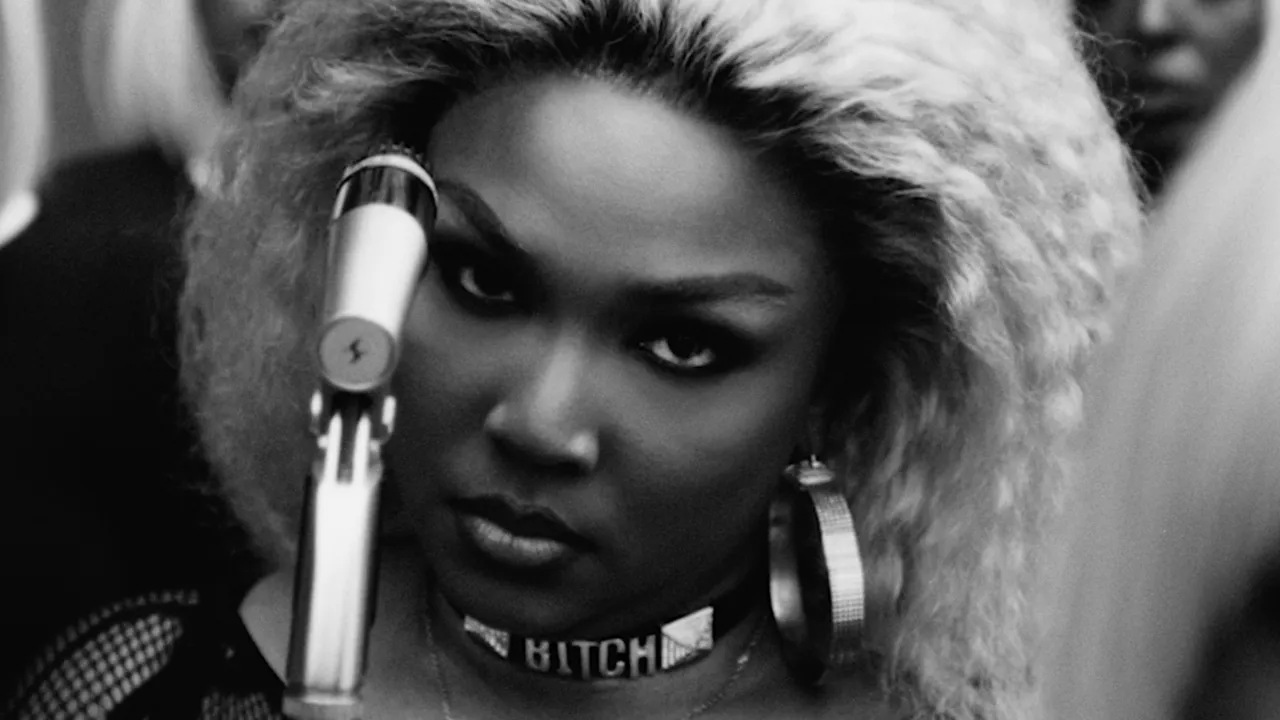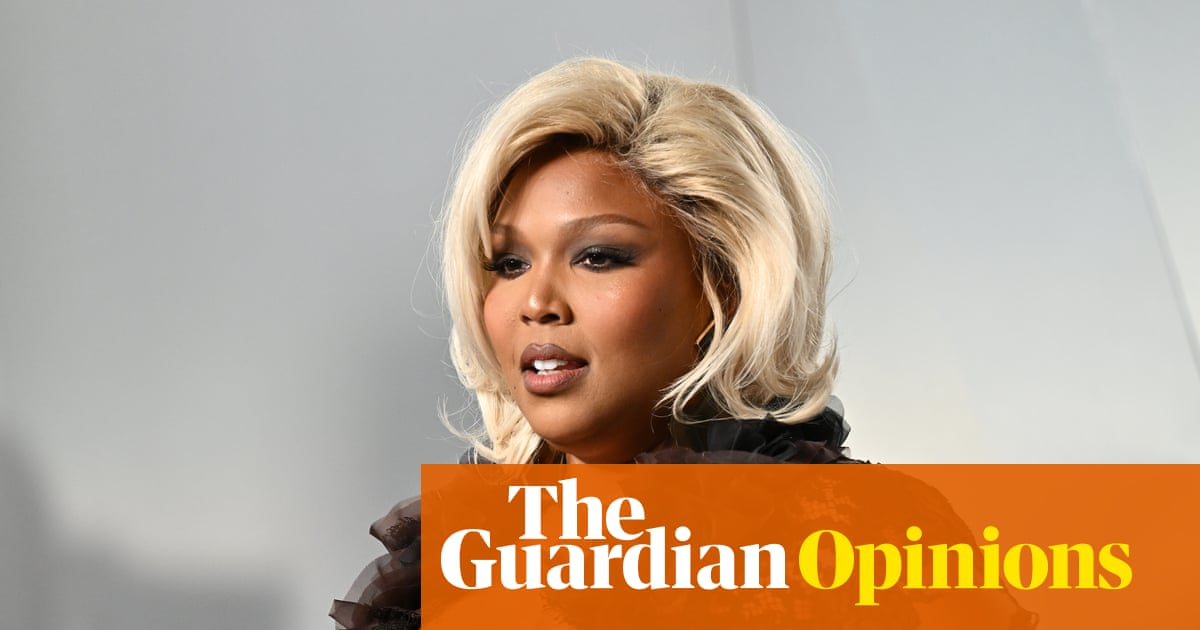
The singer’s body-positive anthems once defined her. Now lawsuits, weight loss and flop singles have shaken her image
Lizzo’s ascent to mainstream stardom was the type of fairytale that pop dreams are made of. She was a long-hustling musician, Houston-raised then Minneapolis-made. She had a co-sign from Prince two years before she was even signed to a major label; then, it took another three years after debuting on Atlantic for the world to know her name.
When they finally learned it, it became hard to escape her. In 2019, she had sleeper hit after sleeper hit rise to the top of the charts. First, 2017’s bouncy break-up kiss-off Truth Hurts stormed to number one, then 2015’s empower-pop anthem Good as Hell joined the song in the top 10. For a few years following, Lizzo was unstoppable in spite of all the odds being stacked against her: she was a brown-skinned, plus size pop star who put on athletic performances and dressed just as sexy as her skinny peers. Her image was brash, bold and radical, which made her controversial to many just for existing.
But since 2022, Lizzo’s midas touch has waned. It’s not for lack of trying: she’s released three new singles – all in the same throwback-pop vein as the hits that catapulted her to platinum status and arenas around the world – as well as a brattier, heavier rap-centric mixtape. She’s put on shows, has been promoting her fashion brand Yitty and continued sharing her life on social media.