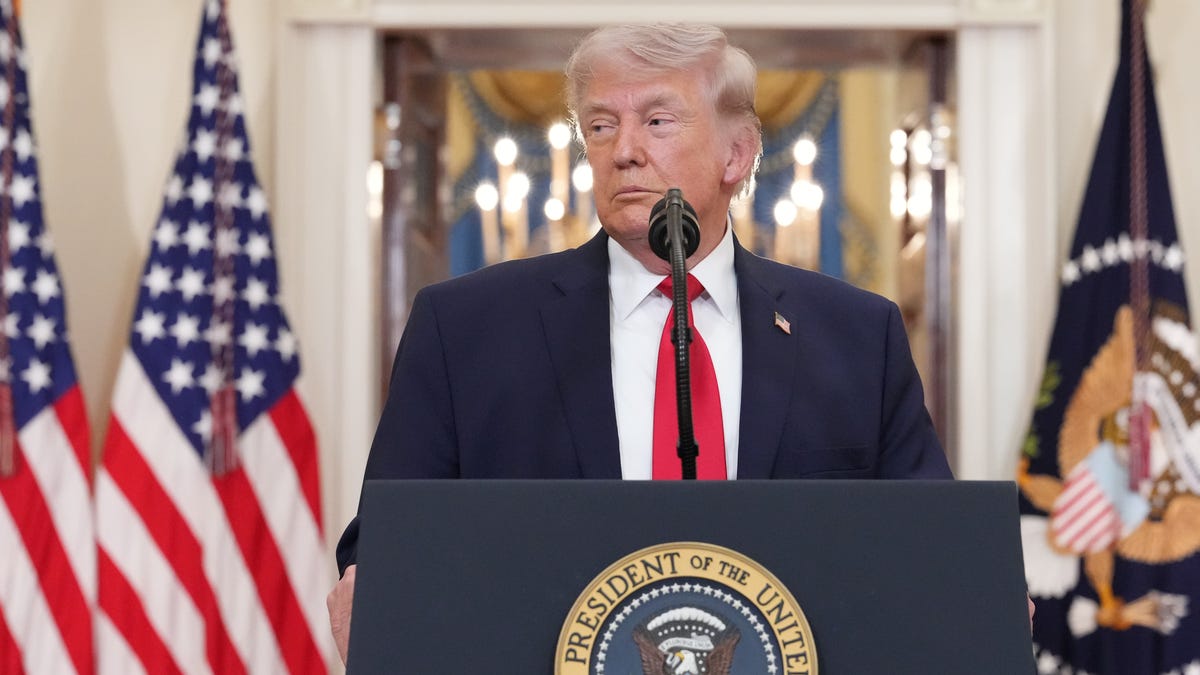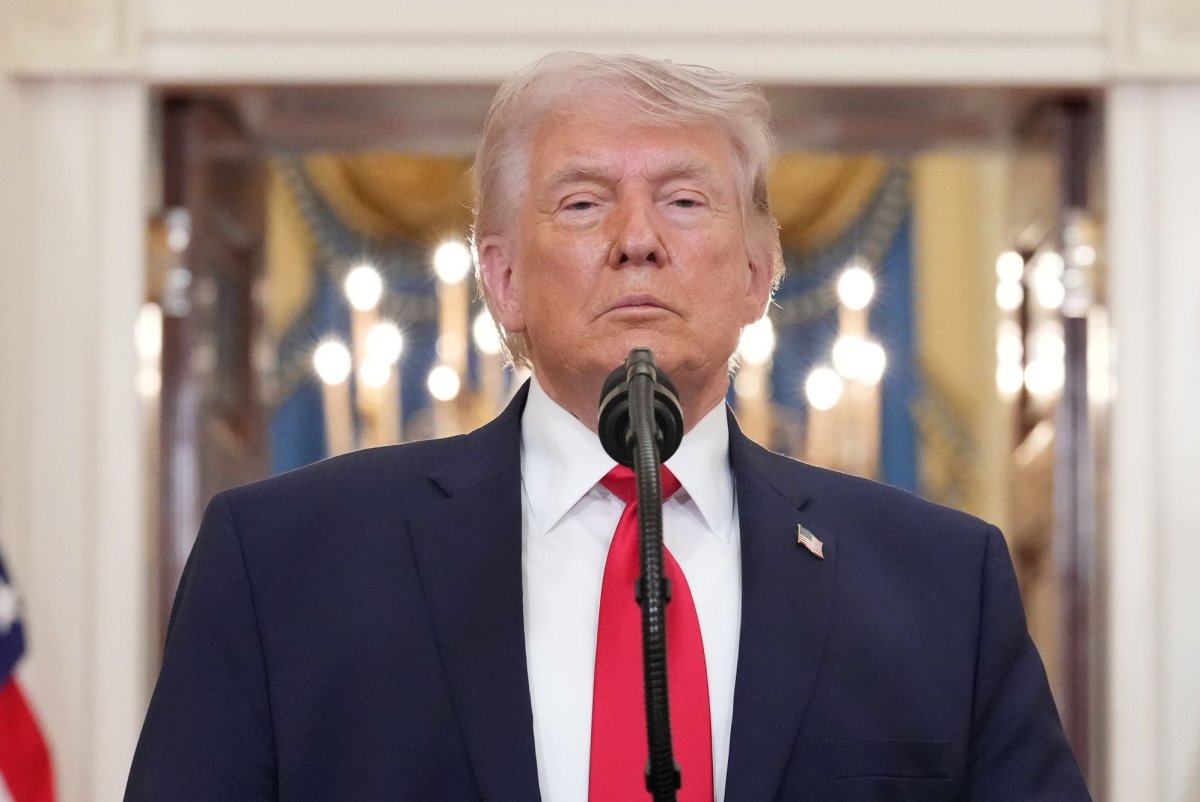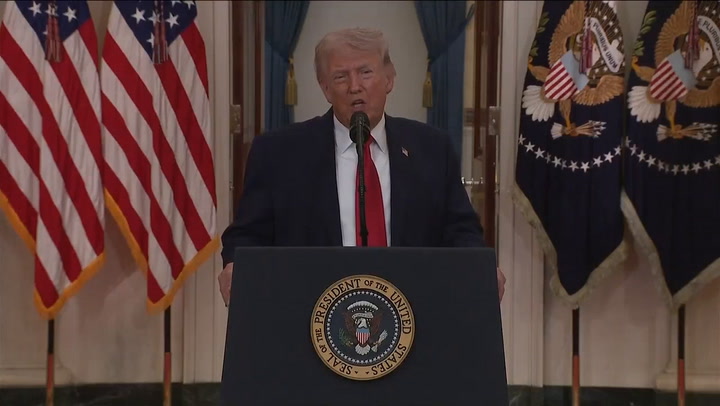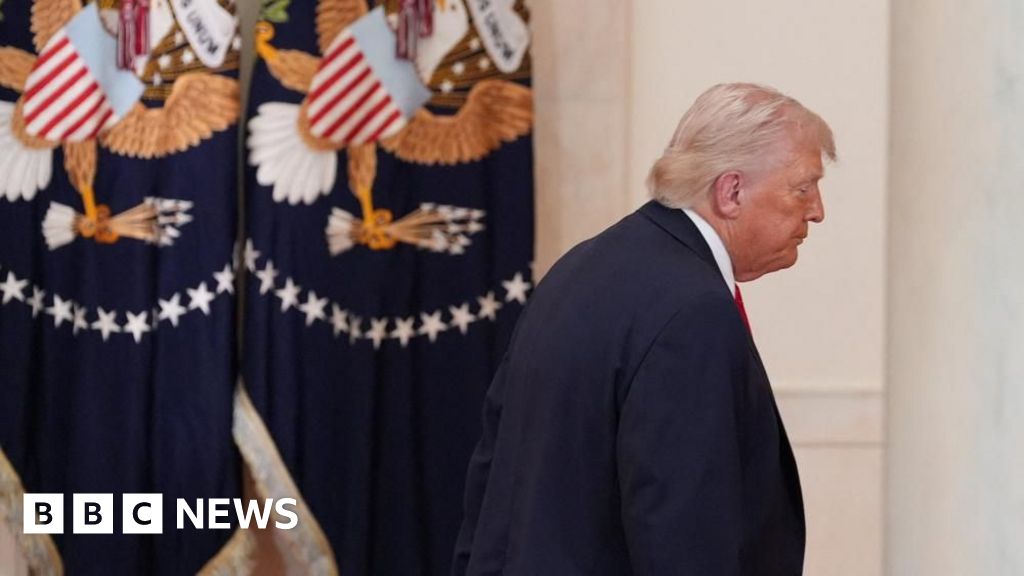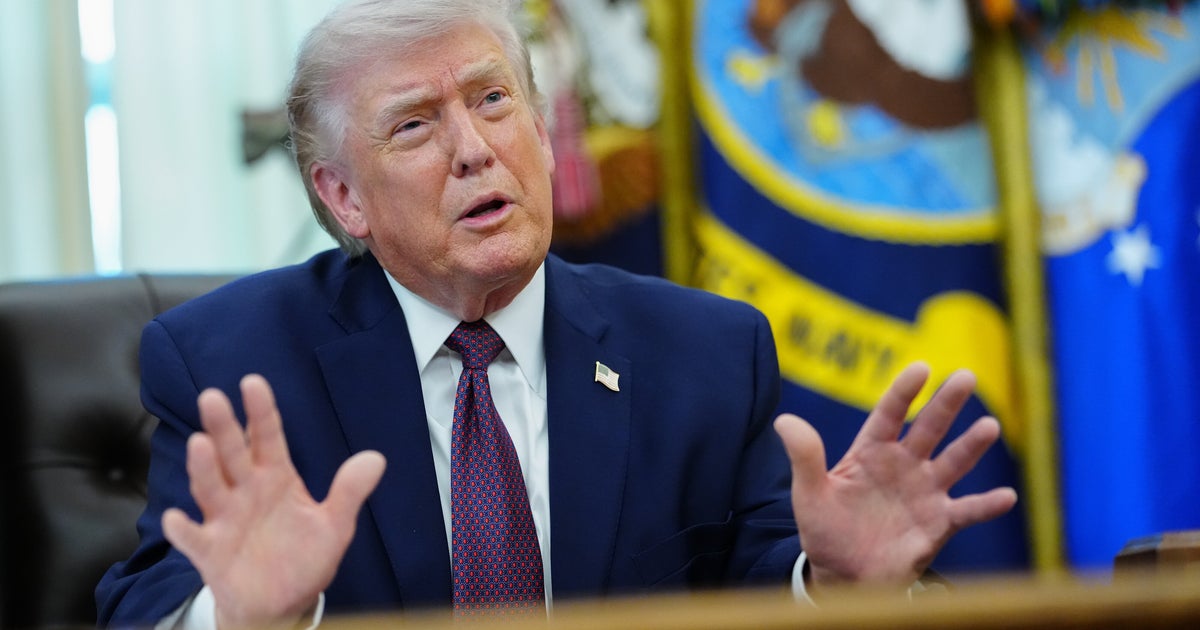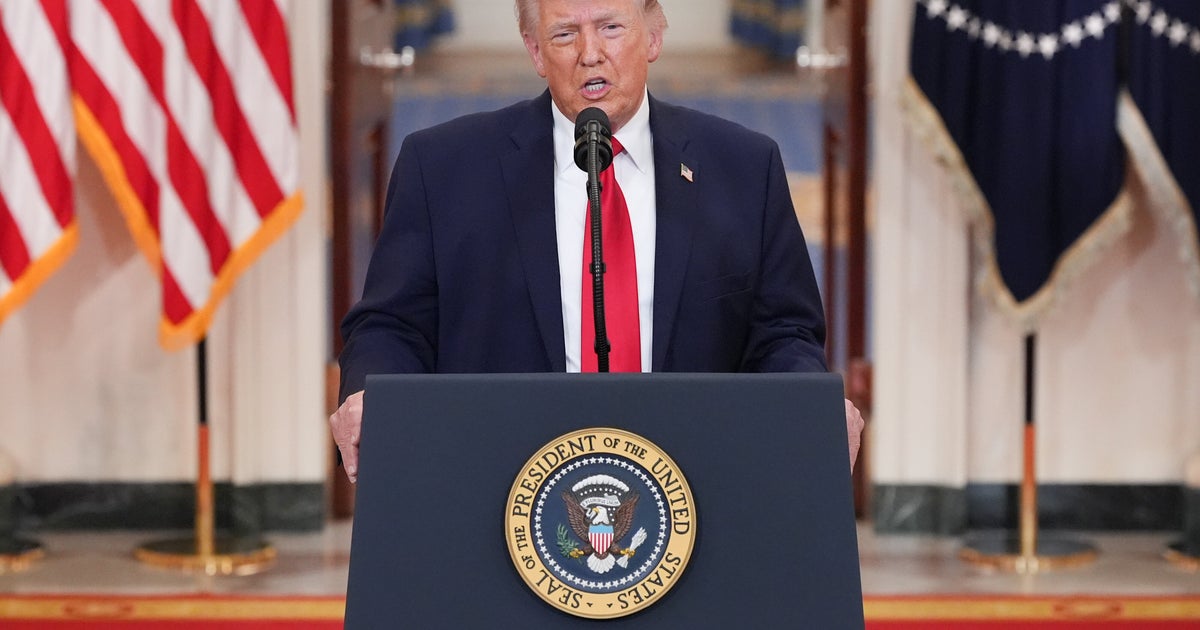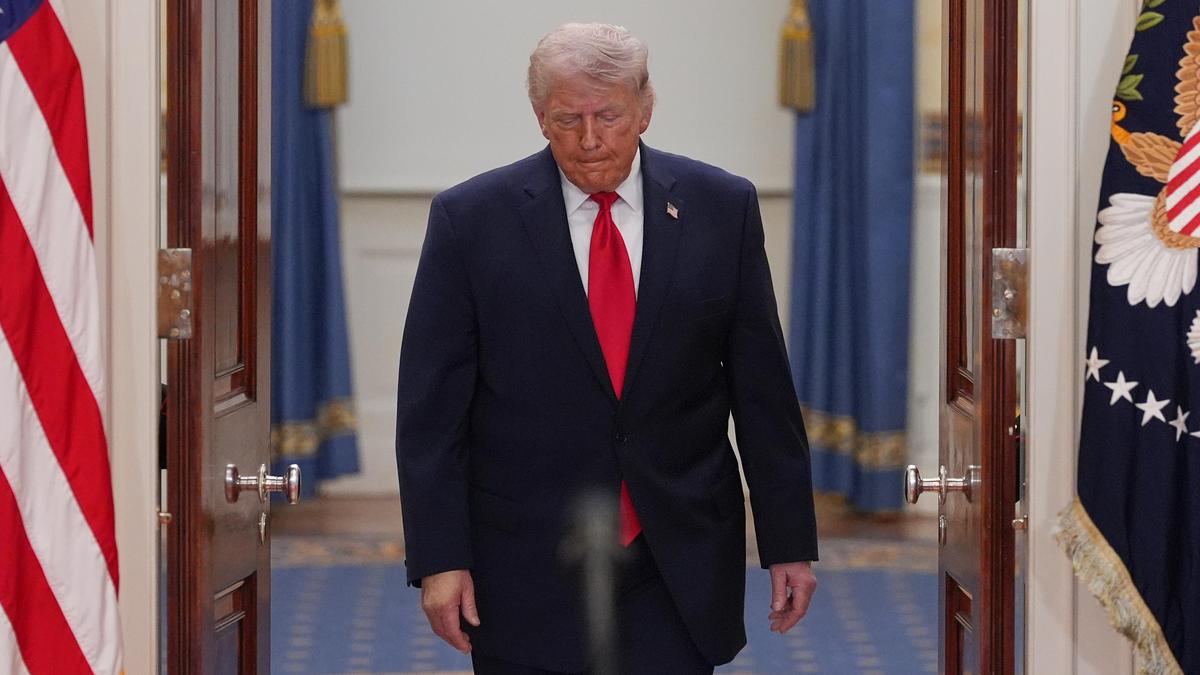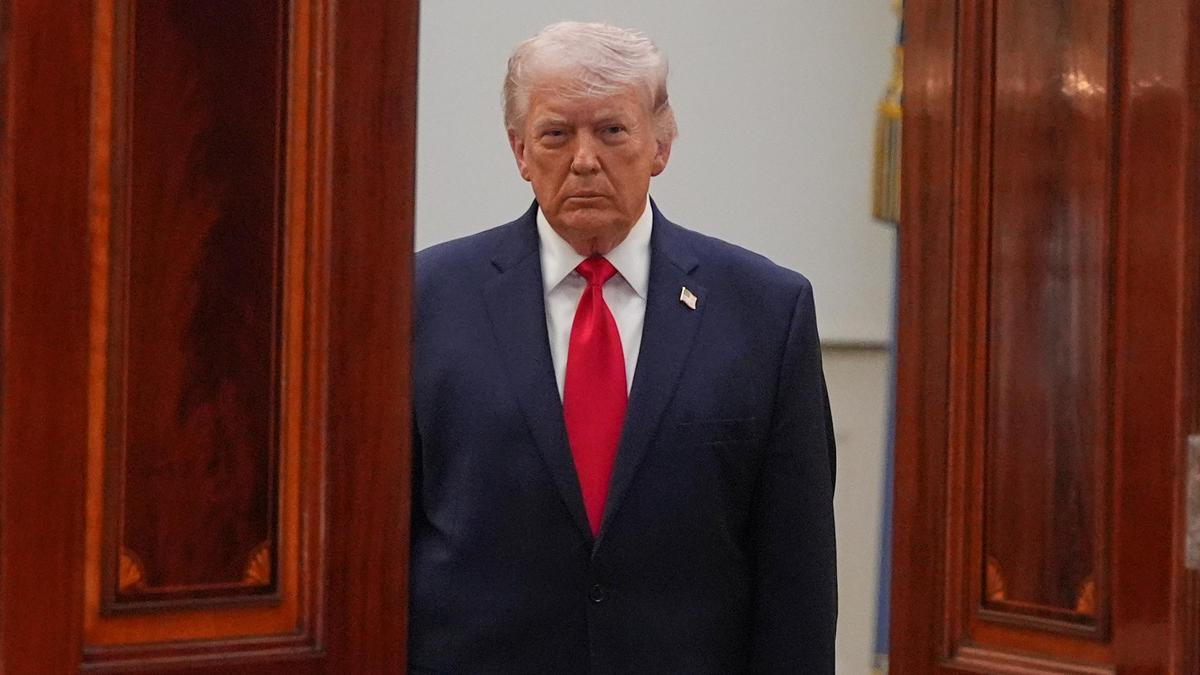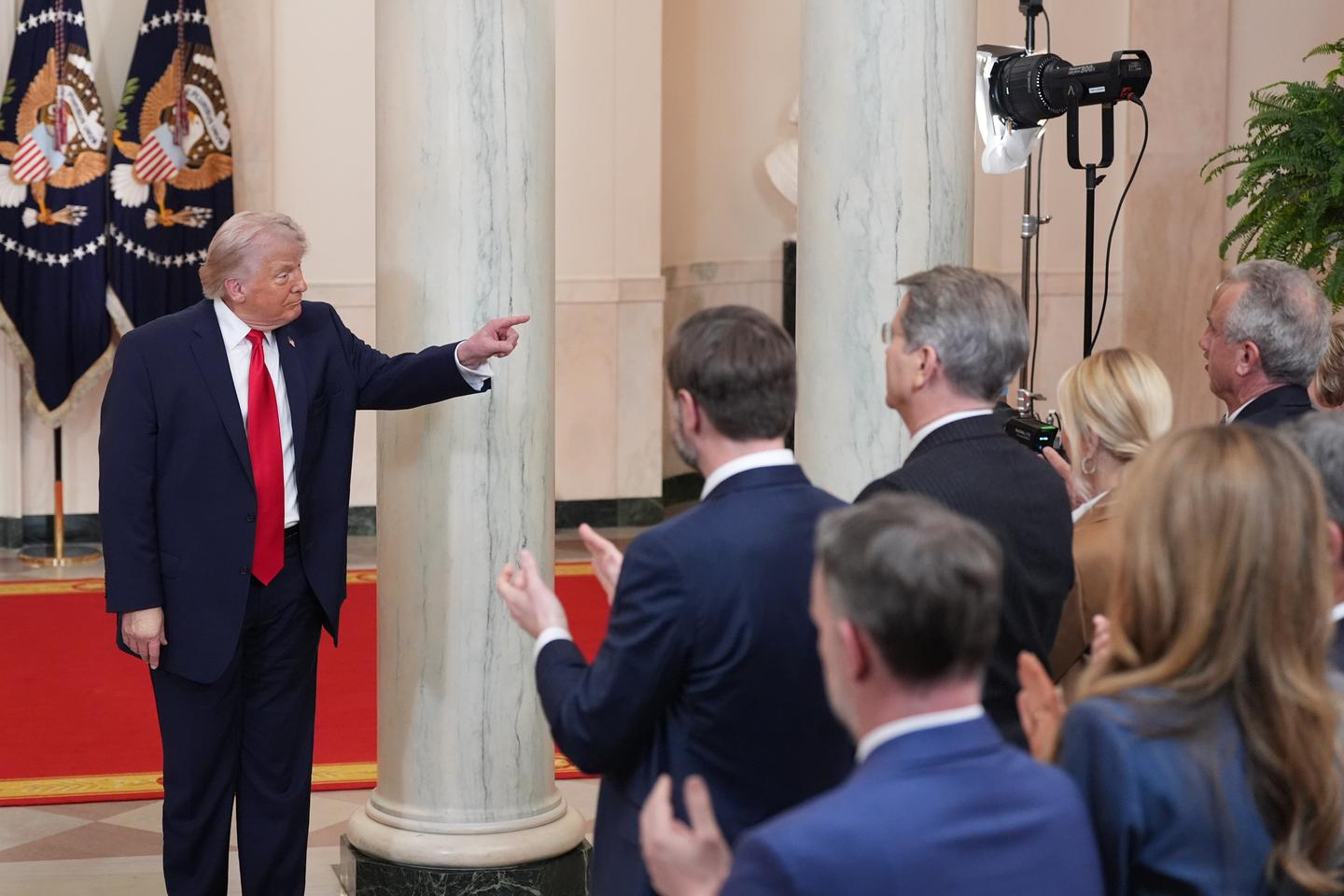
US President Donald Trump in Washington, April 1, 2026. ALEX BRANDON/AP
Everything is proceeding according to plan, a plan that has changed constantly since February 28. That sums up Donald Trump's televised address about the war waged with Israel against Iran, delivered on Wednesday, April 1. It was a detached exercise in self-congratulation over American "victories," even as the conflict, with no foreseeable resolution, threatens the global economy with a major crisis. "We have all the cards; they have none," claimed Trump, who said he was "very close" to "finishing the job." The American president barely touched on the tentative diplomatic contacts with Tehran, instead promising to strike Iran "extremely hard" in the "next two to three weeks," aiming to send the country "back to the stone ages."
The war against the Islamic Republic was supposed to be a "little excursion," to use the phrase favored by Trump in recent weeks. The rise in gas prices? A "short-term fluctuation," White House spokesperson Karoline Leavitt insisted on March 30. The reality, however, has been quite different. The United States has turned into an agent of chaos with a poorly conceived operation, launched with no justified sense of urgency. This war has become a tool of fragmentation and reshaping with global repercussions. The higher the military, economic and political costs for both sides – not to mention Israel – the greater the risk of escalation becomes.