https://arab.news/2nrum
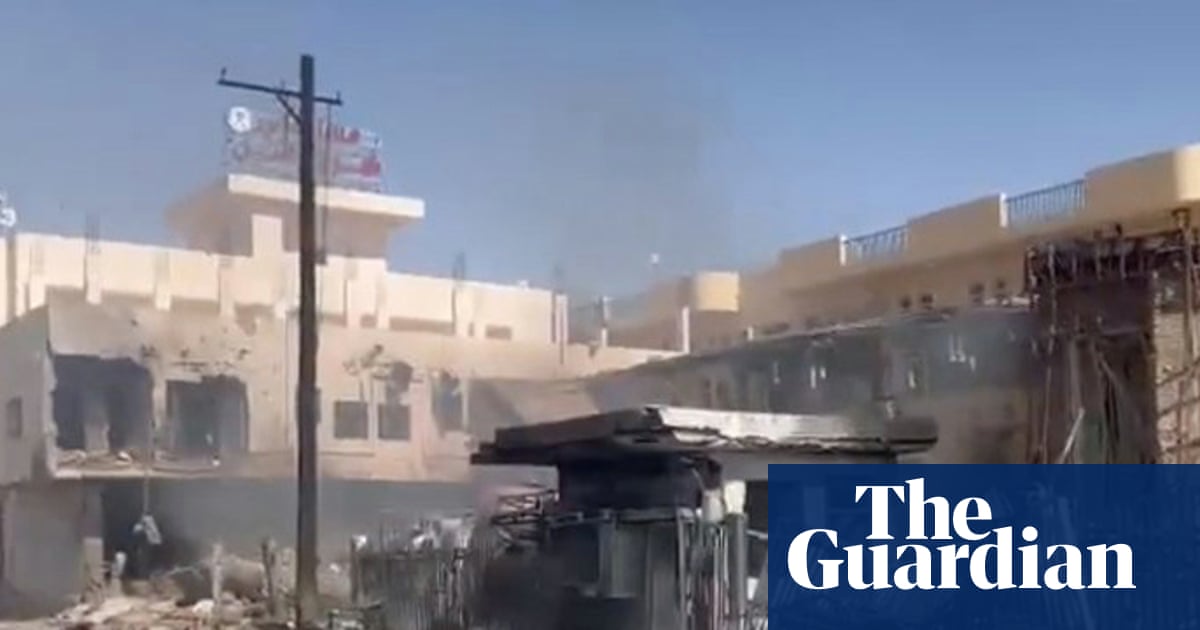
Across the Eastern Mediterranean region, escalating armed conflict is dismantling the infrastructure of health. Hospitals are managing surges of trauma patients while facing shortages of medicines, fuel and staff. Disease surveillance systems — the backbone of outbreak detection — are weakening. At the same time, mortality from otherwise preventable and treatable conditions is rising, often unrecorded.
This is more than a humanitarian crisis. It is a rapidly evolving public health emergency with implications that extend far beyond the region.
The scale of humanitarian need in this region was already without parallel. Nearly half of the world’s population requiring humanitarian assistance lives here, alongside about 40 percent of all internally displaced persons globally. Entering 2026, an estimated 115 million people — one in seven across the region — depended on humanitarian support. The current escalation has sharpened these pressures acutely.
National authorities report more than 1,800 deaths and 23,000 injuries in Iran and more than 1,000 killed and 3,000 injured in Lebanon. In Lebanon, more than 1 million people have been displaced, many sheltering in overcrowded collective sites. In Iran, 3.2 million people are temporarily relocated, alongside increasing cross-border movement.