https://arab.news/2ksct
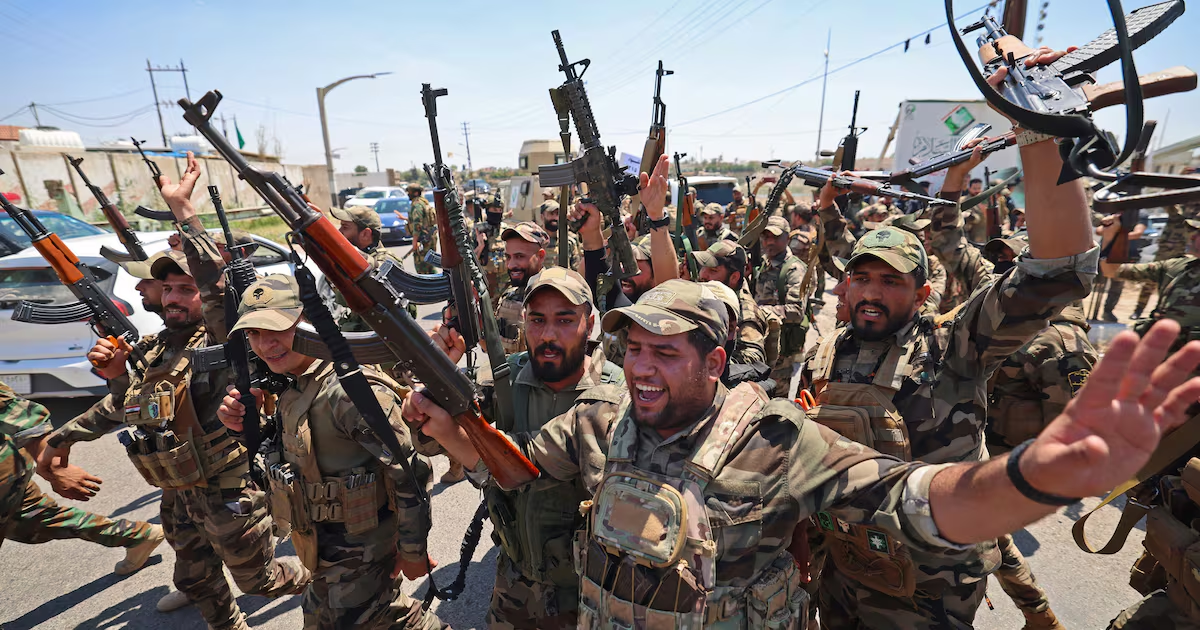
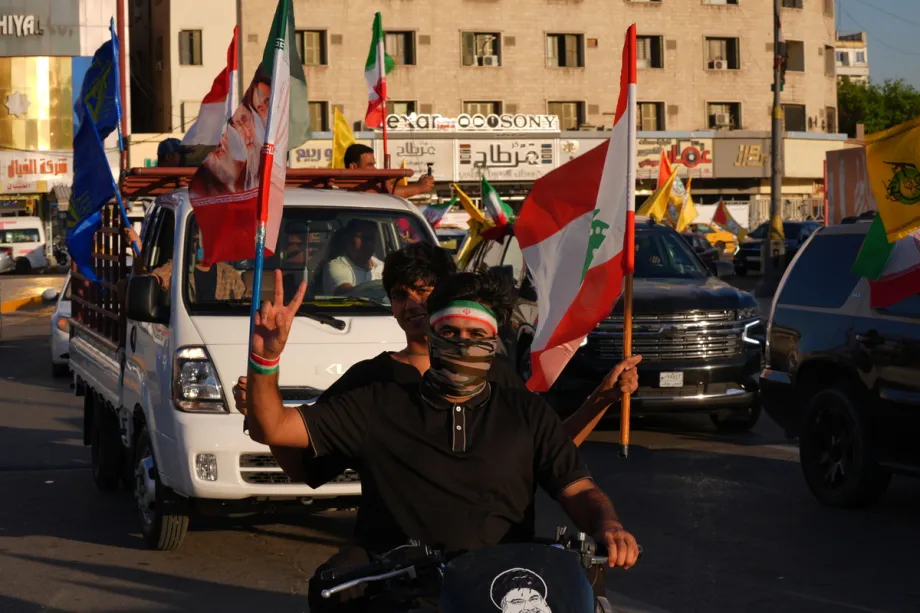
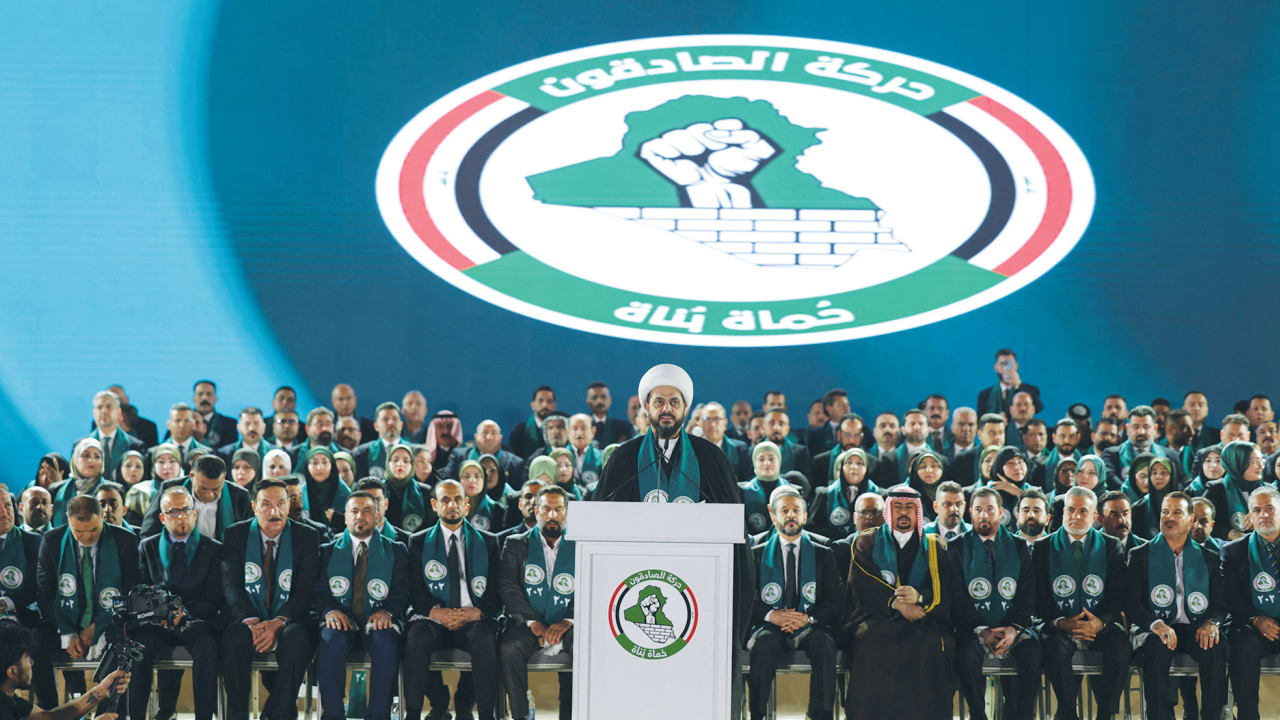
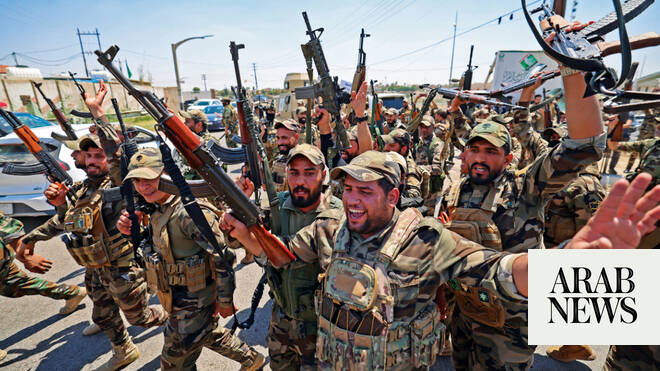
A diplomatic crisis unfolded this week when Kuwait issued its second formal protest to Iraq’s envoy, followed hours later by Baghdad’s suspension of a number of senior security commanders. This sequence of events exposes a troubling reality: Iraq’s government publicly disavows attacks on neighboring states, yet lacks the enforcement mechanisms to prevent Iran-backed militias from targeting Gulf energy infrastructure. The fallout is damaging Baghdad’s ties with Gulf capitals.
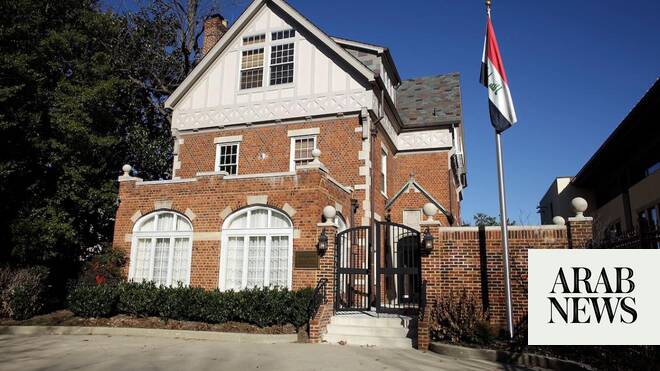
Kuwait’s move was no diplomatic formality. It came with a pointed accusation: armed Iraqi factions had struck Kuwaiti soil. The demand was blunt: “concrete, actionable steps” to make the attacks stop.
Kuwaiti officials are under no illusion about the power dynamics inside Iraq. They know that Iran-backed militias routinely defy Prime Minister Mohammed Shia Al-Sudani. But that understanding only goes so far. By escalating diplomatically, Kuwait is highlighting a simple equation: if Baghdad holds sovereignty over its territory, then Baghdad is responsible for everything that comes out of it.
For anyone watching events on the ground, reassurances from Baghdad are starting to feel like background noise