Voters rejected rule from the centre – but could end up with another centrist government
W
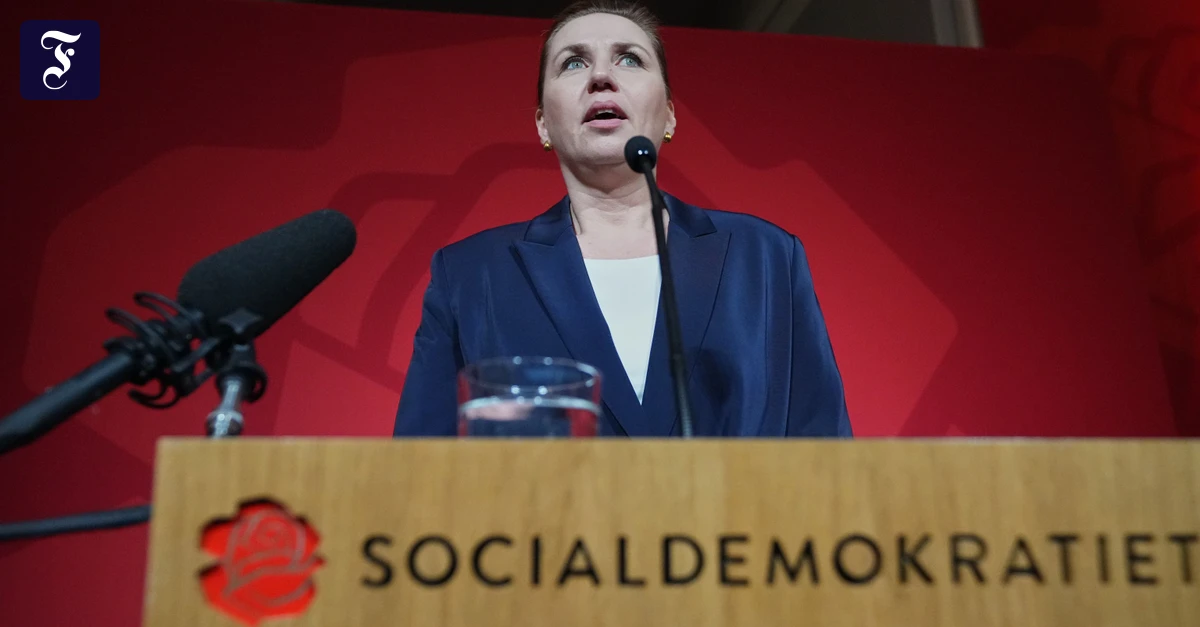
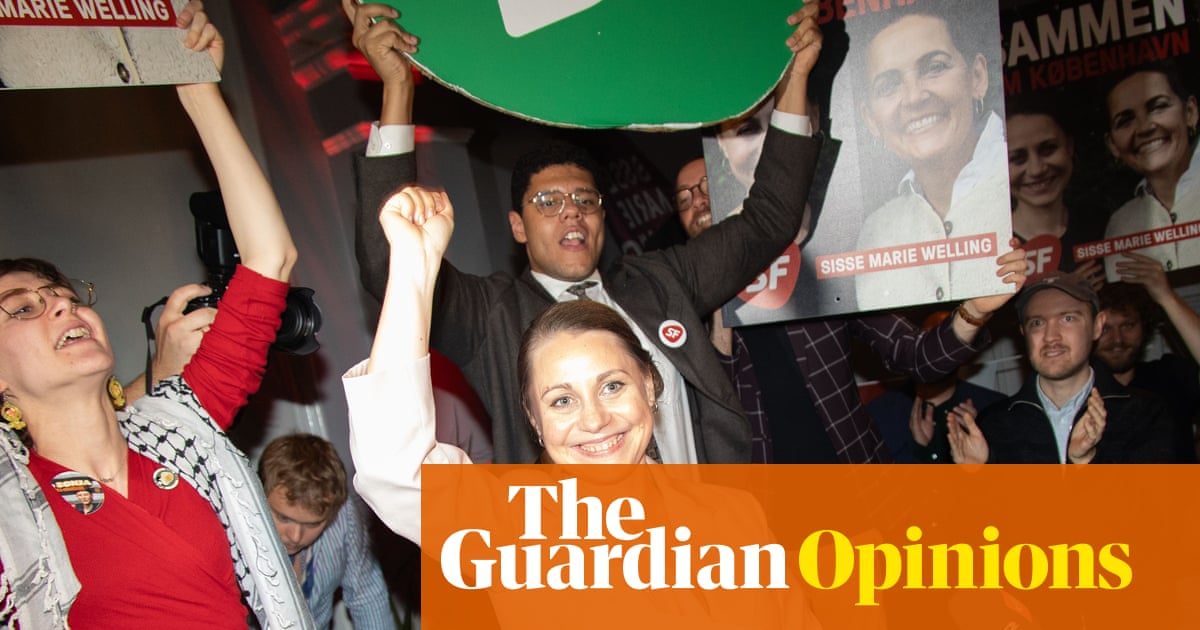
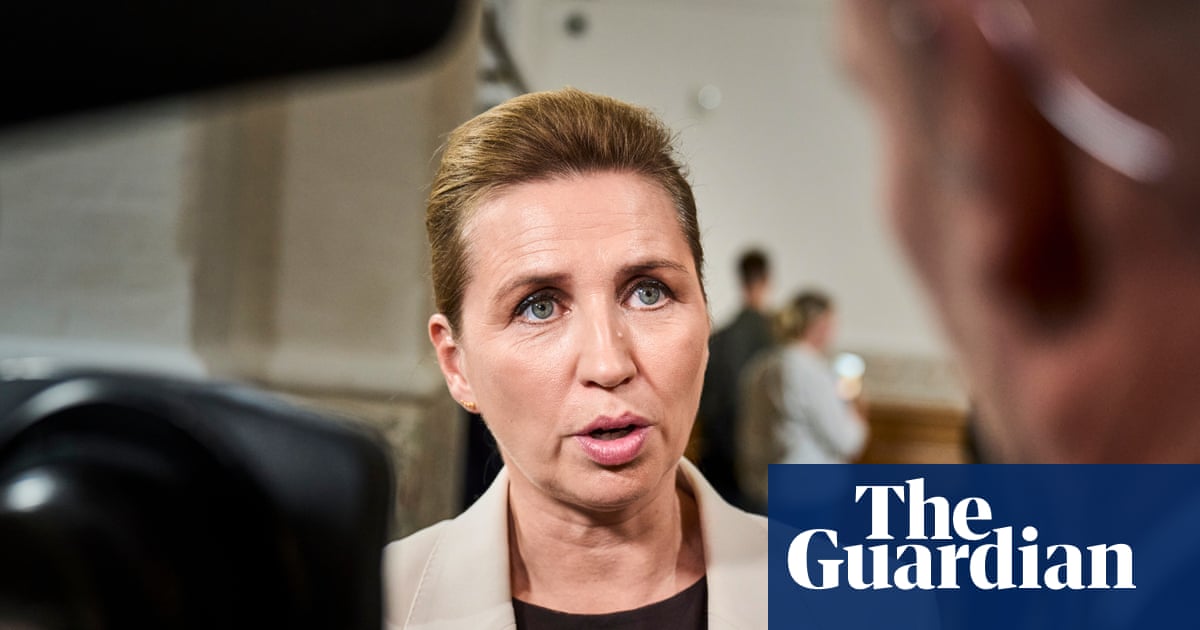
e could be at the end of the road for the Danish method of democracy. Our style of parliamentary politics has been celebrated and admired internationally for many years, but last week’s general election has left it in crisis. The result was a vote of no confidence in a centrist government led by the Social Democrat Mette Frederiksen. Her administration was, in the Danish context, an unusual political construction. Frederiksen had broken the old pattern of politics in 2022 by forming a governing alliance between the centre-left and centre-right.
Yet the most likely outcome of the election is that Denmark will get another centrist government. This is a kind of democratic boomerang. For reasons of perverse parliamentary logic, what the voters reject, they get right back in the face.
The paradox could be called the tyranny of the 10%: if 45% of voters in a multiparty system want a government to the left and 45% want a government to the right but 10% vote for parties that want to govern from the centre, it will be very difficult for the old blocs to form governments. This is a new situation in Denmark that will make negotiations to form a new government very challenging.