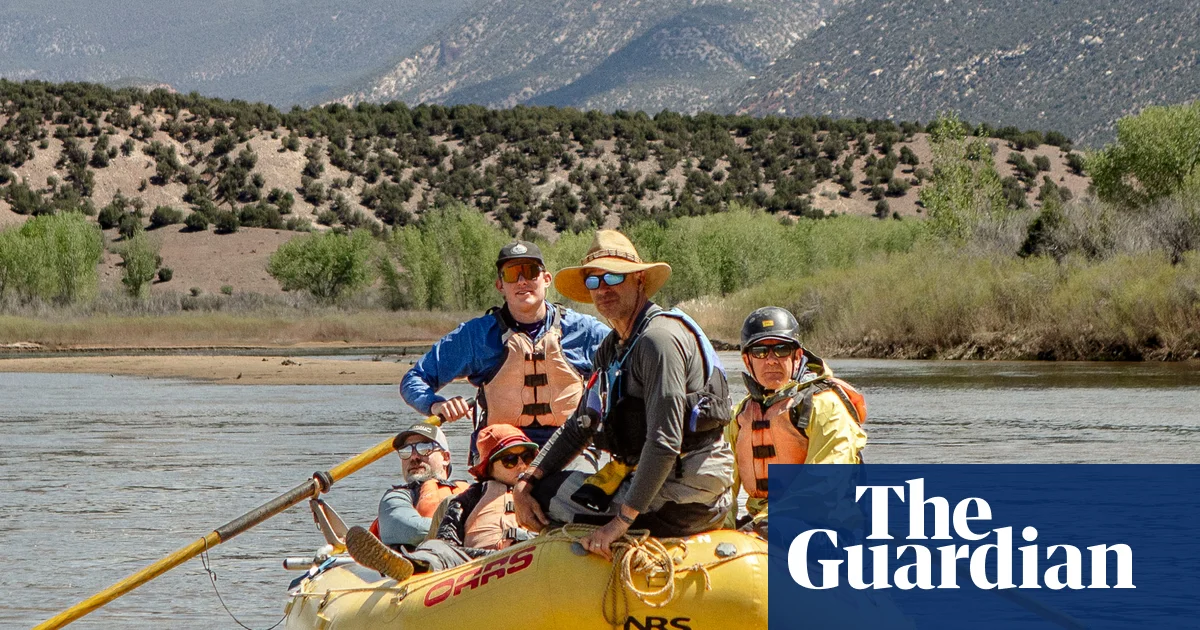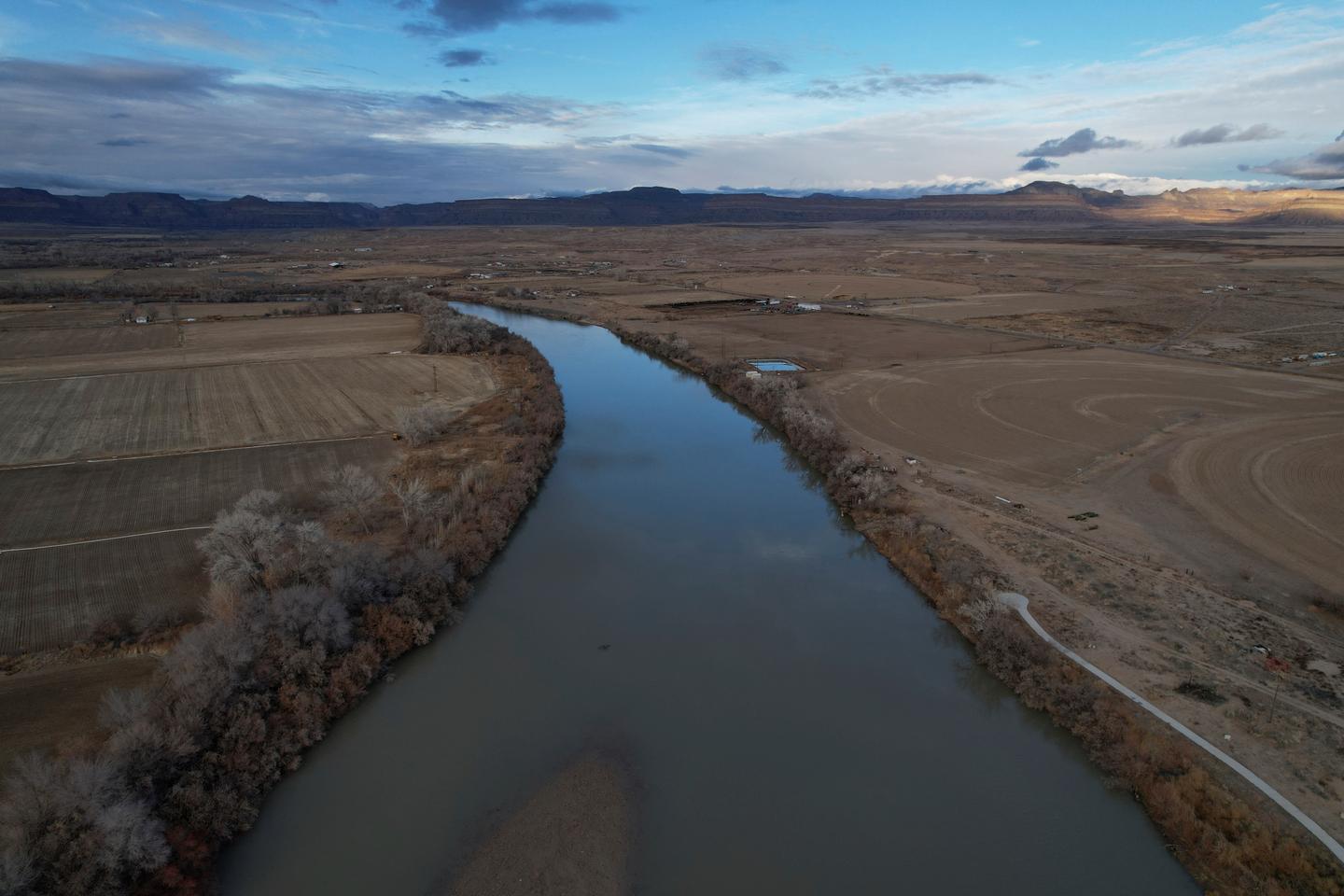
The Green River, a tributary of the Colorado River, in Utah, January 25, 2024. BRITTANY PETERSON/AP
Once upon a time, there was a river whose path defied the basic principles of the flow of liquids: It cut through a mountain, even though it could have continued on the plains, and in certain places, it even appeared to flow uphill.
The mystery of the Green River's "uphill flow" can now be spoken of in the past tense, as the geological anomaly that had baffled geologists for 150 years was recently explained by a team at the University of Glasgow, Scotland. In the February issue of the Journal of Geophysical Research: Earth Surface, 28-year-old researcher Adam Smith proposed a solution to the enigma of this river in the American West, which, despite forming after the Uinta Mountains, cuts through them, trapped in canyons 700 meters deep.
The first to question this curious situation was American West explorer John Wesley Powell (1834-1902). In 1869, during his exploratory descent of the longest tributary of the Colorado River – which originates in Wyoming's mountains and flows into the Colorado in Canyonlands National Park – the scientist found it "strange" that the river had carved its way through the mountains; it could have logistically flowed around them to the East by passing through valleys along the Uinta's north side.