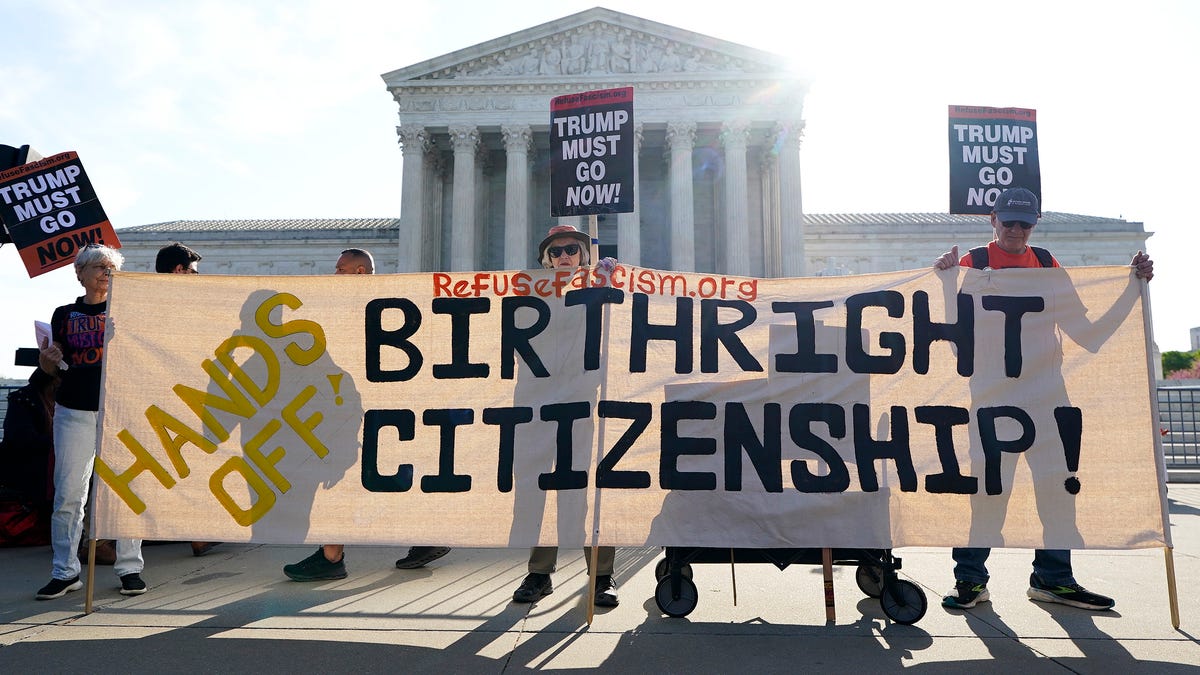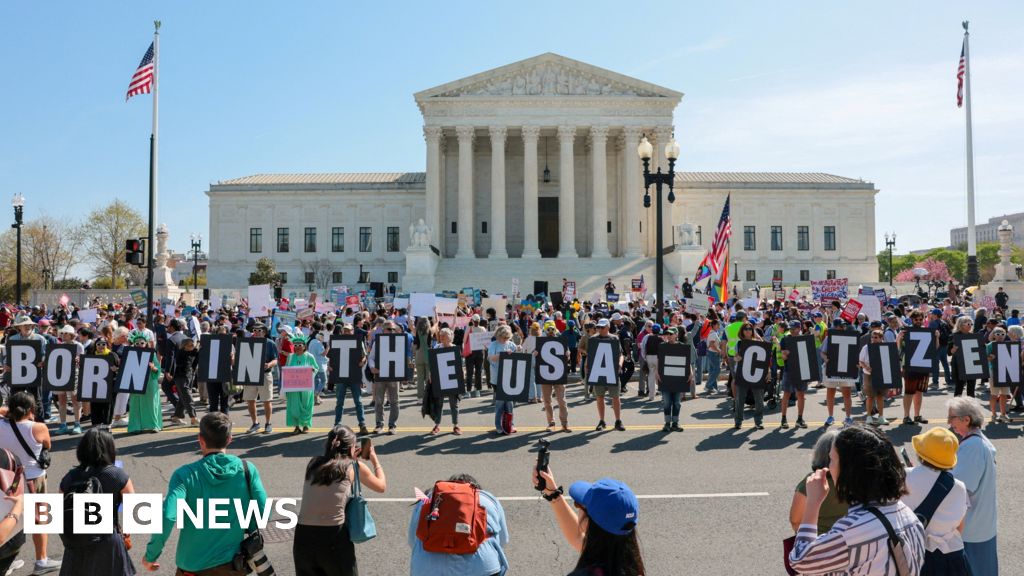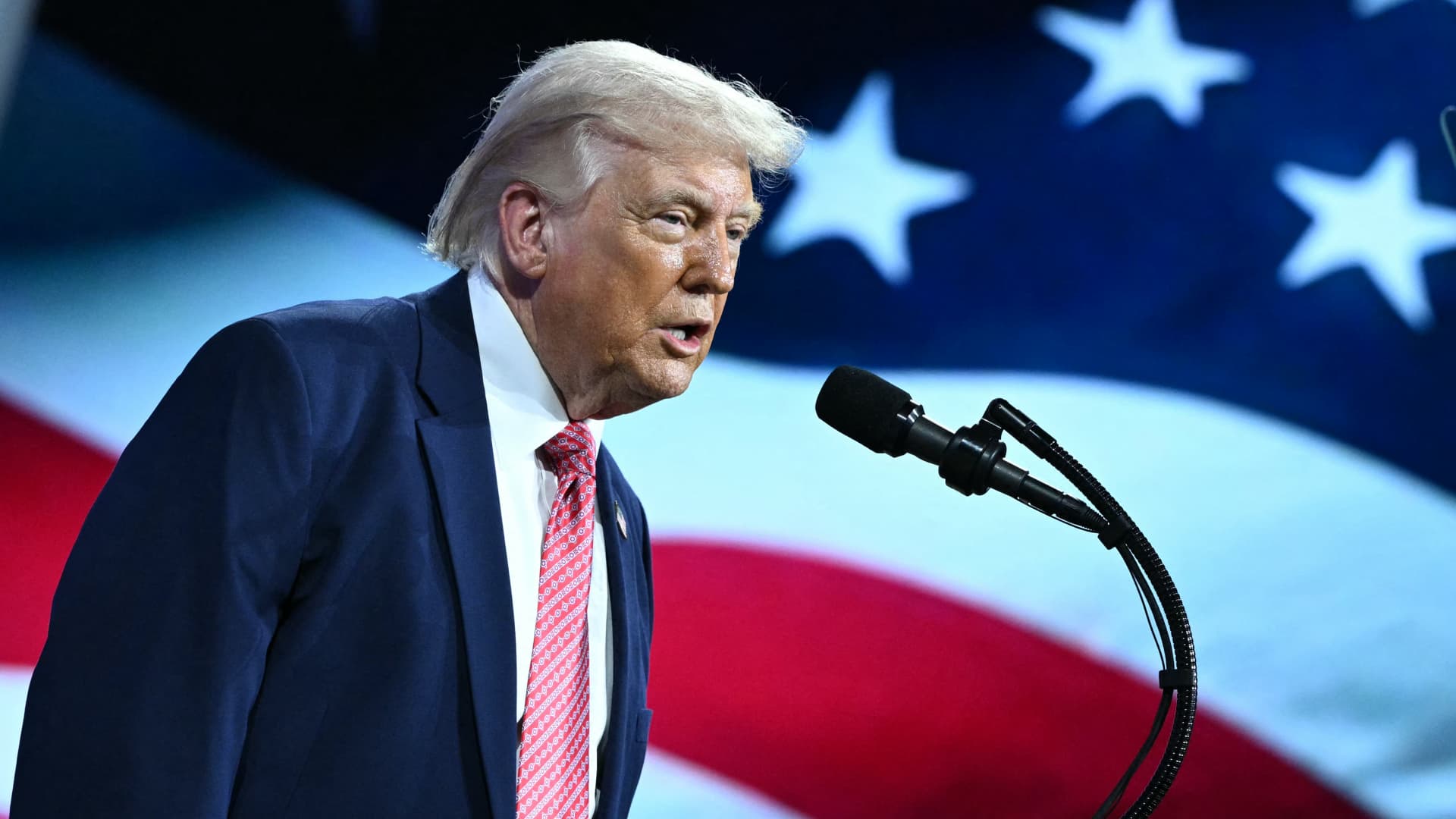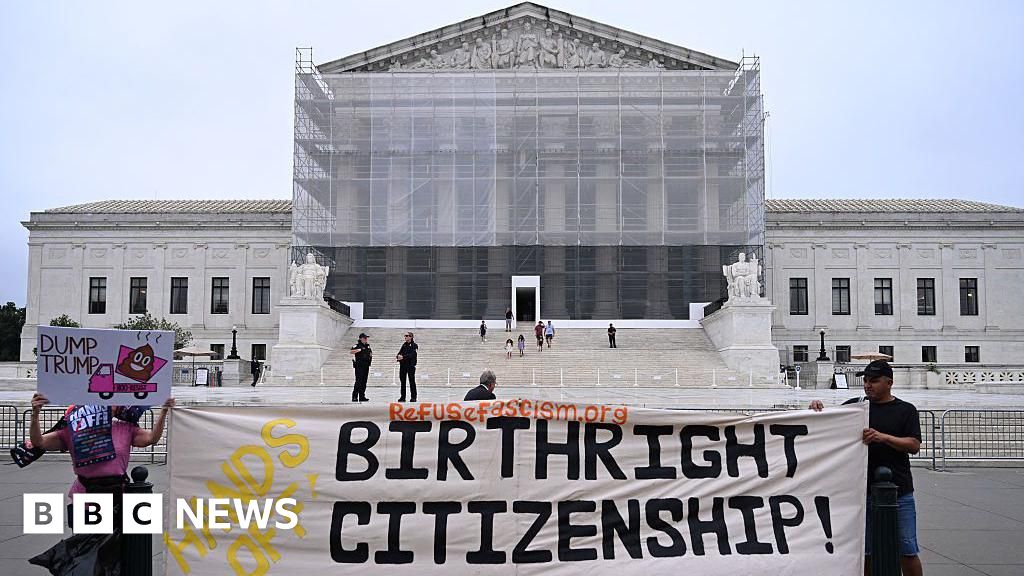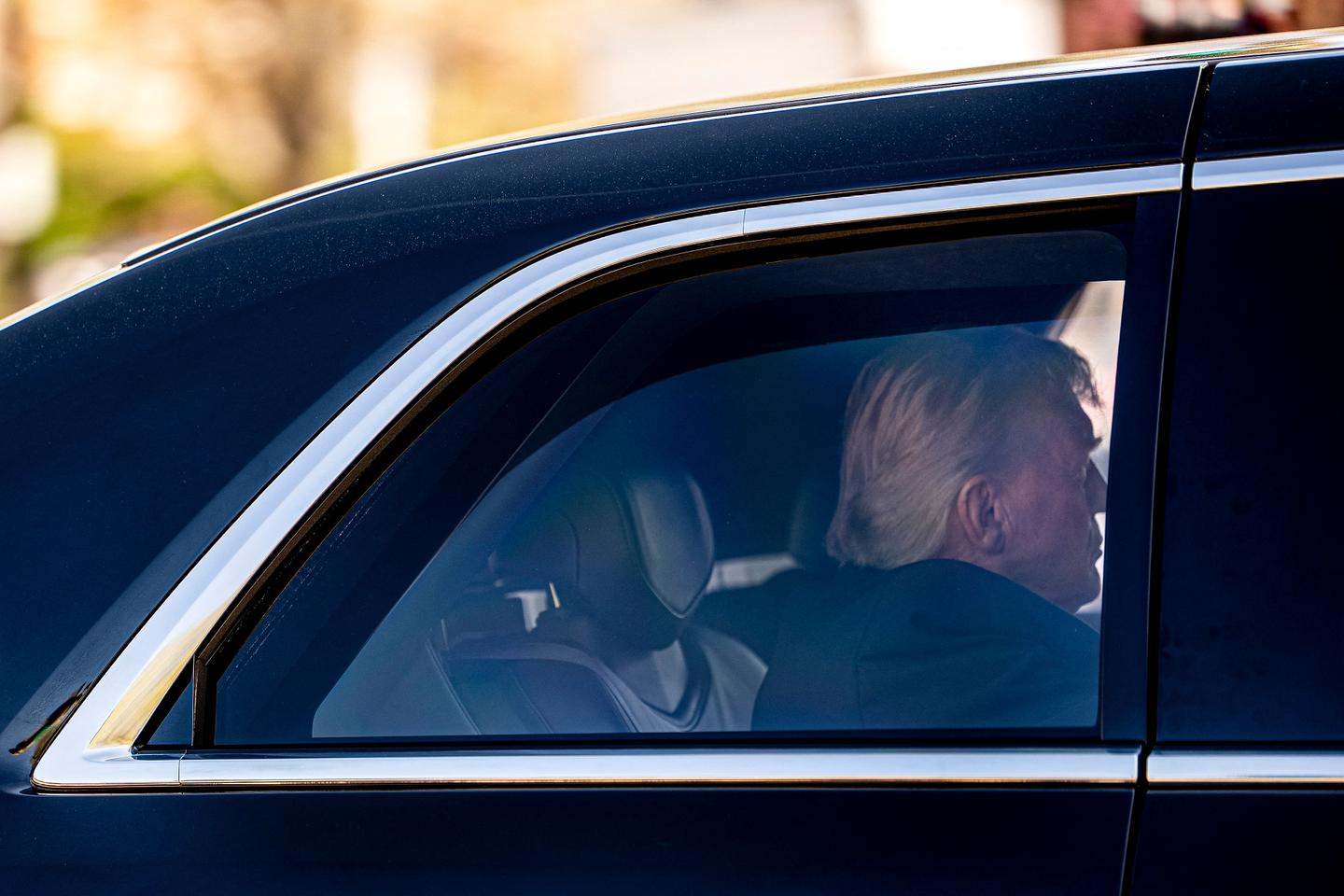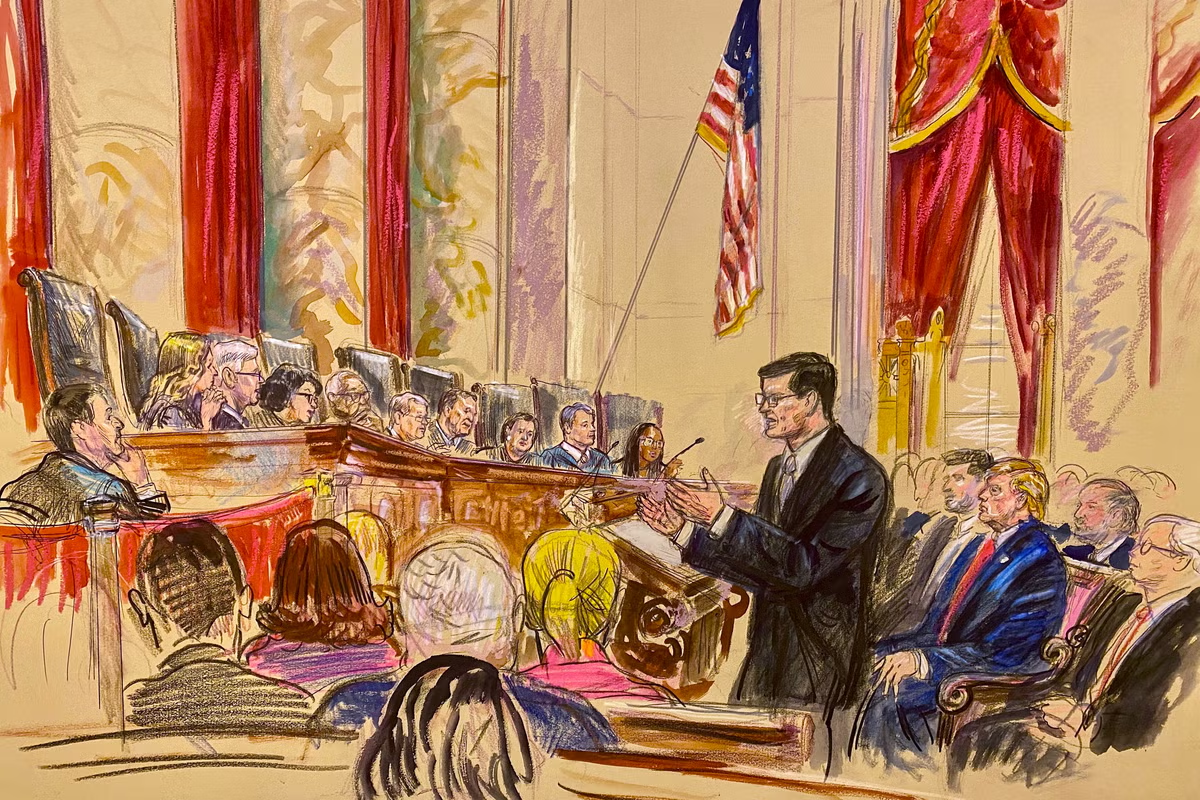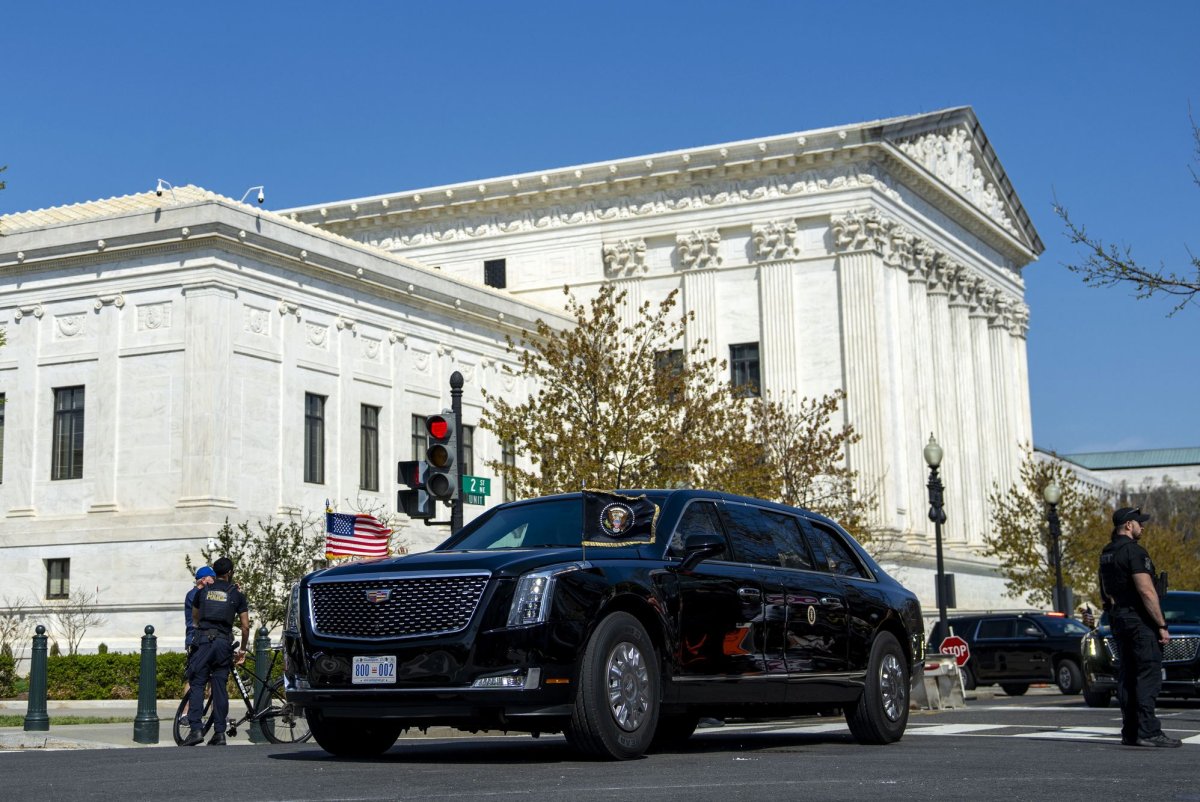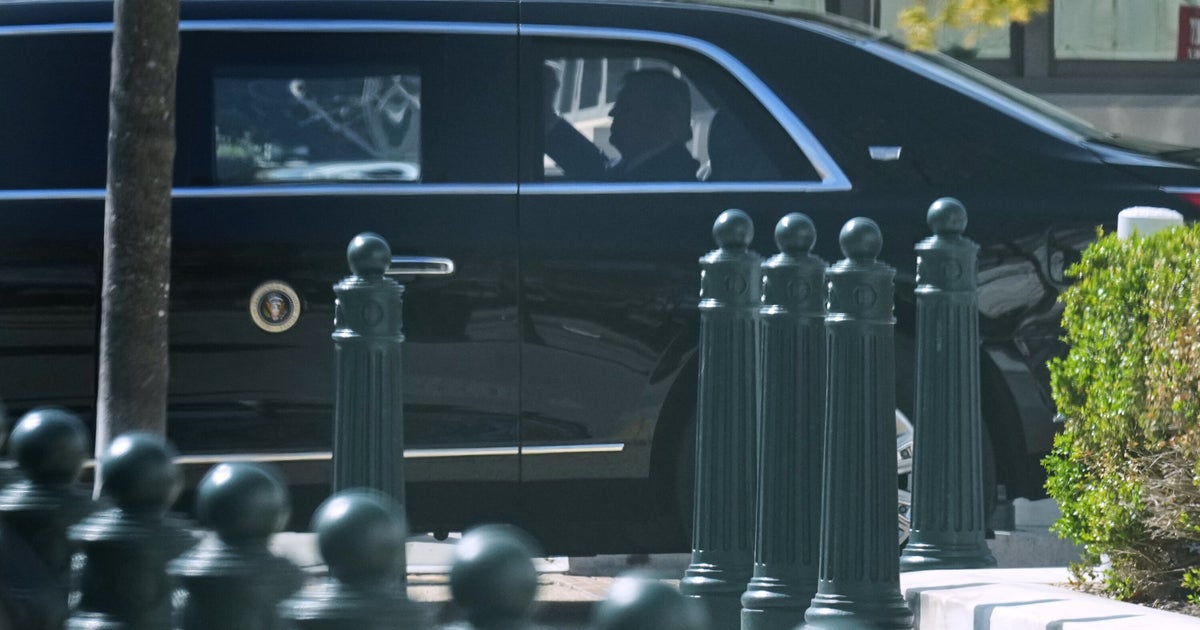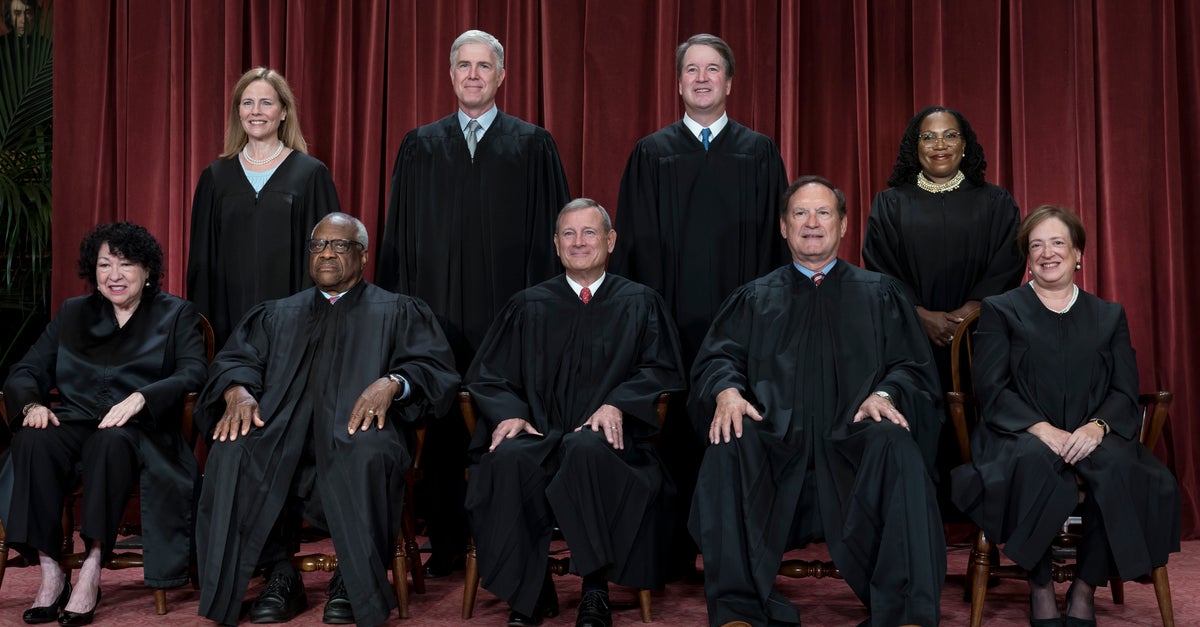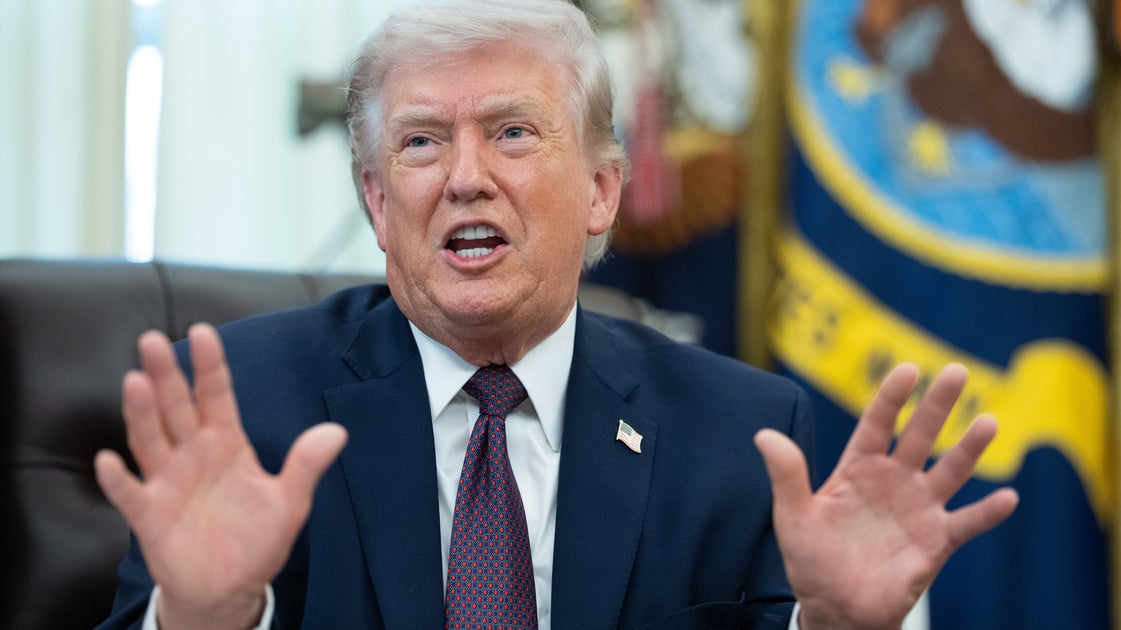
President Donald Trump became the first sitting president to attend a Supreme Court argument on Wednesday. That gave him a front-row seat to watch the justices, including three he appointed, torch his top priority of restricting birthright citizenship for the children of parents without legal immigration status.
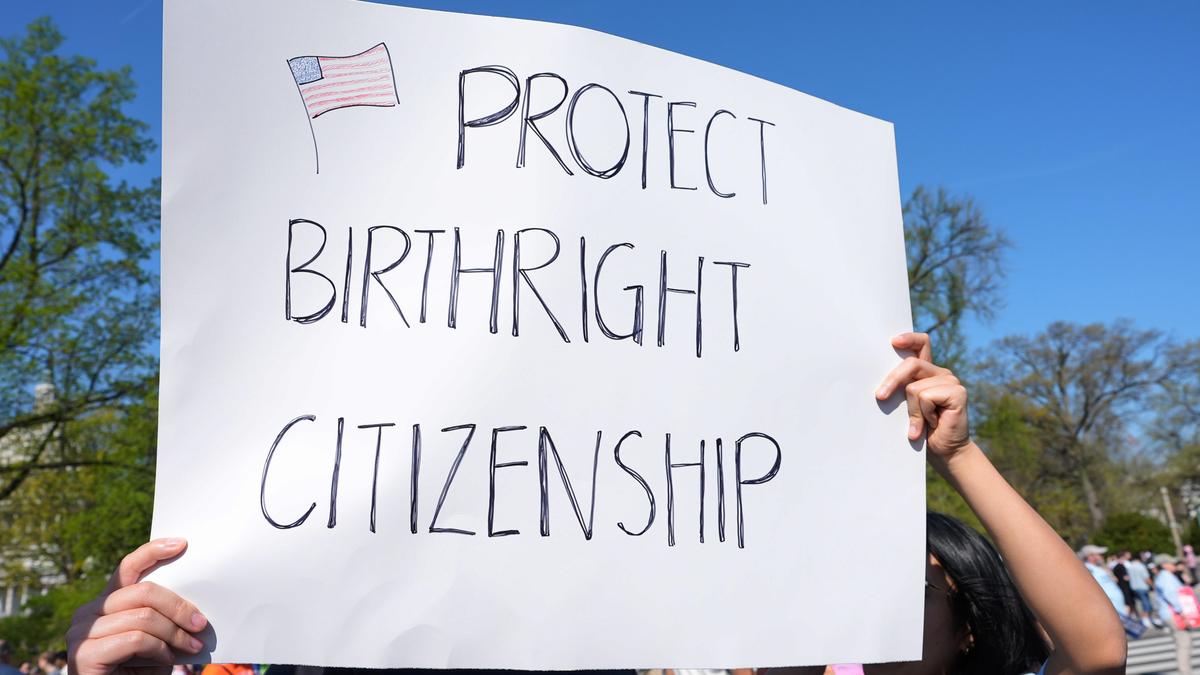
On his first day back in office last year, Trump issued an executive order ending birthright citizenship for the children of undocumented immigrants and temporary residents beginning on Feb. 20, 2025. The case before the court, Trump v. Barbara, came out of a string of challenges to that order, which has never taken effect because lower courts have unanimously ruled against it.
The arguments before the Supreme Court appeared to go just as poorly for Trump as they did elsewhere. Liberal and conservative justices alike approached the Trump administration’s arguments that the 14th Amendment’s grant of birthright citizenship to all people born in the country, with limited defined exceptions, does not mean what everyone has understood it to mean for well over 100 years with bewilderment, exasperation and even irritation.
The administration’s argument, made by Solicitor General D. John Sauer, is that the 14th Amendment’s birthright citizenship clause and subsequent court precedents meant to limit citizenship at birth to children of parents “domiciled” in the U.S. Having domicile requires a person to owe “allegiance” to the U.S. and not another foreign government while intending to remain in the country. The administration went on to argue that neither illegal immigrants nor temporary visitors to the United States can possibly fulfill these requirements.