Policy is still divisive two years in, with SPD hailing it while CDU minister claims it is risk to young people’s health
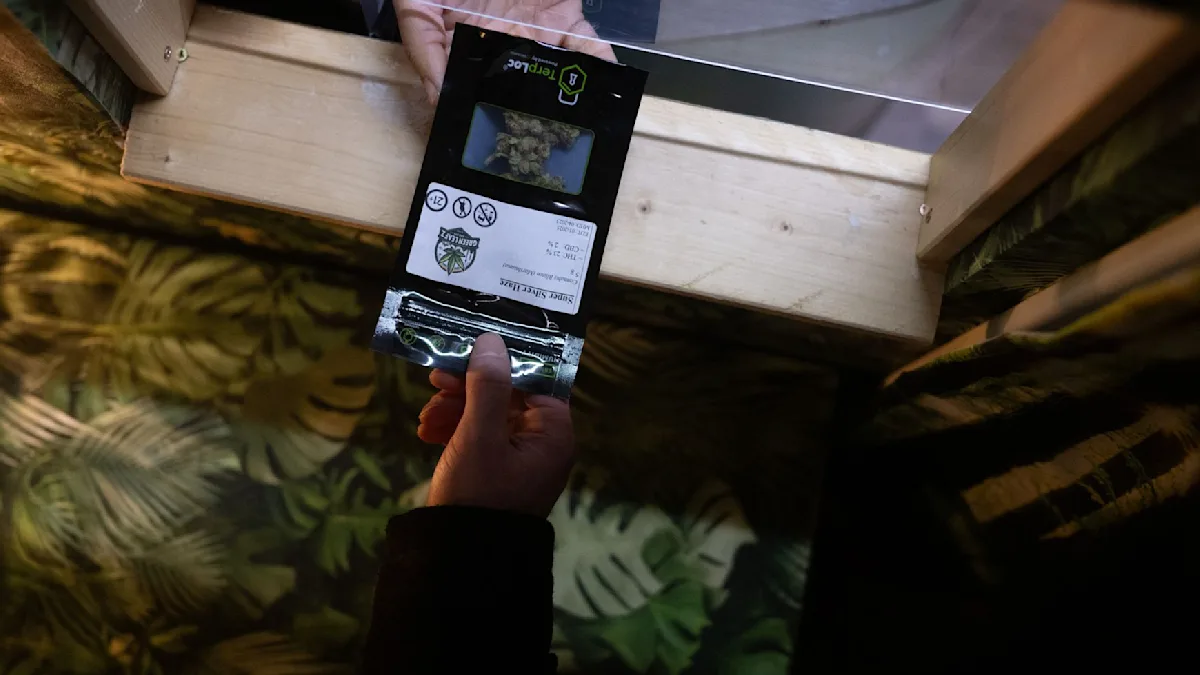
Germany is divided over how the legalisation of cannabis two years ago is going, with critics and proponents at odds over its impact on consumption, youth welfare and organised crime.
On 1 April 2024 the previous centre-left-led government made Germany the first big EU country to legally allow personal recreational use of cannabis for over-18s.
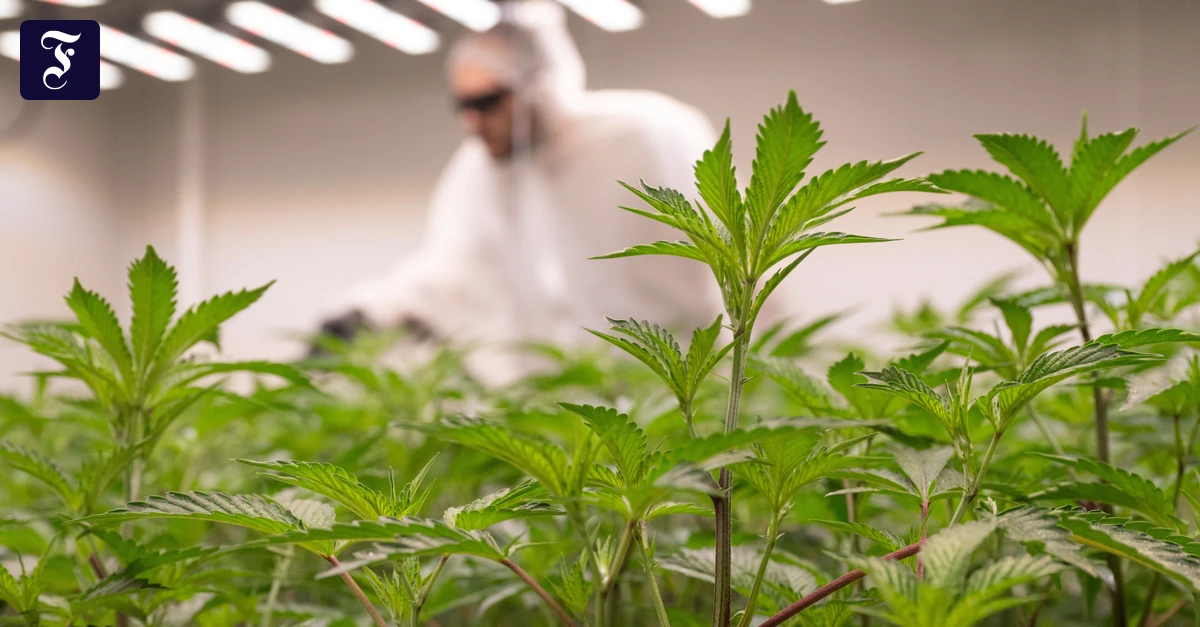
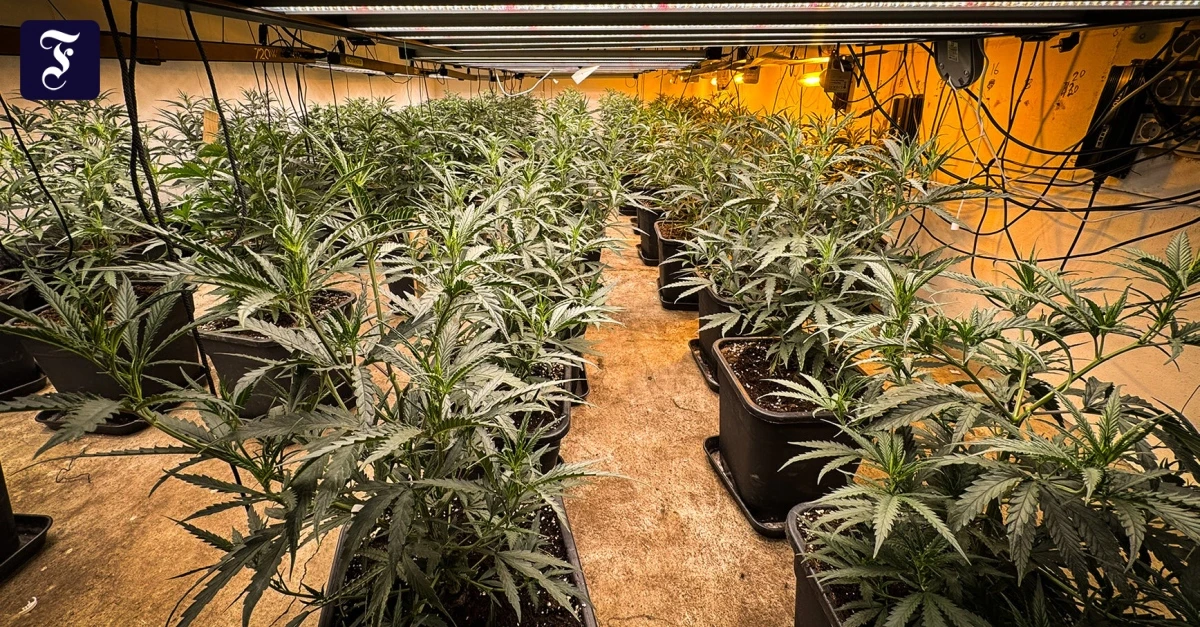
Heavy on red-tape restrictions after a heated national debate, the legislation cleared the way for people to be allowed to grow up to three plants for private consumption and possess 50g (1.75oz) of cannabis at home or 25g in public.
The aim had been a pragmatic policy that would legalise existing habits among adults and help stub out the underground trade. But the liberalisation was opposed by the conservative Christian Democratic Union and Christian Social Union parties that are now leading the government. They had cited fears of an explosion in marijuana use and addiction, easy accessibility for teenagers and a takeover of the market by criminal syndicates.