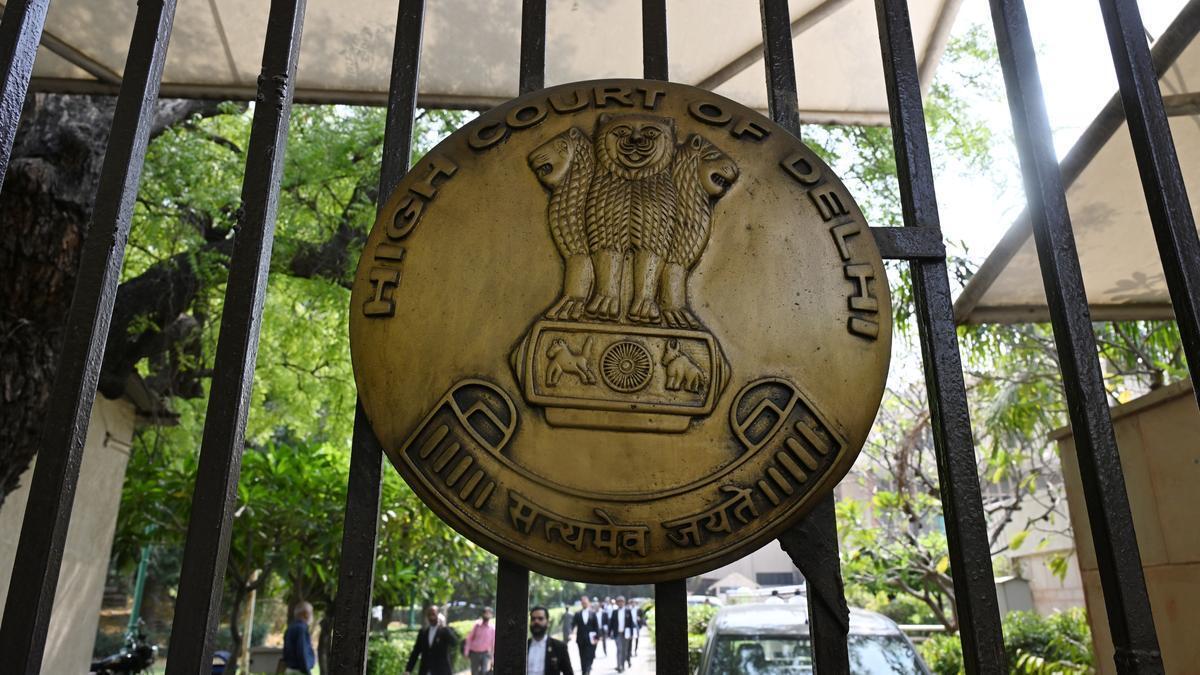
In a judgment delivered on March 28, Justice Tejas Karia of the Delhi High Court held that MRT Music is the exclusive copyright holder of the two songs—“Nyaya Ellide” and “Omme Ninnanu”— having acquired the rights from master recording company Sangeetha through an assignment deed.
| Photo Credit: The Hindu
The Delhi High Court has ordered Paramvah Studios, the production house of Kannada actor-filmmaker Rakshit Shetty, to pay ₹25 lakh to MRT Music for the unauthorised use of two songs in his Kannada film ‘Bachelor Party’.The amount includes ₹20 lakh towards the licence fee for the songs “Nyaya Ellide” and “Omme Ninnanu”, which had already been deposited during the proceedings, and an additional ₹5 lakh imposed as exemplary costs for non-compliance with an earlier court order.In a judgment delivered on March 28, Justice Tejas Karia held that MRT Music is the exclusive copyright holder of the two songs, having acquired the rights from master recording company Sangeetha through an assignment deed.The court noted that the producers had approached MRT Music in January 2024 seeking a licence, but went ahead with the film’s theatrical release on January 26, 2024, and later its OTT release without securing permission despite being informed of the licence fee.Rejecting the defence that the use was protected under “fair use”, the court observed that the songs were deliberately used to enhance the narrative of the film and were therefore not incidental.The court noted that “Nyaya Ellide” means “where is the justice?”. “It appears that the defendants have carefully chosen this well-known song to further the script of the impugned film,” the court noted.Similarly, “Omme Ninnanu” is used for 31 seconds in a scene to show that the protagonist is going into a school-day flashback, where a classmate is shown reciting a version of this song in a classroom.The court also found that the defendants were aware of its August 12, 2024, order but failed to comply with it in time, making them liable for contempt. However, considering an affidavit filed by the producers in October 2025 expressing regret and confirming compliance, the court chose not to impose imprisonment and instead directed payment of ₹5 lakh as costs. Published - April 01, 2026 05:24 pm IST