MOSCOW, March 31. /TASS/. Iran’s talks of withdrawing from the Nuclear Non-Proliferation Treaty could lead Middle Eastern countries to reconsider their own nuclear programs; Russia has uncovered another alleged UK intelligence agent amid broader political tensions between Moscow and London; and G7 countries decided to release part of their strategic oil reserves to stabilize energy markets. These stories topped Tuesday’s newspaper headlines across Russia.
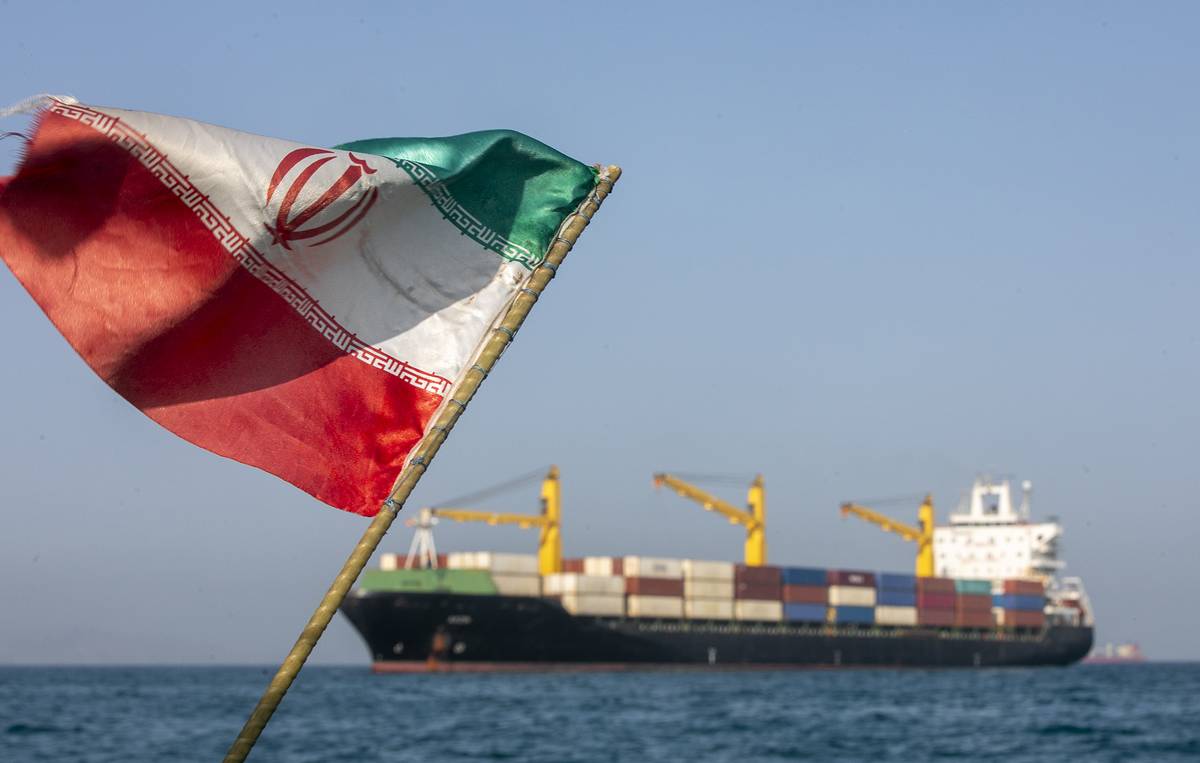
Withdrawal from the Treaty on the Non-Proliferation of Nuclear Weapons (NPT), one of the most radical scenarios in the history of the national nuclear program, is being discussed in Tehran. Key players in the Middle East, including Saudi Arabia, Turkey and Egypt, may reconsider their approaches to their own nuclear programs if Iran withdraws from the treaty, Izvestia writes. At the same time, official representatives emphasize that Iran remains committed to its international obligations and does not seek to create nuclear weapons. Nevertheless, even the very emergence of such an agenda is already raising concerns that the situation could trigger a chain reaction in the region.
Withdrawal from the NPT does not automatically mean a decision to create nuclear weapons: Tehran could theoretically follow a "nuclear threshold" strategy, developing relevant technologies without moving to the creation of a warhead. According to Andrey Baklanov, Deputy Chairman of the Association of Russian Diplomats and professor at the Higher School of Economics, discussing such an option would become a strategic mistake for Iran.