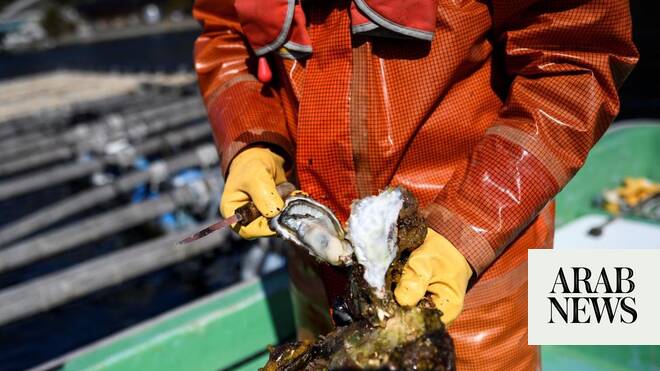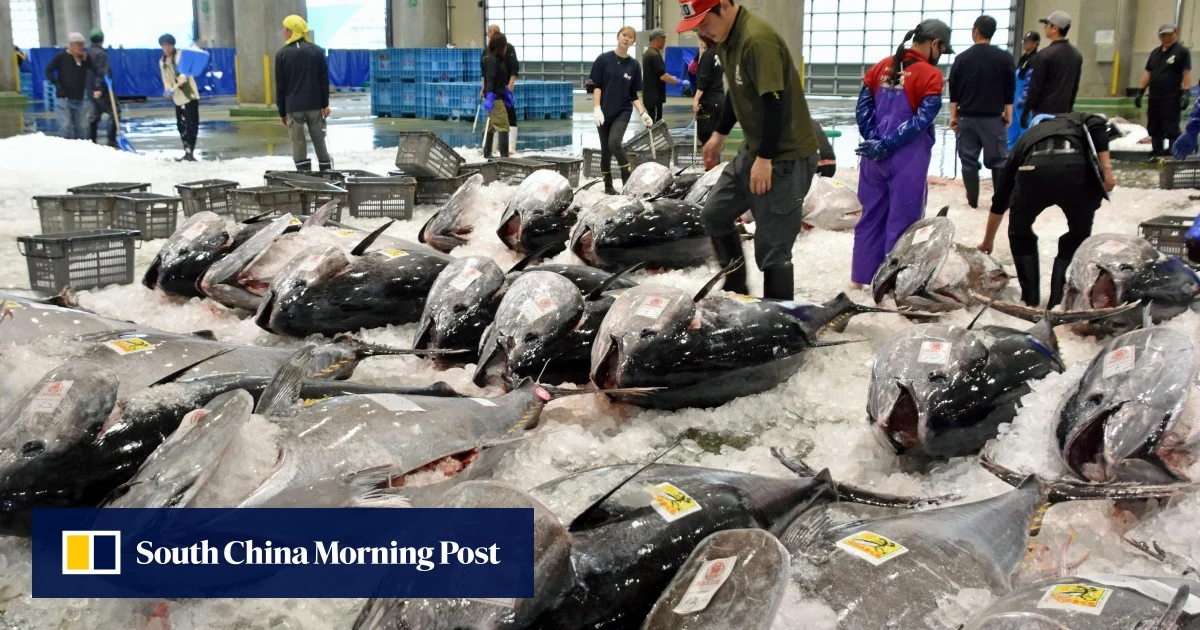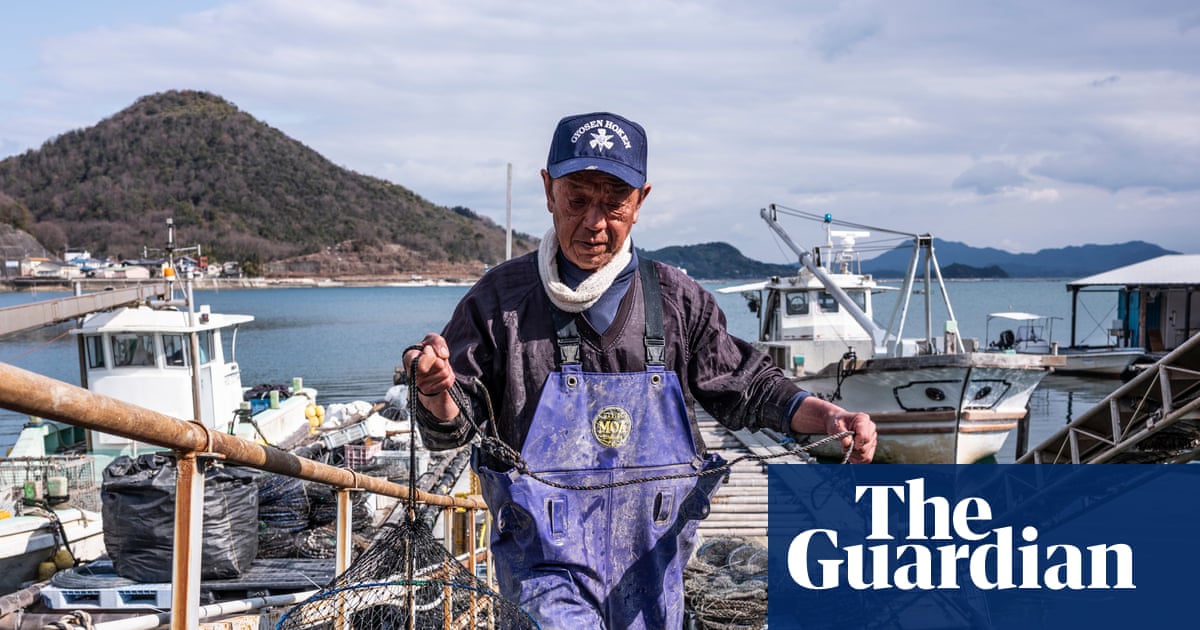
A death rate of up to 90%, attributed to warming seas, is threatening the trade in Hiroshima prefecture, which produces most of the country’s farmed oysters
T
he Kure oyster festival is doing a brisk trade in beer and grilled meat on sticks. But the longest queues are in front of the oyster stalls, where chefs shuffle piles of mottled shellfish across griddles, waiting for their hinges to ease and reveal their fleshy interiors.
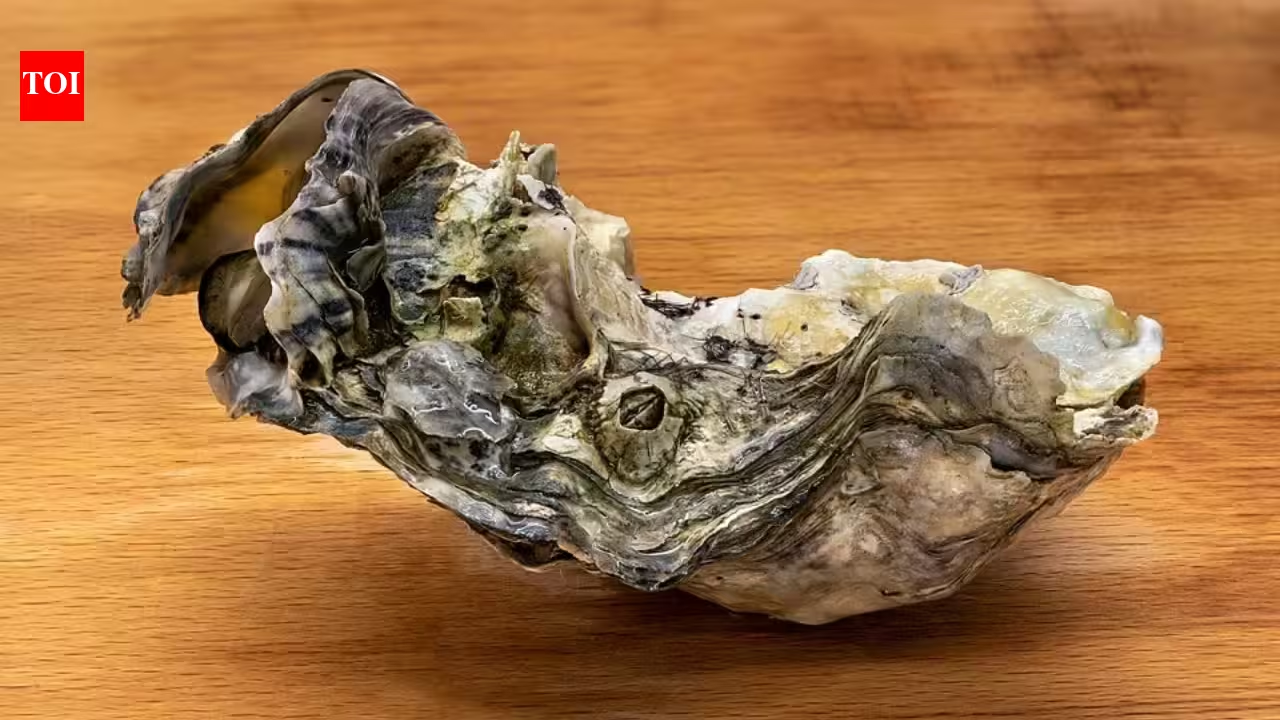
Nobuyuki Miyaoka, who is attending the festival with his son, daughter-in-law and their young children, likes his oysters steamed with sake and served with a few drops of tangy ponzu sauce. “The local oysters were fine until this year,” he says. “They used to be a lot bigger … look how small they are.”
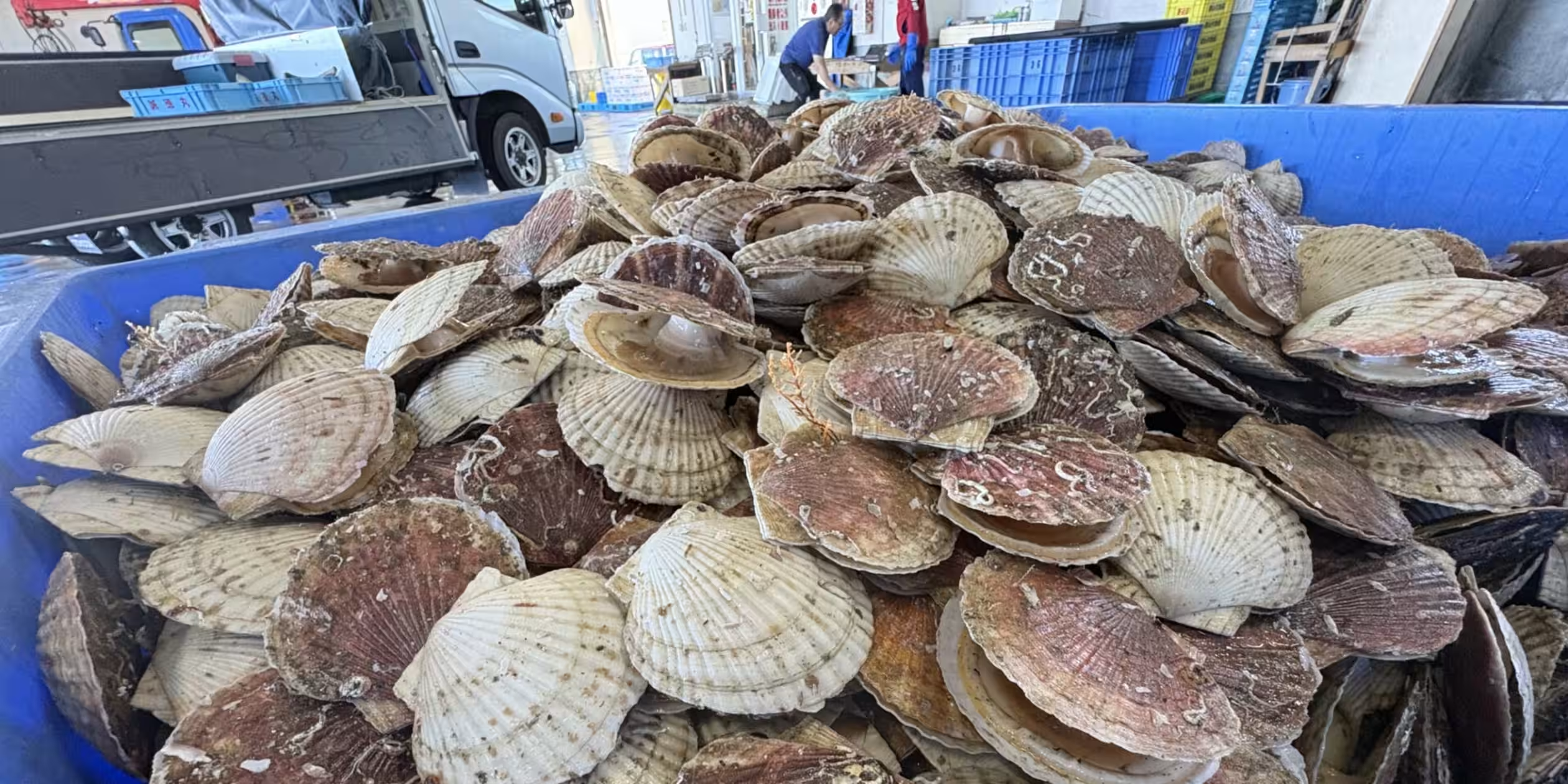
It is not only the oysters’ modest size that worries businesses and consumers in Kure and other locations in the coastal Hiroshima prefecture. For an event held to promote consumption of the area’s most acclaimed contribution to Japanese cuisine, the shellfish are noticeably scarce this year.