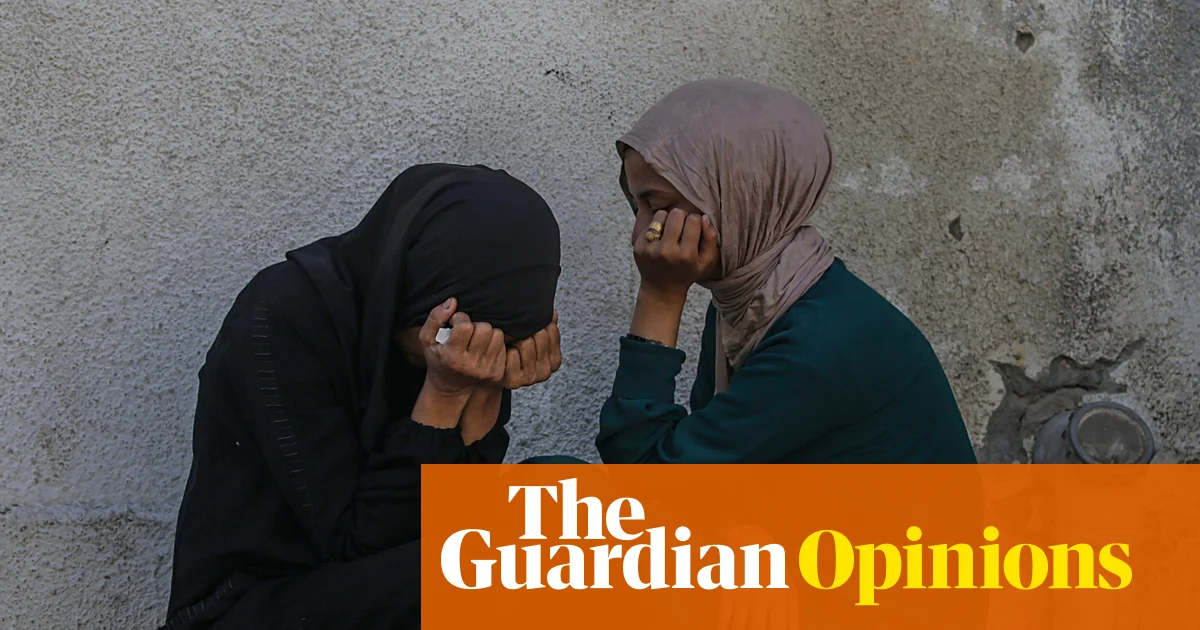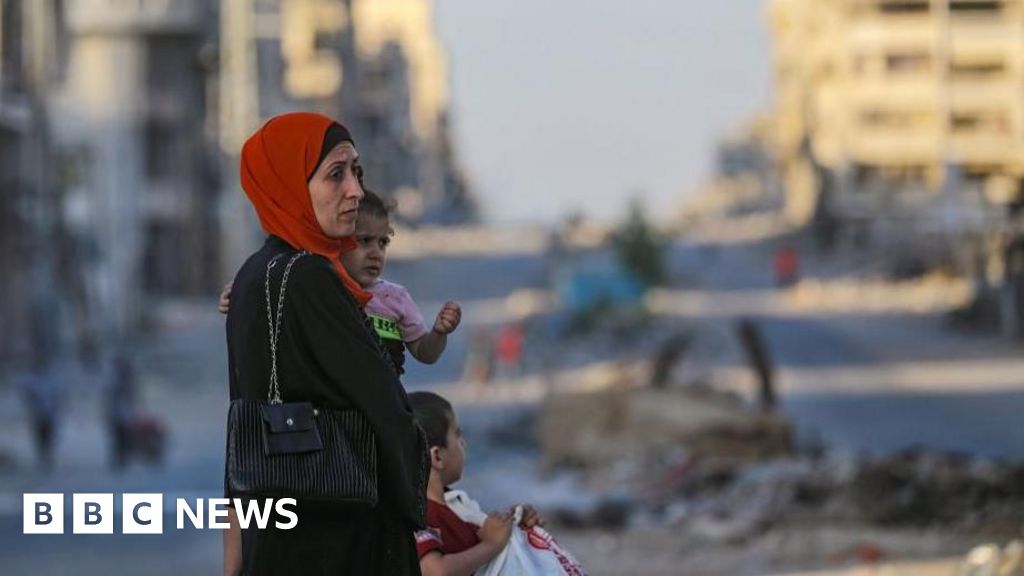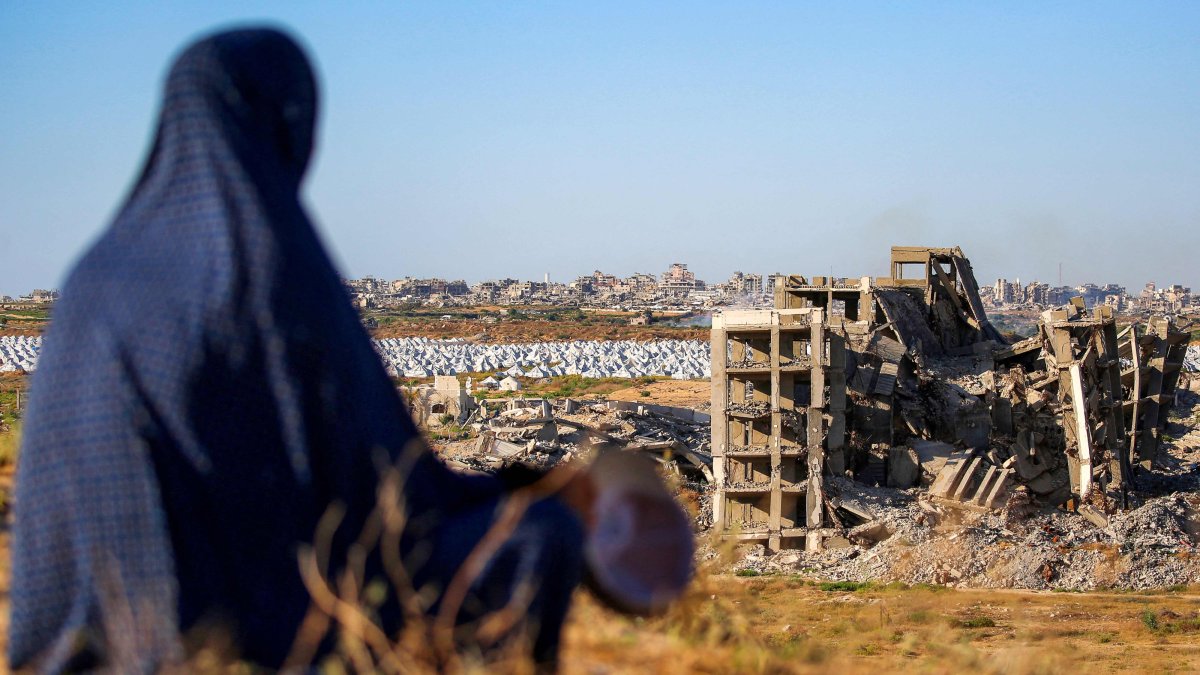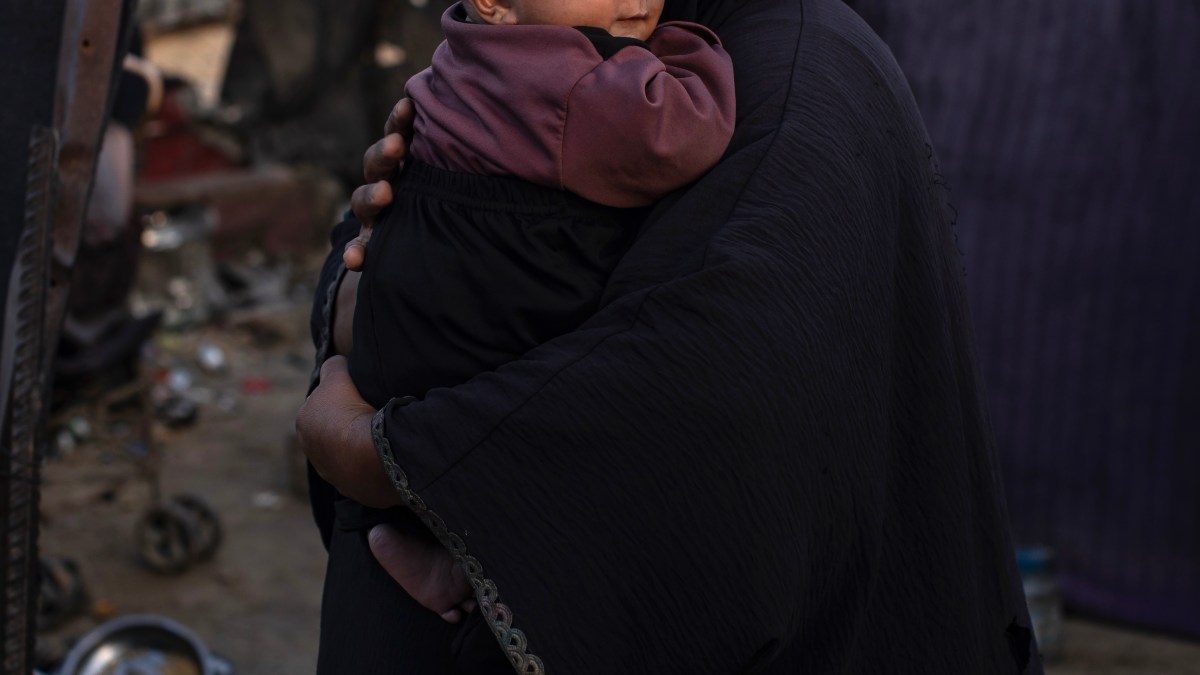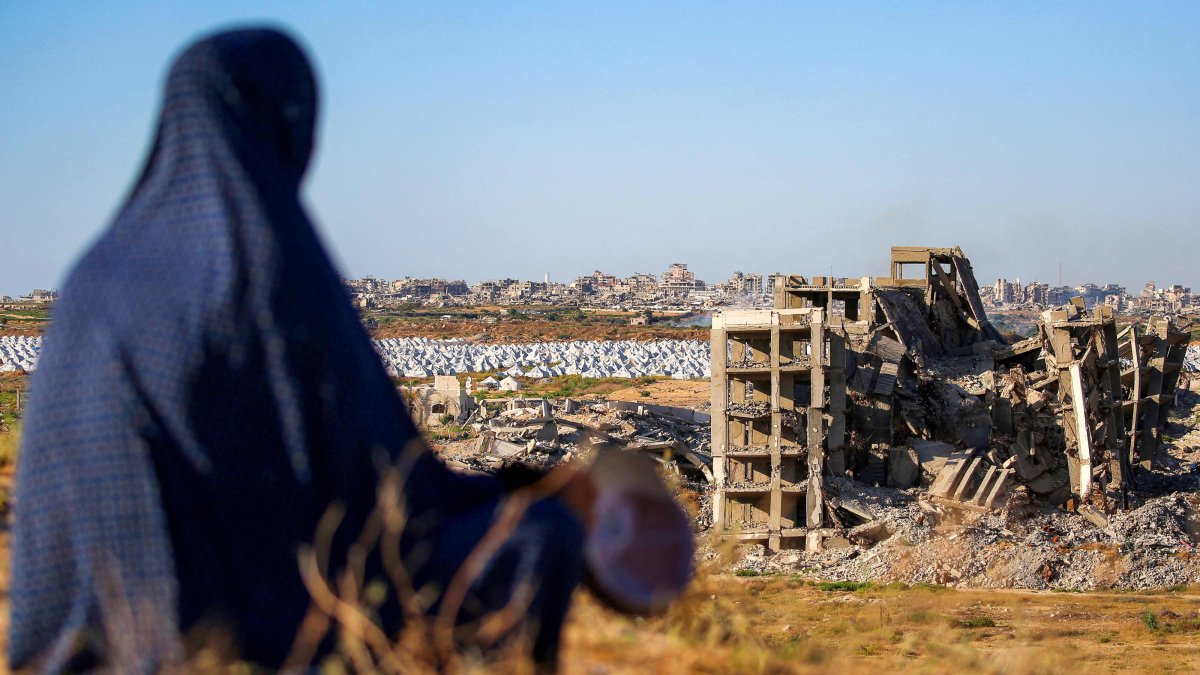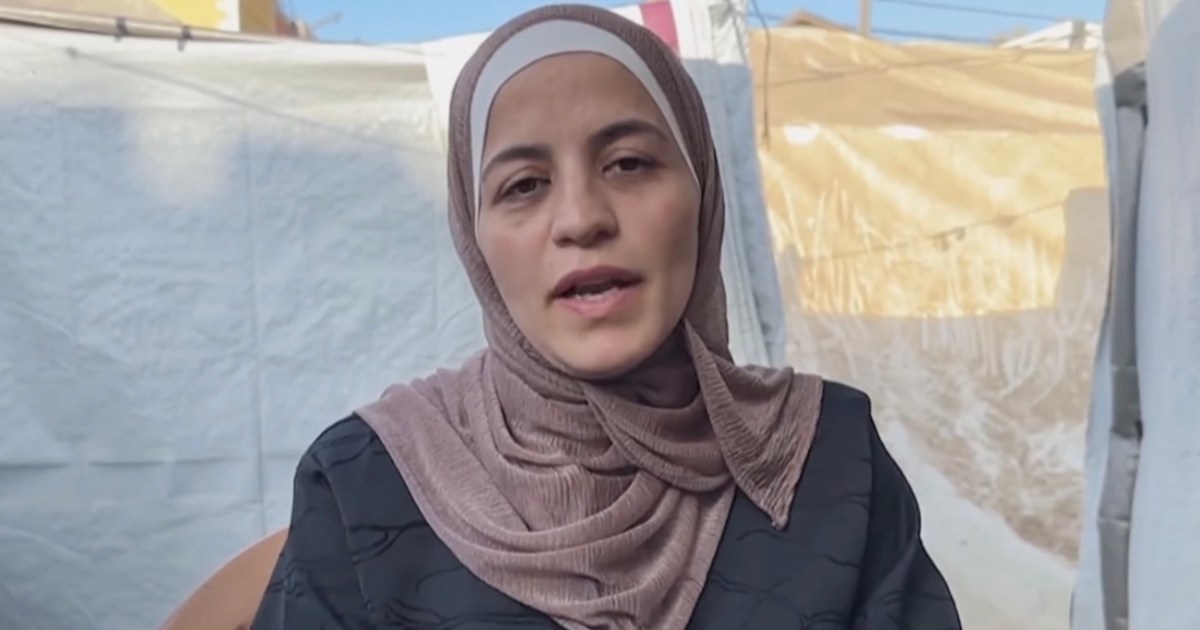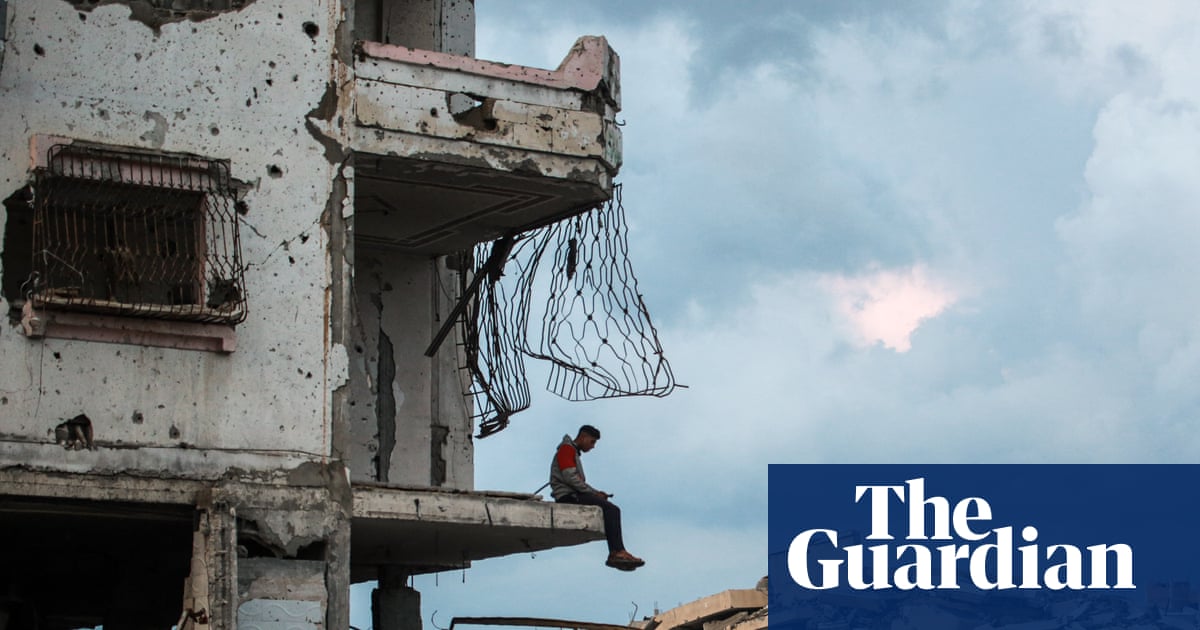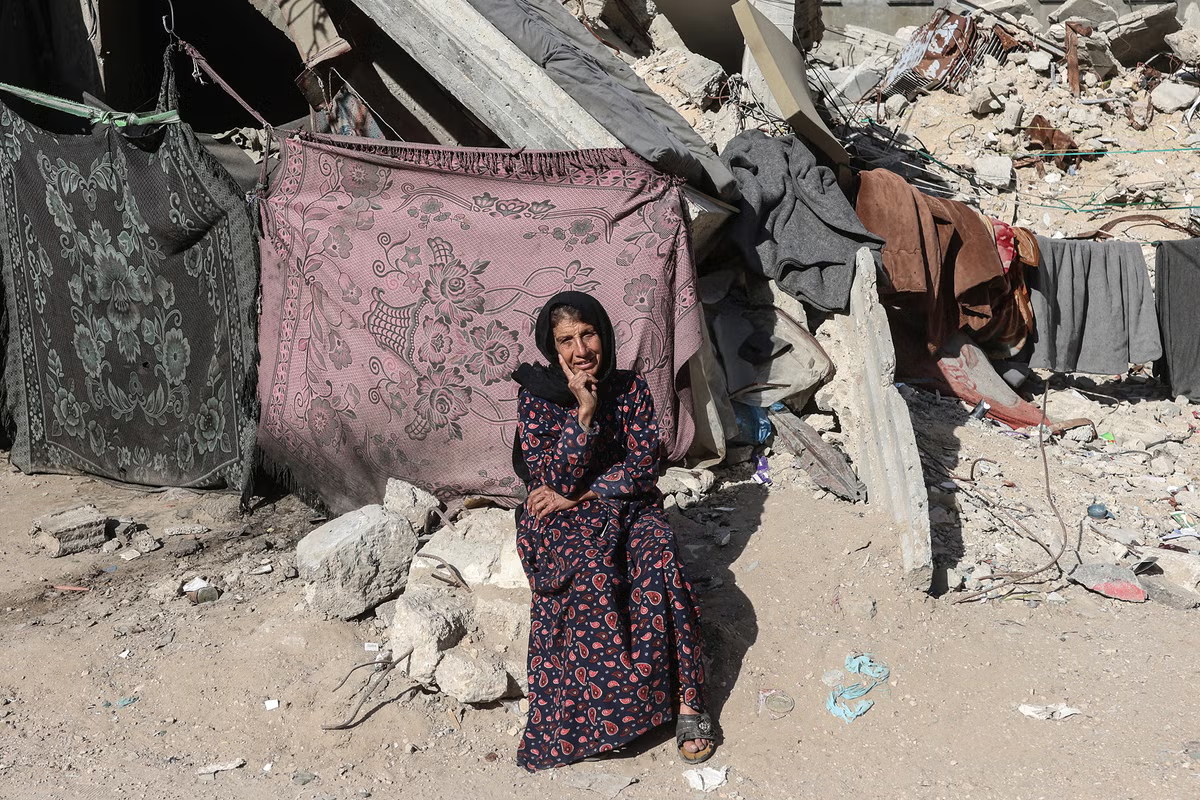
The lives of women in Gaza, already dramatically altered since the beginning of the war in October 2023, have been even more impacted since February, when Israel and the US launched joint strikes on Iran.It is no exaggeration to say that the past two and a half years of war have reshaped the social fabric of Gaza. More than 57,000 households are now headed by women, many of whom lost their husbands and suddenly became the sole providers for their families amid extreme poverty and danger. Access to healthcare has collapsed, leaving hundreds of thousands of women and girls with limited access to medical services, including thousands of pregnant women facing childbirth in dangerous conditions.According to UN Women, more than 28,000 women and girls have been killed; many of them mothers, leaving behind devastated families and motherless children. Meanwhile, nearly one million women and girls have been displaced, forced to flee their homes in search of safety. When Israel and the US launched strikes on Iran, Israel closed all crossings into Gaza. While some crossings have partially reopened, aid is restricted and insufficient, and food shortages and high prices are ongoing, keeping Gaza in a state of severe humanitarian crisis. These women share the challenges and suffering they have faced as a result.Life as newlywedsHala was 20 when she became engaged to the love of her life, Muhannad, in September 2025. The couple spent months preparing their future home together.Hala’s wedding to Muhannad happened after the ceasefire, but their life has still been rocked by strikes (Esraa Abo Qamar)“We chose everything together, paying attention to the details – the sofa, the carpets, the curtains, even the smallest decorations,” Hala says. “We wanted to build a warm home after everything we had been through during the war.”They were married on 26 December 2025, hoping the ceasefire would allow them to begin a peaceful life. But only two weeks later, they received a call, warning them to evacuate immediately. “We ran out of the house without thinking,” Hala recalls. “All our new belongings were still inside.” They believed they would return to their home again, but when they returned, they found nothing left. Their home had been completely destroyed after being struck by four missiles. The house of Hala and Muhannad after it was bombed (Esraa Abo Qamar)“When I saw the rubble, I couldn’t believe it,” she says. “The house we built with so much love disappeared in minutes. I thought marrying after the ceasefire would assure me a new, safe life with my husband but I was wrong; nothing here feels safe.”Pregnancy in wartimeHanaa, 25, got married during the war and became pregnant with her first child in 2024, during one of the hardest periods in Gaza. Much of the population at the time faced severe food shortages, and proper nutrition for pregnant women was extremely difficult to obtain.“Finding food was one of the biggest struggles and sometimes I would go to sleep hungry,” says Hanaa. “Even vitamins were unavailable, and many women like me suffered from anaemia because we couldn’t get the nutrition we needed.”Preparing for the baby was difficult. “I went to the market looking for baby clothes, but there was almost nothing,” she says. “The few things that existed were so expensive that I couldn’t afford them.”When she went into labour before dawn, another challenge appeared. “There was no transportation, and the security situation was very dangerous,” Hanaa recalls. “We had to call an ambulance, but ambulances were busy responding to bombings.”When she managed to get to the hospital, conditions were overwhelming. “The wards were full of injured people,” she says. “And they asked me to leave only a few hours after giving birth because there were no beds.”Fending for the family aloneDalia, 33, has four young children. Her eldest daughter, Dana, is 12; her youngest, Adham, is a year old. Their lives changed overnight when the family was forced to flee after the Israeli army stormed Tel al-Sultan in western Rafah. The attack left the area in ruins and dozens of Palestinian men were arrested without charge, including Dalia’s husband, Mohammad.“Everything happened so quickly,” Dalia recalls. “We had to leave our home without taking anything. My children were crying and asking what was happening, and I didn’t know what to tell them.”My children kept asking when their father would come back. I tried to stay strong, but inside I was terrifiedFrom that moment, Dalia found herself carrying the weight of the family alone. She moved from place to place with her children, eventually settling in a small tent where they lived through months of displacement and deep poverty when her youngest son was still just a few months old. Life in the tent was harsh, and Dalia rarely left it, focusing all her energy on caring for her young children and protecting them from the harsh realities around them.“Suddenly, I was responsible for everything. I had to play the role of the woman and the man at the same time,” she says. “Our living conditions were so terrible that some days we had nothing to eat. My children kept asking when their father would come back. I tried to stay strong, but inside I was terrified.”Following the ceasefire, after months of waiting, Mohammad was released. For Dalia and her children, it was the end of a long year of fear. Not everyone has been so fortunate.“When he was finally released after the ceasefire, it felt like life was returning to us again,” she says. “My children ran to hug him, and for the first time in months, I felt we could breathe again.”Dalia explains her fears about the rising tensions between Iran and Israel. “Whenever I hear about this on the news, my heart sinks,” Dalia says. “It takes me back to everything awful I lived before. I’m afraid my children will have to relive the same fear that we thought we had survived.”Losing a husband Haneen, 28, had been married to Mohammad, 35, for several years when she discovered she was pregnant in 2025. “We’ve been trying to have a baby for five years and it didn’t happen,” Haneen says. “When I told Mohammad I was pregnant, he was overwhelmed with happiness. He kept talking about the day our baby would call him ‘Baba’.”With the temporary end of fighting, Haneen and Mohammad began preparing for their baby. “Mohammad was especially happy when we learned the baby was a boy,” she recalls. “He even chose the name – Hassan – and bought him baby clothes.”They decorated the home, bought baby supplies, and imagined a future full of family, love, and security.Then tragedy struck one day when Mohammad was on his way to work and a nearby strike hit the area. Despite the recent ceasefire and the sense of safety it had brought, the dad-to-be was killed instantly.Haneen was left alone, carrying their unborn child. The joy of expecting a baby turned into sorrow as she was left facing motherhood without the father of her child.“Now I am waiting for my child to be born without his father,” Haneen says. “My son was orphaned before even coming into the world.”A mother’s lossRaghda, 50, is a mother of four sons and four daughters. In 2024, her home was bombed without warning.“In a single moment, I lost two of my sons,” Raghda says. “We were all gathered in the house, planning for the wedding of my daughters, who were both newly engaged, when suddenly a missile hit the home.”File. A woman stands in the doorway of a damaged building in the northern Gaza Strip (Middle East Images)Raghda survived, but her sons Ibrahim and Ahmad didn’t. The attack also killed the fiancés of two of her daughters.“I used to dream of seeing my sons and daughters married, and of holding my grandchildren,” she says. “All those dreams disappeared with them. No mother should ever have to bury a piece of her heart like this.”An elderly motherIktemal, 67, is a widow who struggles with diabetes, high blood pressure, and asthma and has faced hardship most of her life. A mother of seven daughters, all married with children of their own, Iktemal once found joy and strength in her home, where she gathered her family, shared memories, and cared for her grandchildren.When the Israeli occupation took control of Rafah, Iktemal was forced to leave her home. She now lives in a small tent in the town of Al-Mawasi.“My house held all my memories,” Iktemal says. “I raised my seven daughters there; I saw them grow, learn, and marry in that house.”Now her daughters live in separate tents.Iktemal’s house, in which she raised seven daughters, after it was bombed by Israel (Esraa Abo Qamar)“I rarely see them now as each one has her own suffering to deal with every day,” she says. “Sometimes I sit alone and remember the days when our home was filled with the voices of my daughters and grandchildren. I used to invite them all to have lunch together to enjoy the sound of their laughter. I lived in that house for more than 30 years; it had witnessed all my moments and memories since I was a young woman. Seeing it in rubble aches my heart.”Her daily life is now a struggle. Her health conditions make simple tasks exhausting, and the lack of proper care and support adds to her suffering. She longs for the home that once held her family together and mourns not only her lost memories but also the warm gatherings that her family home once provided.Holding on to education and independence Khetam, 30, is a divorced mother of two young children, Ahmed, nine, and Youssef, seven. She lives alone with her children in a small tent. Despite the dangers around her, she ventures out daily to work with different organisations as a psychological counsellor, helping those affected by the war while providing for her family.“I refused to let my children feel defeated by the war. I want them to have a future,” Khetam says. “I want them to see that even in the hardest circumstances, we must keep moving forward. I’m ready to work hard day and night to provide for my children and make them happy again.”Khetam applied for scholarships abroad to continue her education and was awarded a full scholarship to pursue a master’s degree online. She now balances work, study, and raising her children alone, embodying the resilience and courage of women in Gaza. Khetam studying in her tent for her master’s exams (Esraa Abo Qamar)“This scholarship means hope for me,” she says. “It reminds me that our lives don’t end because of war. I can still learn, work and be an inspiring mum; no matter what they do, I’ll never give up trying.”At the same time, Khetam explains her growing fears from the recent situation between Iran and Israel.“As a mother, I worry about what could happen next,” Khetam says. “When I hear about the tensions between Iran and Israel, I fear that the situation in Gaza could become even worse. I’m trying hard to make up for my children for what they lived in the past two years, but if the situation here escalates, I don’t know what I would do to survive again.”Rebuilding from scratchNour, 36, is an English education graduate and mother of twins, Sara and Bassam. During the war, she spent six months working as a journalist, covering the situation in Gaza. “Those six months were among the hardest in my life,” Nour says. “I had to leave my children behind while reporting on what was happening in Gaza. As a mother, that was incredibly painful.”Before the war, Nour had built a cosmetics business called Rouh, which she launched online in 2015. As her following grew, she opened a small store in Gaza and eventually expanded, establishing a centre in 2022 in the Al-Rimal area.Nour’s cosmetics store, Rouh, in 2023, before it was bombed (Esraa Abo Qamar)“Rouh was never just a store for me,” Nour explains. “It felt like a small community for women in Gaza. I cared deeply about every detail of it.”Tragically, during the war, her store was bombed and burned. “When I saw what happened to the store, I felt heartbroken,” she says. “I had built it step by step with my own effort, and losing it affected me deeply.”Despite the destruction, Nour is determined to rebuild. She has returned to running Rouh online, and feels a responsibility to continue providing the products her customers rely on and refuses to give up on her dream.“I know it will be difficult to start again,” she says. “But I felt that I had a responsibility to come back, and I will not give up on my dream, even if I have to rebuild everything from zero. No matter what happens, we must hold on to our dreams, rebuild when things fall apart, and keep moving forward.”
‘My home held all my memories’: How war has changed the lives of women in Gaza
With new pressures on life in Gaza from Israel’s continued strikes and renewed tension in Iran, Esraa Abo Qamar talks to eight women about how the past two years have scarred them, their families, and their livelihoods
2,150 words~10 min read