The poster child of the AI boom, valued at $850bn, needs to show strategic discipline after ‘casting its net too wide’
If OpenAI is going to float this year, it has to get serious about its business model. The wow factor around the US company – the poster child of an AI industry boom that has stoked fears of a stock market bubble – has been long established, but when will the profits come? The party can’t go on for ever.
The developer of ChatGPT is one of the biggest startups in the world and is now valued at $850bn (£645bn). Meanwhile, it is reportedly spending $600bn on infrastructure (the amount it invests in datacentres and chips to power its AI models) by 2030. At least this is a reduction on an initial estimate of $1.4tn.
Despite the slimmed-down spending plans, the startup is nowhere near being profitable. In fact, if things stay as they are, it will burn through half a trillion dollars by the end of the decade. Boosters may point out that Uber, for example, spent billions before turning a profit – but that was $30bn, not $600bn.
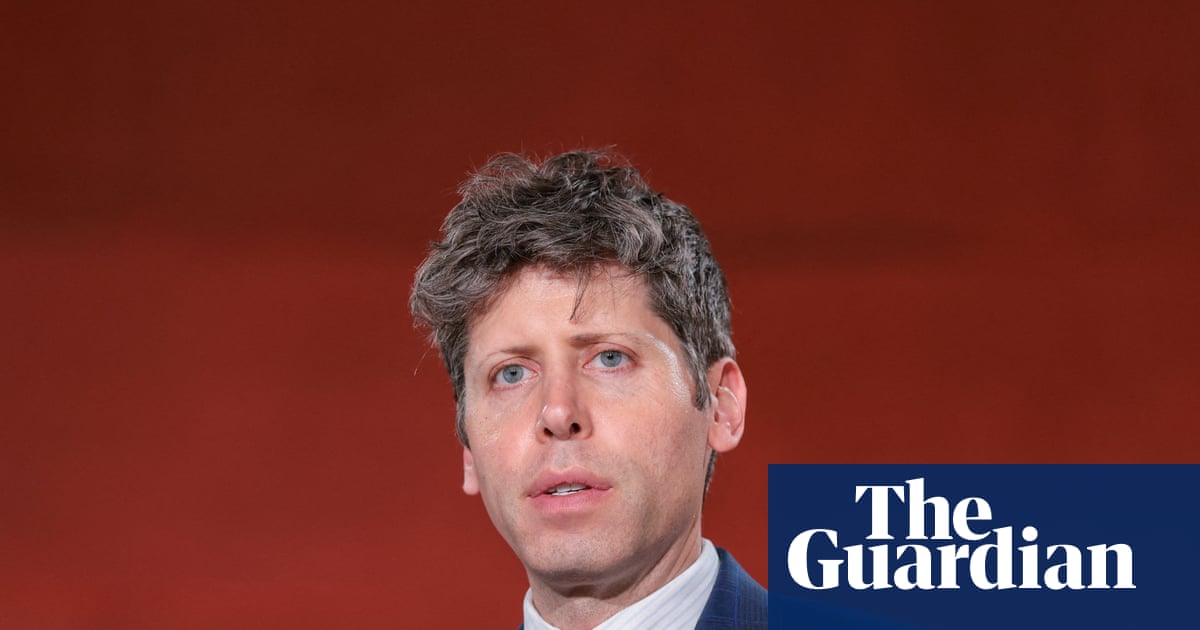
OpenAI, led by Sam Altman, its chief executive, appears to be making decisions fast, as a market reckoning of sorts approaches with a mooted flotation towards the end of this year. Three areas of its business have been jettisoned in the past month; one more has been proven to offer lacklustre promise at best.