As ties with Washington sour, China is reviving a cold war strategy to defend against a US attack
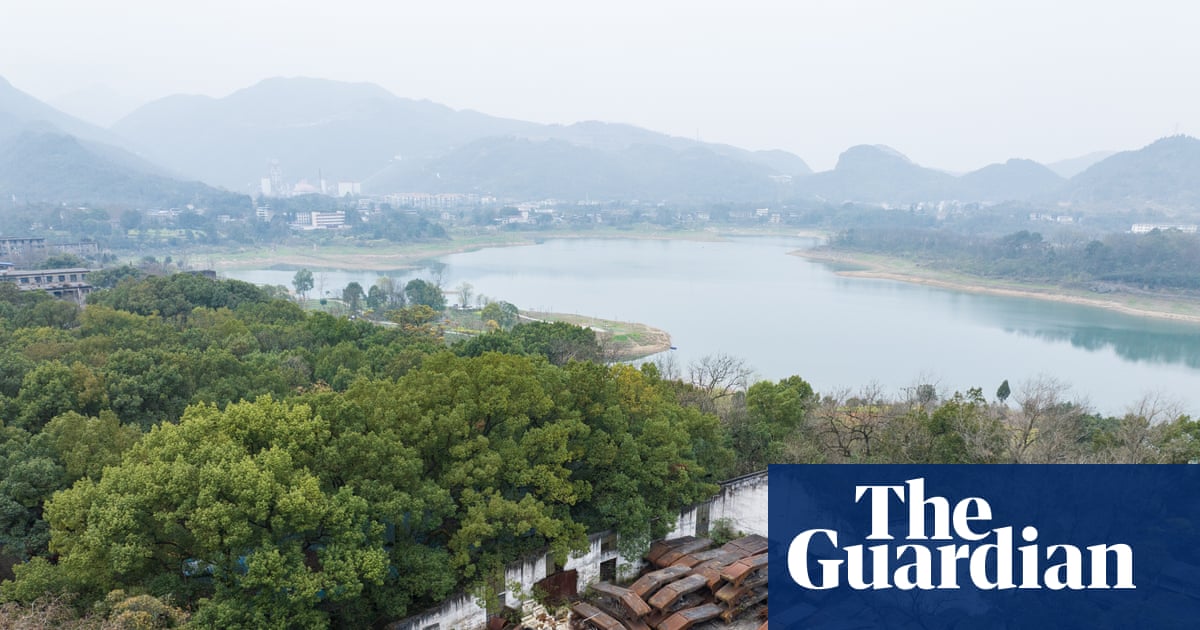
Dotted across the mountainous roads of Sichuan and just a few hours’ drive from some of China’s most bustling cities, the crumbling ruins of an abandoned military experiment are eerily quiet.
Top secret factories that once housed thousands of workers are now overgrown with vegetation; nearby villages, empty of young people who were once shipped in from across the country to build China’s future, are plastered with advertisements for hearing aids and, in once case, a bundle deal on coffins.
Millions of workers were deployed to these remote mountain locations as part of a huge defence program that stayed secret for over a decade.
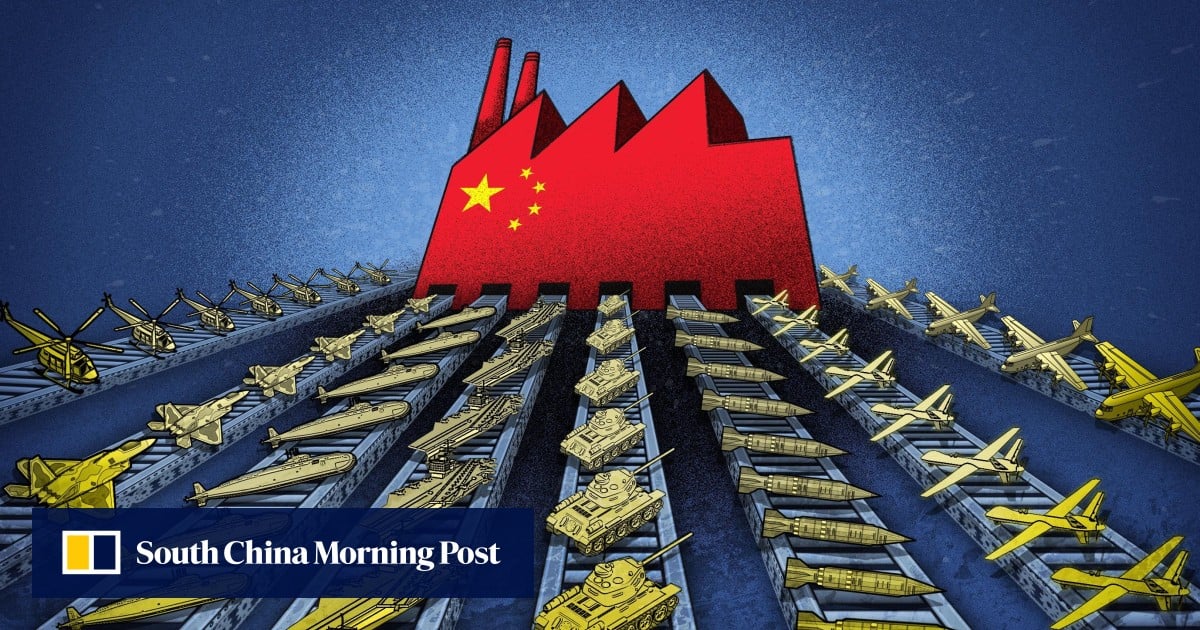
The factories in south-west China were once part of its grandest industrial strategy project to date. Launched by Mao Zedong in 1964, the ambitious national defence program mobilised 15 million people to fortify China’s defences against the possibility of an attack from its cold war enemy, the United States, or from the Soviet Union, whose relationship with China was becoming increasingly strained. It attracted more than 200bn yuan of government investment, and took place nearly entirely in secret for around 15 years.