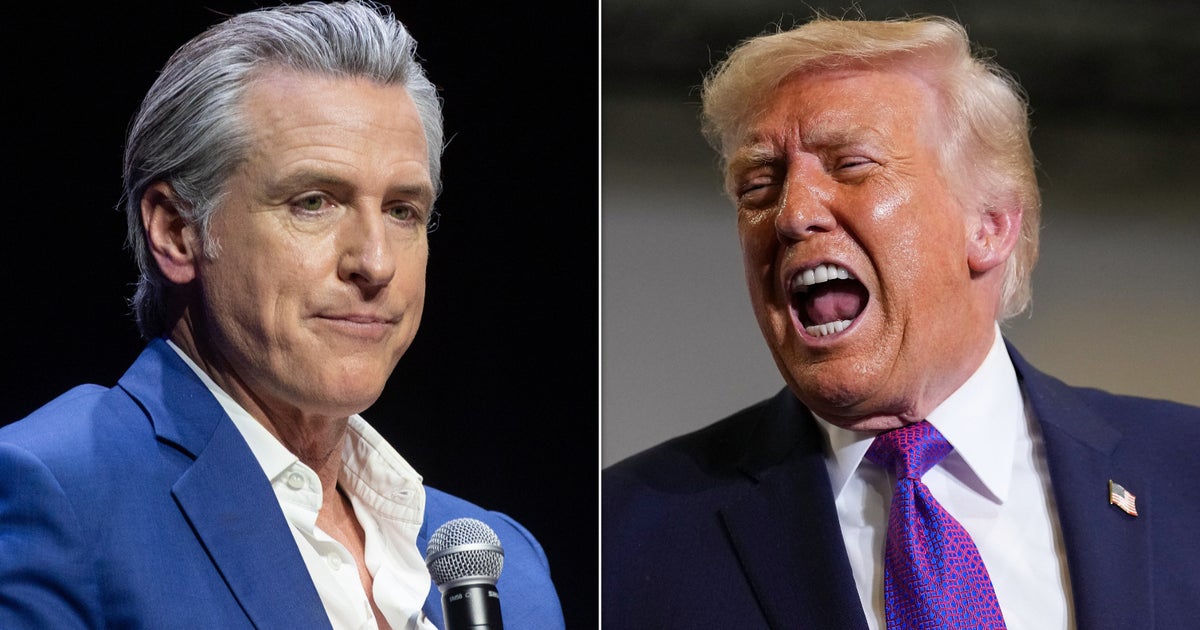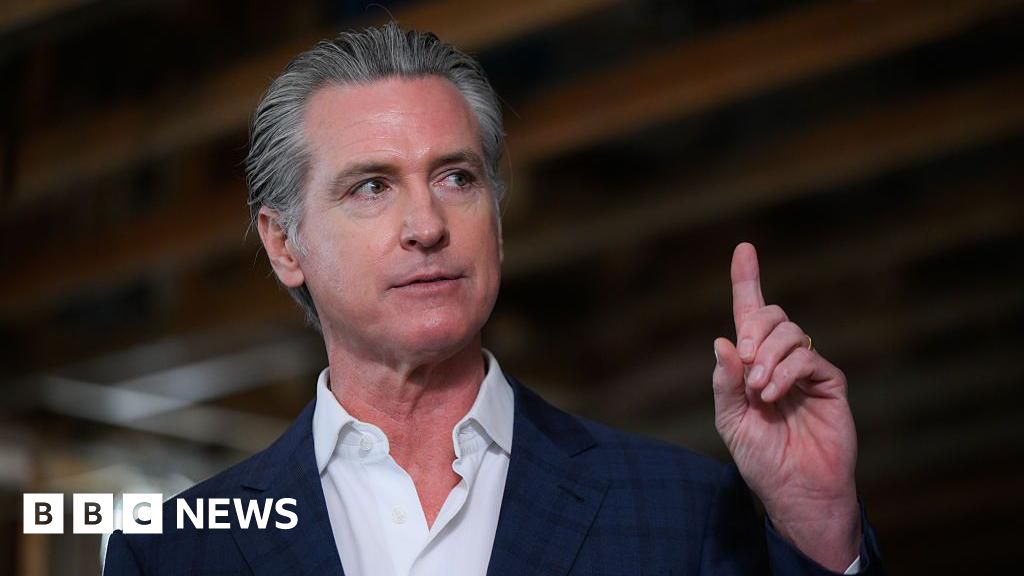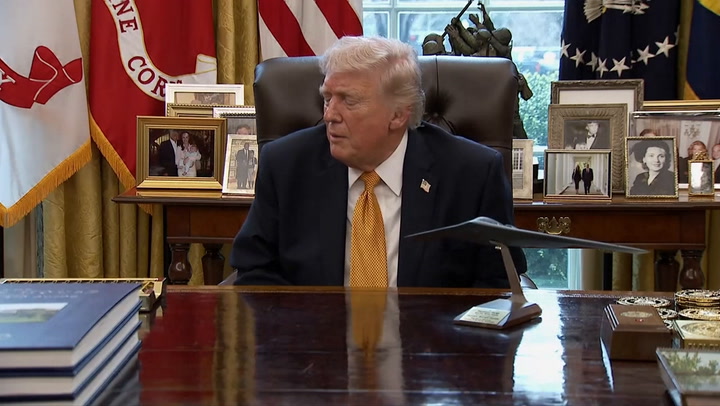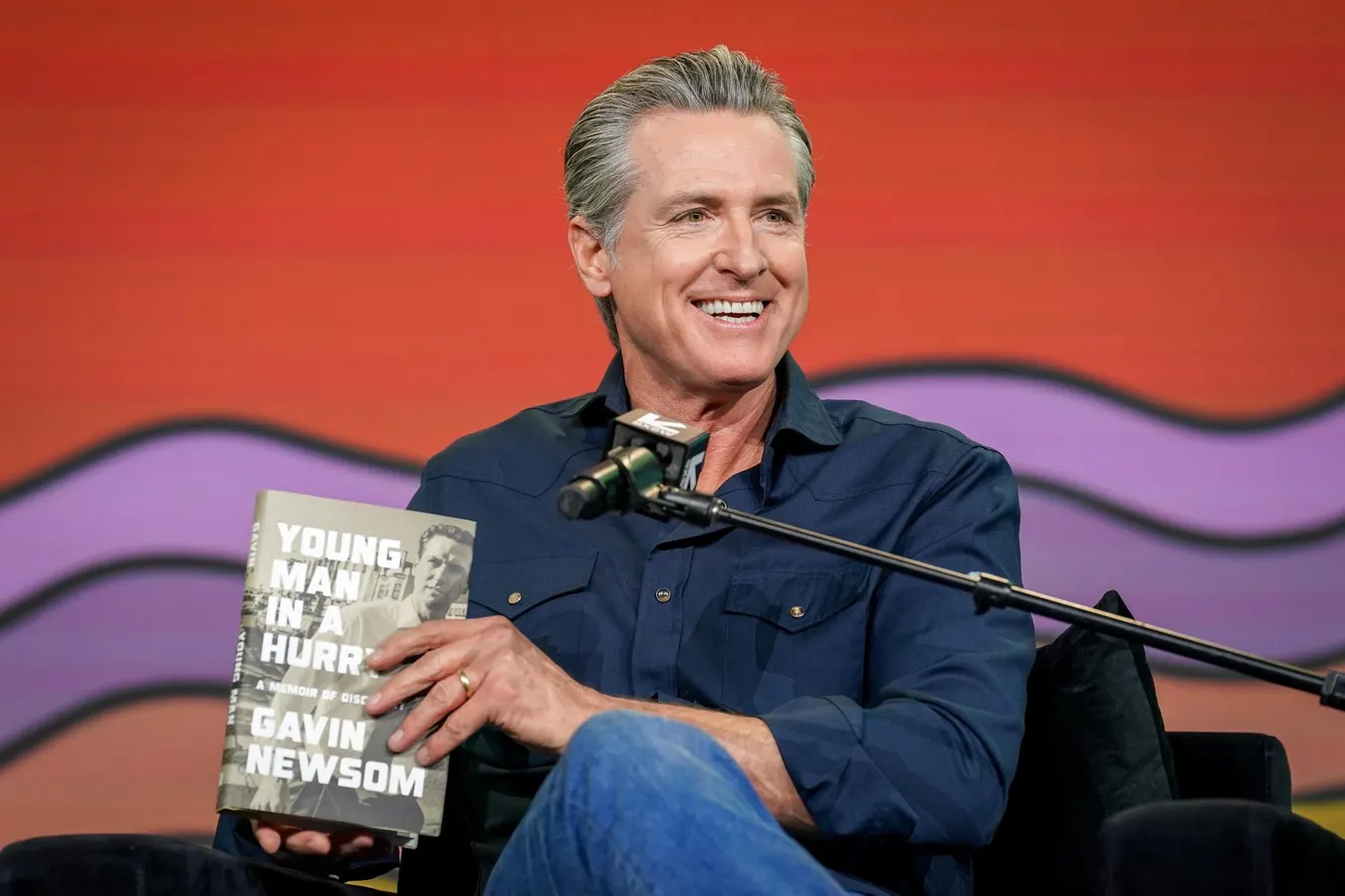
AUSTIN, TEXAS - MARCH 15: Gavin Newsom speaks onstage during the "Networth And Chill" featured session during the 2026 SXSW Conference And Festival at Hilton Austin on March 15, 2026 in Austin, Texas. (Photo by Julia Beverly/WireImage)WireImageIn his memoir Young Man in a Hurry, California Governor Gavin Newsom describes the challenges he faced growing up with dyslexia — struggling to read, falling behind in school and being underestimated early on. That same child would go on to lead the most populous state in the U.S. His story is not an exception; it is a reminder of how often dyslexia is misunderstood, missed or mistaken for a lack of ability. I have cared for many children and adults with dyslexia. Some were labeled as lazy or diagnosed with attention deficit hyperactivity disorder, only to be diagnosed with dyslexia much later in life. I recall one family that, upon finally receiving the diagnosis, expressed both relief and regret, realizing for many years they had mistaken a learning difference for a lack of motivation. This represents a missed opportunity, one that can widen the achievement gap when individuals do not receive the support needed to reach their full potential.Dyslexia is not a mental disability, it is a neurobiological difference in how the brain processes written language. It leads to difficulty with reading and spelling despite average or above-average intelligence.“When you have dyslexia, your brain takes longer to make some of these connections, and does it in more steps," the Yale Center for Dyslexia and Creativity explains. "It especially has trouble matching the letters you see on the page with the sounds those letters and combinations of letters make.” This reflects a difference in processing—not a deficit in intelligence.1. Dyslexia Is Not About IntelligenceDyslexia is common—and frequently overlooked. It is a difference in language processing, not ability, yet many children go unrecognized and fall behind. With early identification and evidence-based intervention, outcomes can improve dramatically. (Jason Fochtman/Houston Chronicle via Getty Images)Houston Chronicle via Getty ImagesMORE FOR YOUDyslexia is not a reflection of intelligence. It exists across the full spectrum of ability, and many individuals with dyslexia excel in school, careers and leadership.The more persistent problem is misinterpretation. Reading difficulty is often attributed to inattention or lack of effort, delaying appropriate support. Dyslexia is also frequently reduced to letter reversals, when in reality it reflects a deeper difference in language processing.As the National Center for Learning Disabilities has noted, “Learning disabilities, including dyslexia, affect how the brain processes information. They do not reflect a person’s intelligence, judgment, or ability to lead. Every day, individuals with learning differences serve as leaders across fields, including public service.”“People with learning disabilities have risen to the upper echelon of every public office in the U.S., including former presidents,” said Jackie Rodriguez, CEO of the NCLD. Some accounts have suggested that several U.S. presidents — including Thomas Jefferson and Woodrow Wilson — may have had learning differences consistent with dyslexia, though formal diagnoses were not possible at the time. President Dwight D. Eisenhower has also been described as having a learning disability. While retrospective labels should be used with caution, these examples reinforce a central point: difficulty with reading does not define intelligence, capability or leadership potential.This misunderstanding persists even at the highest levels of public discourse. As Jennifer Siebel Newsom recently stated following remarks by President Donald Trump that her husband isn’t fit for the presidency because of his learning disabilities, "suggesting that someone with dyslexia or any learning difference for that matter is somehow less capable of leading or achieving is extremely ignorant and offensive.”Public figures across fields have also spoken openly about dyslexia. Harry Belafonte described struggling with reading as a child before becoming an internationally recognized artist and humanitarian. Others, including Anderson Cooper, Steven Spielberg and Richard Branson, have shared similar experiences. In medicine, Delos Cosgrove, a renowned cardiac surgeon and former CEO of the Cleveland Clinic, has spoken about his dyslexia and how it shaped his approach to problem-solving. 2. Dyslexia Is Common — and Often MissedWhen dyslexia goes unrecognized, children may feel frustrated, discouraged and even embarrassed. Early recognition by parents and teachers — and timely intervention — can transform outcomes and restore confidence.gettyDyslexia is far more common than many realize, affecting approximately 5% to 17% of school-aged children, with broader estimates suggesting up to 10% to 20% of the population may be affected. It is widely considered the most common cause of reading, spelling and language-based learning difficulties and affects individuals of all genders and backgrounds equally. Importantly, an estimated 80% to 90% of children with learning disabilities have dyslexia, making it the most prevalent learning disability.Yet it is frequently overlooked, particularly in children who compensate or are mislabeled as unmotivated. Many individuals with dyslexia are fast, creative thinkers with strong reasoning abilities, able to grasp complex ideas even as they struggle with reading, an imbalance that can mask the underlying difficulty.The earliest signs are typically language-based, not reading-based. These include difficulty recognizing rhymes, trouble breaking words into sounds, delayed speech development and challenges learning letter-sound relationships. In the classroom, children may avoid reading aloud, rely on memorization or struggle with unfamiliar words. Too often, these signs are dismissed as normal variation or lack of effort.For parents and teachers, the clues are often subtle. A child may guess at words rather than sound them out, read accurately but very slowly, or show inconsistent spelling, even with familiar words. Many are bright, curious and articulate, which can further obscure the underlying issue. When a child is working hard but not making expected progress in reading, it should prompt a closer look.These experiences highlight how differently dyslexia can be recognized. Cooper shared that an elementary school teacher recognized subtle signs that led to his diagnosis, while Spielberg was not diagnosed until age 50. Receiving the diagnosis later in life helped him better understand the challenges he faced as a child, he said.Dyslexia frequently coexists with other conditions, such as ADHD and language-based disorders, which can mask or amplify its presentation. Comprehensive evaluation is often necessary to fully understand a child’s learning profile.3. Early Intervention Changes OutcomesEarly recognition of dyslexia allows for timely, multidisciplinary support — combining educators, specialists and families. When appropriate, individualized education programs provide targeted interventions that can significantly improve academic outcomes and confidence.gettyEarly identification of dyslexia can alter a child’s trajectory. In early childhood, the neural circuits that support reading are still developing. Targeted, structured literacy interventions are most effective during this period, leading to stronger and more durable gains.If dyslexia is suspected, several steps can help:Comprehensive evaluation by a neuropsychologist or school psychologistStructured literacy intervention from a trained reading specialistSpeech-language evaluation when language processing is a concernChildren benefit most from a coordinated, multidisciplinary approach, as seen in districts like the Chappaqua Central School District, where structured, evidence-based supports are integrated into the classroom and individualized education programs, when appropriate, help tailor interventions to each child’s needs.Early identification and intervention matters because it:Leverages brain plasticityPrevents widening academic gapsReduces mislabelingProtects confidenceImproves long-term outcomesThe Bottom LineDyslexia is not a measure of intelligence or effort. It is not simply seeing letters backward and it is not something a child will outgrow. It is not caused by poor teaching or parenting, and it is far from rare. Simply asking a child to read more will not make it go away — the right support can change a child’s trajectory.Many children are identified only after they have already fallen behind. Without recognition, children fall further behind, sometimes even repeating a grade, while the underlying learning difference remains unaddressed.Dyslexia is common, identifiable and treatable, but our systems are not consistently designed to act early. Greater public awareness increases the likelihood that parents and teachers will recognize early signs and help children get on the path to success.Recognition must be followed by action. Dyslexia does not limit potential — but failing to recognize and intervene does.
3 Things You Should Know About Dyslexia — A Neurologist Explains
Dyslexia is common and not tied to intelligence. Early recognition and targeted intervention are key to unlocking potential and preventing long-term academic gaps.
1,317 words~6 min read