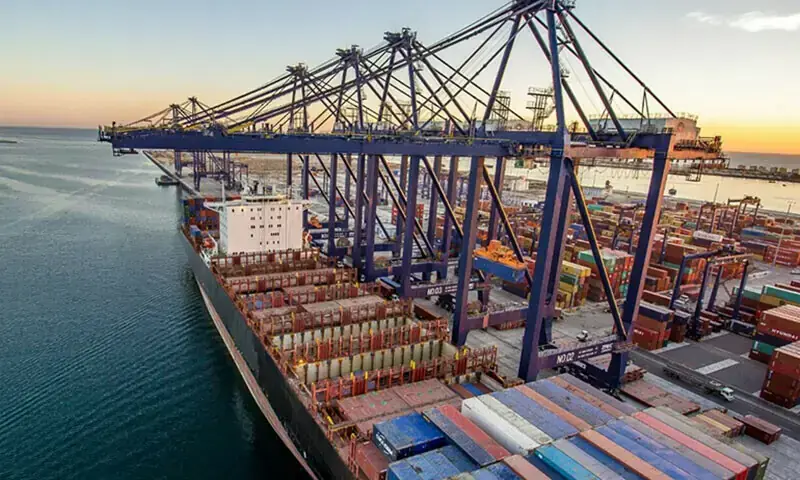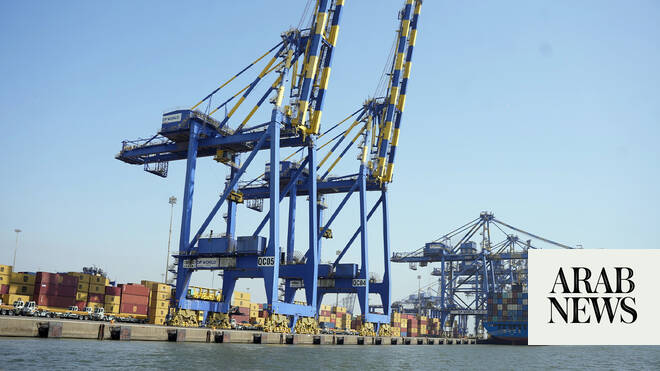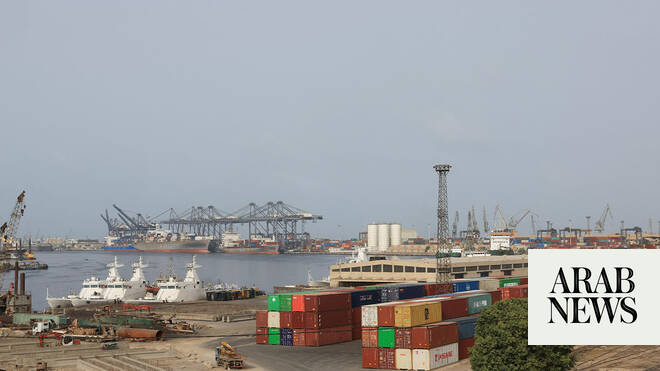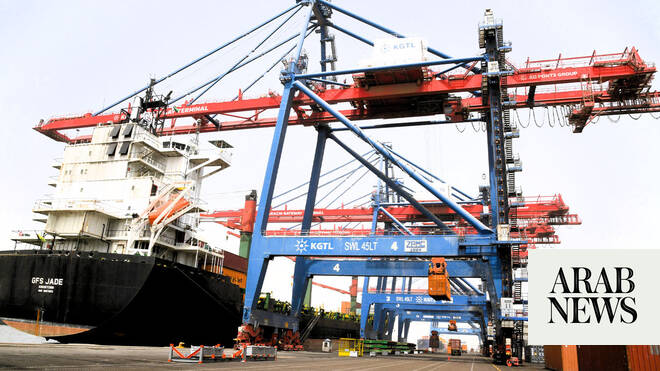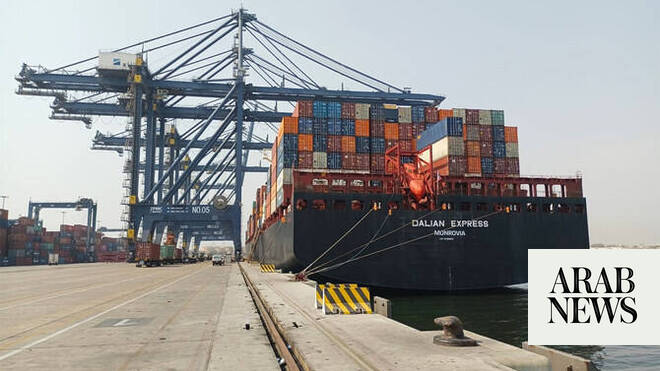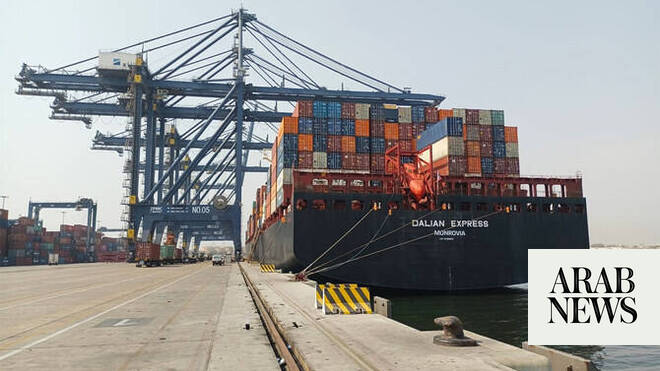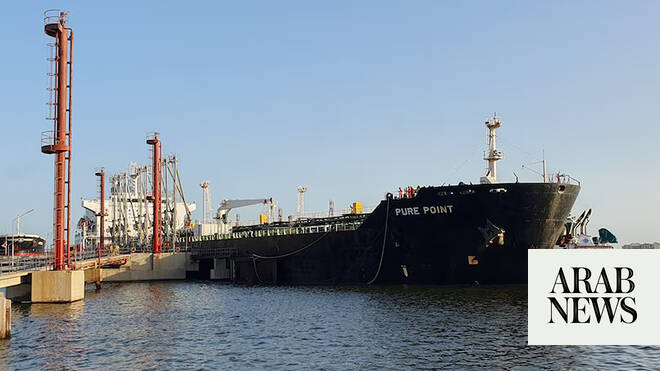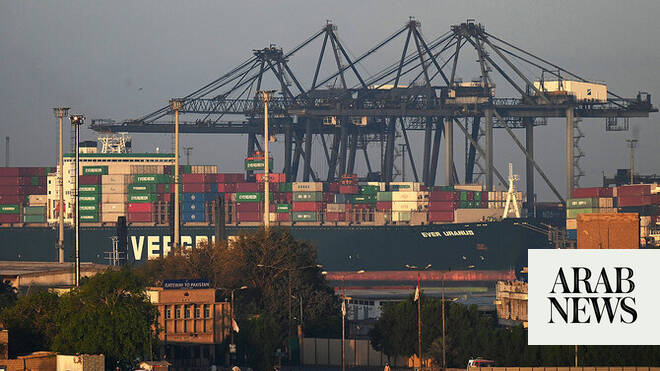
KARACHI: Pakistan is seeing a “modest” increase in transshipment activity as shipping disruptions across the Arab Gulf force global carriers to reroute cargo, with analysts and industry stakeholders saying the uptick offers limited but notable gains.
Pakistan last week revised its international transshipment rules, which shipping line representatives say now permit the handling of transshipment cargo both within and outside Pakistan’s sea and air ports.
The move came as global shipping lines grappled with mounting disruptions across key Middle Eastern routes, particularly through the Strait of Hormuz, a critical artery for global trade that has been blocked by Tehran.
The war, which began with US-Israeli strikes on Feb. 28, has already pushed up oil and gas prices and heightened risks for shipping across Gulf waters, prompting logistics companies to reassess routes and rely more on ports outside the conflict zones.
“We told the government that all, Dubai, Salalah and the Middle Eastern ports, are closed. Shipping lines are all worried,” Pakistan Ship’s Agents Association (PSAA) Secretary-General Syed Tahir Hussain said, adding the Pakistani government changed rules to allow storage of transshipment goods, including containers, bulk, break bulk or liquid cargo, in bonded areas, off-dock terminals and other places to avoid congestion.