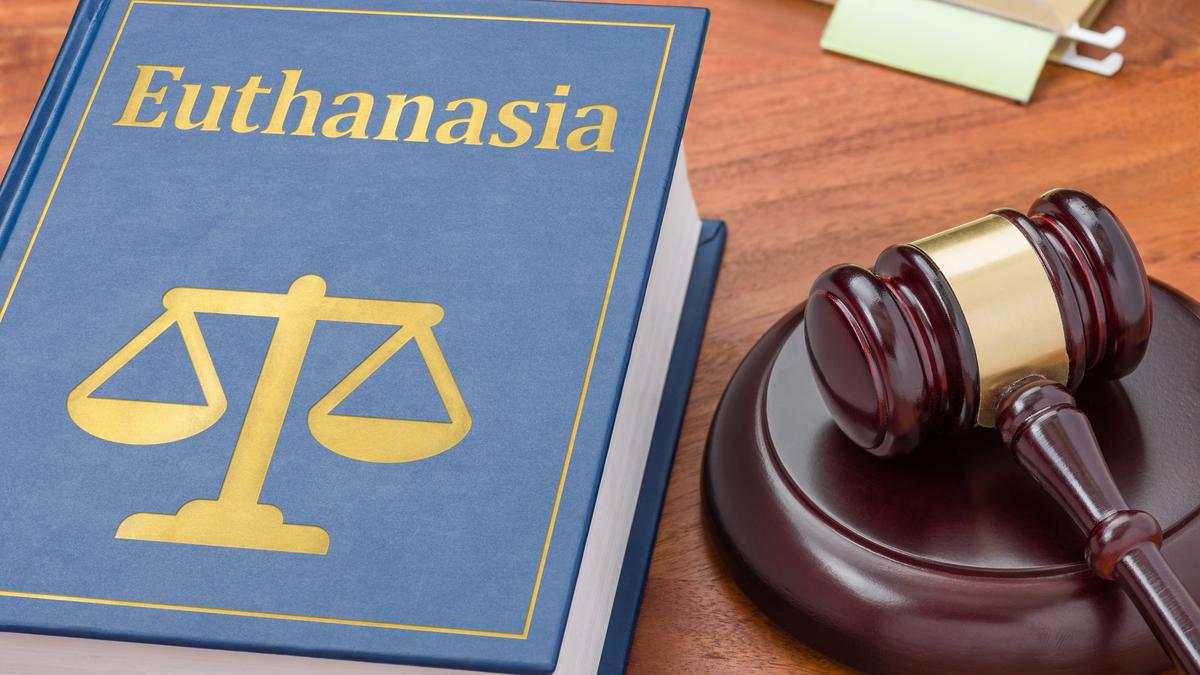
The recent judgment by the Supreme Court in the Harish Rana v. Union of India (2026) case has raised questions regarding the ethical, legal, and social implications (ELSI) of passive euthanasia. Euthanasia is related to the right to die with dignity, which was recognised by the Supreme Court in Common Cause v. Union of India (2018). The court held that the right to die with dignity is inseparable from the right to receive quality palliative care. Hence, in the Harish Rana case, the court, for the first time, allowed the withdrawal of the applicant’s Clinically Assisted Nutrition and Hydration (CANH).
The court had held in the Common Cause case that the right to die with dignity is an integral part of the right to life under Article 21 of the Constitution. Allowing passive euthanasia and recognising the Advance Medical Directives (living wills) for terminally ill patients to refuse life-prolonging treatment was laid down in Aruna Shanbaug v. Union of India (2011). Following this, in Common Cause v. Union of India (2023), the court streamlined the process of passive euthanasia, making its implementation easier.
In the new guidelines, the court changed the requirement for two medical boards, a hospital board and a district-level board, refining it to make the process smoother, and mandatory immediate judicial oversight in every case was removed. While addressing advance directives (living wills), the court emphasised patient autonomy, allowing individuals to refuse life-sustaining treatment and die naturally with dignity.