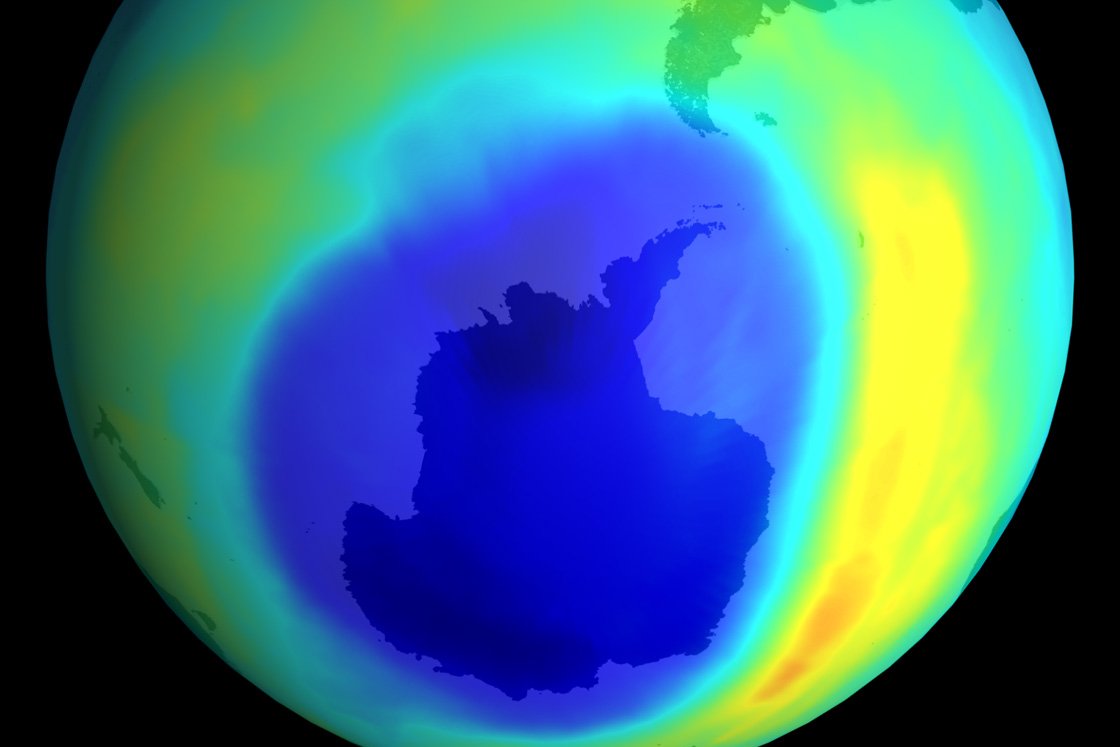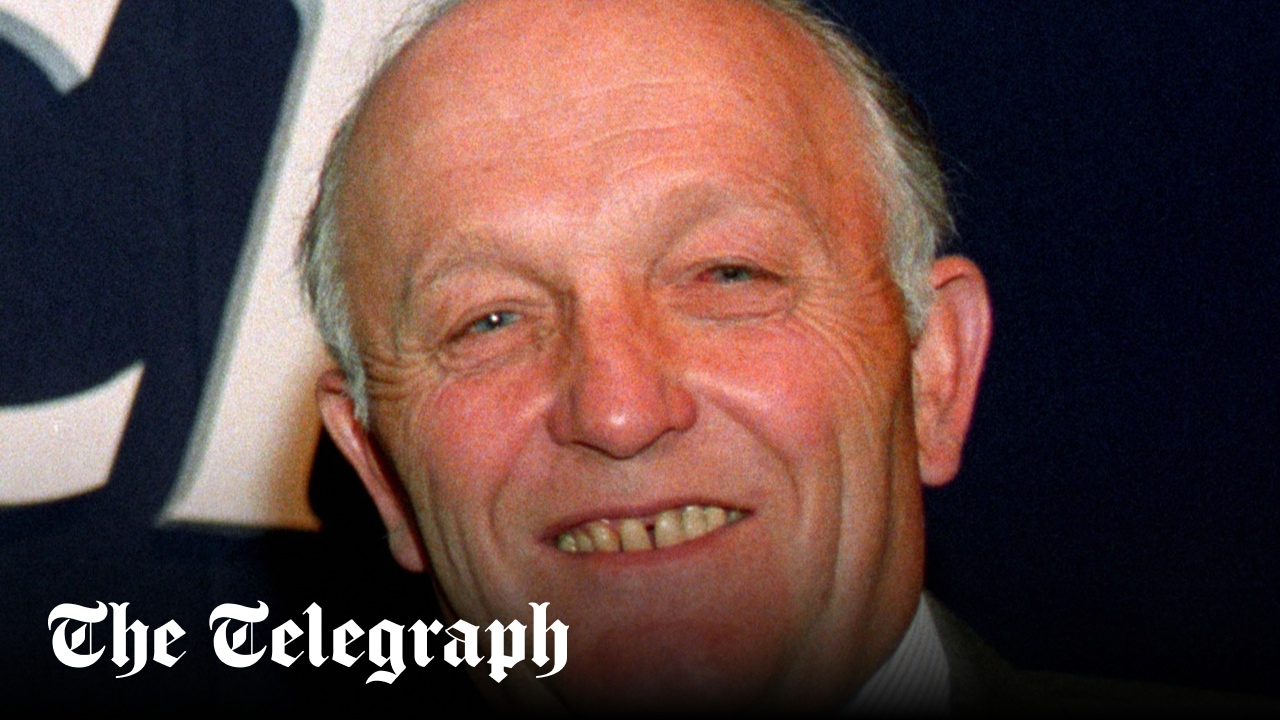
Atmospheric chemist whose laboratory work helped to identify the causes of acid rain and the hole in the ozone layer
Stuart Penkett’s discovery of the chemical processes that cause acid rain transformed our understanding of atmospheric pollution and what was required to deal with it.
Penkett, who has died aged 87, and his colleagues at the Atomic Energy Research Establishment (AERE) in Harwell, Berkshire, published a landmark paper in 1979 in the journal Atmospheric Environment, identifying how sulphur dioxide, primarily emitted from industrial sources, is converted into sulphuric acid in clouds that subsequently falls as rain.
Acid rain had been causing significant environmental harm throughout the 20th century, devastating aquatic ecosystems and forests, as well as damaging infrastructure throughout Europe and North America, where chemicals concentrated in the atmosphere above industrialised areas.
Later, while based at the University of East Anglia (UEA) in Norwich in the 1980s, Penkett worked on understanding the processes that produce and destroy ozone in the Earth’s atmosphere. His measurements helped identify the role being played by chlorofluorocarbons and other ozone-depleting substances (ODSs) and would contribute significantly to the successful implementation of the 1987 Montreal Protocol, the international treaty designed to protect the Earth’s ozone layer by phasing out the production and emission of ODSs.