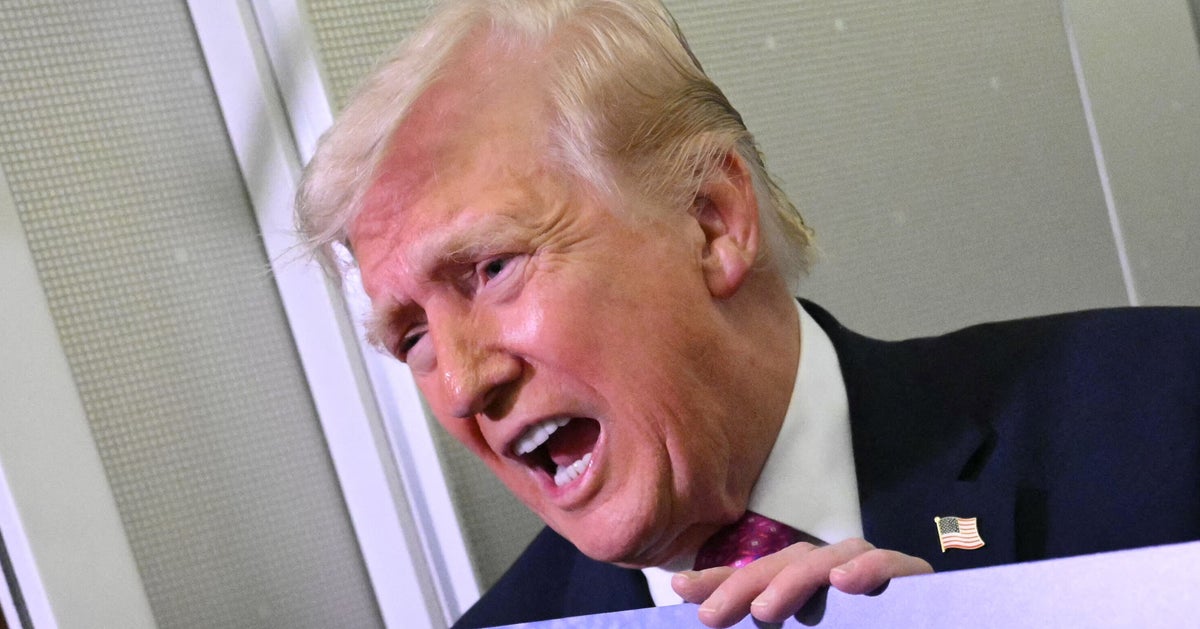
If you’re a seasoned consumer of the various communications from President Donald Trump, you’re familiar with his ol’ razzle-dazzle speaking style. Even if the sentences aren’t totally complete, he leaves a lasting impact.
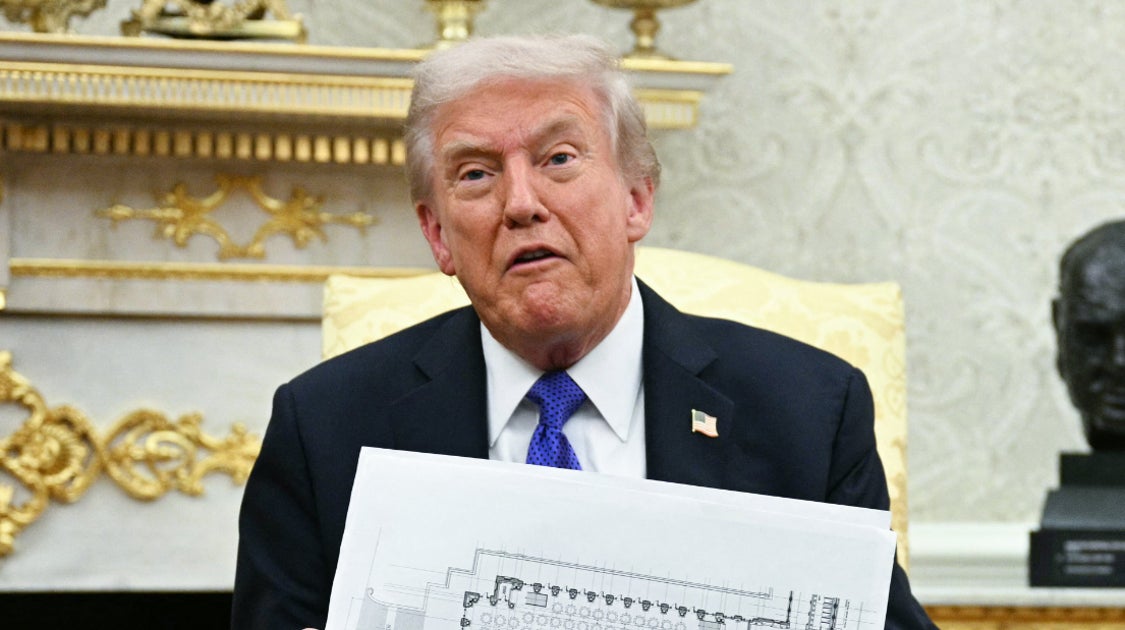
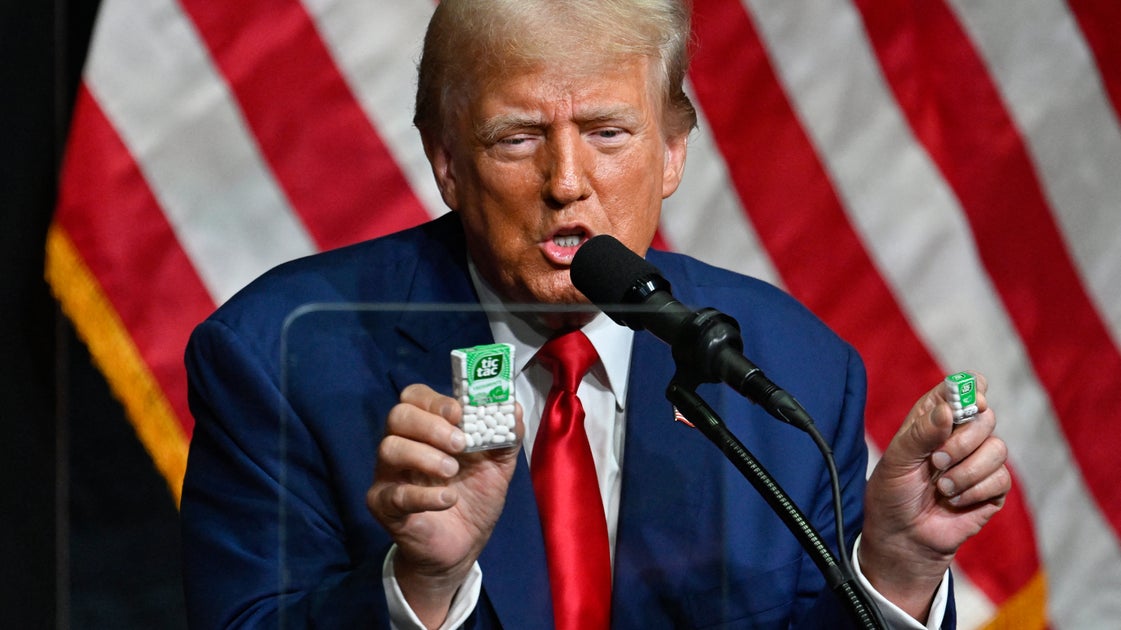
Another recurring theme in his political speeches and publicity moments is his use of props — which is frequent.
While it can at times feel a little like you’re up at 5 a.m., bleary-eyed, watching an infomercial for a blender, there’s actually real rhetorical power behind the objects (and people) Trump chooses to employ as props. And there’s neuroscience to back it up.
Obviously, props in politics aren’t just Trumpian things ...
There are numerous cases of props being used in politics over the years — before and after the arrival of Trump on the scene. There are the silly props of the filibuster age — think Ted Cruz reading Dr. Seuss on the Senate floor to oppose the Affordable Care Act in 2013 — and more solemn props like President Barack Obama famously drinking the filtered water from Flint, Michigan, amid the ongoing contamination crisis in the city. There have been whole studies dedicated to how other leaders (like Israel’s Prime Minister Benjamin Netanyahu) use props to bolster their rhetoric.