A decade ago, I knew nothing about organizing. But ordinary people are essential to fighting the rise of authoritarianism
I
n January of 2017, I sent a tentative email to a few dozen friends and acquaintances who I suspected were also freaked out by the election of Donald Trump, asking if they wanted to join a local chapter of an effort called Indivisible, intended to serve as a grassroots liberal counterweight to the new administration. It was frankly not possible, at that point, to know less about activism than I did.
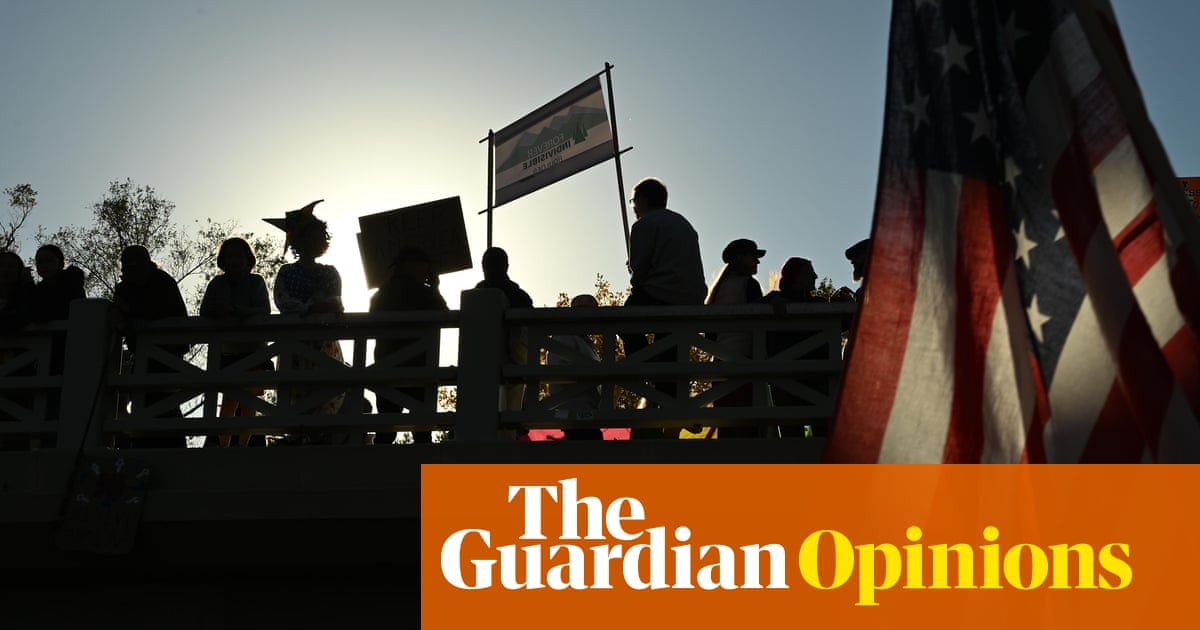
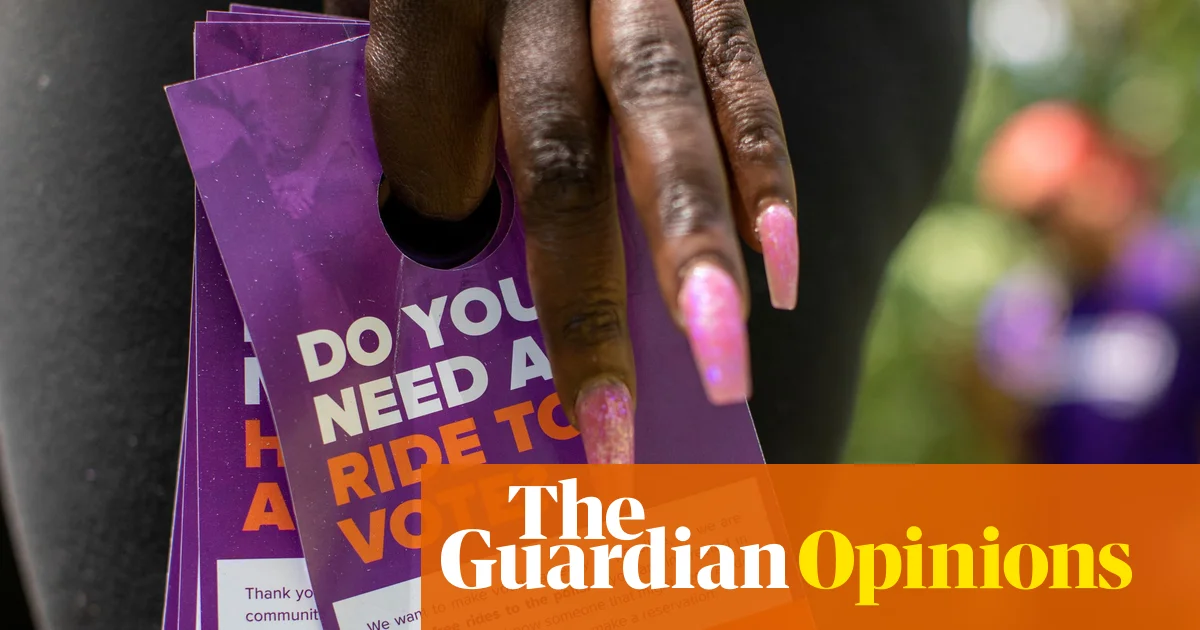
In the more than nine years since, our group has sent an email every weekday – approximately 2,300 in total – with a single concrete daily ask for our members: call your elected representatives. Make a donation. Show up for a rally. During that span, we have knocked on tens of thousands of doors, raised hundreds of thousands of dollars, sponsored refugee families, and mobilized our friends, neighbors, colleagues and acquaintances to keep fighting for democracy.
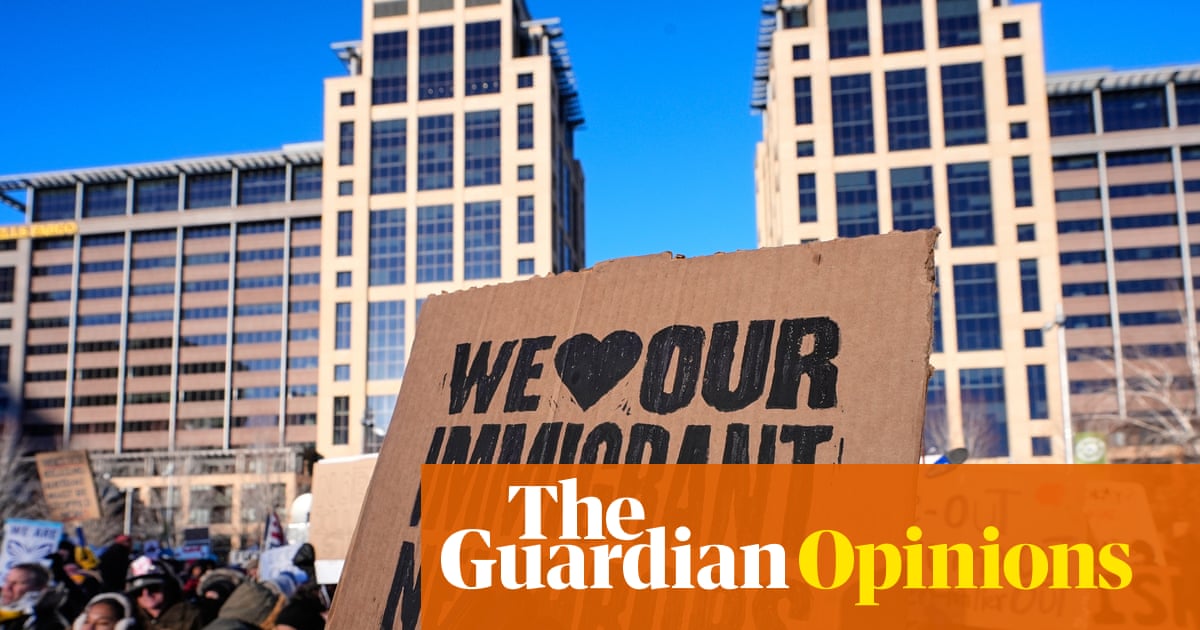
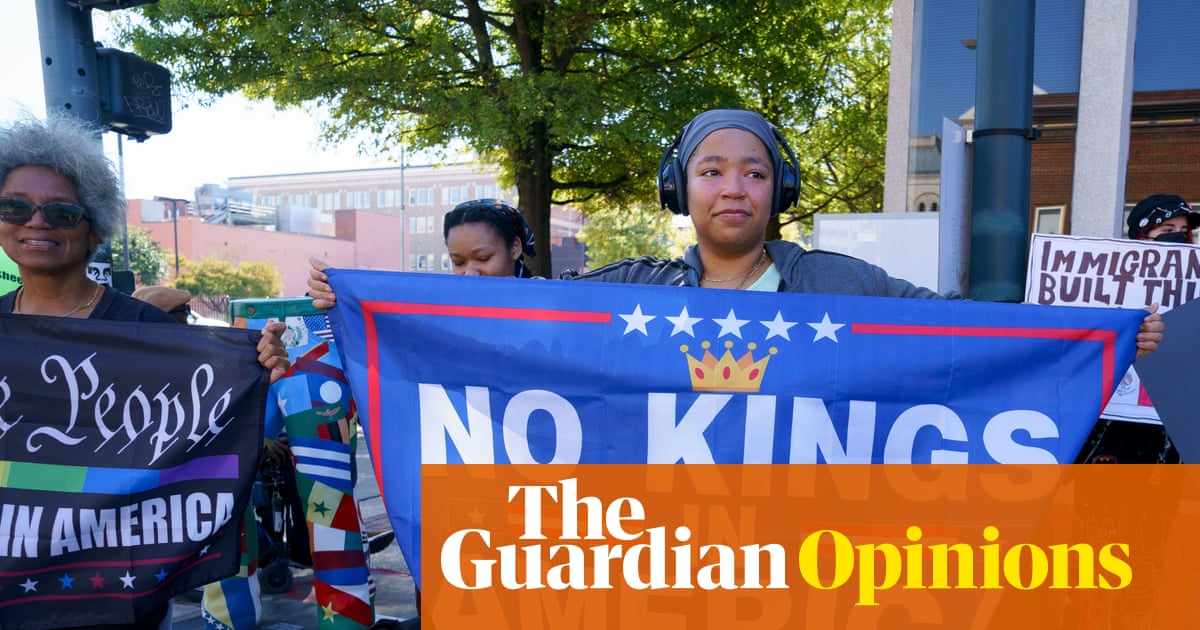
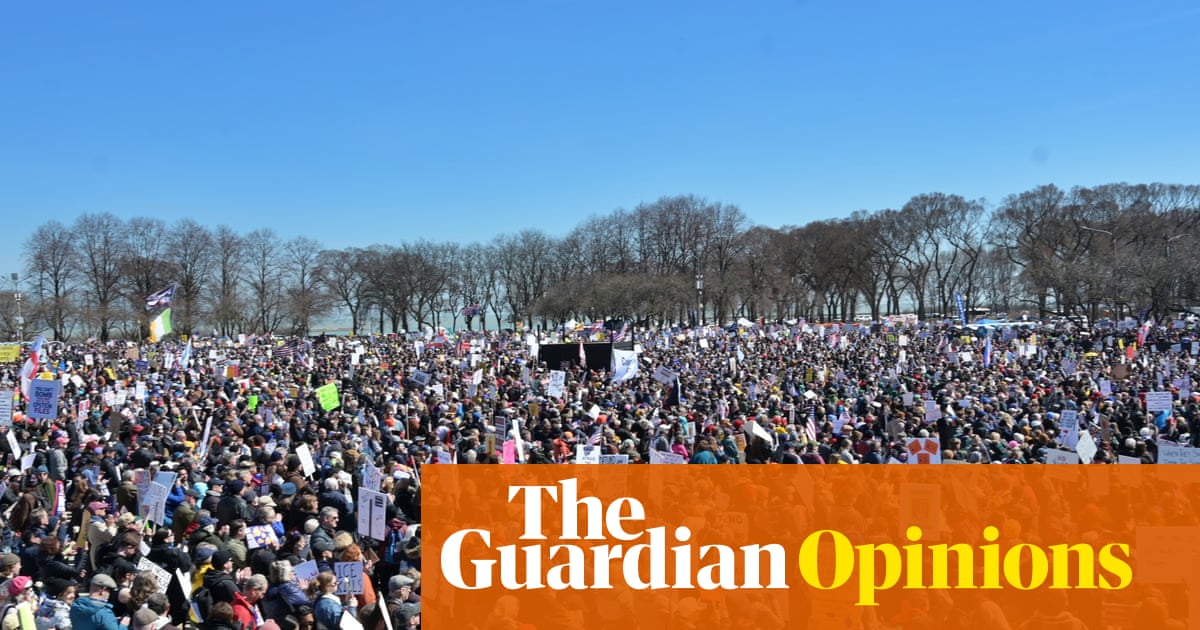
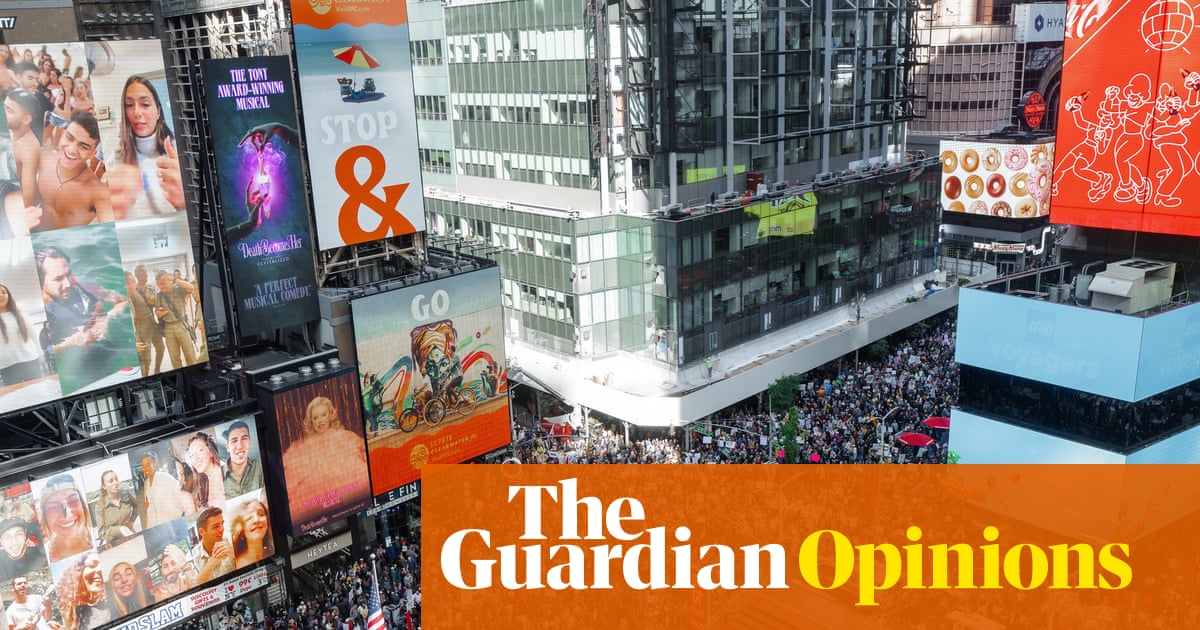
After Trump was re-elected in 2024, I worried that our members would simply give up, unable to fight creeping authoritarianism any longer. Instead, something remarkable has happened: our group has more than doubled in size. We have also more than doubled in ambition in facing the ugliness of Trump 2.0: supporting refugees and asylum seekers under threat, leading a weekly pop-up protest we call Freedom Friday, giving out thousands of ICE whistles and whistle cards, and much more. As the country’s most powerful people – CEOs, heads of law firms, members of Congress, media moguls – bend the knee to Trump, it has been left to ordinary people like the members of our group to fight back, through efforts like this weekend’s No Kings 3, and much else that goes entirely under the radar.