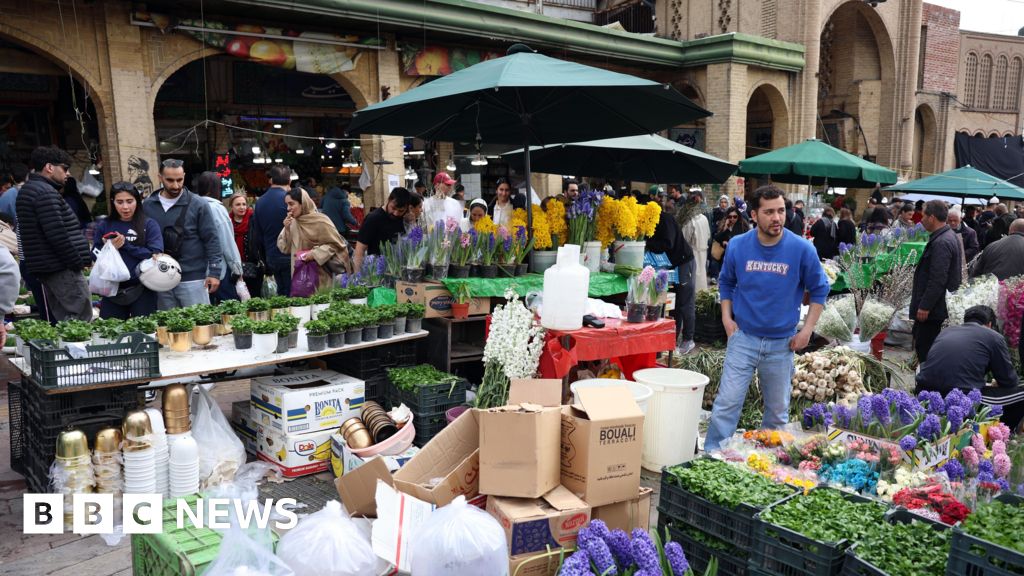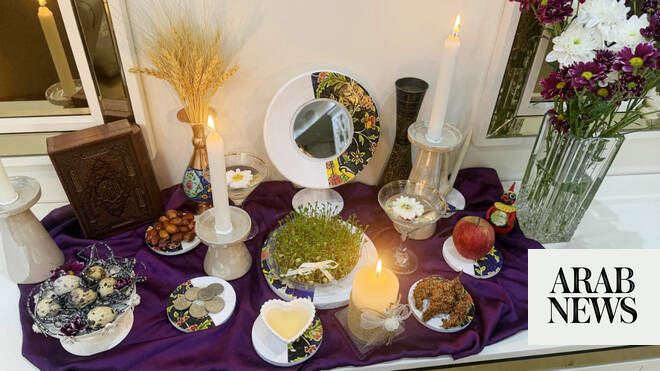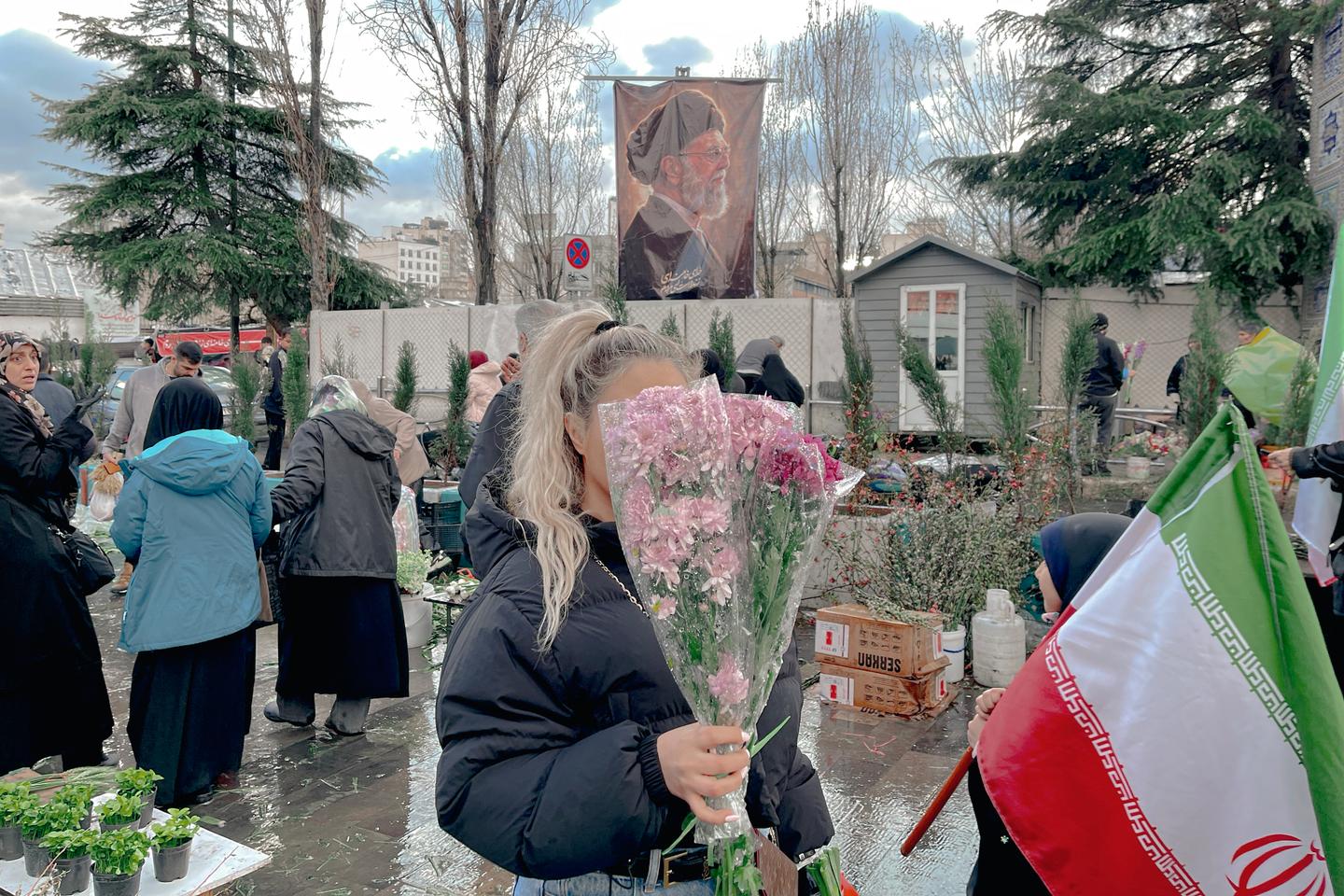
Preparations for Norouz, the Iranian New Year, near the Tajrish Bazaar in northern Tehran, on March 20, 2026. « LE MONDE »
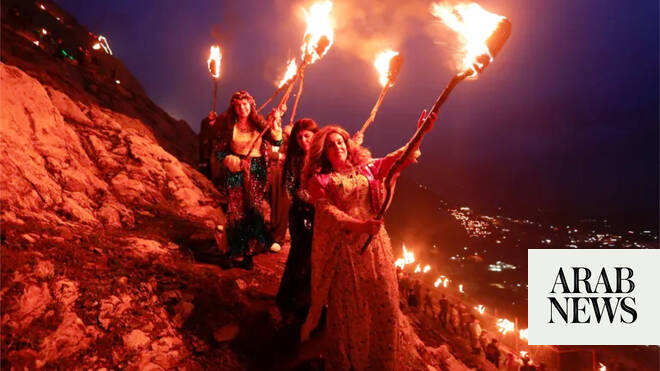
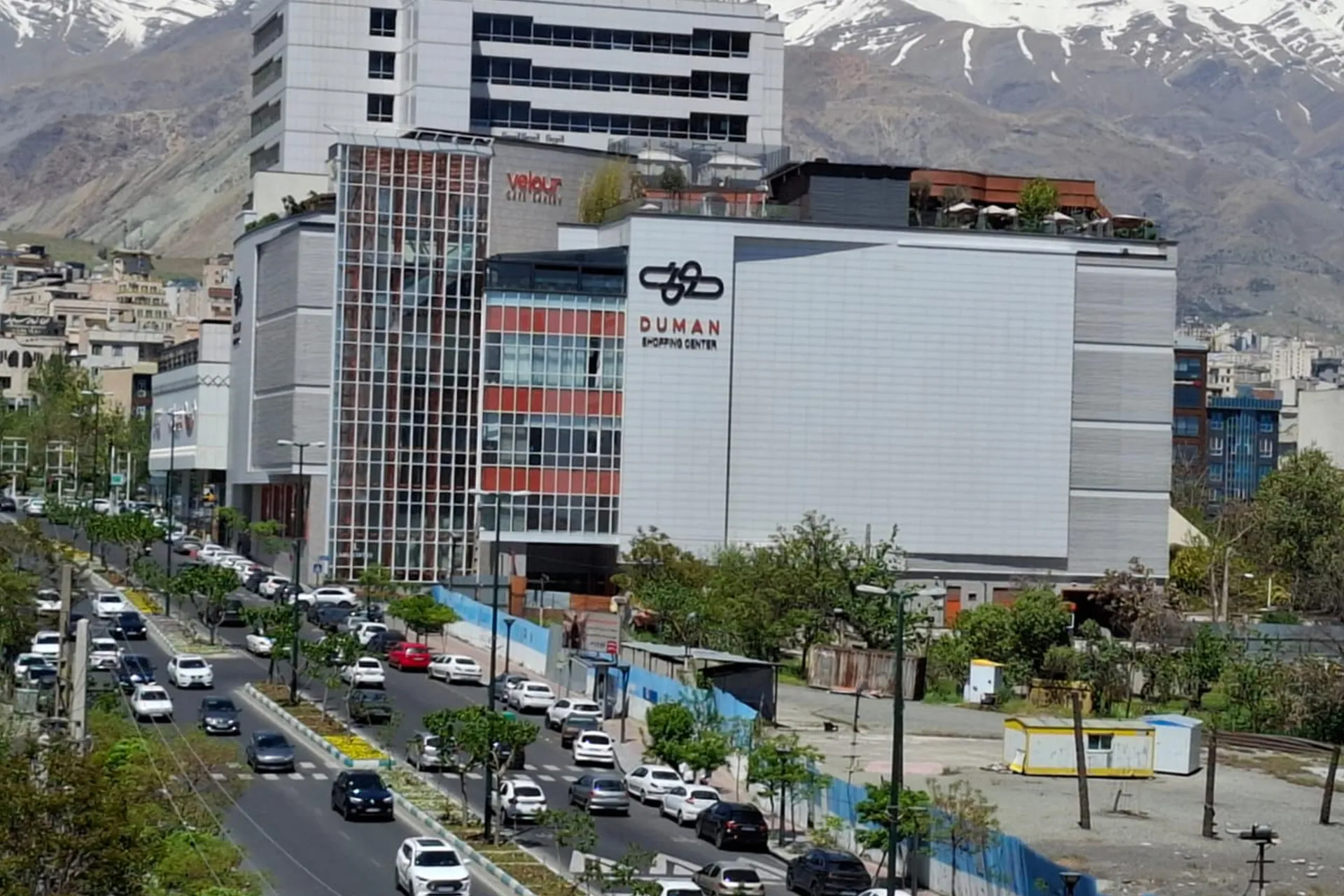
For those who know Tehran, the days of Norouz, the Persian New Year, which is celebrated at the spring equinox, around March 20, are unforgettable. The city, which is usually smothered by pollution and choked by traffic jams, almost completely empties out. The air becomes mild, and the trees burst into bloom. To the north, the Alborz mountains form a calming, blue and ochre-tinged line. Normally, the last days of March usher in renewal and the hope of a fresh start. In 2026, however, there is nothing of the sort to be seen.
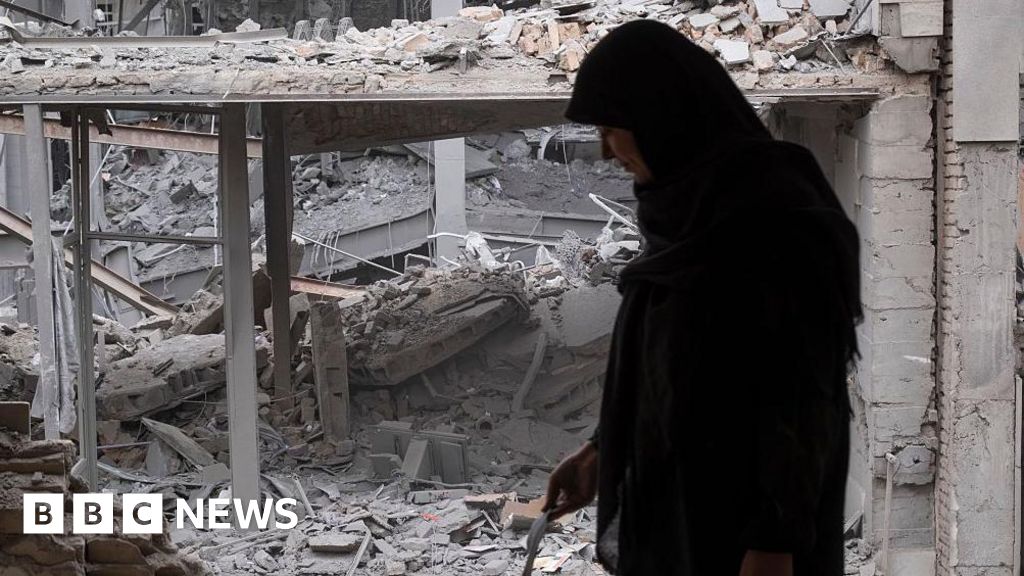
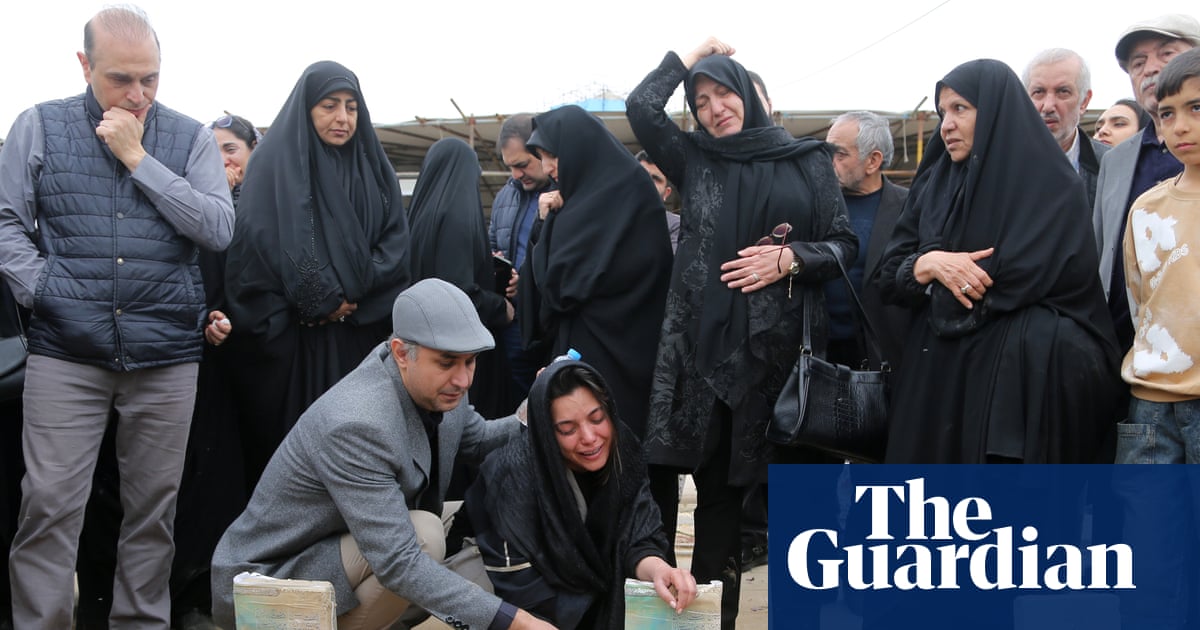
Since February 28, Israeli and American bombs have been raining down on the capital city, where a deep sense of uncertainty prevails. Internet access remains cut off. Only a handful of Iranians have managed to get online, though at a steep price, either by using VPNs bought on the black market, which are often controlled by the authorities, or, for a minority, via Starlink, which is banned in Iran. Some people inside the country can still call their relatives abroad, but calls into the country from abroad are impossible. People's testimonies are rare, fragmented and often contradictory: Some, in Tehran or other major cities such as Isfahan, have endured intense bombings, while others, in the country's north or northeast, have been relatively spared.