https://arab.news/znjc6
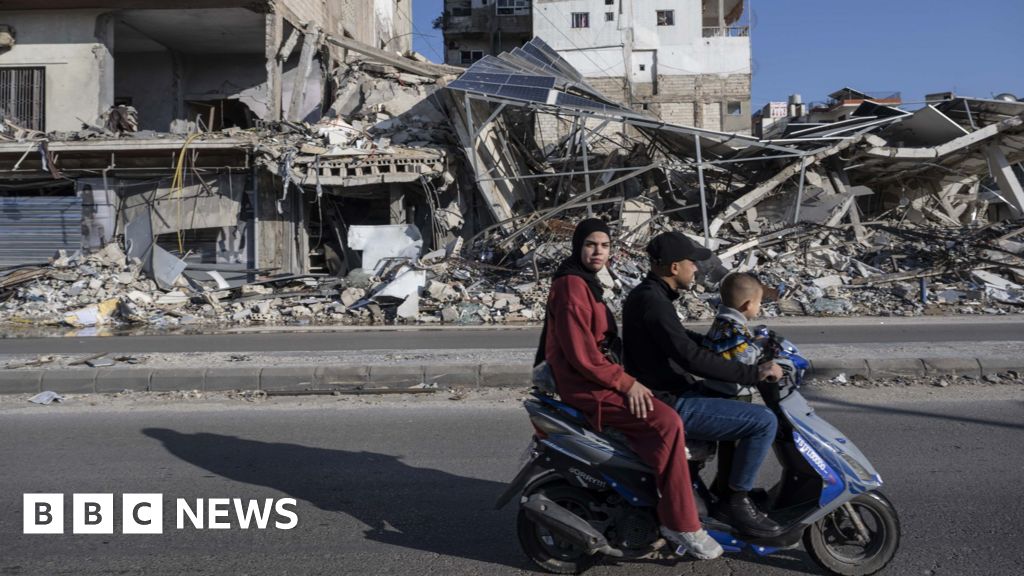
With alarming frequency and rather quickly, the border between Israel and Lebanon can shift from calm to high-intensity conflict. Until the late 1970s, this frontier remained relatively quiet, despite the fact that the two countries have technically been in a state of war since the end of the 1948 Arab-Israeli conflict and have never signed a peace treaty. Early tensions largely took the form of skirmishes involving Palestinian militants affiliated with various factions of the Palestine Liberation Organization. However, after the PLO was forced out of Lebanon in 1982, resistance to Israeli occupation became a defining pillar of the newly established Lebanese Shiite militant movement, Hezbollah. This narrative of resistance also provided a powerful pretext for the Iranian-backed and financed organization to develop a military force that not only rivalled the Lebanese Armed Forces but, in several respects, surpassed it — enabling it to exert significant influence across large parts of the country.
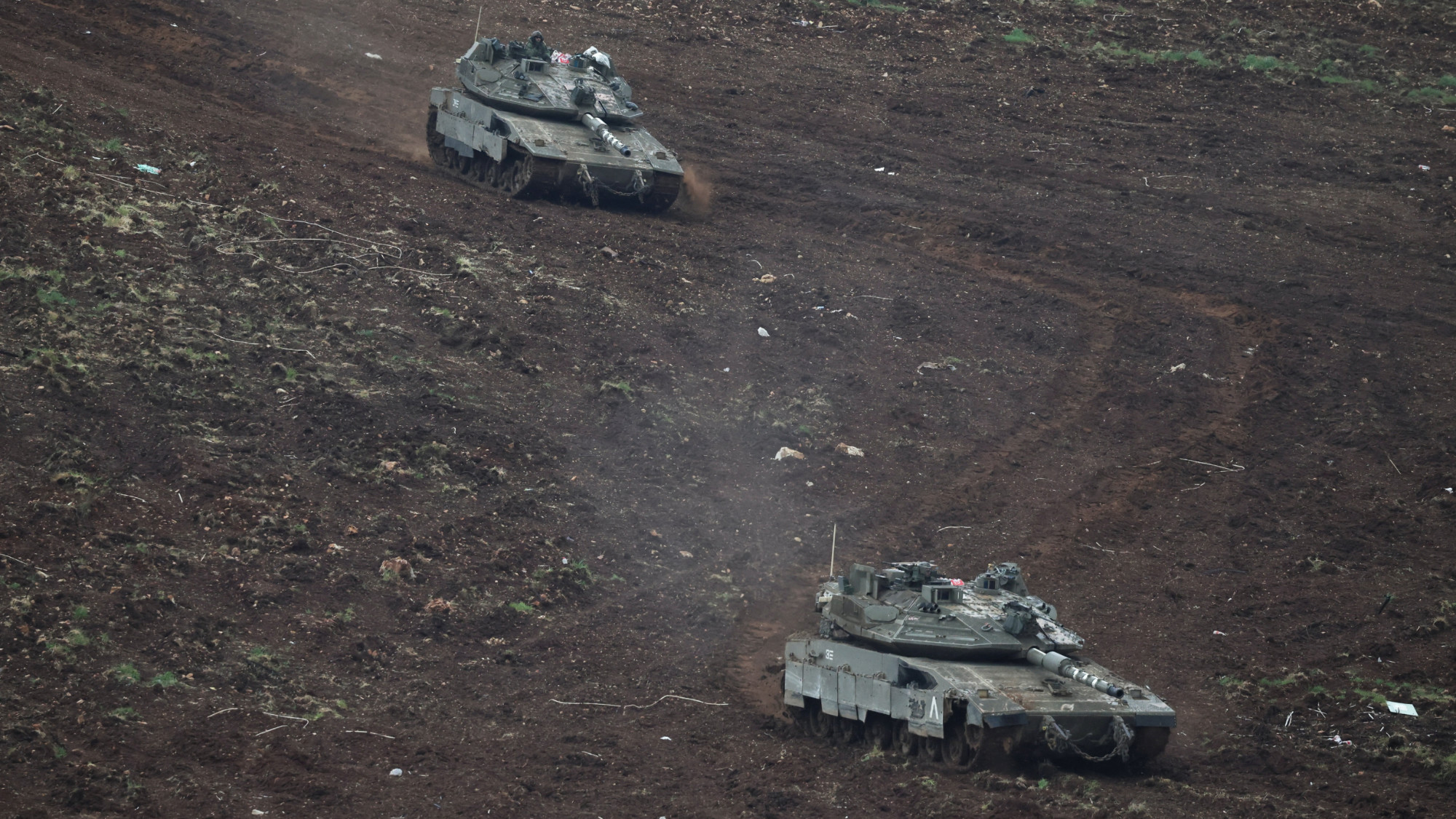
Unlike the confrontation with Iran, in which Israeli Prime Minister Benjamin Netanyahu has clearly articulated objectives that extend beyond neutralizing nuclear and missile capabilities to include the prospect of regime change, one of the stated aims in Lebanon is, at least in principle, the exact opposite of creating the conditions for the Lebanese government to take control of the country. Israel seeks to degrade Hezbollah’s military capacity and, in doing so, also enable the Lebanese state to reassert control over the territory between the Blue Line, the UN-demarcated ceasefire line, and the Litani River, about 30 km to the north. The strategic objective is to establish a buffer zone separating Israeli territory from Hezbollah’s operational reach.