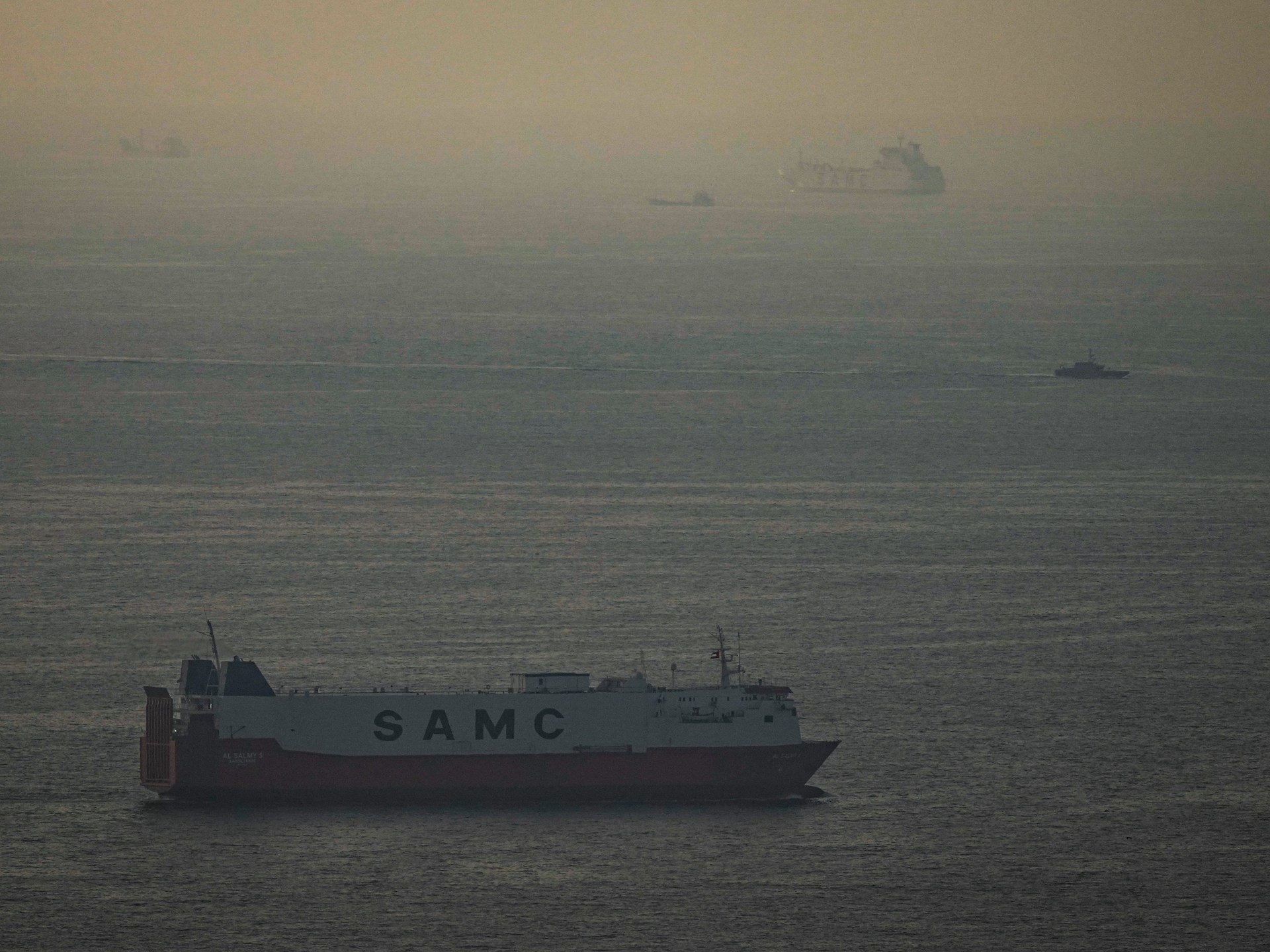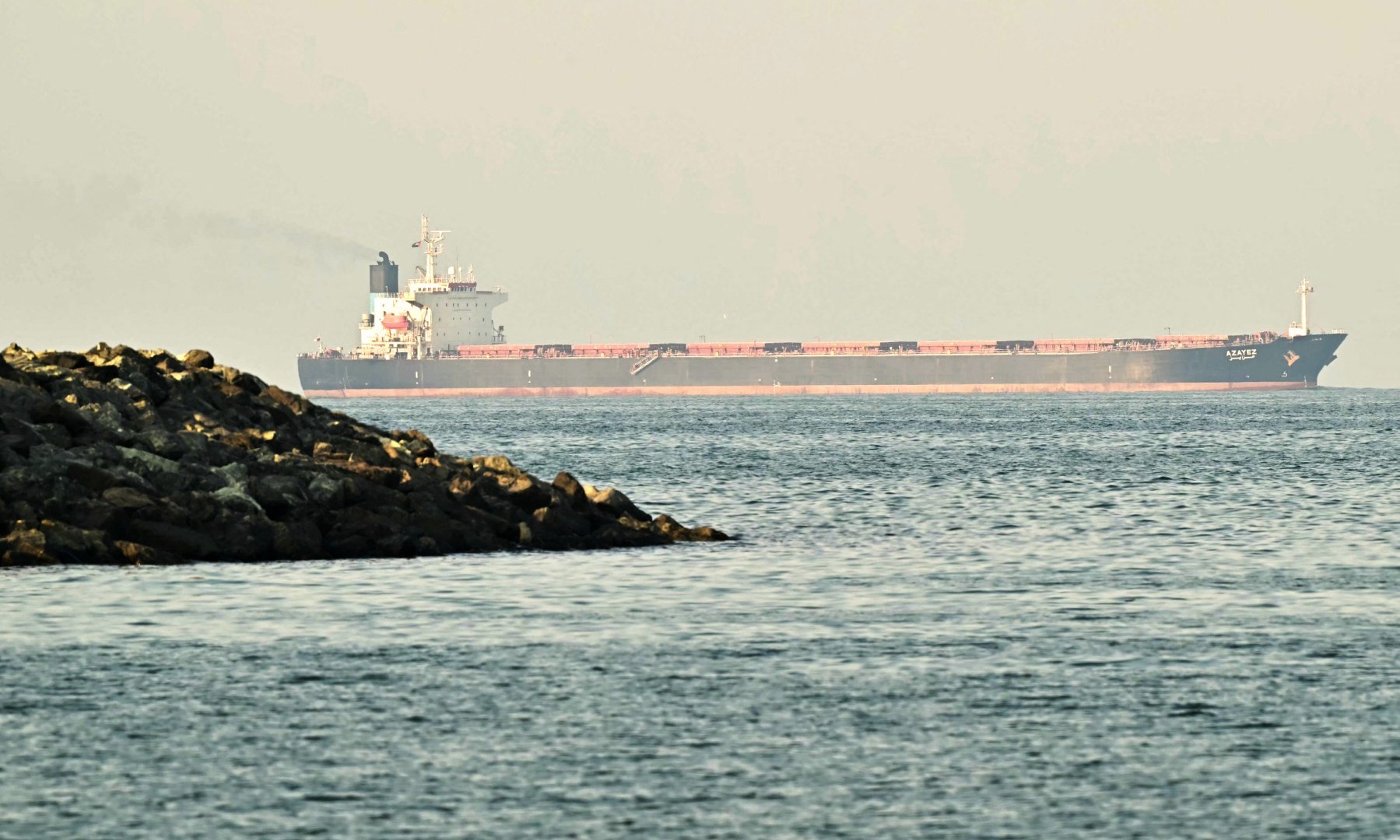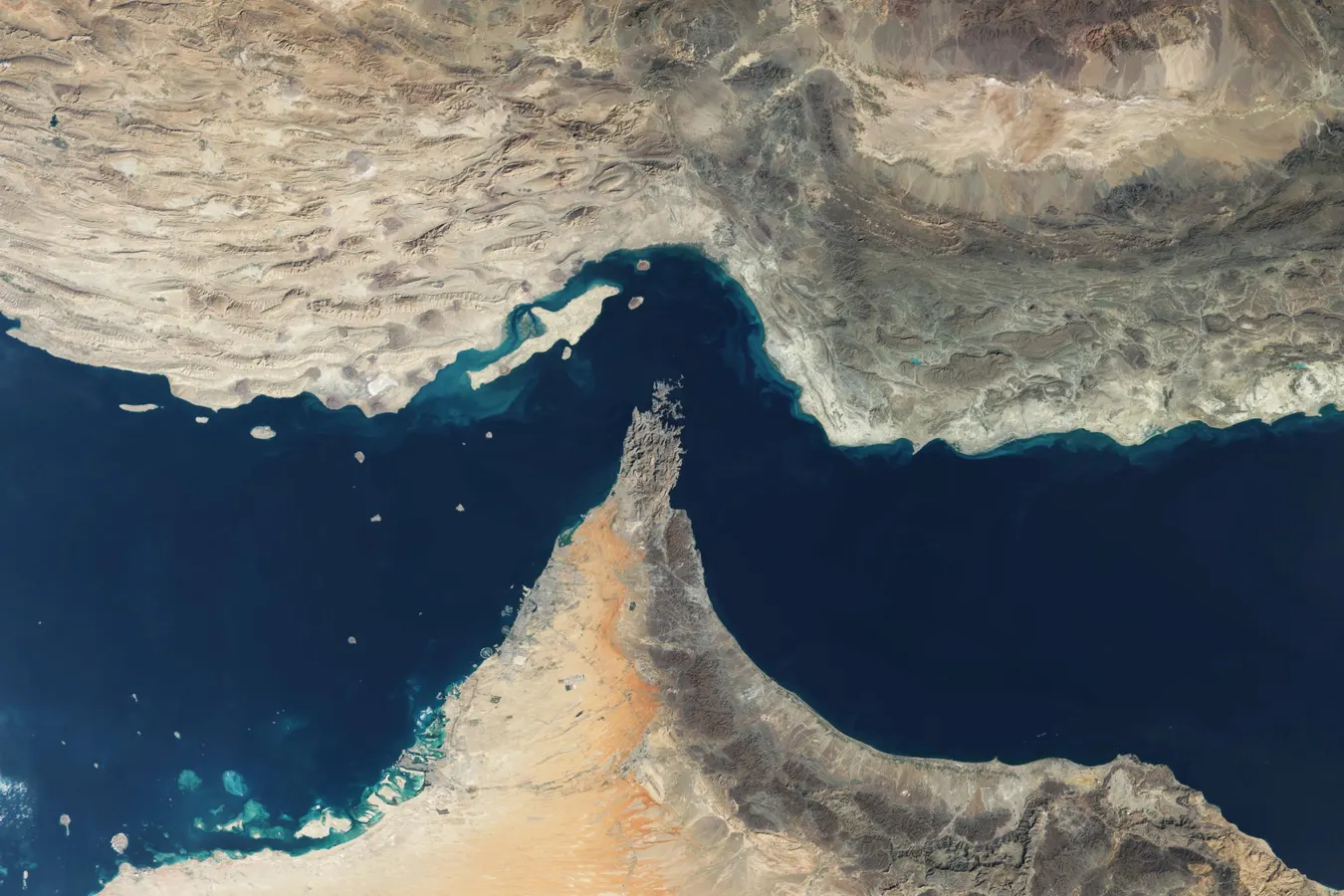
ToplineIran will allow 20 more Pakistani ships to pass through the Strait of Hormuz, Pakistan’s Deputy Prime Minister said Saturday, calling the move “a harbinger of peace”—as reopening the strait is a key negotiating term for the U.S. in talks with Iran about ending the conflict. A satellite view of the Strait of Hormuz, a strategic waterway between Iran and Oman that links the Persian Gulf to the Arabian Sea. (Photo by Gallo Images/Orbital Horizon/Copernicus Sentinel Data 2025)Gallo Images via Getty ImagesKey FactsIran will allow two ships to move through the key oil passage each day, Pakistan’s Deputy Prime Minister and Foreign Minister Ishaq Dar announced on X, tagging Secretary of State Marco Rubio, Vice President JD Vance and U.S. Middle East Envoy Steve Witkoff, who are spearheading negotiations for the U.S., along with Iranian Foreign Minister Abbas Araghchi. Dar called the move “a welcome and constructive gesture by Iran” and “a meaningful step toward peace.” The announcement comes after Trump claimed last week Iran allowed 10 Pakistani-flagged ships through the Strait of Hormuz last week as a “present” to the U.S., though details of the alleged gift were vague. It’s unclear if the ships Trump was referring to were instead part of the “non-hostile vessels” Iran began allowing to pass through the key oil passage last week or if they were a gesture to the U.S. as he claimed. The announcement comes as Iran has effectively seized control of the strait and is seeking to impose a fee on ships that want safe passage through, multiple outlets reported, citing Iranian state-aligned media.Adbig Number4. That’s how many vessels have left the Persian Gulf over the past day, according to Bloomberg, citing vessel tracking data. TangentIran-backed Houthi rebels fired missiles at Israel Saturday, entering the war and marking an escalation that could further disrupt global shipping traffic if the Houthis utilize the Red Sea, as they did while attacking Israel in its war with Hamas. Israel said it intercepted a missile fired from Tehran, where the Houthis are based.What To Watch ForThe war is expected to continue for several more weeks, Rubio said Friday, the first acknowledgement from a U.S. official that it could stretch beyond initial estimates that it could last 2-4 weeks. Key BackgroundTrump has claimed the U.S. is negotiating with Iran to end the war, though Iran has denied any talks are taking place. Trump has expressed optimism about the state of negotiations in recent days, while also saying he doesn’t care if Iran comes to the table and threatening to continue attacks until Tehran agrees to the U.S.’s objectives. Trump set an April 6 deadline for attacking Iran’s energy facilities unless it agrees to reopen the Strait of Hormuz, though Iran has said a condition for ending the war includes acknowledging its sovereignty over the strait. Further ReadingYemen’s Houthi Rebels Enter Iran War—Raising Possibility Of Prolonged Timeline (Forbes)Trump Reveals The ‘Present’ Iran Gifted U.S. Was Allowing 10 Oil Boats To Pass Through Strait Of Hormuz (Forbes)Iran War Will Not Be A ‘Prolonged Conflict,’ Rubio Says (Forbes)
Iran Allows 20 More Pakistani-Flagged Ships Through Strait of Hormuz
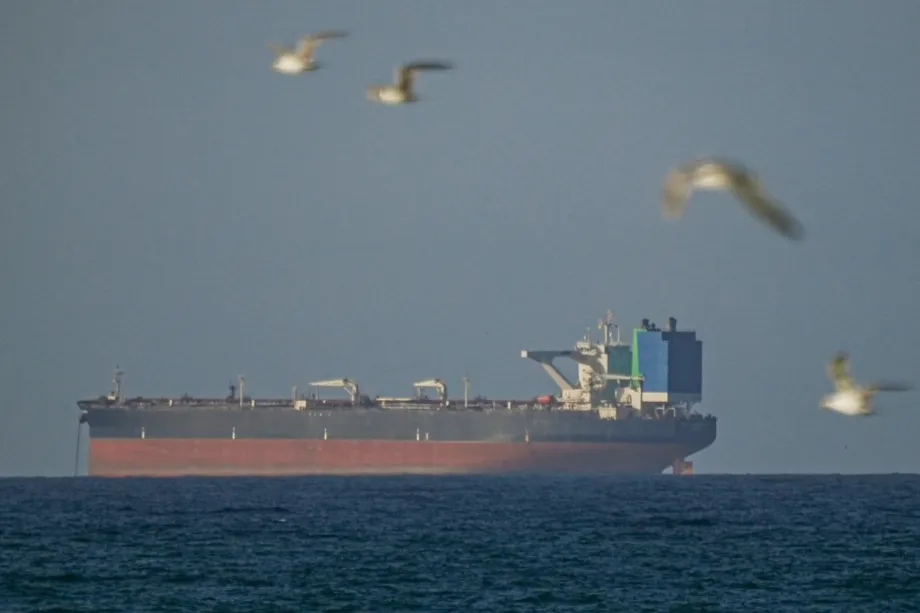
Trump claimed last week Iran allowed 10 oil tankers to pass through the strait as a “present” to the U.S.
509 words~2 min read