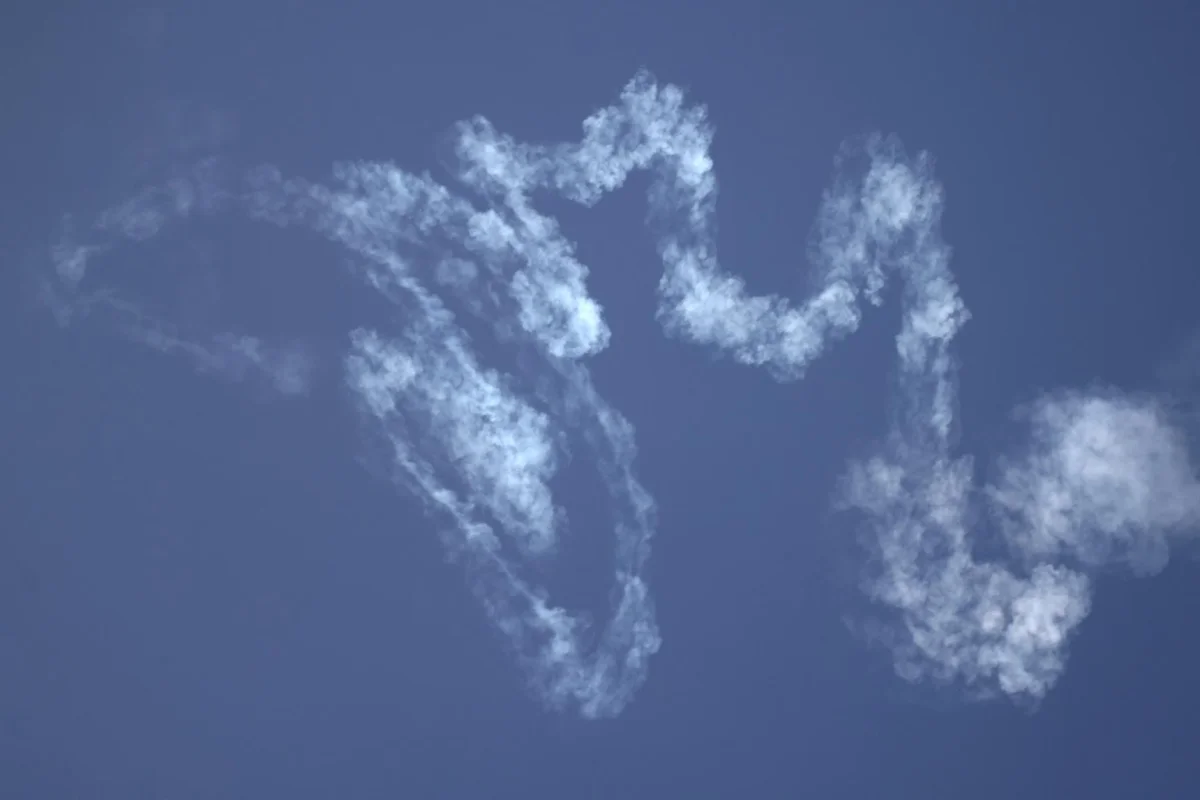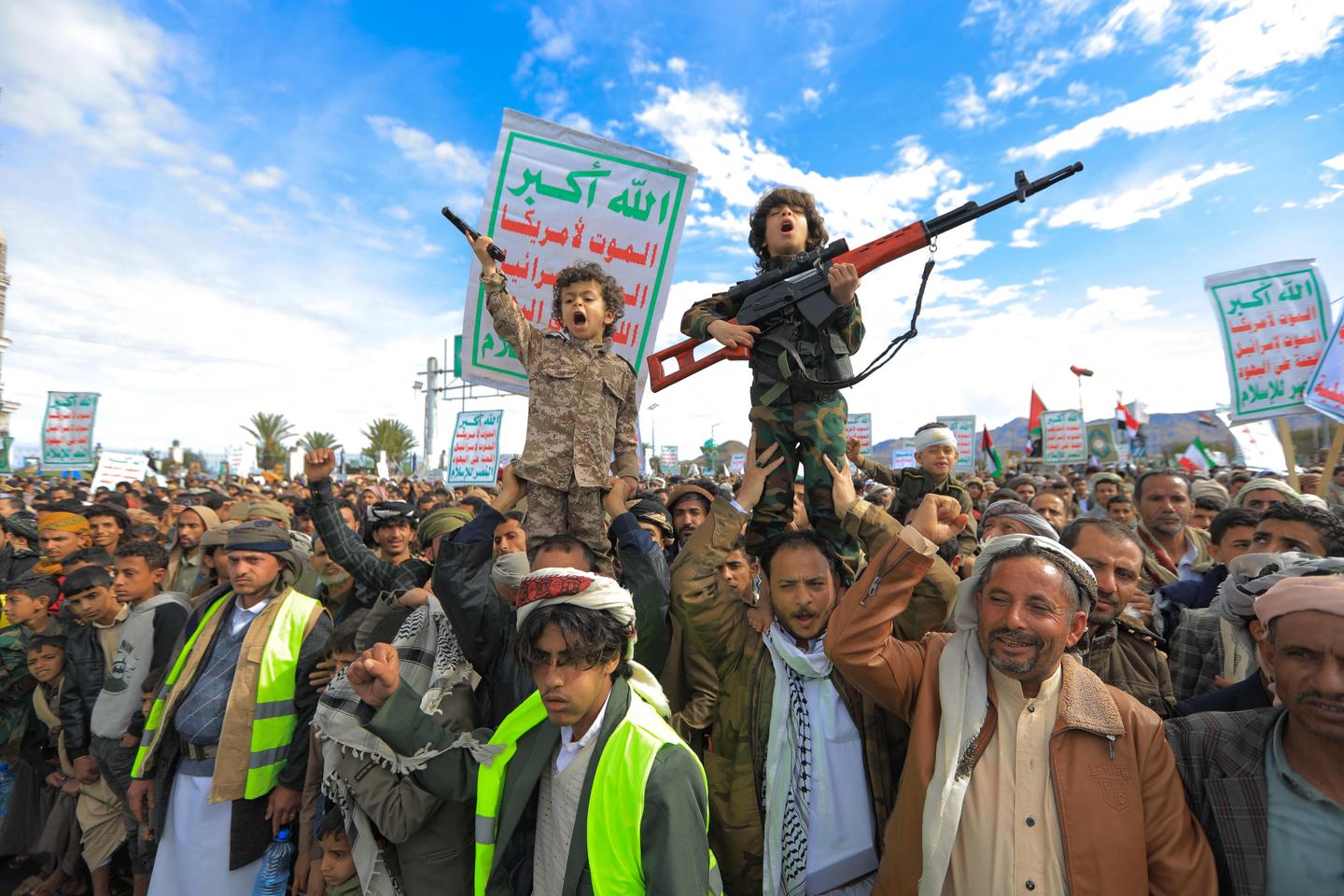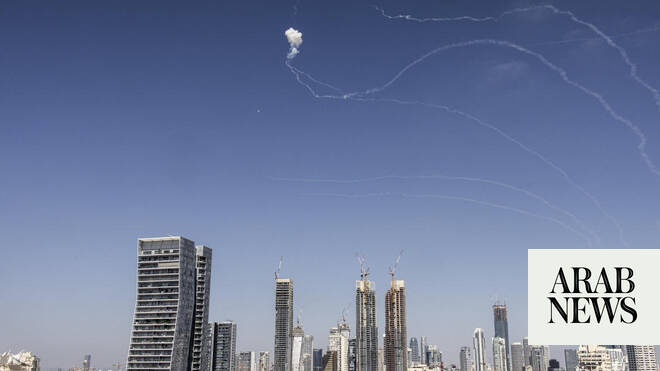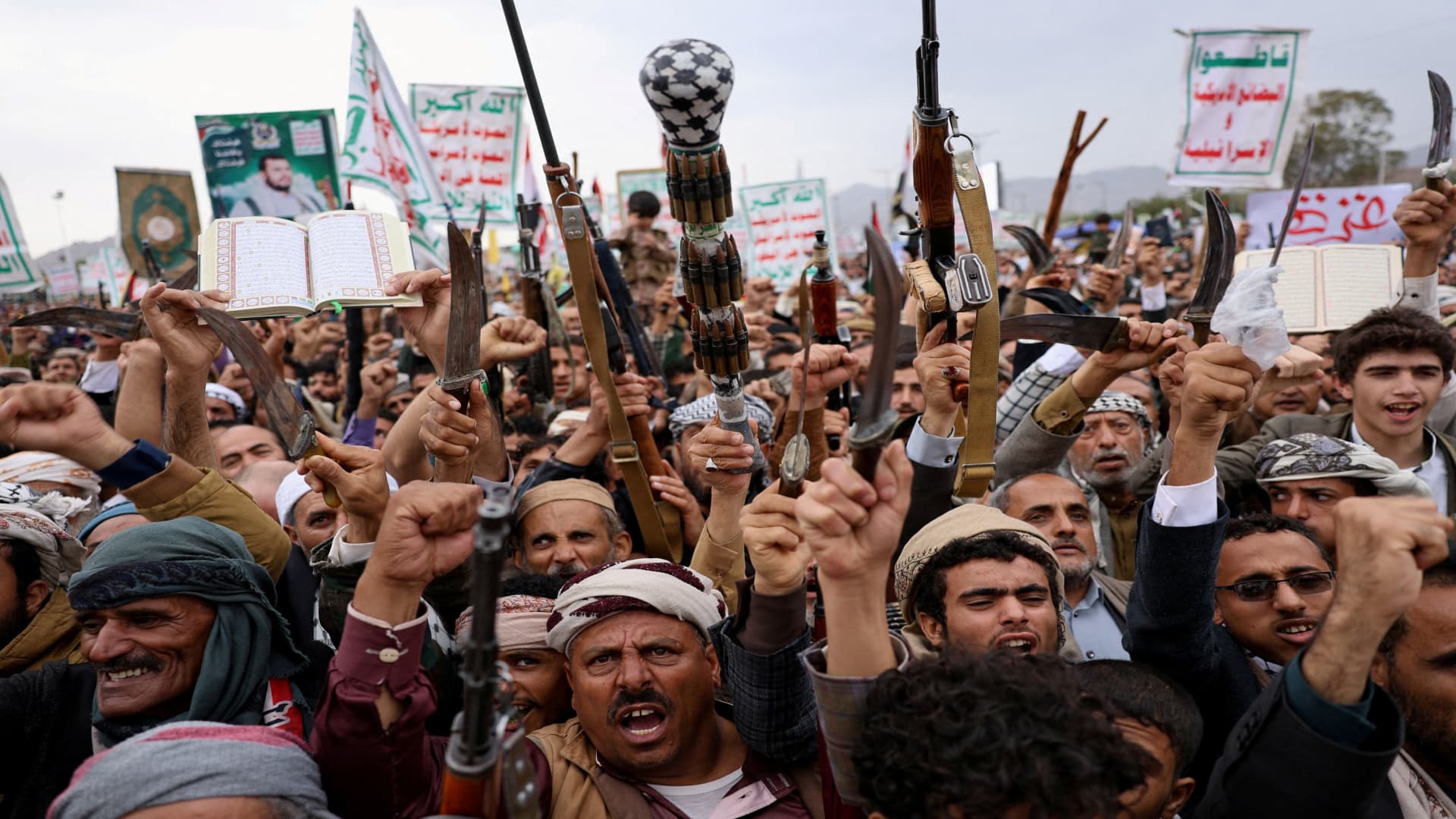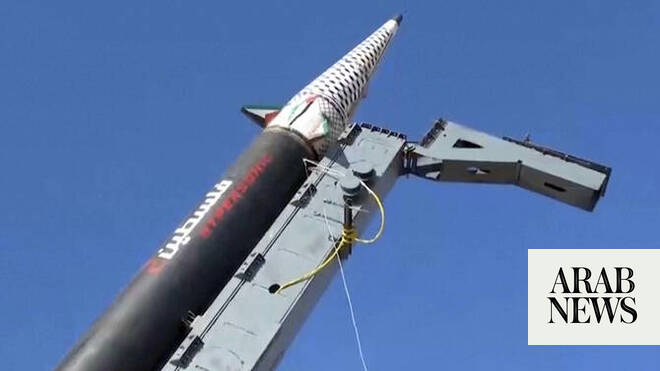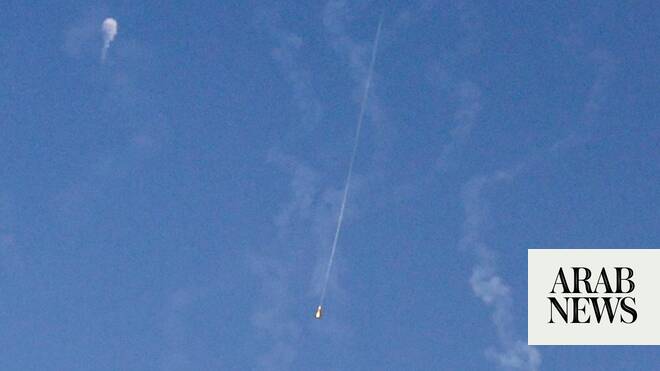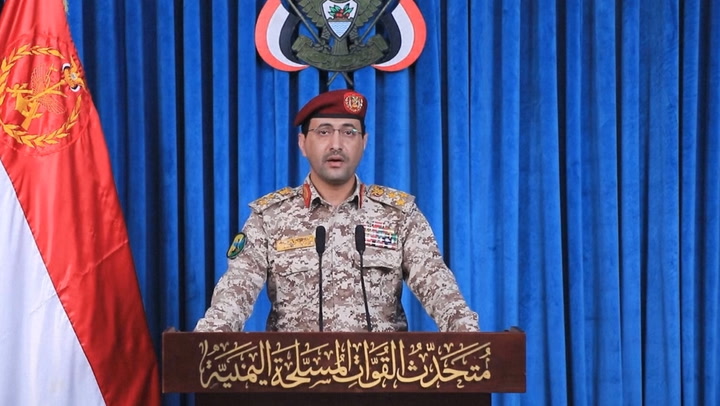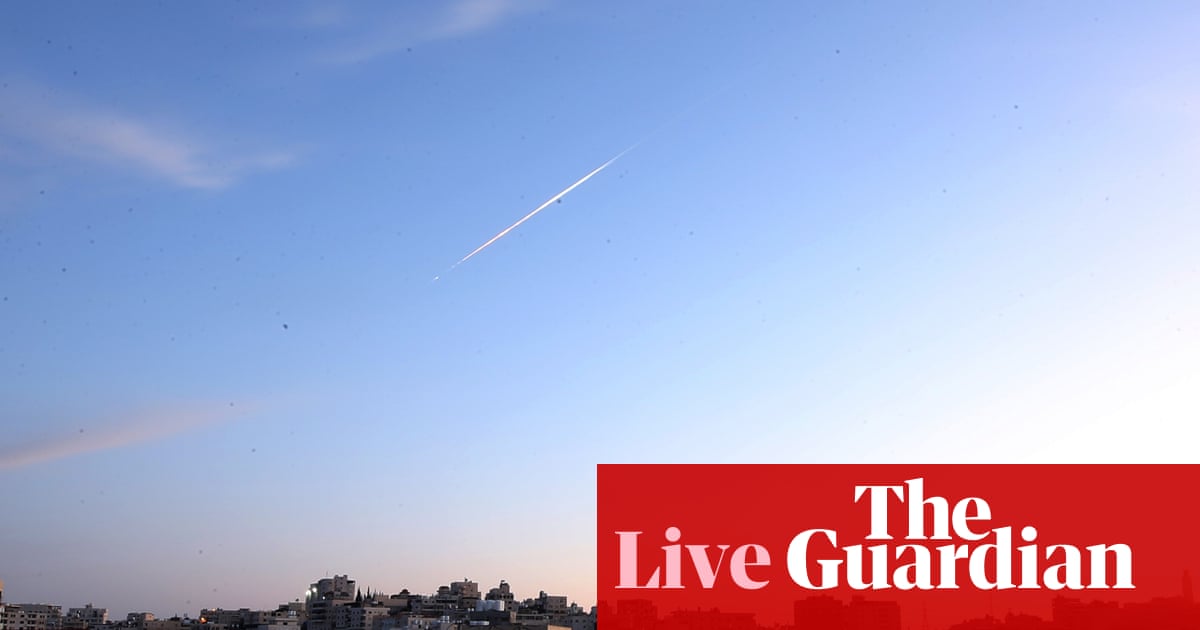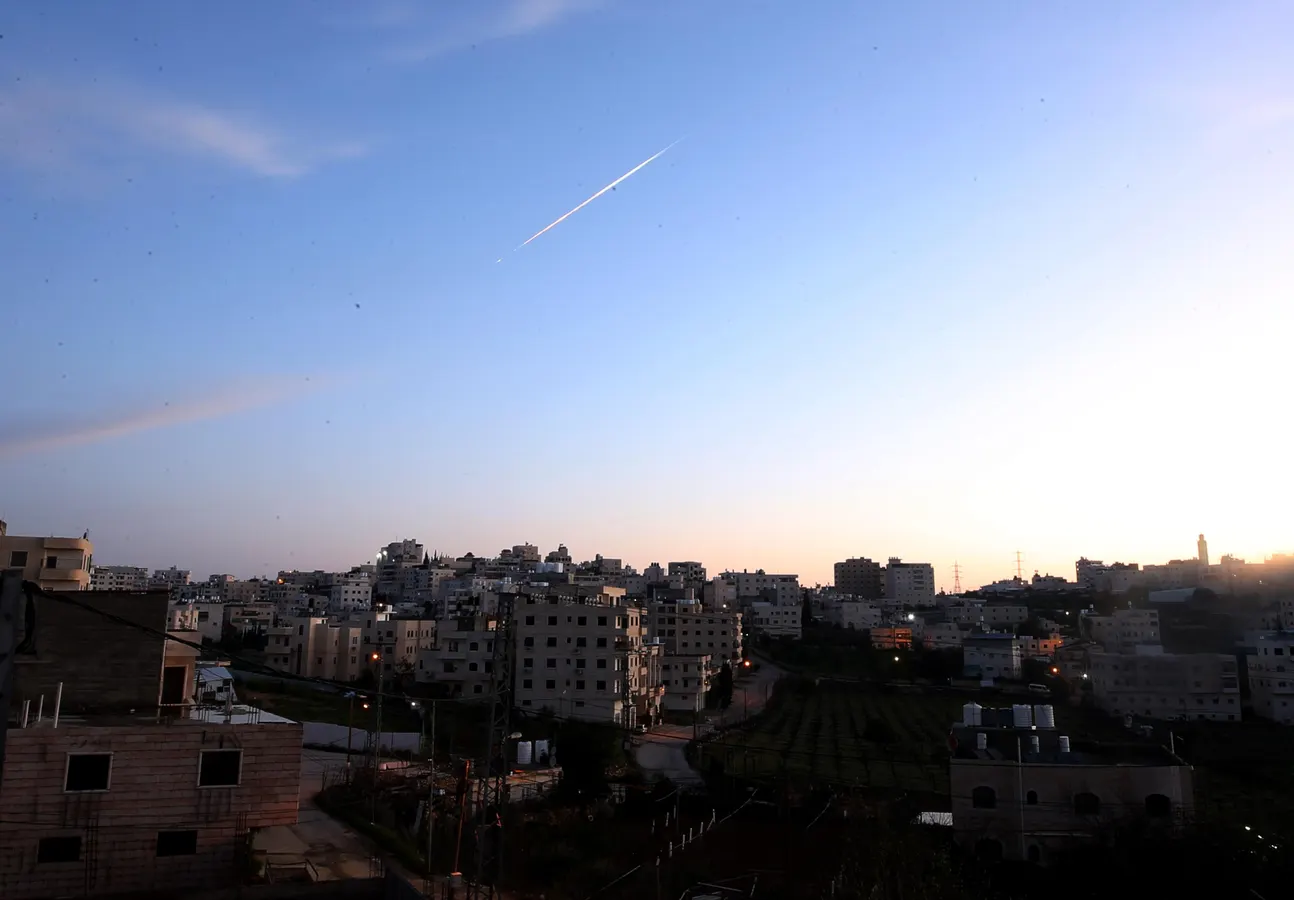
ToplineIran-backed Houthi rebels fired a missile toward Israel Saturday, marking a new escalation in the war and threatening to prolong the timeline that is already expected to exceed the U.S.’s initial target for when the war would end. A view of missile traces launched from Yemen at Israel over Hebron, West Bank, on March 28, 2026. (Photo by Wisam Hashlamoun/Anadolu via Getty Images)Anadolu via Getty ImagesKey FactsThe Houthis claimed they launched ballistic missiles toward “sensitive Israeli military sites” in southern Israel, Houthi Brig. Gen. Yahya Saree said on the rebels’ Al-Masirah TV station Saturday, according to multiple outlets. The Israeli military said Saturday on its X account the IDF intercepted a missile fired from Yemen, where the Houthis are based. The attack comes after Secretary of State Marco Rubio told reporters Friday the war could last several more weeks, extending the timeline beyond the Trump administration’s initial predictions of a four- to six-week war.Rubio told G7 leaders in a meeting Friday the war was likely to continue for two to four more weeks, Axios reported, citing three unnamed sources with knowledge of the talks. Who Are The Houthis?The Iran-backed Shiite militia group emerged in the 1990s and has been at war with Yemen’s government for years, taking over its capital, Sanaa, in 2014. The group is part of Iran’s so-called “axis of resistance,” a network of Sunni and Shia Muslim groups in Yemen, Syria, Lebanon, Gaza and Iraq. The Houthis aligned with Hamas in its war with Israel in the wake of the Oct. 7, 2023, attacks, conducting a series of maritime assaults in the Red Sea. The U.S. launched thousands of counter attacks against Houthi targets in the conflict and agreed to a cease-fire with the Houthis in 2025. How Could The Houthi Attacks Complicate The War?If the Houthis reprise their strategy of attacking vessels in the Red Sea, it could further disrupt global shipping traffic, which has already been strained by the closure of the Strait of Hormuz. Ships were forced to take expensive detours to avoid the Red Sea at the height of the Houthi campaign in the Israel-Hamas war. While the Houthis initially said they were targeting Israeli-linked vessels, the attacks hit ships linked to more than a dozen countries.What Did Rubio Say About The Timeline Of The War?Rubio told reporters after his meeting with G7 counterparts in France Friday that the U.S. anticipates ending the war in “weeks not months,” marking the first acknowledgement from a U.S. official that the conflict timeline would surpass initial estimates. Trump said as recently as Thursday the timeline was four to six weeks and insisted U.S. military operations were “ahead of schedule.” Trump has twice extended the timeline for attacking Iran’s nuclear facilities if it doesn’t agree to reopen the Strait of Hormuz, announcing on Thursday a new April 6 deadline. Key BackgroundTrump has reiterated in recent days his desire to end the war, but has threatened it will continue as long as Iran resists U.S. demands, which include prohibiting Iran from ever having a nuclear weapon. At the same time, Trump has insisted he’s not eager to make a deal, saying Thursday “I don’t care” about reaching an agreement. Rubio told G7 leaders Friday that the U.S. is negotiating with Iran through mediators, but said there were challenges, according to Axios, including a leadership vacuum since the U.S. and Israel have killed many top Iranian officials. Iranian leaders have publicly denied the negotiations and rejected a cease-fire proposal from the U.S. earlier this week. Further ReadingIran War Will Not Be A ‘Prolonged Conflict,’ Rubio Says (Forbes)Trump Attacks NATO Allies And Threatens Iran To ‘Get Serious Soon, Before It’s Too Late’ (Forbes)Trump Reveals The ‘Present’ Iran Gifted U.S. Was Allowing 10 Oil Boats To Pass Through Strait Of Hormuz (Forbes)
Iran-Backed Houthi Rebels Attack Israel
The Israeli military said it intercepted a missile fired from Yemen early Saturday.
631 words~3 min read