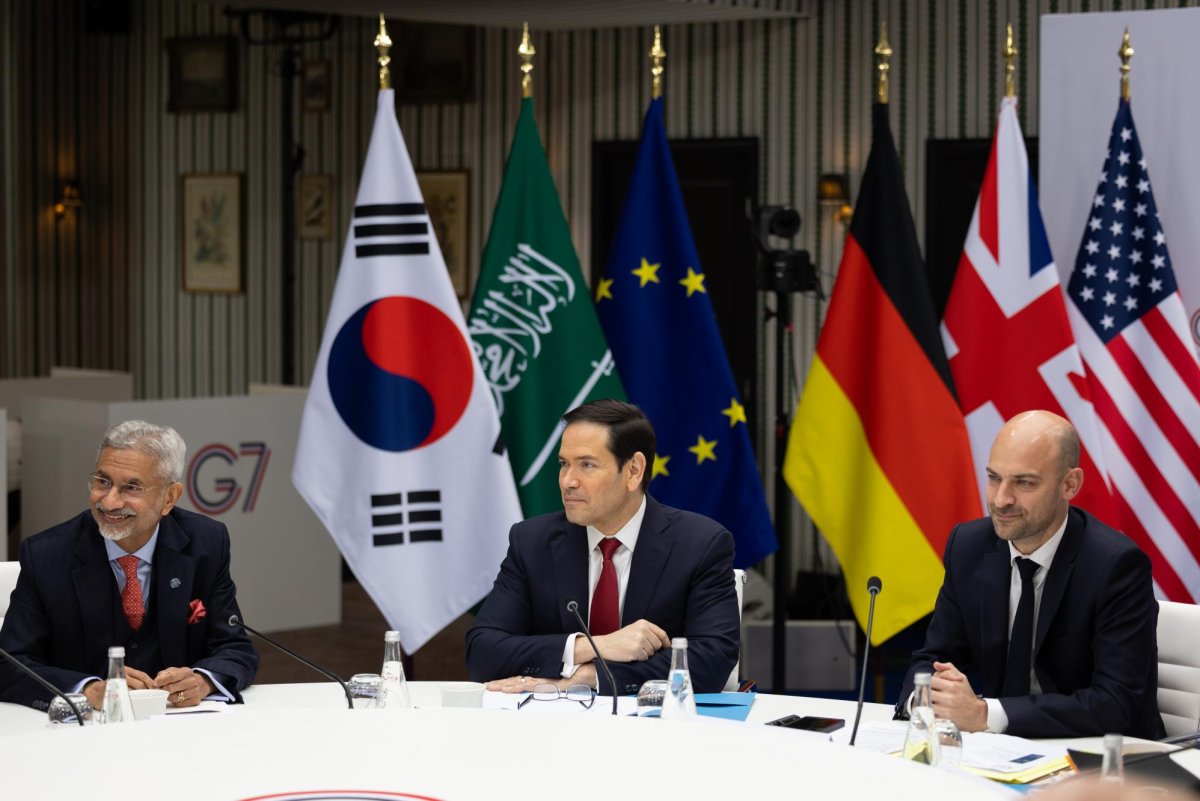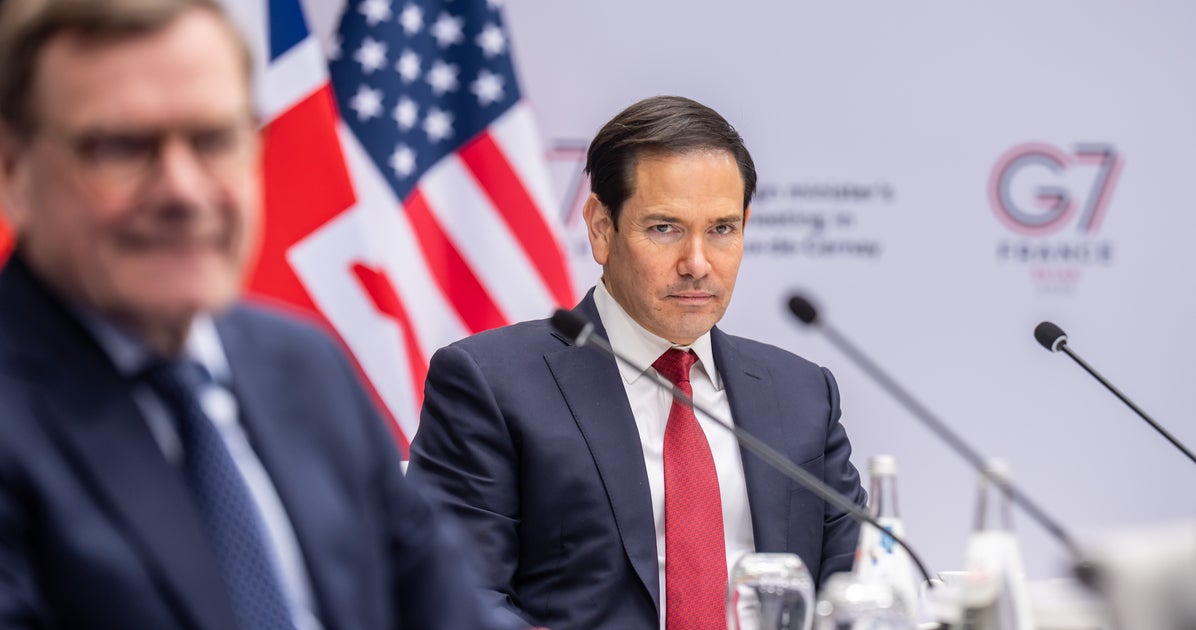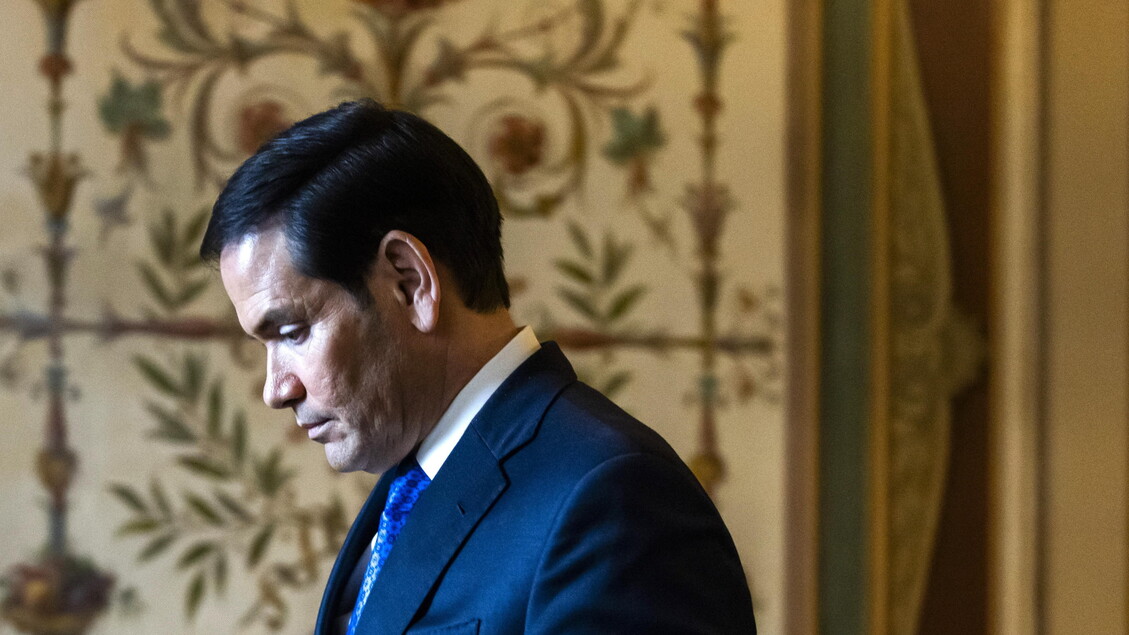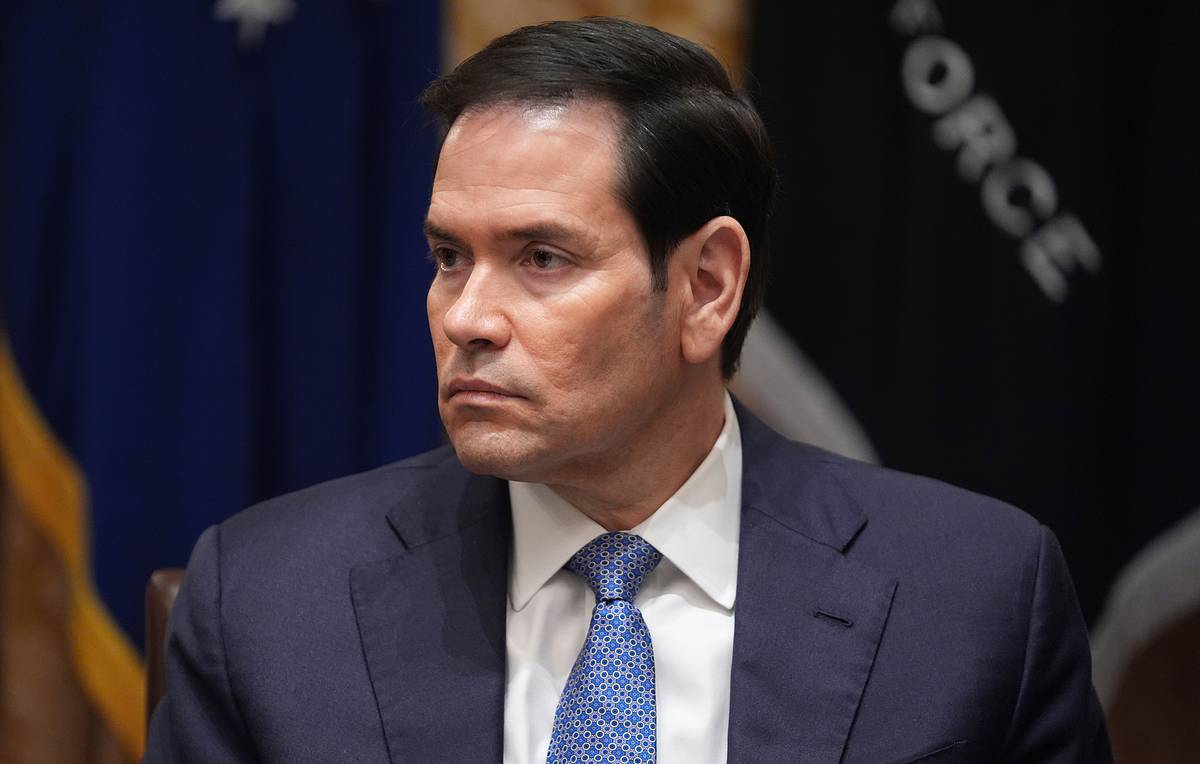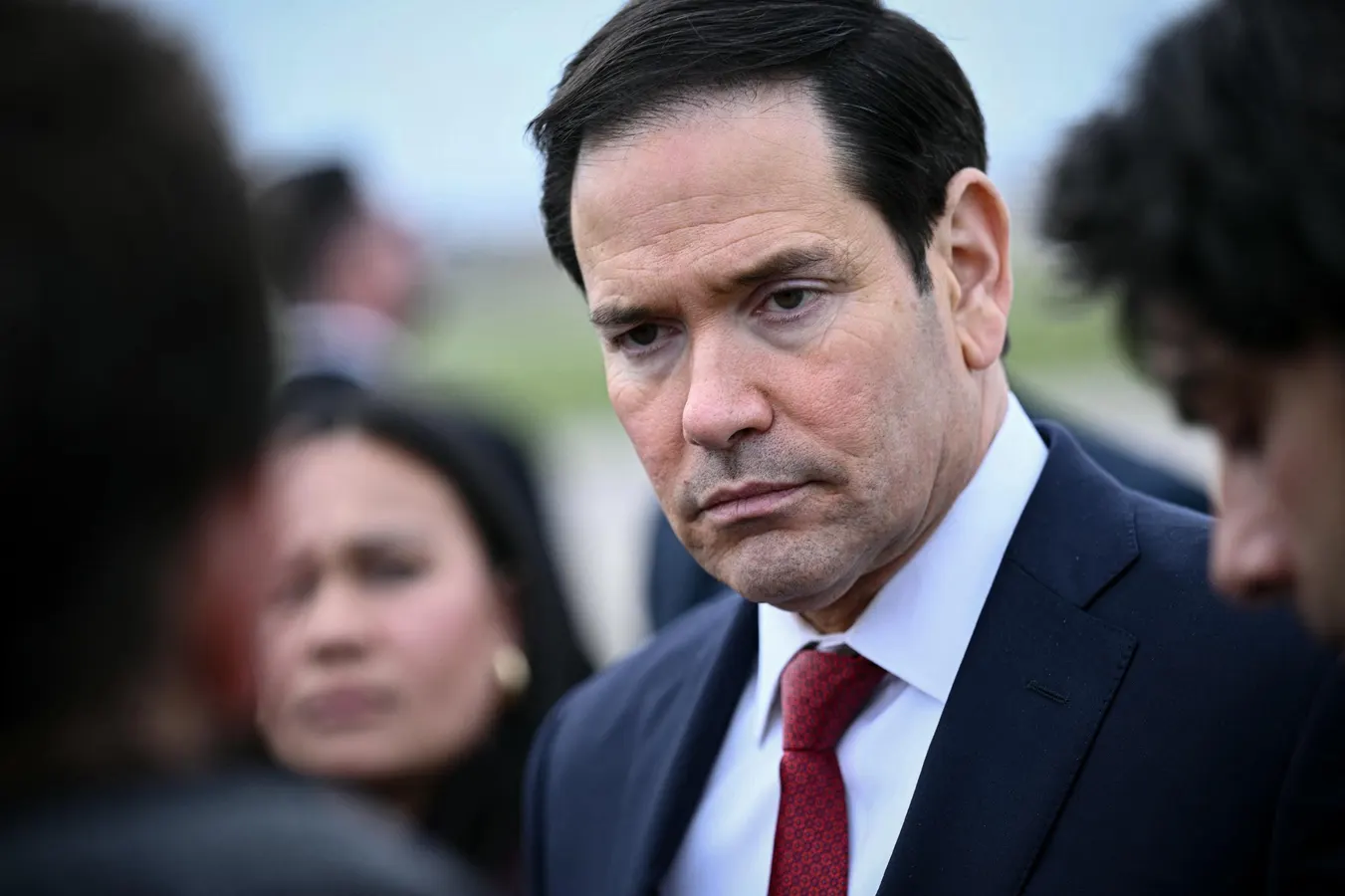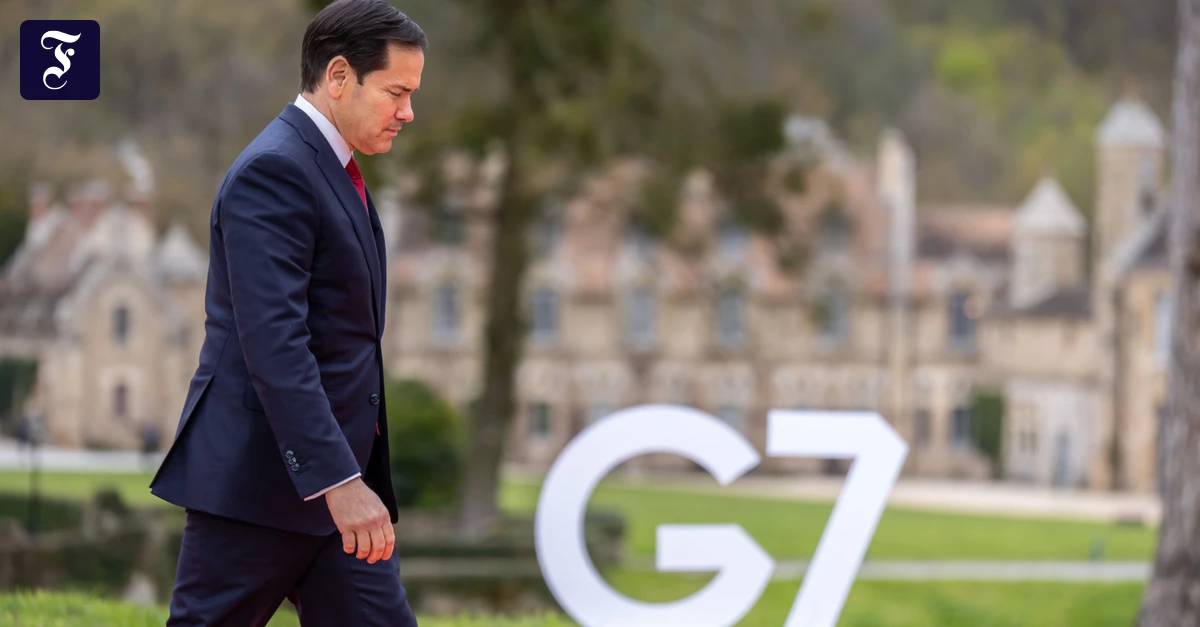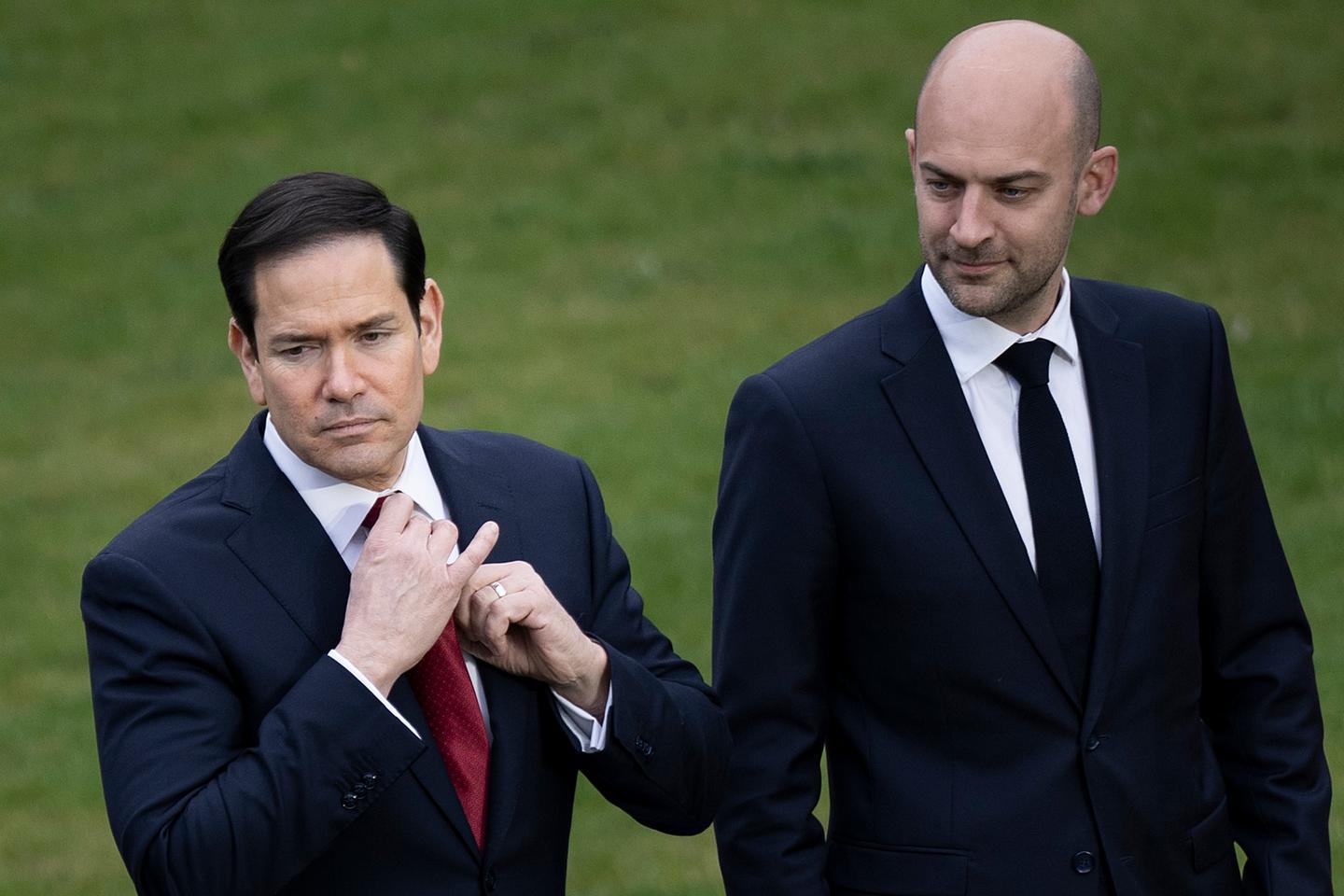
US Secretary of State Marco Rubio and French Foreign Minister Jean-Noël Barrot attend a meeting of G7 foreign ministers, the western Paris region town of Cernay-la-Ville, on March 27, 2026. BRENDAN SMIALOWSKI VIA AP
There was not a hint of doubt or the slightest admission of weakness in United States Secretary of State Marco Rubio's tone. Speaking at a G7 foreign ministers' summit, which was held at the Vaux-de-Cernay Abbey, in the heart of the Chevreuse valley in the western Paris region, on Friday, March 27, Rubio displayed self-assurance and confidence to his counterparts. He appeared convinced that the United States would soon achieve its military objectives in the war in Iran, which has now gone on for one month.
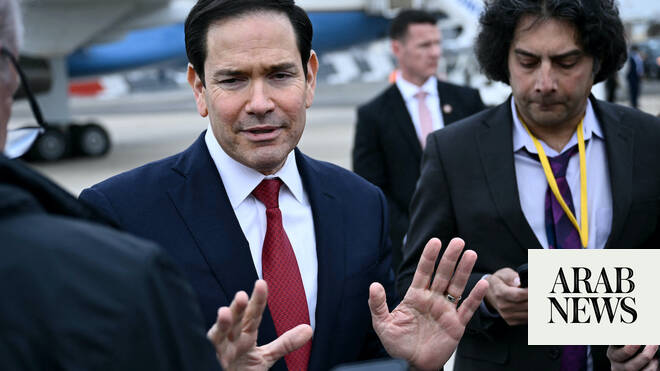
"This is not going to be a prolonged conflict," he told reporters, shortly before his return flight to Washington, hoping to dismiss predictions by analysts who have described the military operation, which the US launched in close coordination with Israel, as a potential quagmire, rekindling the trauma of the US wars in Vietnam, Afghanistan and Iraq.
Rubio said the military operation would conclude "within the next couple of weeks," as he sought to dispel the alarming idea that the war's strategy was being improvised, an image fueled by Donald Trump's erratic statements. The American president had, at one point, raised the idea of toppling the theocratic regime in Tehran – a plan that was considered unrealistic in Europe – before changing his position several times.