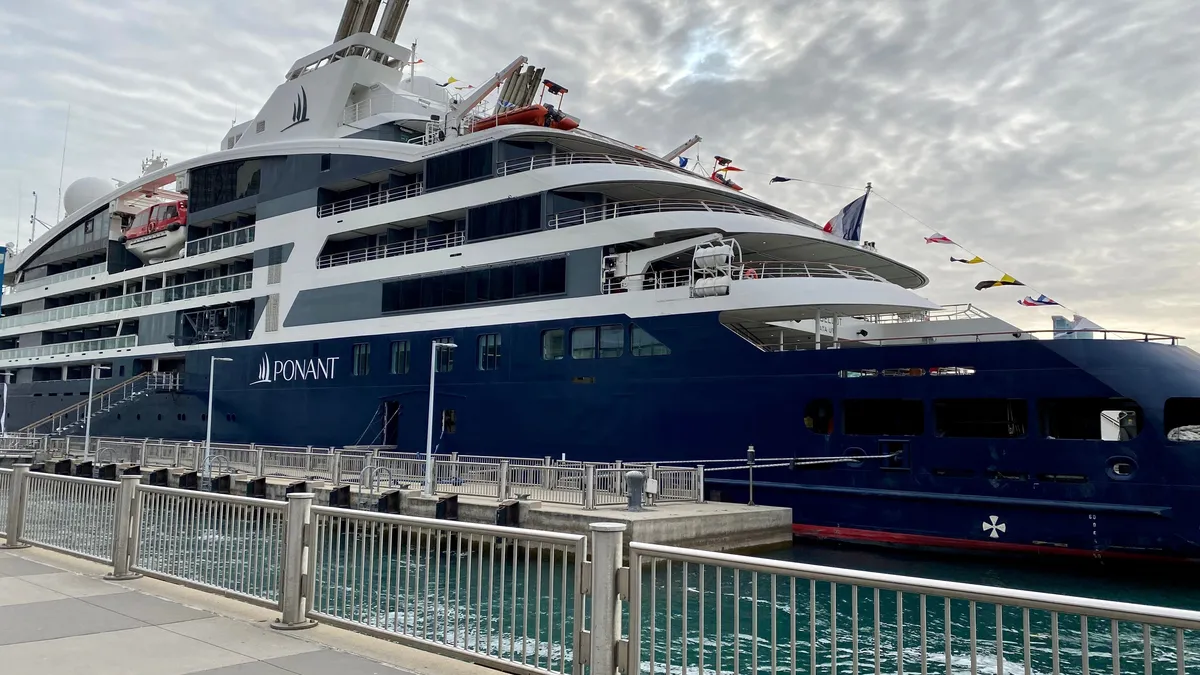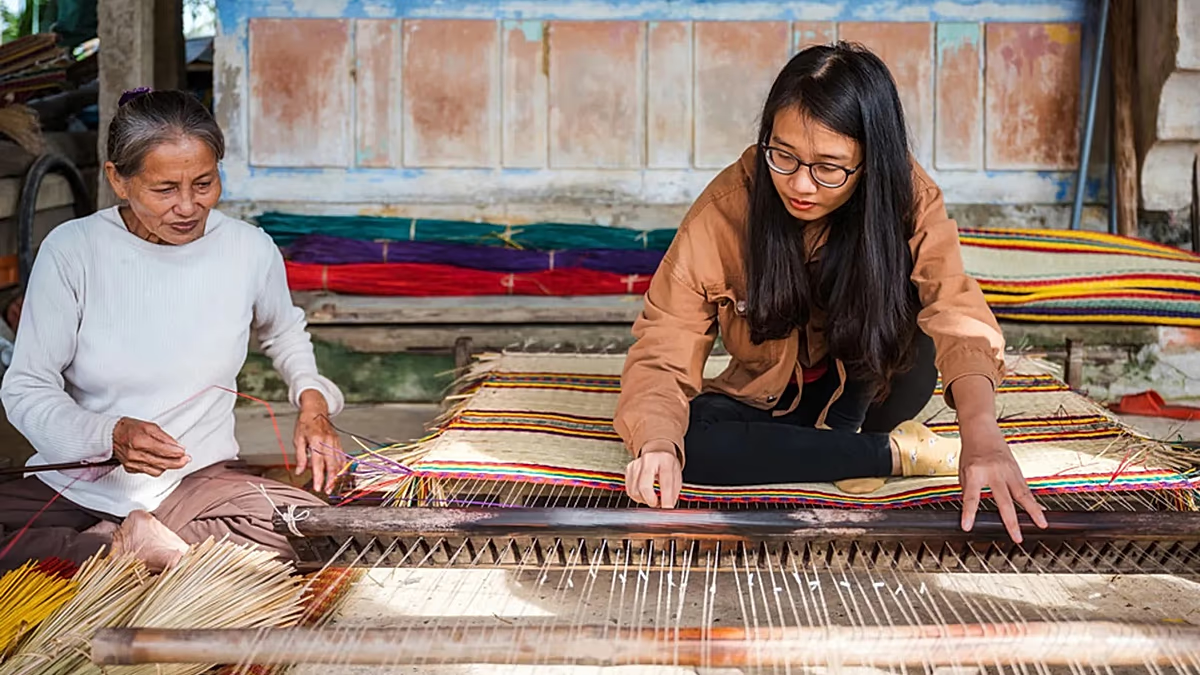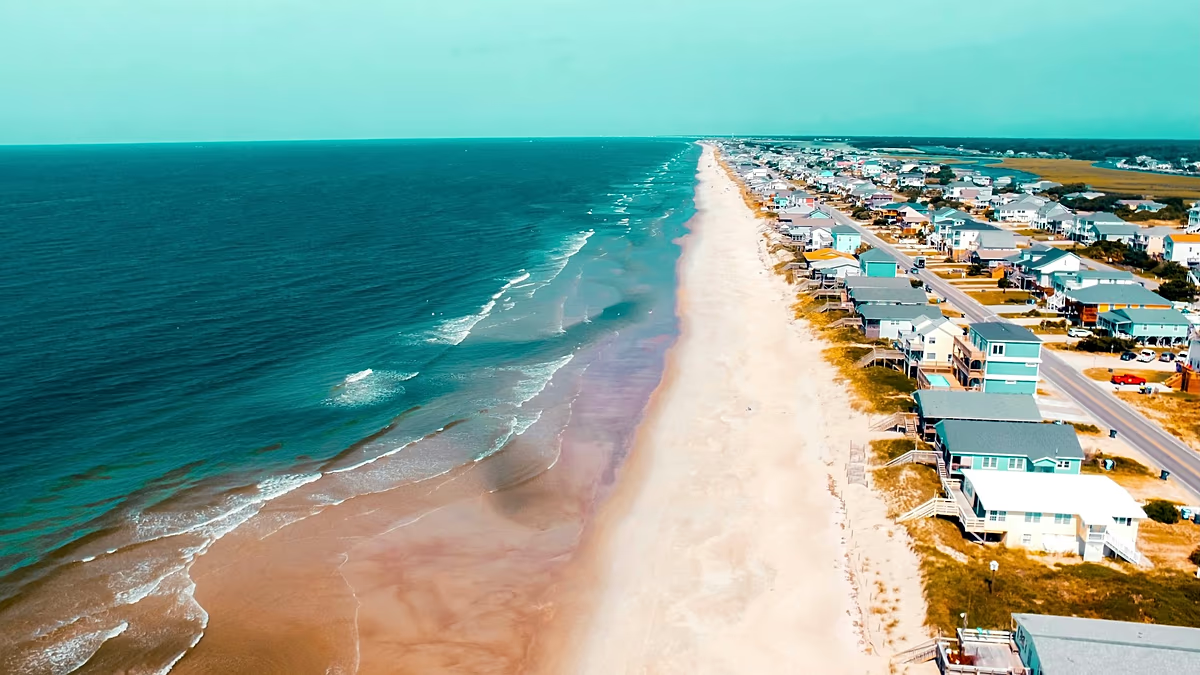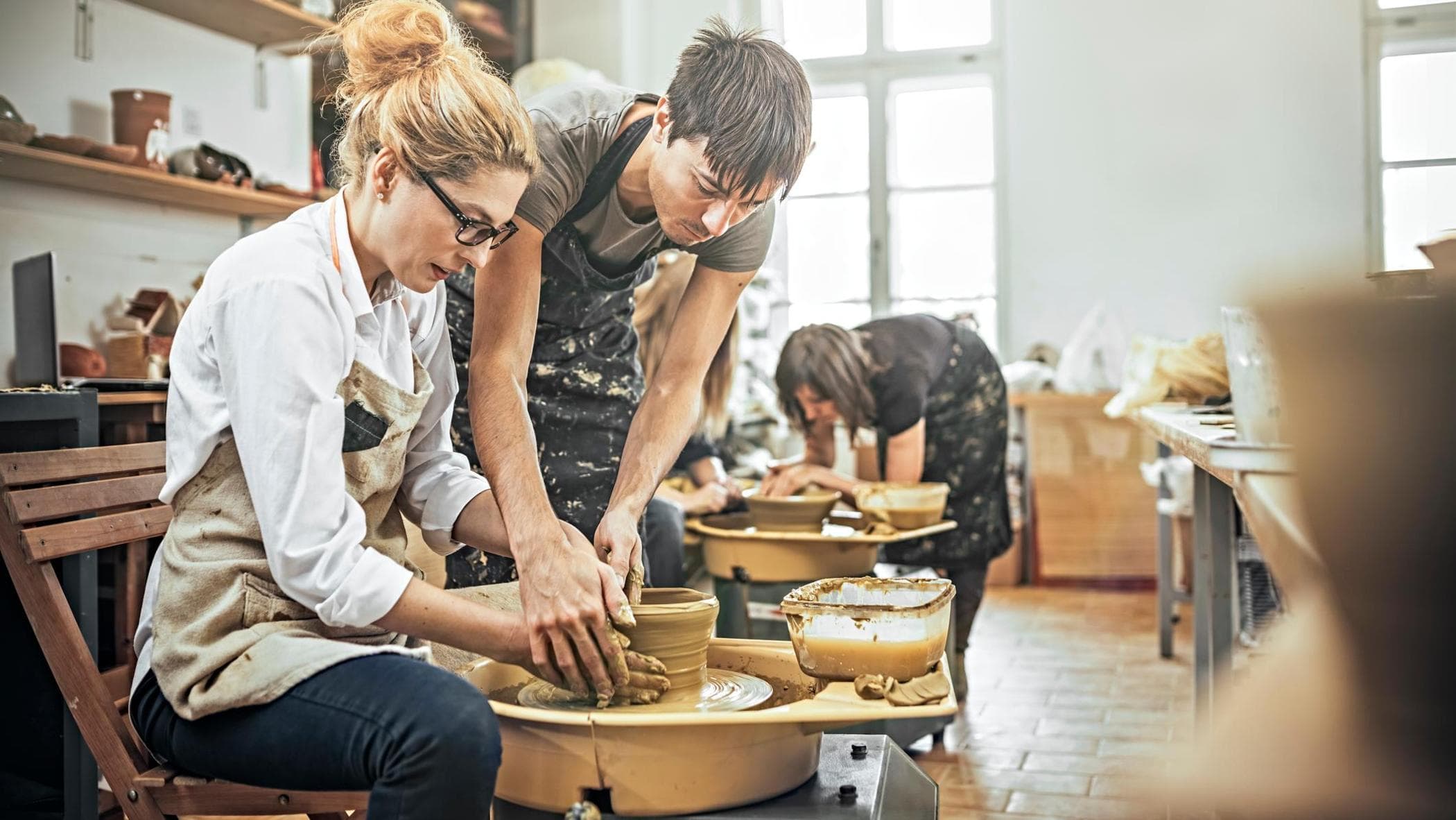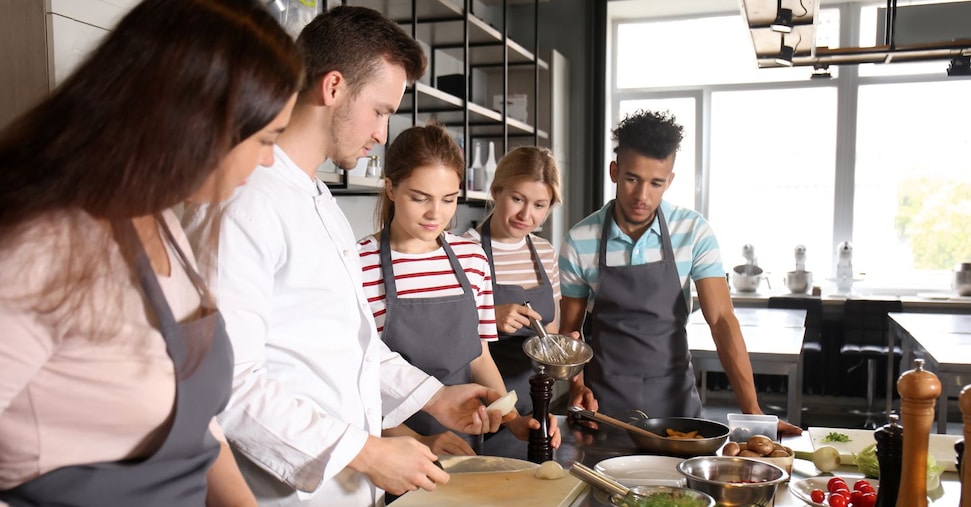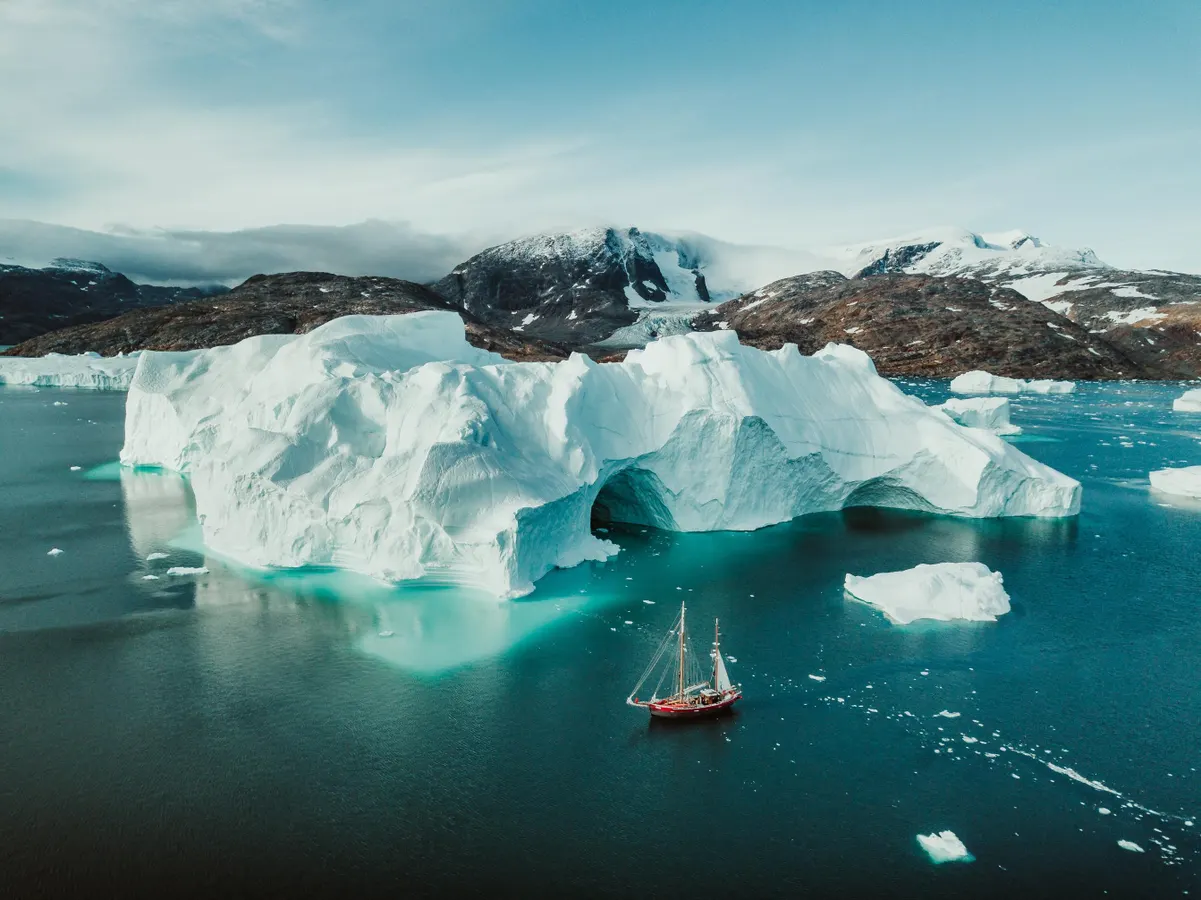
Travelers are looking to learn skills on vacation, like sailing across the Arctic.gettyForget lounging by the pool—2026’s hottest travel trend is the skillcation, where vacation time doubles as a chance to master something new. From sailing silent solar-powered vessels through Arctic fjords to throwing clay in a Japanese pottery studio, travelers are seeking experiences that teach, reconnect, and transform. It’s travel with intention—where play has a purpose, and the journey is more than just a break.The trend is evidenced in the numbers. Getmyboat, the world’s largest boat rental platform, has seen a 51% increase in bookings for sailing experiences. Travelers are reportedly looking for sightseeing with instruction, the chance to disconnect, and the opportunity to learn new skills, and to reconnect with nature.Taking the sailing skillcation opportunity one step further, you could hop aboard the world’s first solar-sailing polar vessel in Svalbard in Norway, with an all-female crew and onboard scientists who will teach you about polar bears, the Arctic and whale feeding. It is powered by both the wind and the sun, sails in silence, and is totally clean—you’d be emitting fewer emissions than most of the other nearby boats. The Captain Arctic accommodates 36 passengers and sails throughout the midnight sun season (March to October). And while cookery vacations have been around for decades, the trend is for travelers to immerse themselves even further in the culture and customs of the places they visit during their time off. CNTraveler reports on this trend, where travelers now want to connect with a place and its people through craft traditions. Think leather satchels from Florence or custom-designed clothes by tailors in Chiang Mai, Thailand. People are very keen at the moment to learns skills that they would never have learned at home, such as Peruvian weaving or Japanese pottery-making. The idea is to use vacation time well, by asking locals to share their heritage, expertise, traditions and customs.This follows a wider trend, where travelers are starting to book trips based on emotion rather than ticking off bucket list items while passing through destinations quickly. ALL Accor’s 2026 travel research found that 25% of respondents now begin their travel searches with a vibe or feeling, and this aligns with the vibe museums are following by making artefacts more hands-on. The V&A East Storehouse in London allows visitors to select and, in some cases, touch photographs from its collection of more than 250,000 pictures, a trend witnessed at the Glenbow in Calgary, the London Museum and Washington, D.C.’s National Geographic Museum of Exploration. Indeed, in a recent Thrillist/Vox Media survey, nearly 70% of millennials and Gen Z say travel is a key driver of personal growth and self‑discovery, a phenomenon the survey calls Passion Travel, in which visitors seek adventures that align with their interests. This is also something reported on Florida’s Space Coast, where visitors look to connect with nature in unique and meaningful ways. Think paddling through a lagoon as tiny microorganisms glow beneath the water, or kayaking past towering giraffes at Brevard’s one-of-a-kind zoo. This feeds into another trend reported by CNTraveler, where people are looking to travel to play sports, not just watch them. Fans of Formula One don’t just want to watch the Grand Prix; they want to race around a track in a Ferrari while they’re visiting. Or they want to watch the Tennis Cup but also play with the pros on the same trip. This ties into the science of play as a rejuvenating force during vacation—scientific studies show that humans need play in their everyday lives. A growing body of research highlights how play improves cognition, supercharges creativity, and helps people connect. Not having enough play in our lives can have serious health consequences. It makes sense, then, that travel analysts are also seeing a shift in wellness travel, where the intention is not just to feel great but to train the mind and body while there, so travelers can take the benefits back home after the vacation ends. So instead of just heli-skiing or remote desert treks, there is now the option of seeking out expert-led training in stress inoculation to build psychological fortitude.The skillcation reflect a shift in why and how people are traveling in 2026. Instead of passive sightseeing, travelers are turning their time off into a learning experience—and returning home not just refreshed, but armed with more skills than ever before.MORE FROM FORBESForbesPlaytime, Not Itineraries—How We’ll Vacation In 2026By Alex LedsomForbesTurn Your Time Off Into An Investment That Outlasts The VacationBy Alex LedsomForbesTravel Trends In 2026 Are About Emotion, Not DestinationBy Alex Ledsom
The Rise Of The Skillcation To Learn, Play, And Grow While You Travel
Skillcations are having a moment, where travelers are looking to gain skills and knowledge on vacation that last much longer than the return flight home.
763 words~3 min read