https://arab.news/yryz5
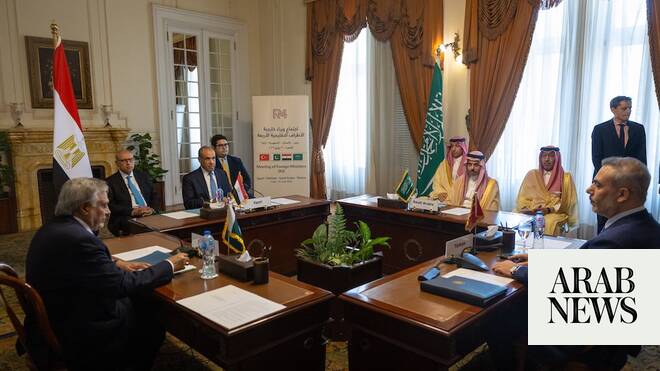
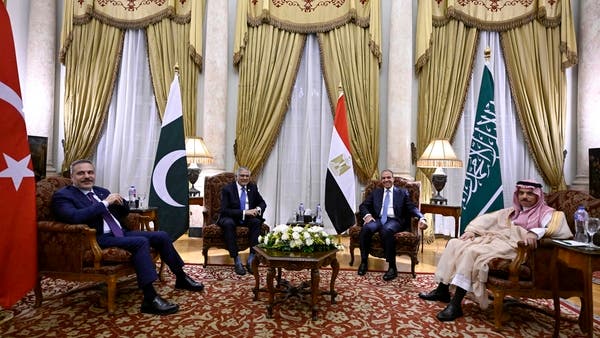
As the Gulf Cooperation Council states have become targets of Iran’s retaliatory attacks during the US and Israeli war on Iran, few countries in the region are in a position to foster open dialogue between Tehran and Washington to help bring the conflict to an end. In this context, Turkiye, Pakistan and, more recently, Egypt have emerged as a coalition of states pushing for talks, offering their capitals as possible venues for de-escalation negotiations.
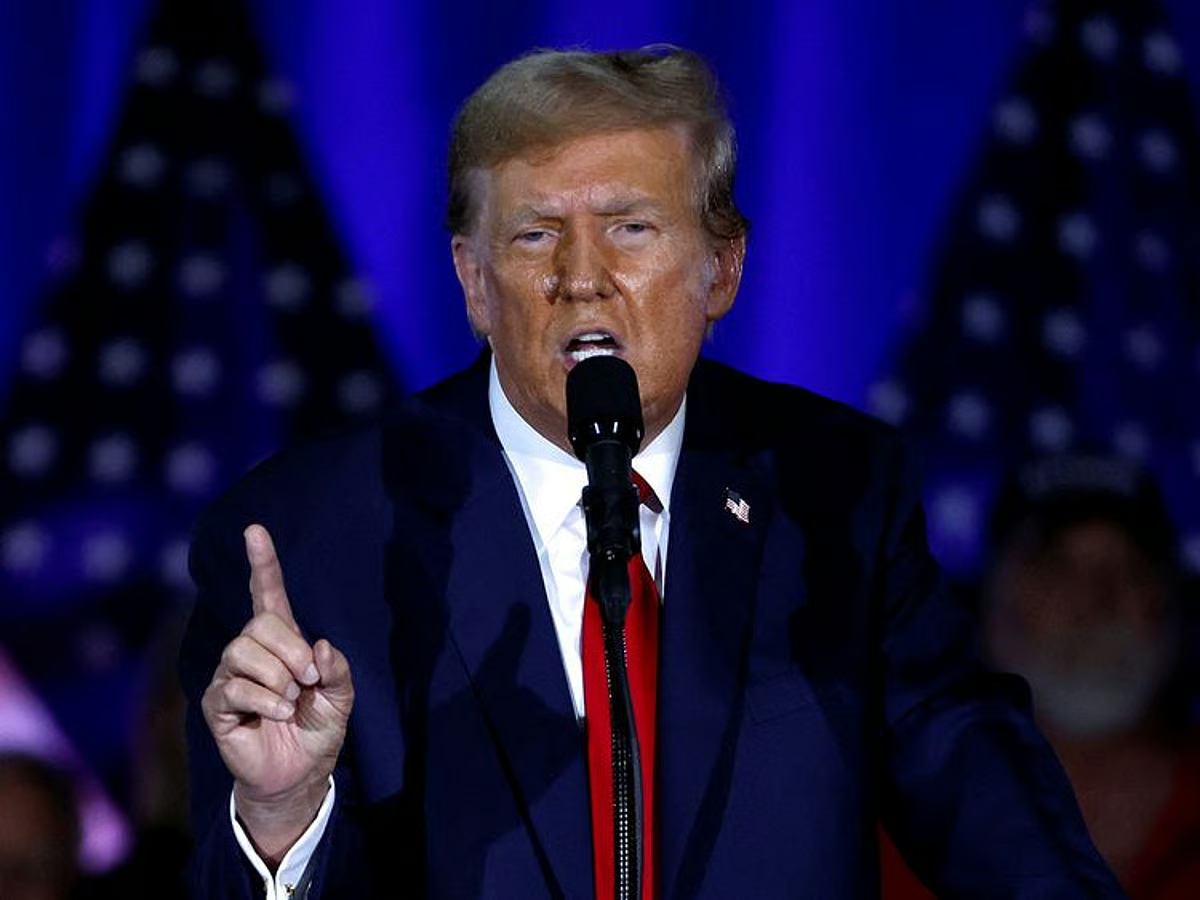
On Thursday, US President Donald Trump yet again changed course and postponed the attacks against Iran’s power plants till April 07. He said that the ongoing talks between Tehran and Washington were going “very well.”
As time began to run out, Islamabad and Ankara intensified their diplomatic efforts. At the time of writing, little is known about what they have achieved, what stage the process has reached and whether Iran has accepted any proposals. It is also unclear whether the sides will reach an agreement — widely seen as unlikely — or whether the conflict will continue to escalate.
Speaking on state TV on Wednesday, Iranian Foreign Minister Abbas Araghchi said there were no negotiations taking place with the US. Araghchi also said Iran did not plan to open the Strait of Hormuz to ships from Western nations allied with America.