The US court verdicts declaring Meta liable for getting people addicted and ruining lives must be just the start of a global fightback
G
ood news is so rare these days, you don’t quite know how to take it. You want to celebrate, but a rival instinct tells you it’ll be pulled back somehow, the same feeling you get when your team scores a late winner, but you’re filled with instant dread that the goal will be overturned on a video replay.
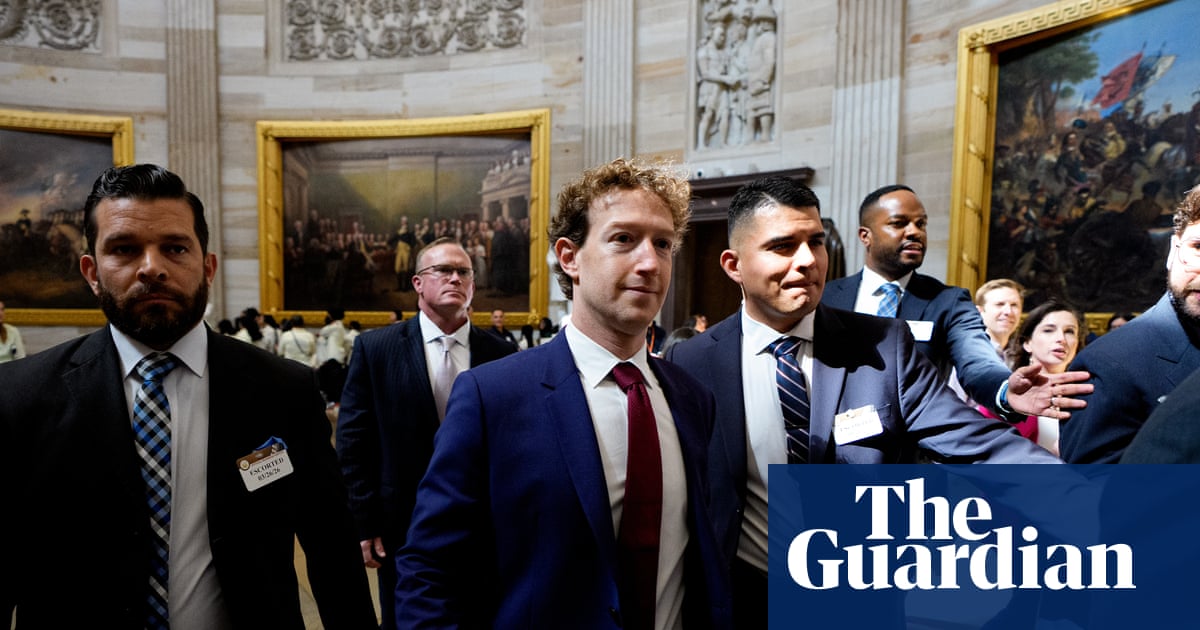
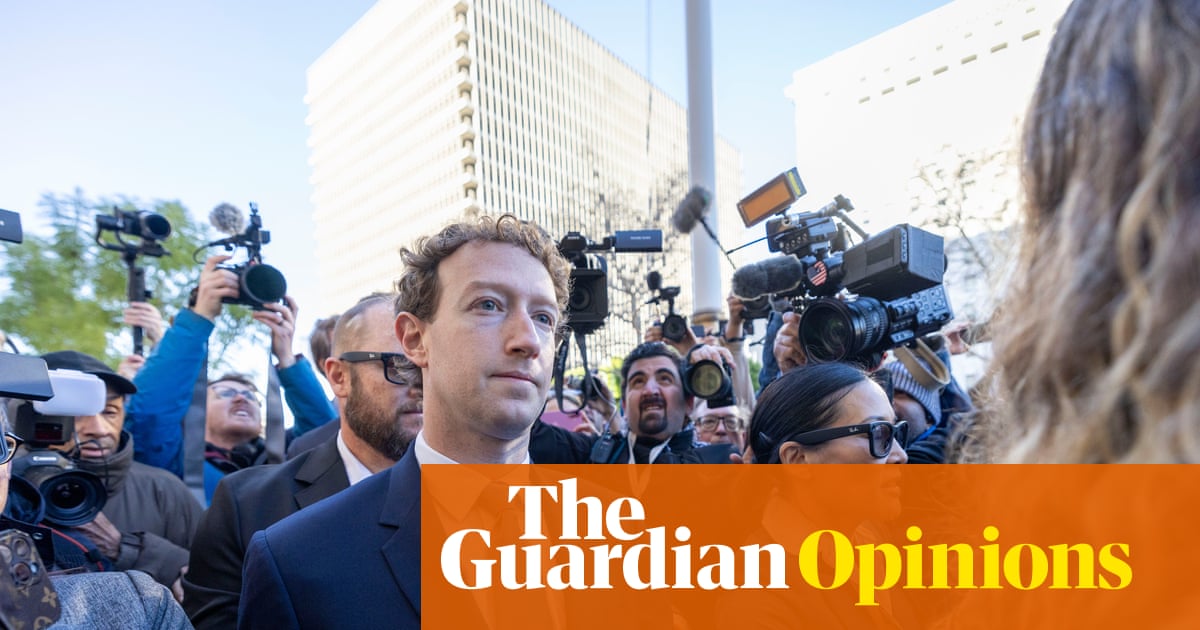
I confess that is how I responded to the double legal blow dealt this week to Meta, the company that owns Facebook and Instagram, when two US juries on successive days found against it in a pair of landmark cases. First came a verdict in New Mexico, fining the company $375m (£280m) for enabling harm, including child sexual exploitation, on its platforms and for misleading consumers about their safety. Twenty-four hours later, jurors in California awarded $6m in damages to a young user who had argued that Meta (along with YouTube) had deliberately designed addictive products that had hooked her from childhood, causing her grave harm.
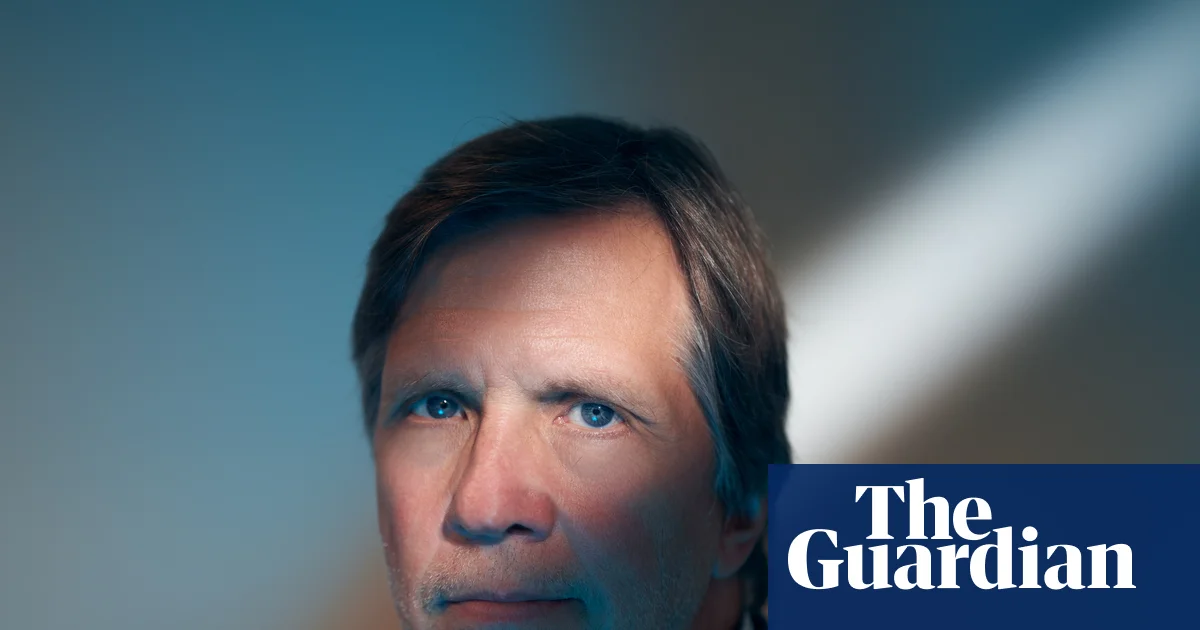
Campaigners were thrilled, believing they had at last made a breakthrough in their long battle to tame the tech companies that shape so much of our daily lives – influencing what we know of the world, how we talk to others and how we feel about ourselves. I spoke the day after the California verdict to Frances Haugen, the former Facebook employee turned whistleblower who, by releasing 20,000 pages of internal documents in 2021, provided clear evidence that the company knew its platforms were causing harm, whether damaging children or destabilising democracy, but went ahead anyway in pursuit of “astronomical profits”. Haugen told me that Meta could be facing its “asbestos moment”, with its products deemed toxic and facing legal payouts amounting to, by her calculation, as much as a trillion dollars – a sum that, she says, would make “bankruptcy” a genuine possibility.