BUENOS AIRES, March 27 (UPI) -- Infant mortality in Argentina, a key indicator of health, social and economic conditions, has increased slightly, breaking a two-decade downward trend amid declining birth rates and budget cuts in the health sector.
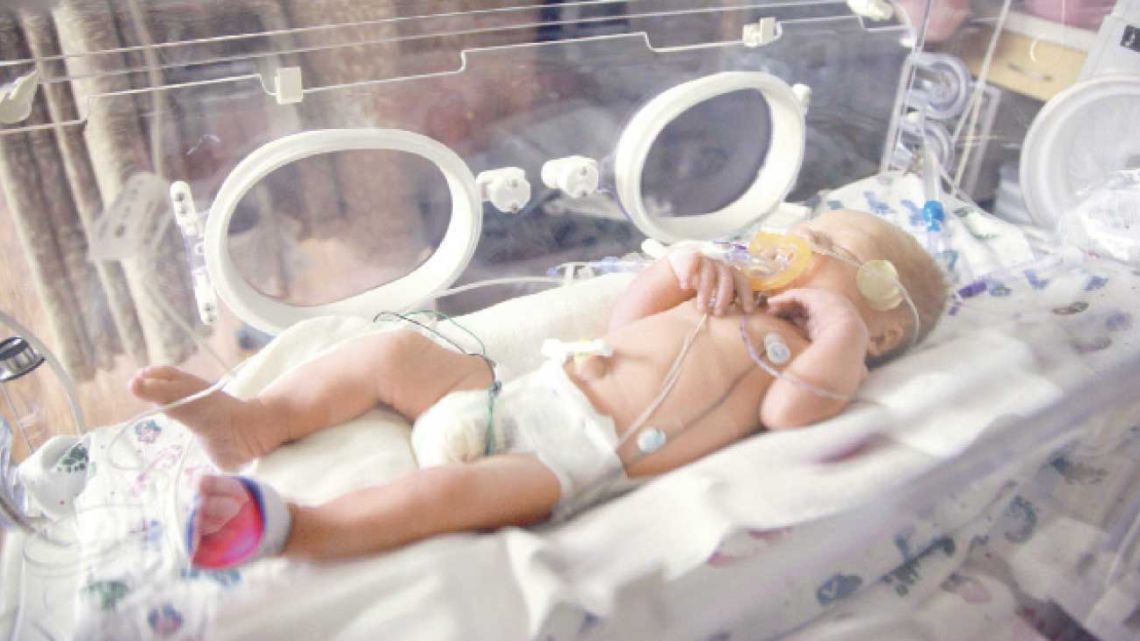
The infant mortality rate, which measures the number of deaths before age 1, rose to 8.5 per 1,000 live births between 2023 and 2024 from 8 per 1,000 live births between 2022 and 2023, a 6.25% increase.
"The increase, beyond its magnitude, is very concerning because it breaks a long-standing trend," former Health Minister Adolfo Rubinstein told fact-checking outlet Chequeado. He said the shift is notable given that the rate had been steadily declining in Argentina and across much of the region for decades.
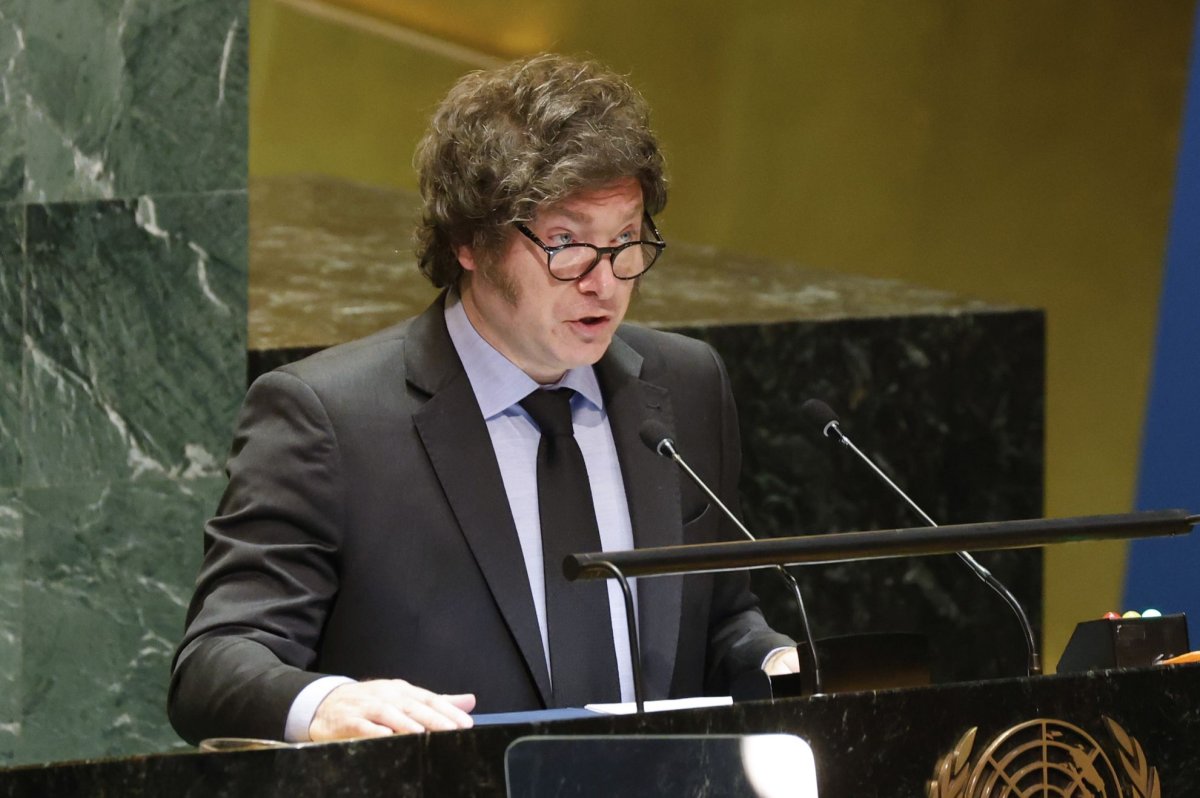
Rubinstein said the figures are largely explained by rising poverty and its impact on health, a trend that began during the COVID-19 pandemic and deepened in recent years under the administrations of former President Alberto Fernández and current President Javier Milei.
Demographer Eleonora Rojas, a researcher at Argentina's National Scientific and Technical Research Council, known as CONICET, told UPI that infant mortality reflects overall living conditions and access to health care.