Campaigner criticises ‘shortsighted and self-defeating’ decision and says it increases risk to the UK public
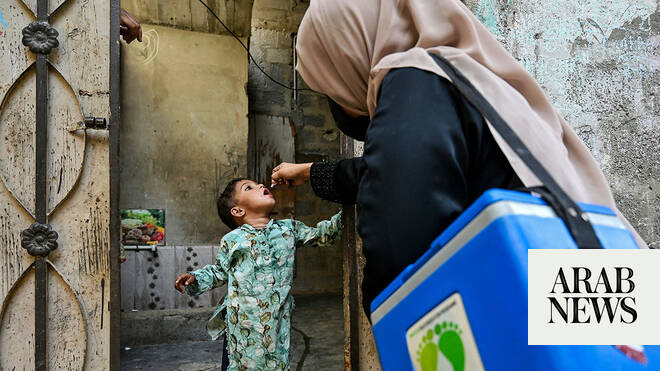
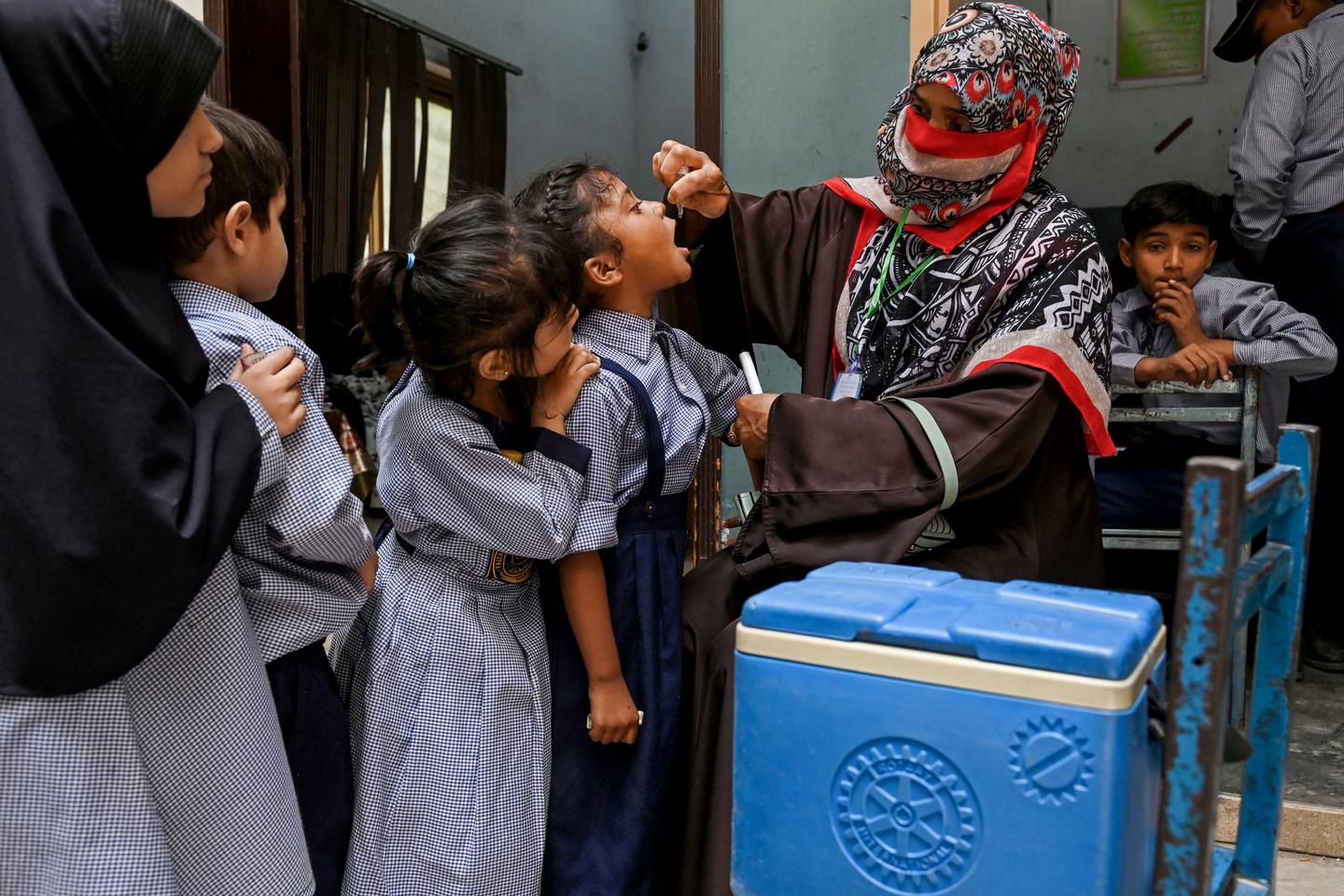
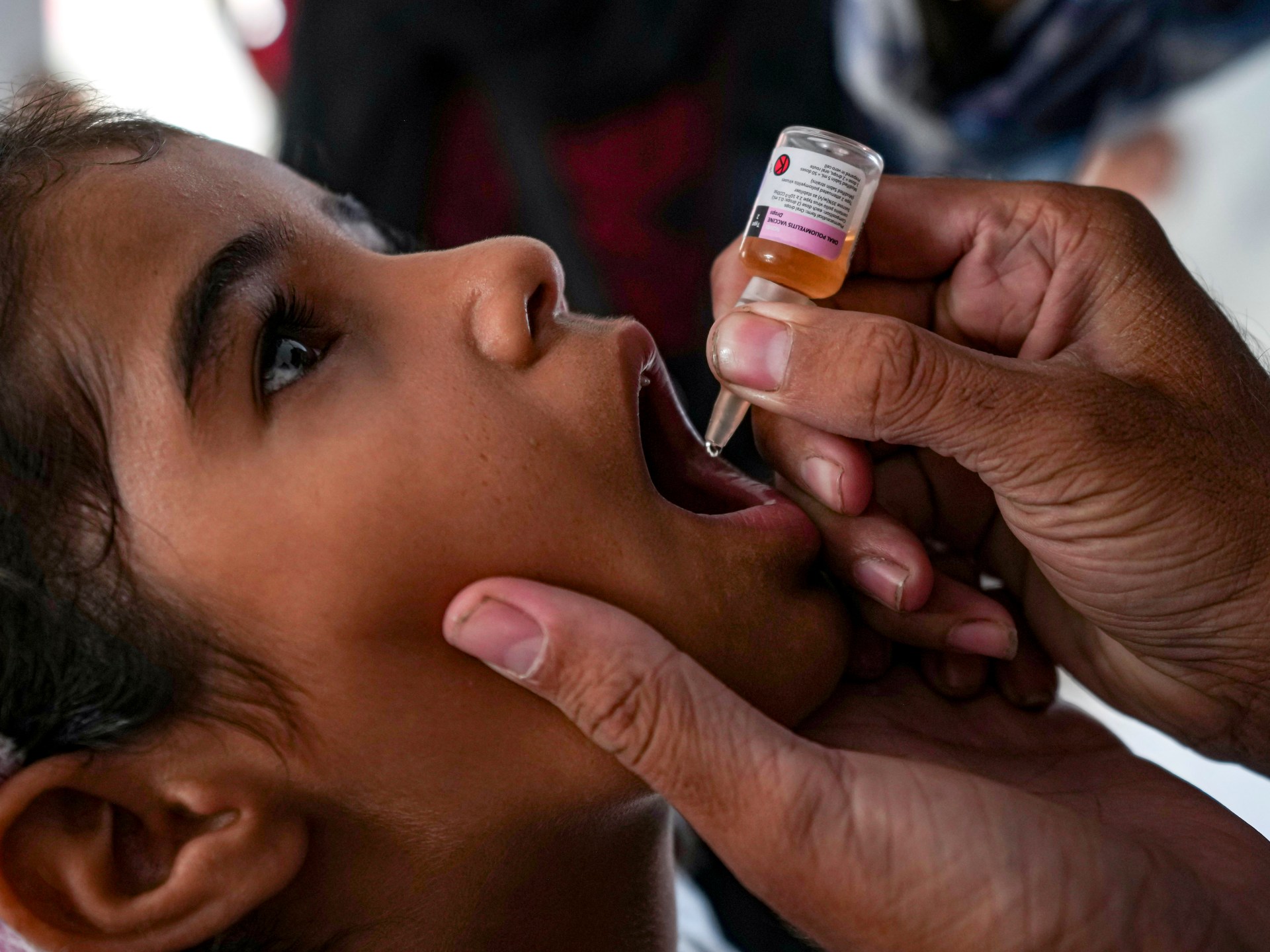
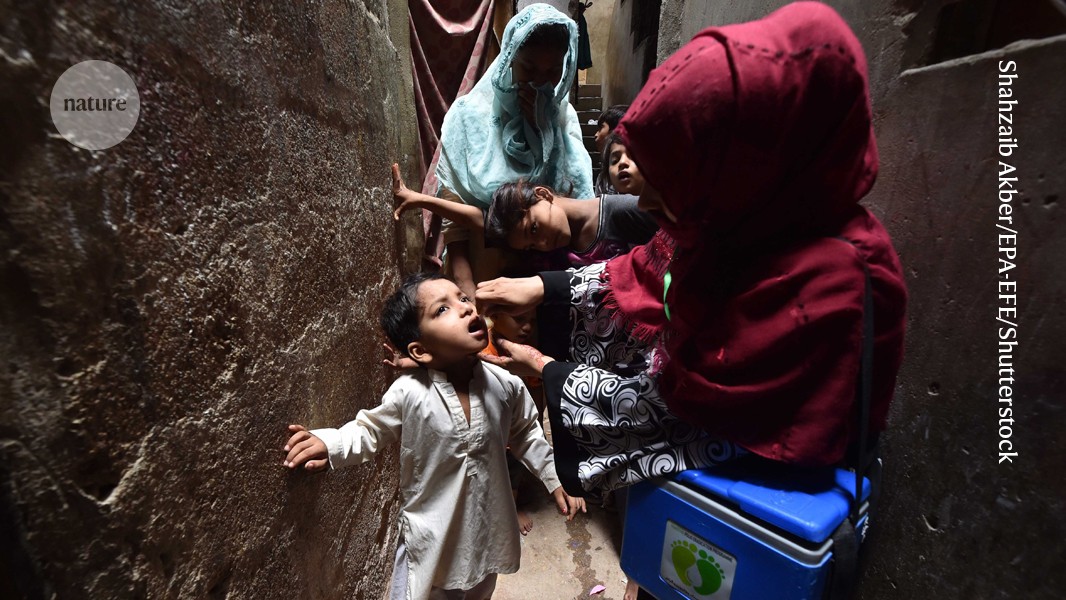
The polio virus was detected in London sewage for the second time this year, days before ministers withdrew funding for global polio eradication efforts.
Its detection reveals the spending cuts to be “shortsighted and self-defeating”, campaigners said. Polio is an extremely infectious viral disease, which typically affects young children under-five. It can cause paralysis by damaging nerves in the spine and base of the brain, and can be life-threatening if it affects muscles used for breathing.
UK health officials take weekly samples of wastewater from sewage plants around England to check for the presence of poliovirus and will typically pick up a handful of cases a year. The latest detection, in a sample collected on 2 March and reported by the Global Polio Eradication Initiative (GPEI) on Friday, is the 10th since 2024.
“The finding, once again, of poliovirus in sewage samples in London indicates there is an ongoing risk that the virus is transmitting in the city. This is a very worrying situation in communities with low vaccination rates, an ongoing danger to health in parts of London, as polio infection can be devastating,” said Prof Sir Andrew Pollard, the director of the Oxford Vaccine Group at the University of Oxford.