Within 48 hours, the legal landscape governing social media and children shifted in ways that will take years to fully understand and verify.
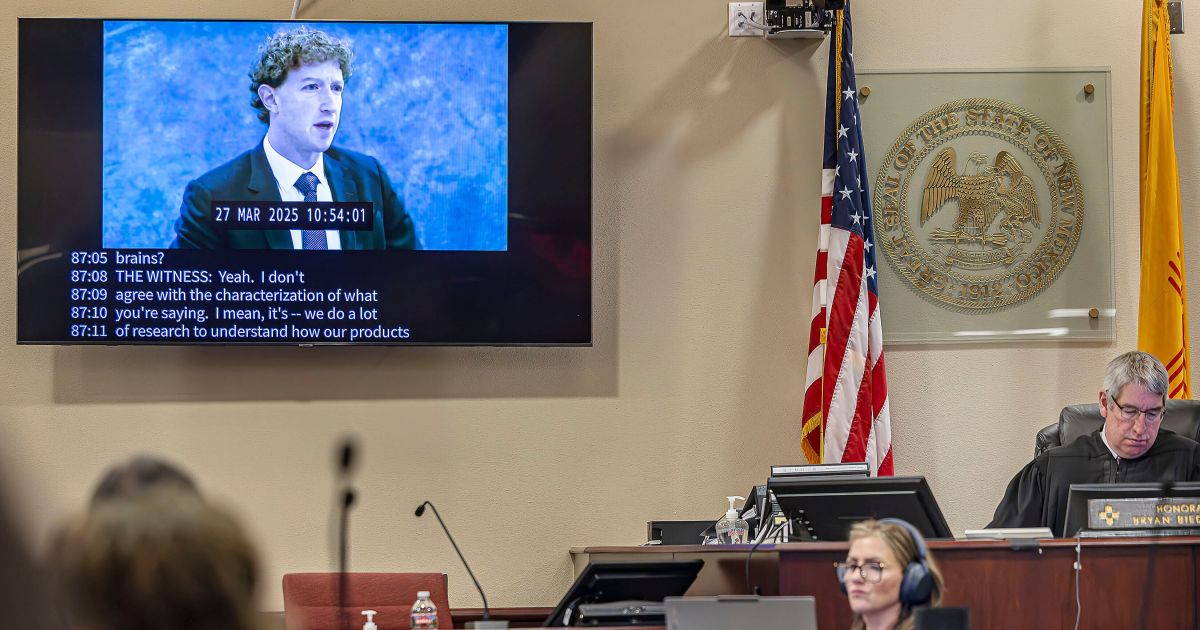
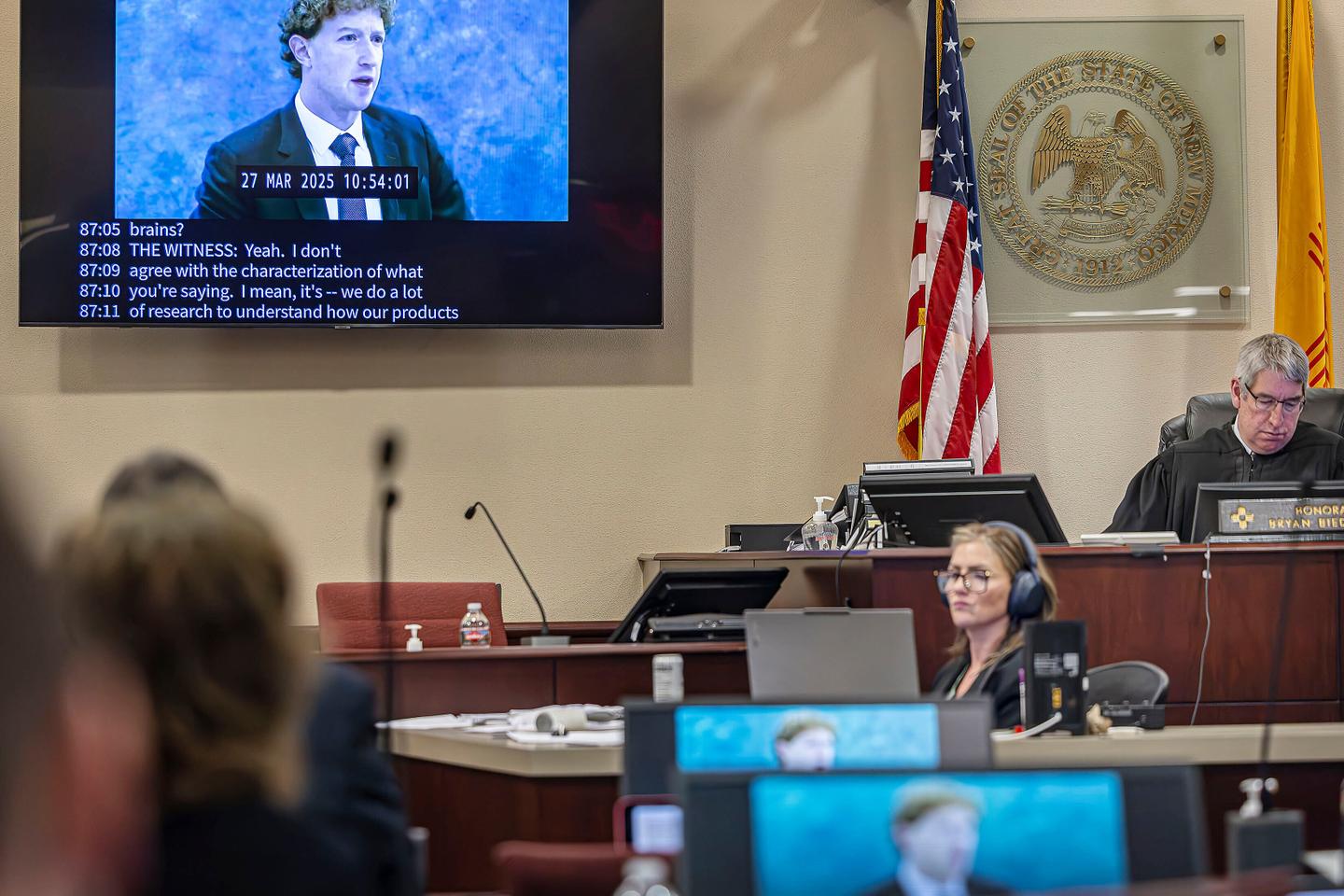
On March 24, 2026, a Santa Fe jury ordered Meta to pay $375 million for violating New Mexico's consumer protection laws. The next day, a Los Angeles jury found Meta and Google's YouTube negligent in the design of their platforms, awarding almost $6 million in damages to a single plaintiff.
The dollar figures are drawing headlines, but a $375 million penalty against a company worth $1.5 trillion is a rounding error. The award is less than 2% of Meta's $22.8 billion net income in 2025. Meta's stock rose 5% on the day of the New Mexico verdict, indicating how the market assessed the effect of the penalty on the company.
Fines without structural change are more akin to licensing fees than accountability. As a technology policy and law scholar, I believe the question of whether these verdicts will produce real changes to the products that millions of children use every day is more consequential than the jury awards.
The answer is not yet, and not automatically. A financial penalty does not rewrite a single line of code, remove an algorithm or place a safety engineer in a role that was eliminated to protect a quarterly earnings report. Meta and Google have signaled they will appeal, with First Amendment challenges to the product-design theory the likely central battleground.