It was a sunny afternoon in San Martin, Ecuador, on March 26 when Miguel, a 32-year-old Ecuadoran carpenter, gave a USA TODAY reporter a remote tour, via WhatsApp video call, of his farm in the Amazon. The tour came in response to the Ecuadoran defense ministry's March 25 statement that his property wasn't a dairy farm, as had been reported, but a drug trafficking hideout, based on United States intelligence.
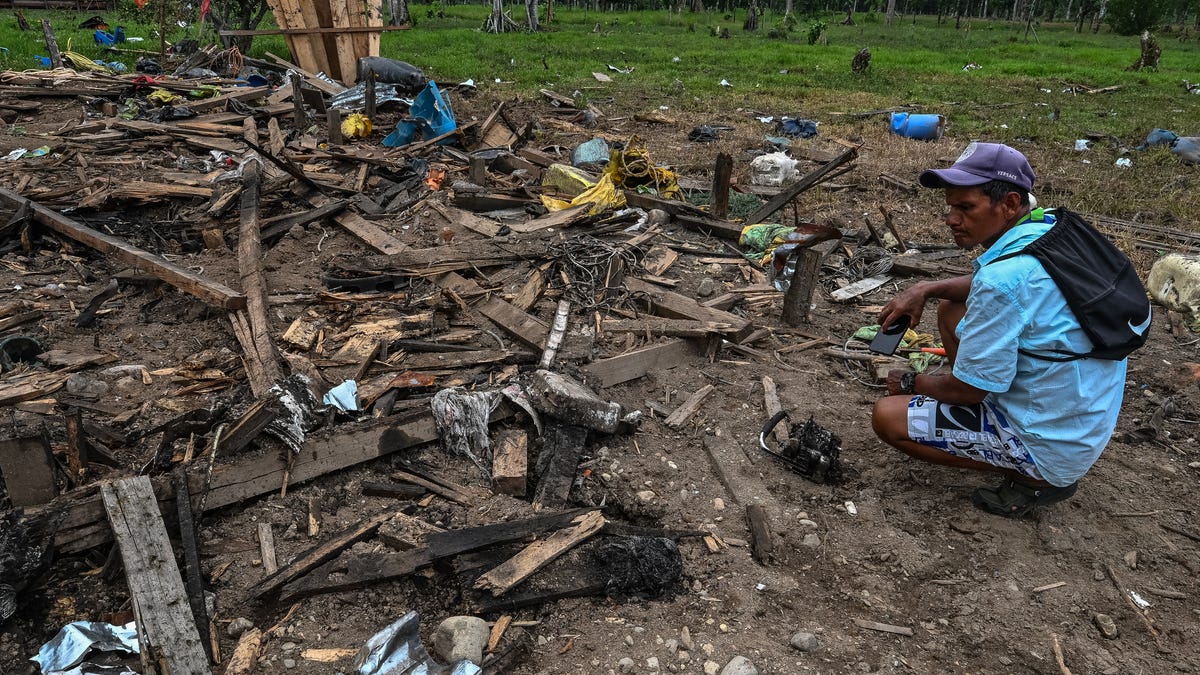
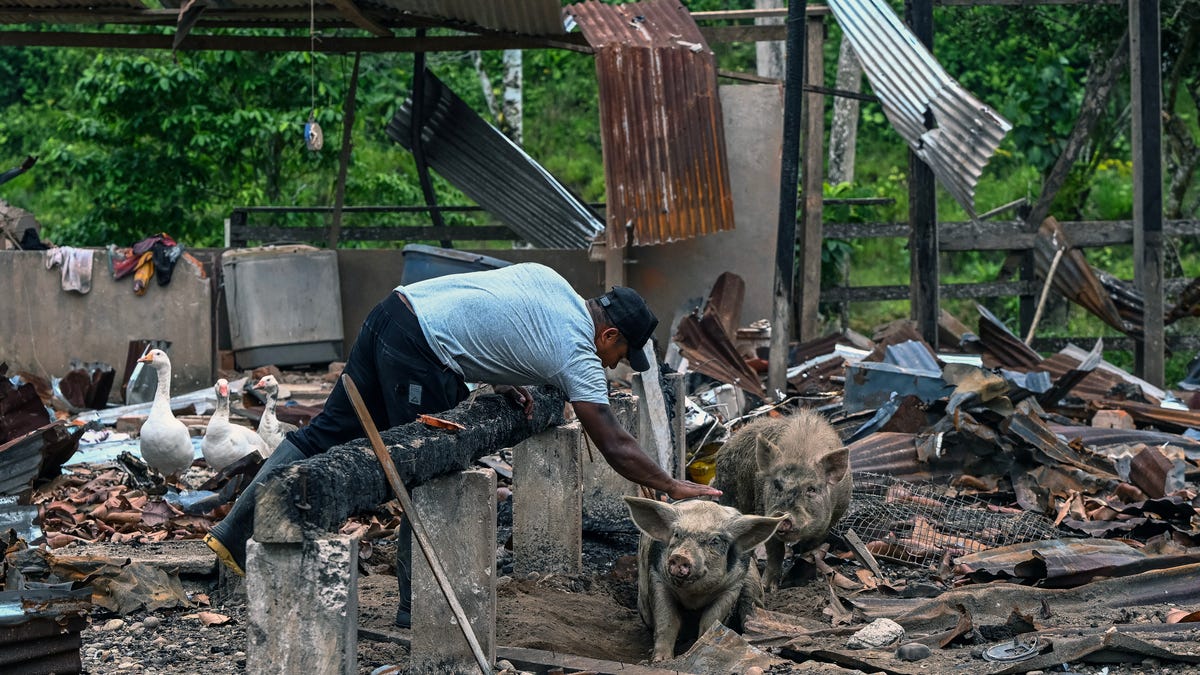
Nearly three weeks earlier, the Ecuadoran military bombed Miguel's farm in a joint military operation with the United States.
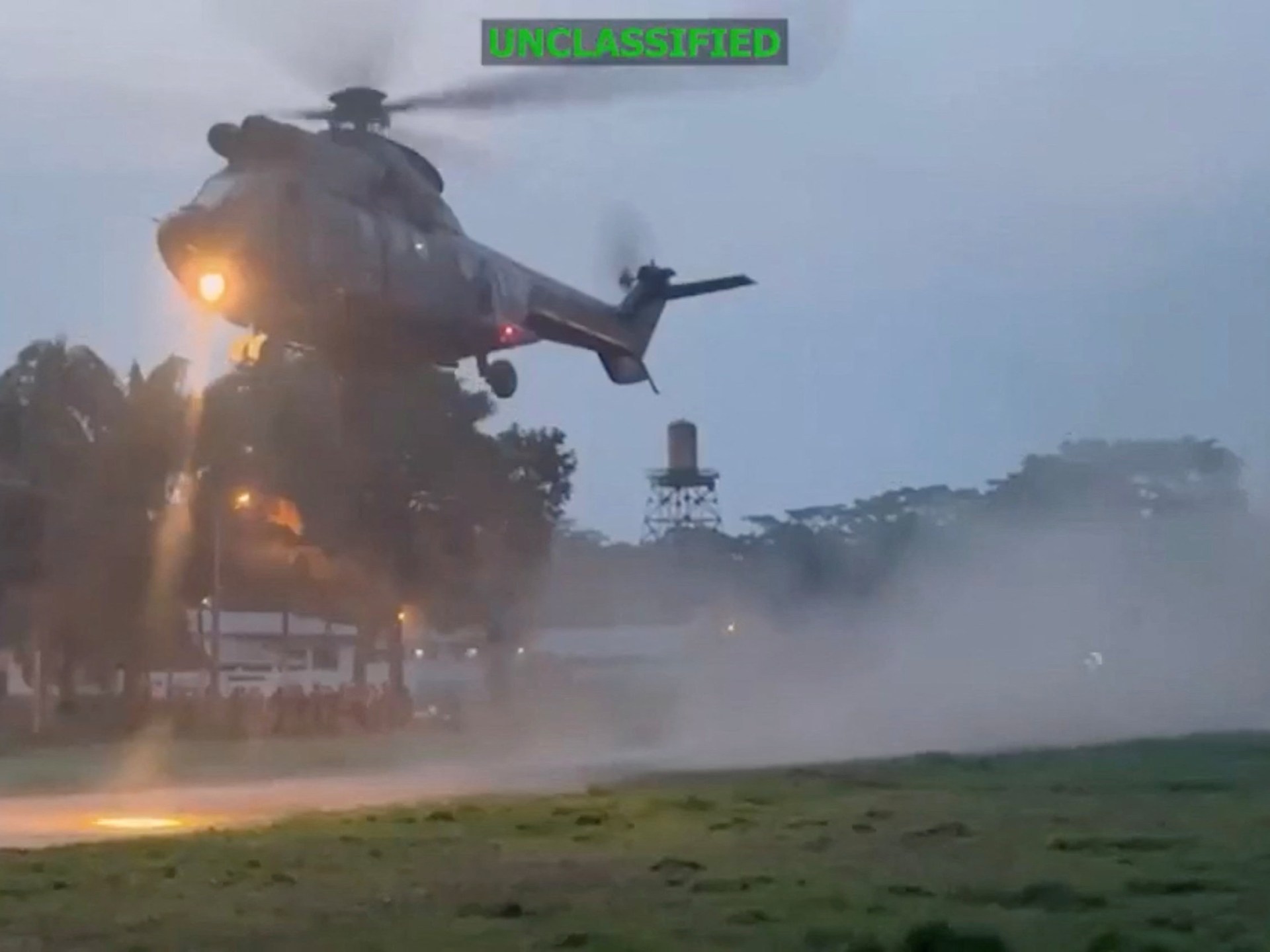
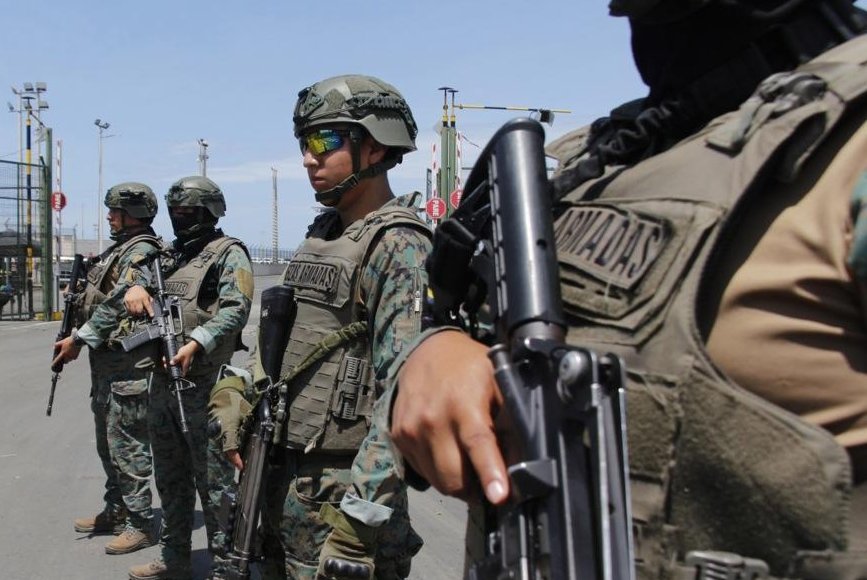
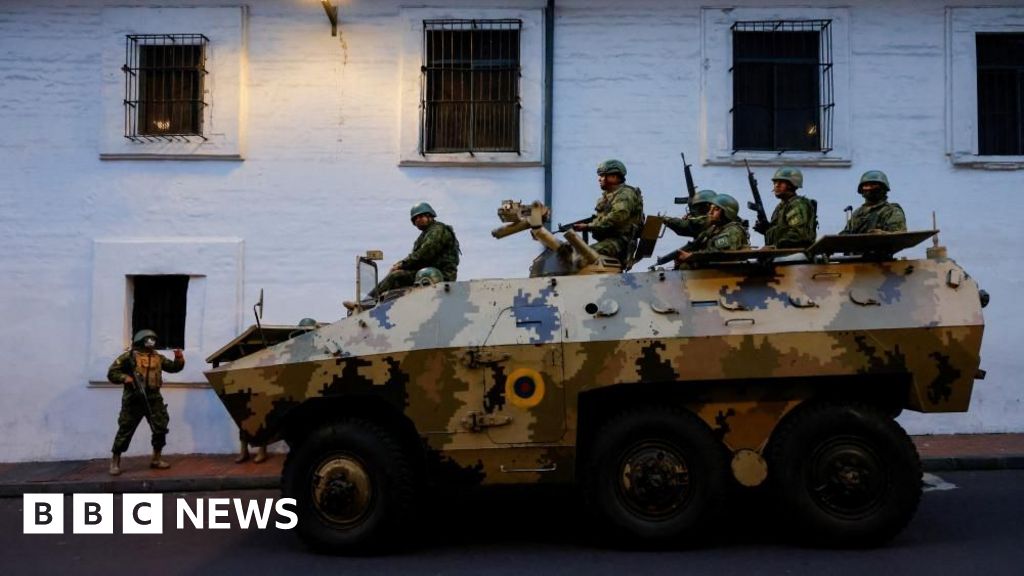
Ecuador's defense ministry said it cooperated with the United States to validate intelligence information on the site in northeastern Ecuador, for Operation Total Extermination in early March. Miguel's property could not be a dairy farm, a ministry statement said, as “there was no presence of livestock or productive activity of that type.”
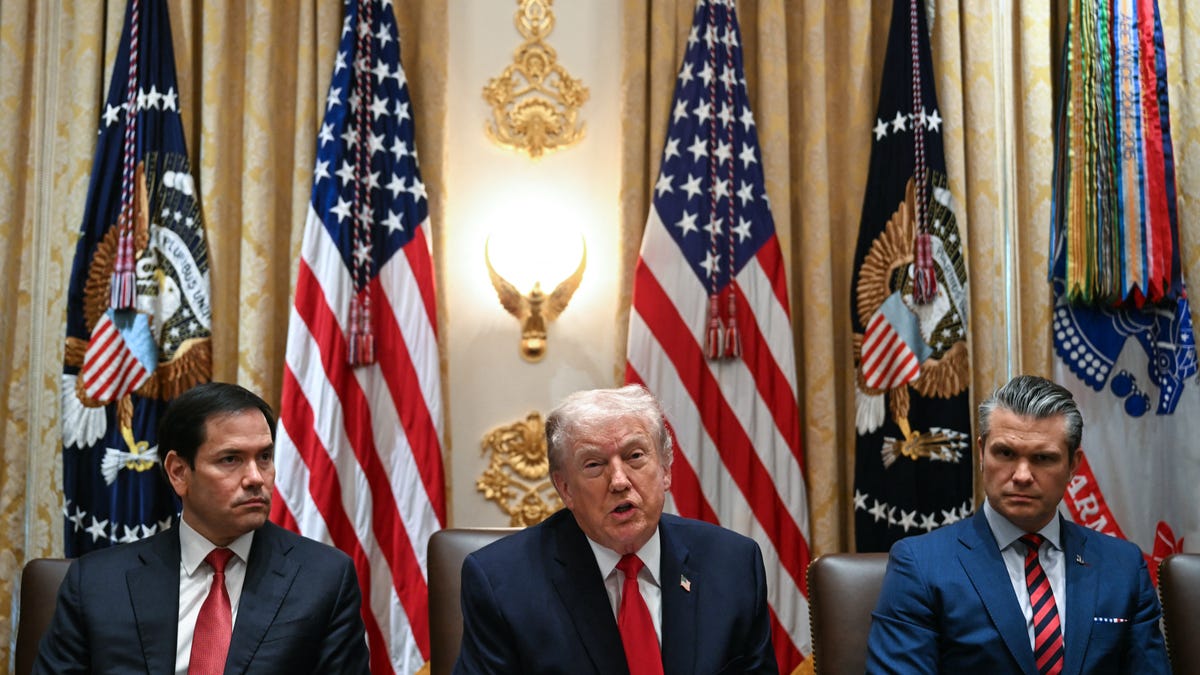
Officials have said the farm was actually a hideout for the leader of a Colombian drug trafficking group, and also a training site with capacity for 50 drug traffickers. The U.S. Department of Defense, now known as the Department of War, has recently said the United States and Ecuador conducted the operation "jointly."
Miguel, who has asked USA TODAY not to publish his last name because he fears retaliation from security forces, denies having any ties to criminal groups. In a video call, he said he's confused how officials couldn't see his livestock on his land in San Martin, a village of 27 families.