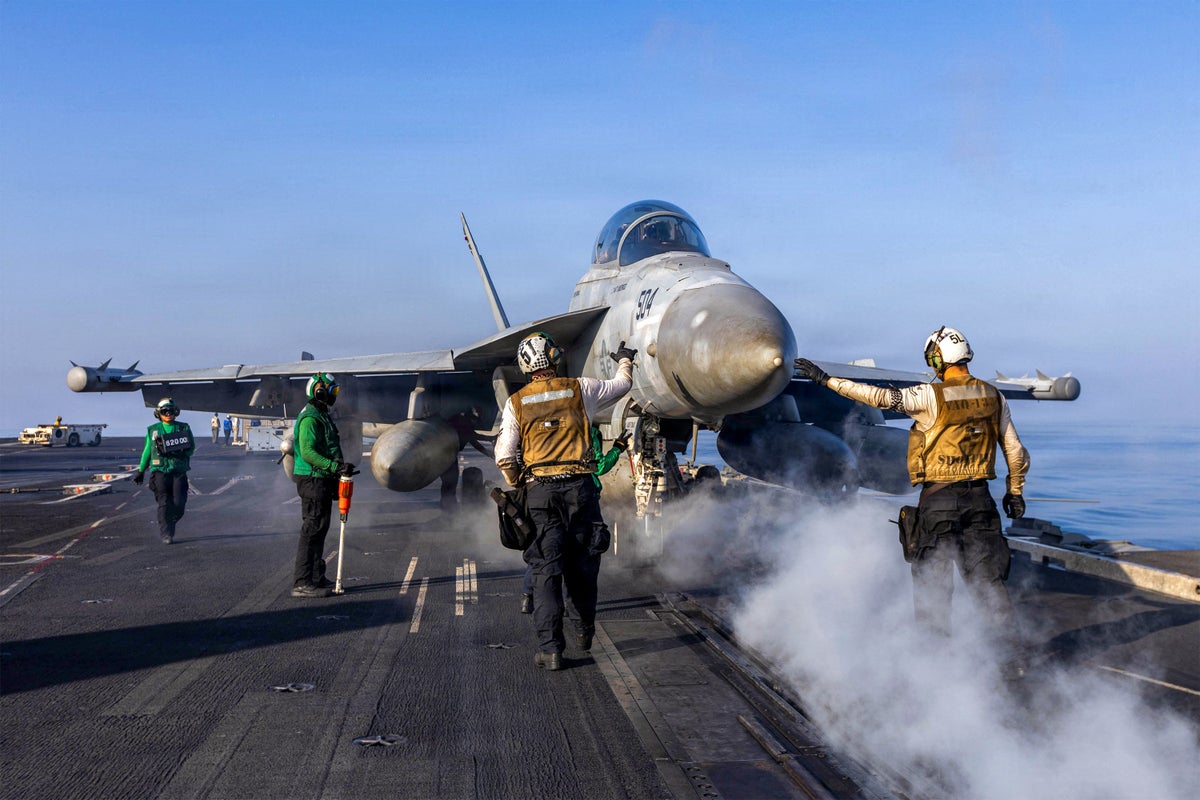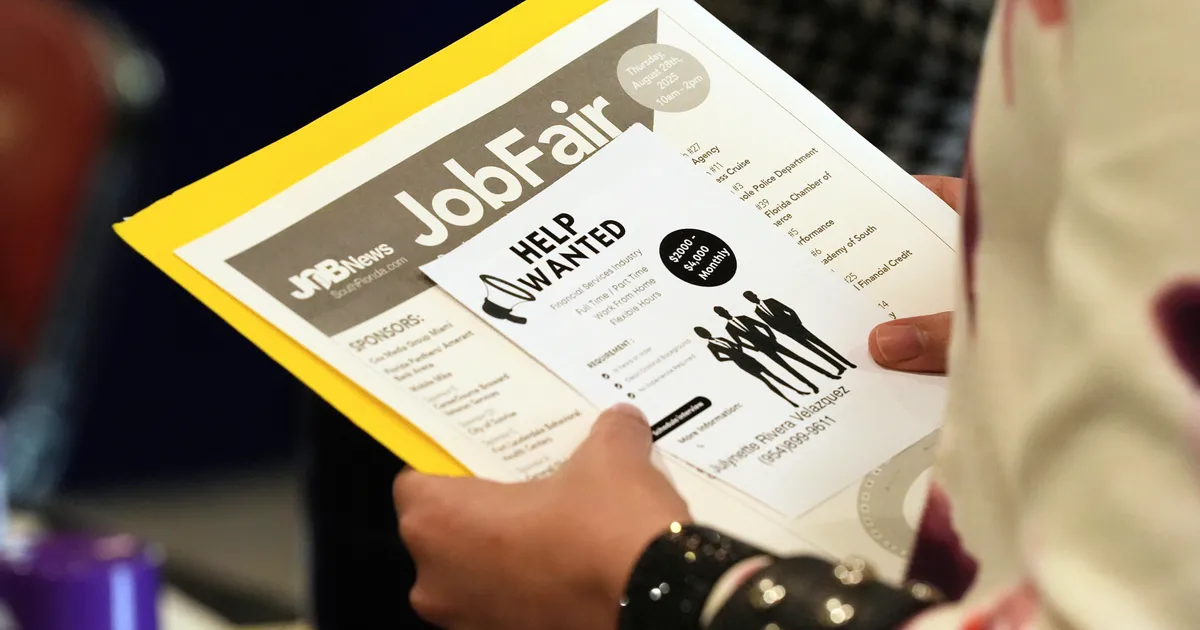
The U.S. military conflict with Iran is quietly draining the American labor market, with Goldman Sachs estimating that the oil price shock triggered by the war will suppress payroll growth by roughly 10,000 jobs per month through the end of the year — a toll that will be felt most acutely in restaurants, hotels, and retail stores across the country.
In a research note published Thursday, Goldman economist Pierfrancesco Mei laid out a detailed framework for how higher energy prices translate into labor market pain — and the picture isn’t pretty. As explained by the bank earlier in the week, its commodities strategists expect Brent crude to average $105 in March, spike to $115 in April, and then gradually retreat to $80 in the fourth quarter, assuming flows through the Strait of Hormuz remain severely disrupted for roughly six weeks. In an adverse scenario — one where the conflict deepens — Brent could peak as high as $140 a barrel, or $160 in a “severely adverse” scenario.
The U.S.-Israeli war against Iran shows no signs of imminent resolution, even as President Trump signals urgency to wrap it up. White House press secretary Karoline Leavitt has indicated the conflict is expected to last four to six weeks, in line with Goldman’s projections, while Trump told Fox Business that a deal could come as quickly as five days. But experts are far more skeptical: analysts at Brookings warn that without genuine regime change, Iran could rebuild its capabilities and fuel regional instability, while Maximilian Hess of Ementena Advisory told CNBC the situation is a “lose-lose for Washington,” with Iran’s drone advantage and Gulf pressure making a ground war increasingly likely.