The limits of its partnership with Tehran are unsurprising. But this conflict raises broader issues for the superpower
F
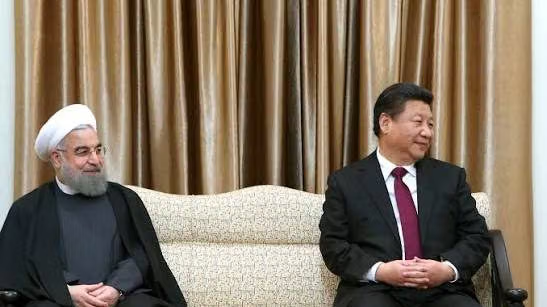
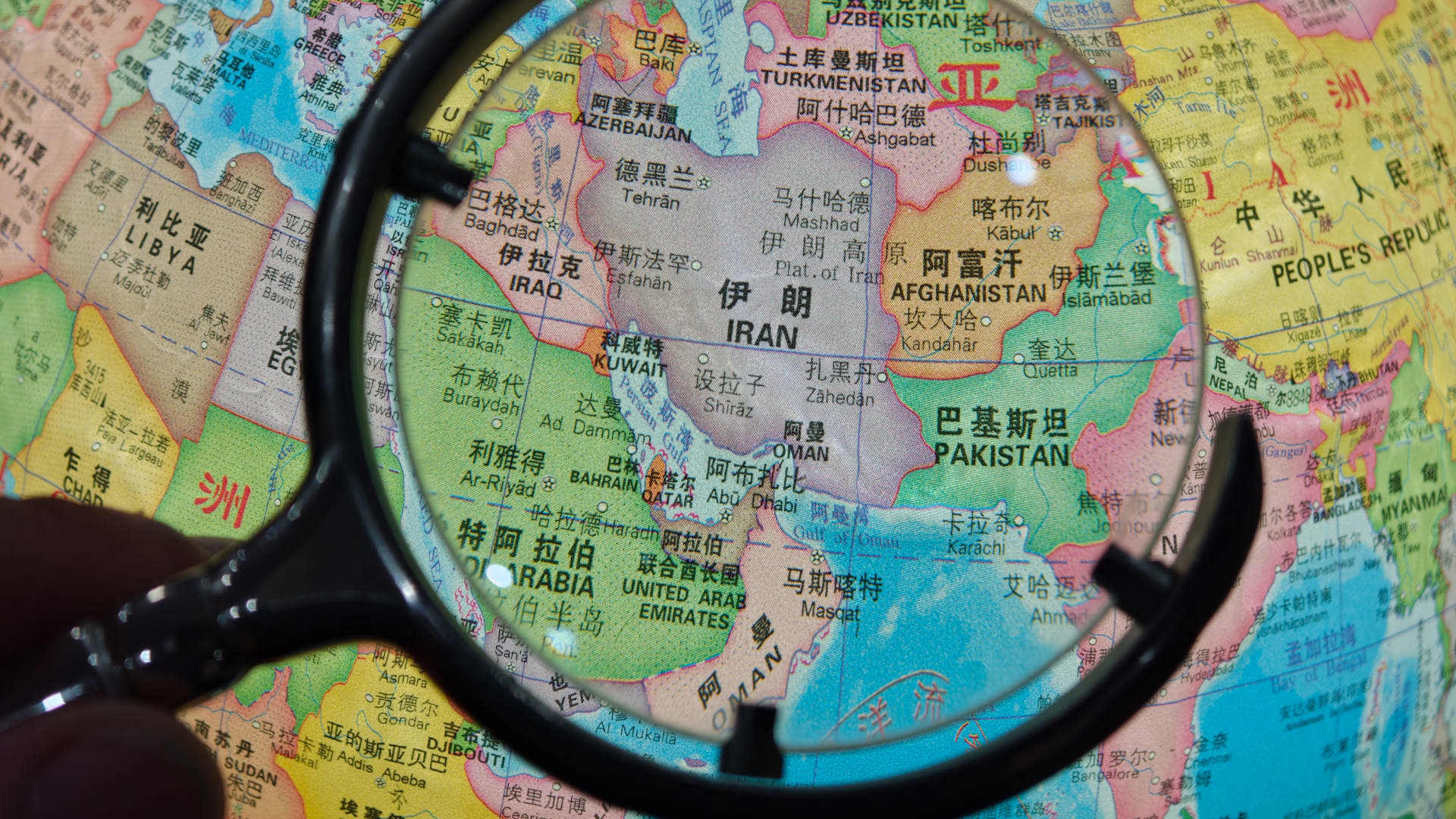
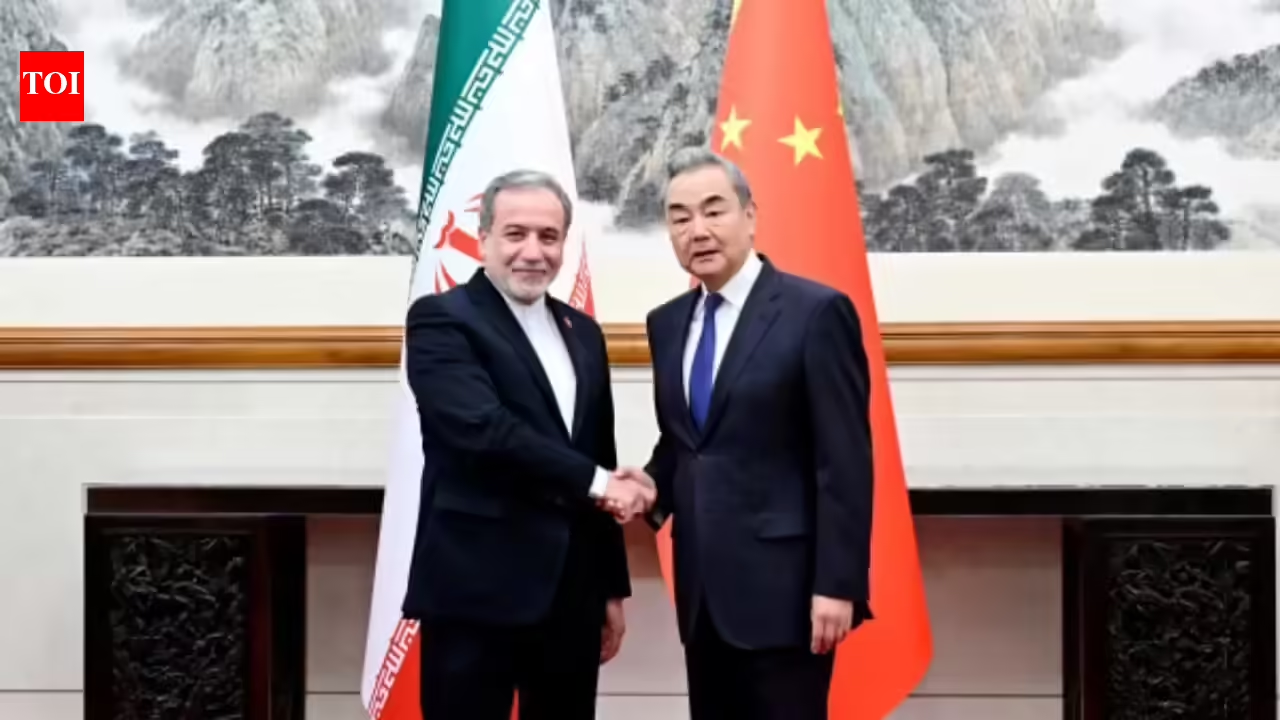
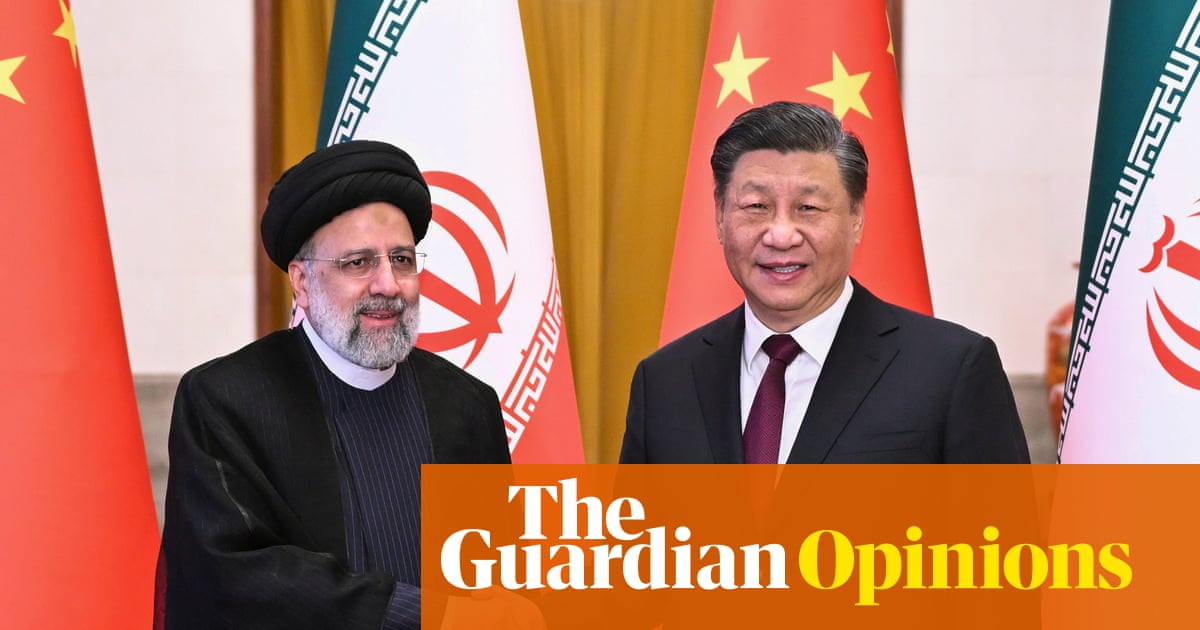
or years, official Chinese rhetoric on Iran invoked their shared historical status as grand civilisations that have struggled against western aggression. Bilateral ties date back more than half a century. In 2021, they signed a comprehensive strategic agreement pledging $400bn of Chinese investment. And China’s economy is already flagging; it has just set its lowest growth target since 1991, underlining the importance of stability for Beijing.
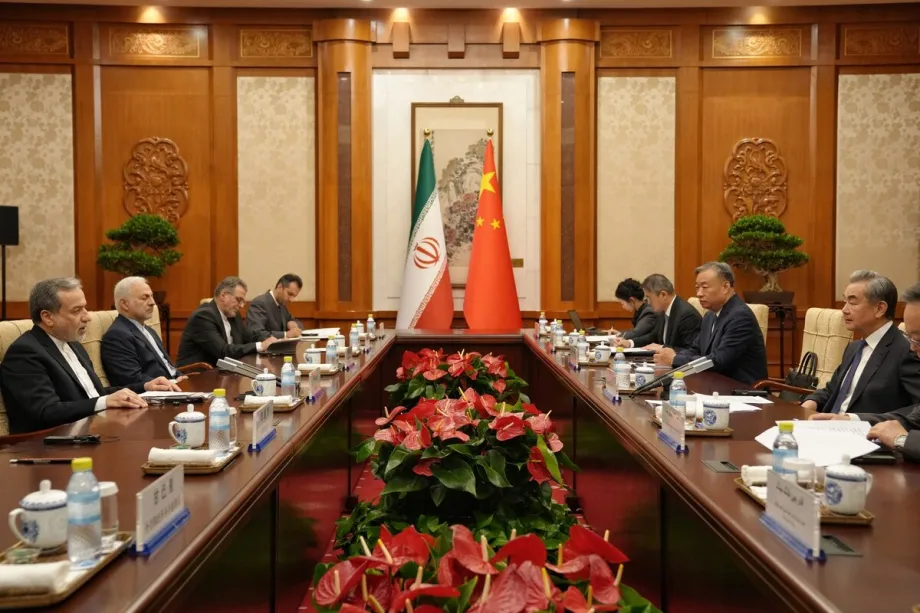
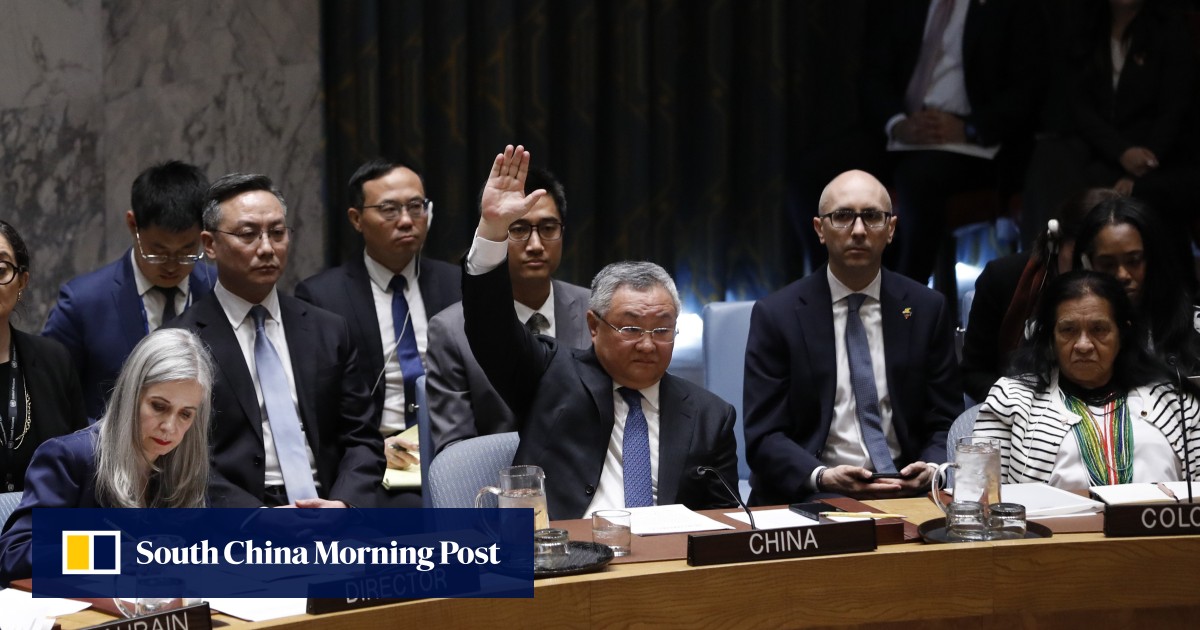
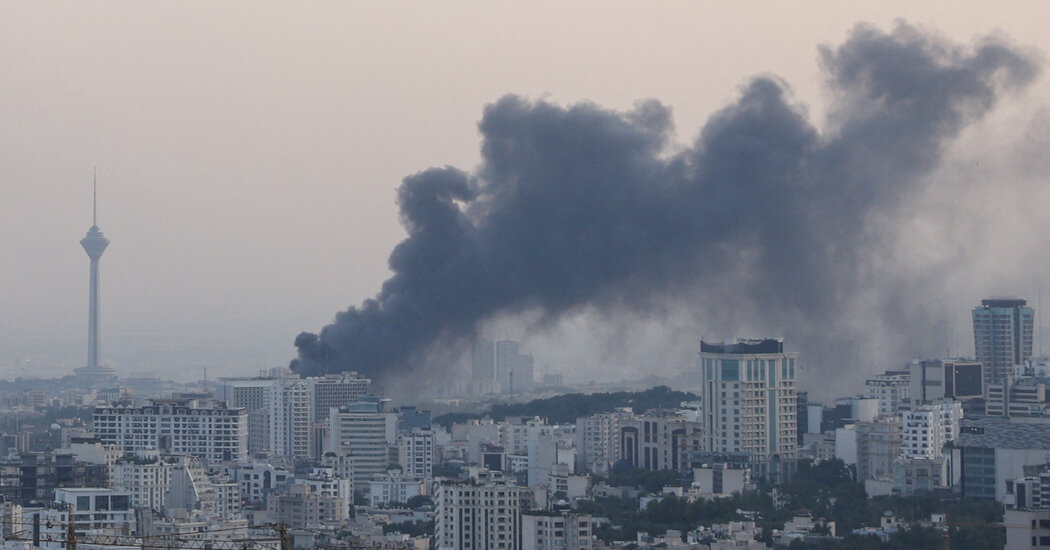
So its muted response since the US and Israel launched their war is striking. Beijing condemned the attack, but it was Washington that postponed the summit between their leaders because of the conflict. As Gulf states that previously mediated back away, China shows no interest in stepping up.
The Sino-Iranian relationship is long and broad – but not deep. Beijing’s partnerships are openly transactional: in contrast to the (pre-Trump) US, it offers arms sales but avoids security guarantees. And while Iran sells 90% of its exported oil to China, only about 13% of China’s imported crude comes from Iran (often at a discounted rate, thanks to western sanctions). Chinese-flagged ships are transiting the strait of Hormuz and Beijing has built up vast reserves of oil, food and fertilisers.