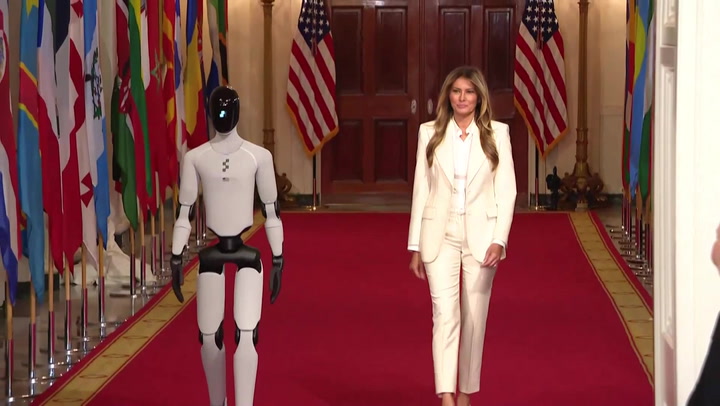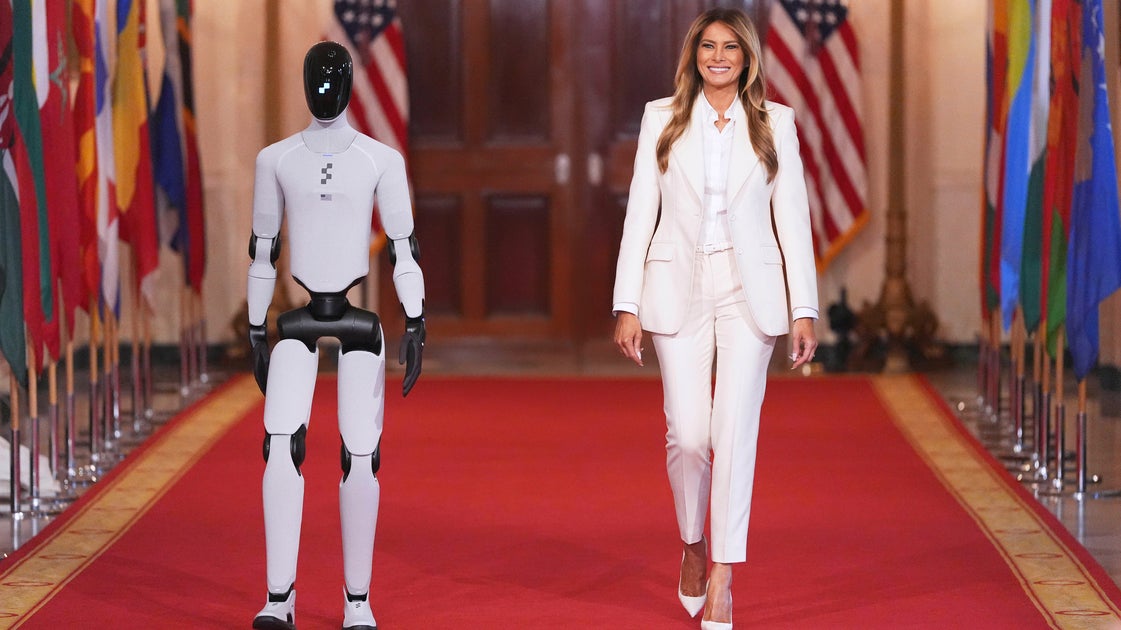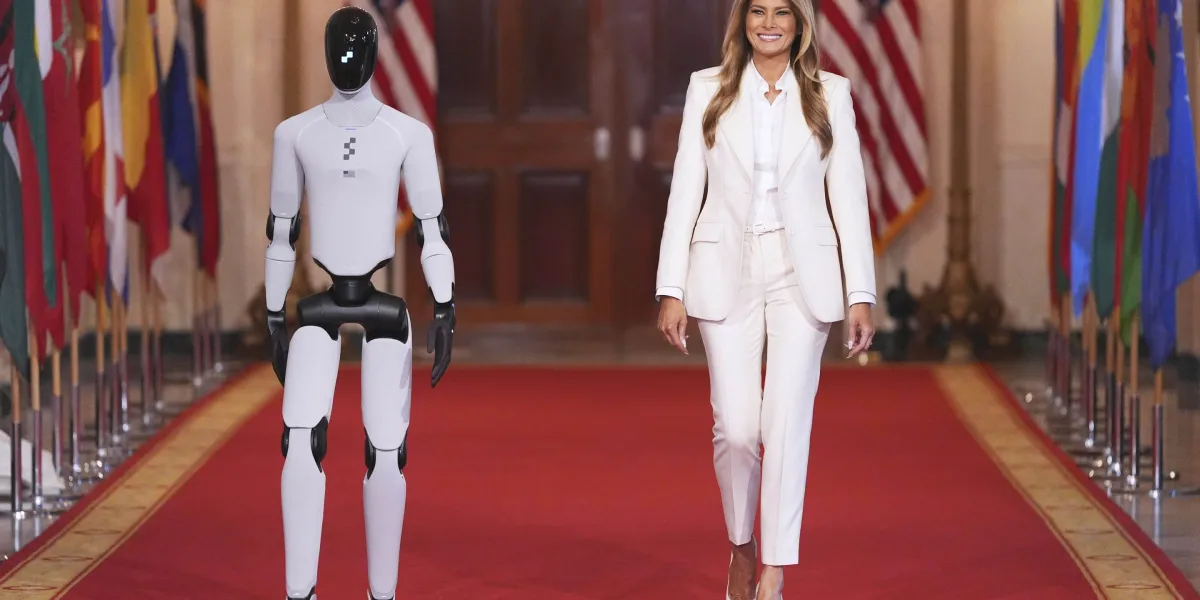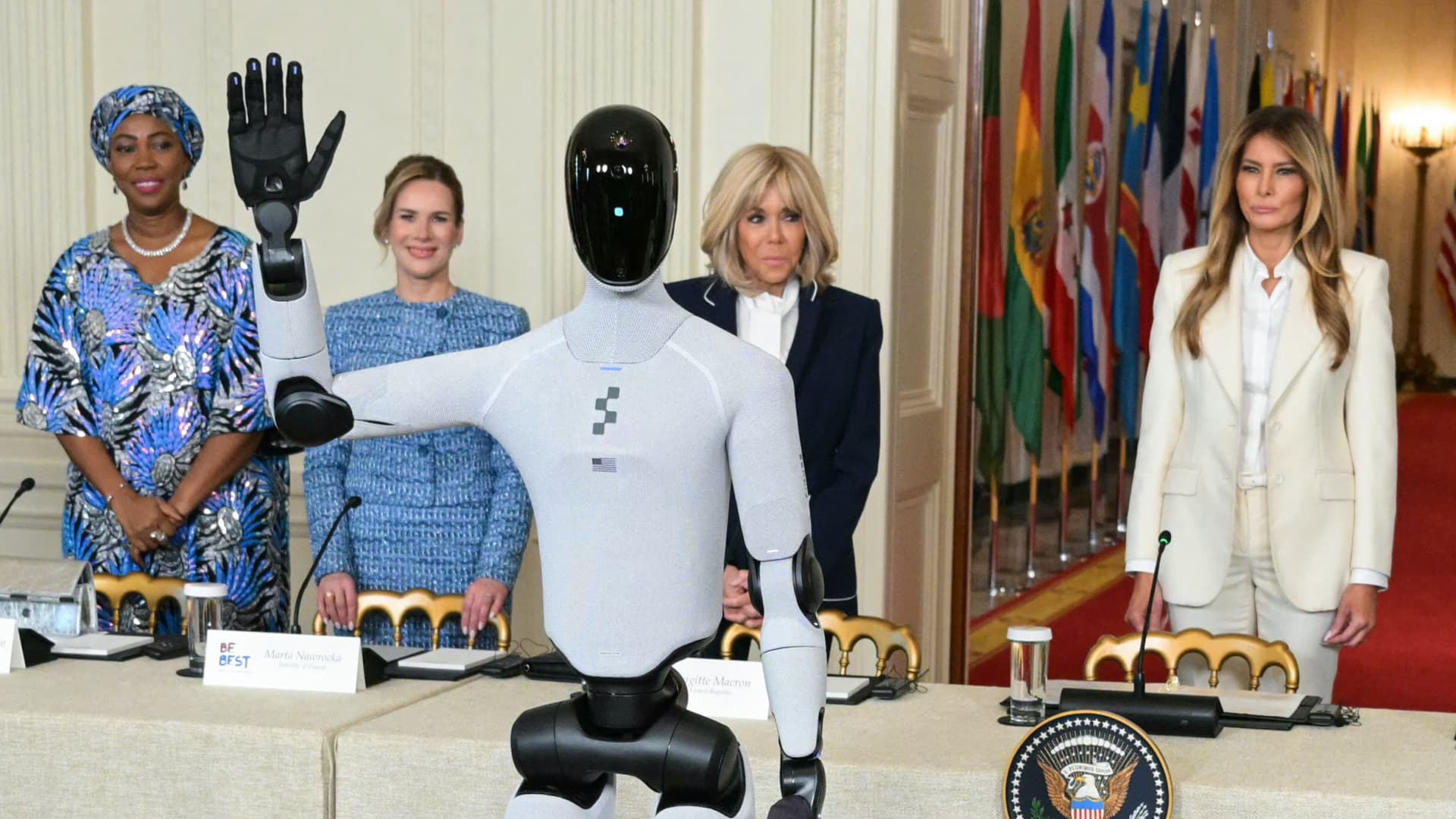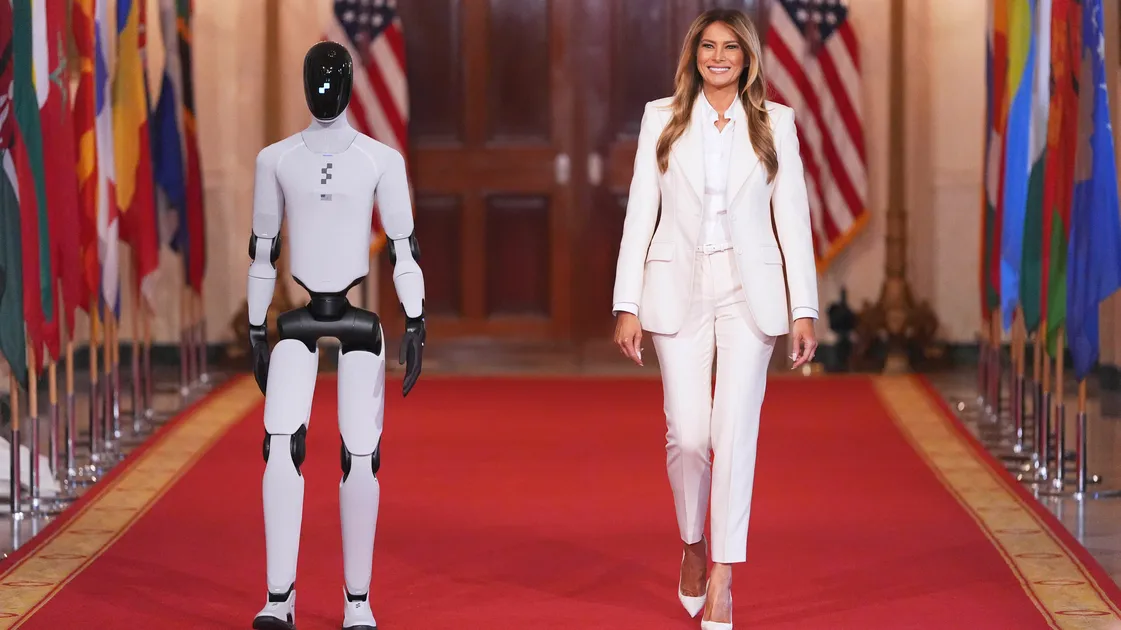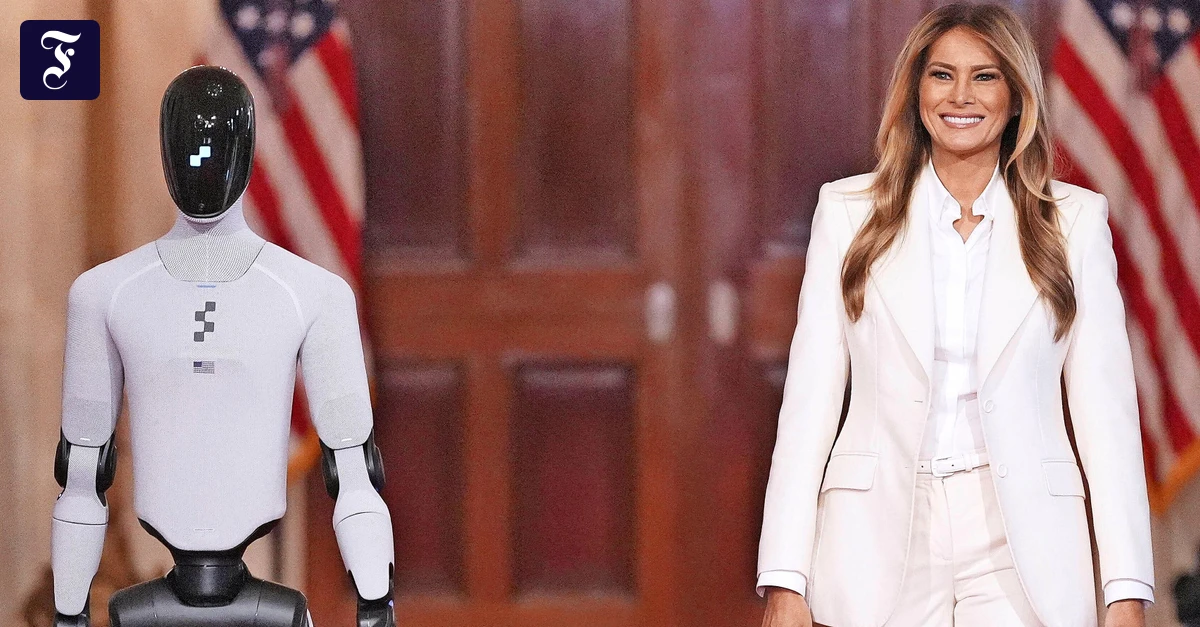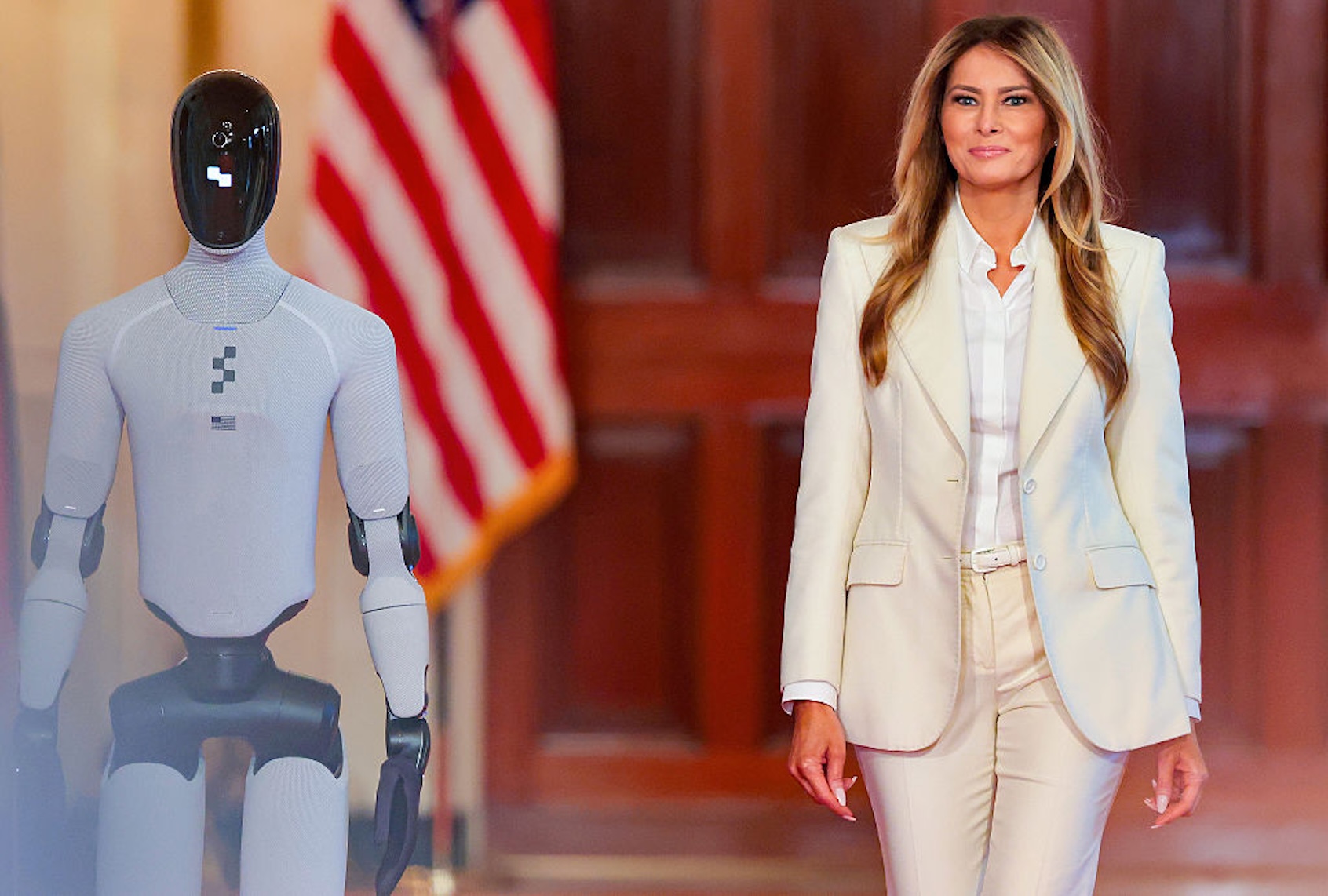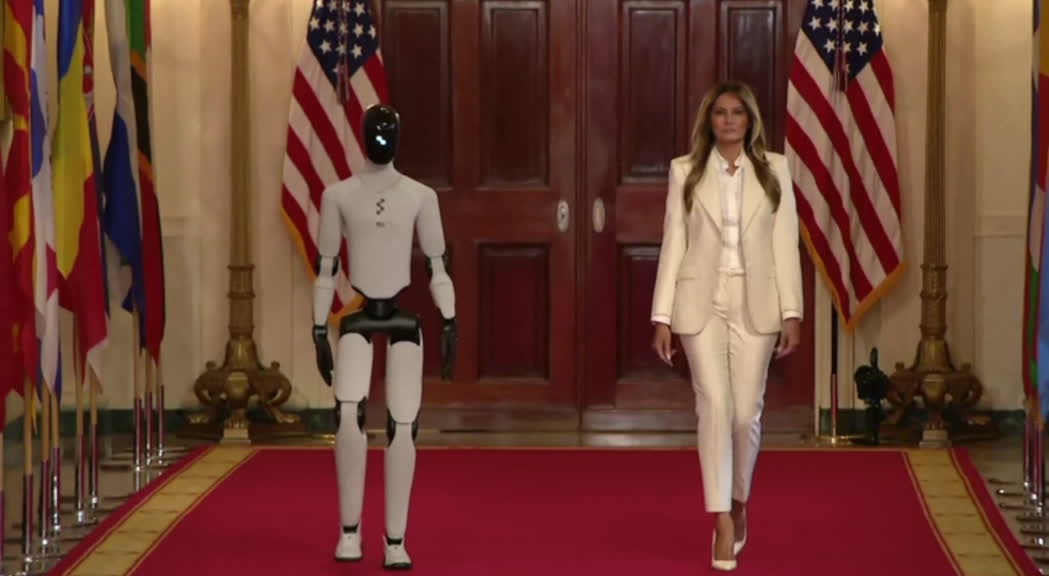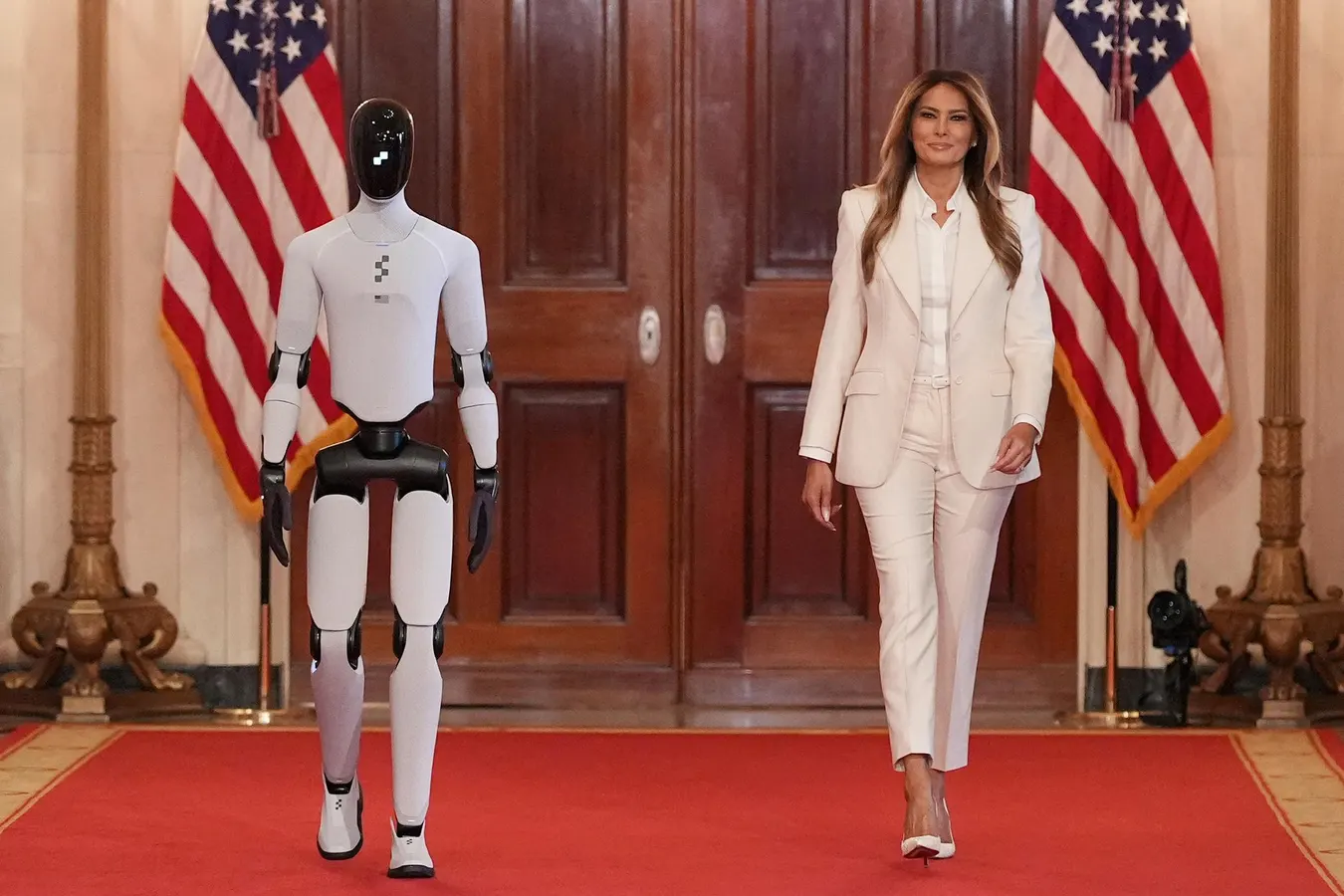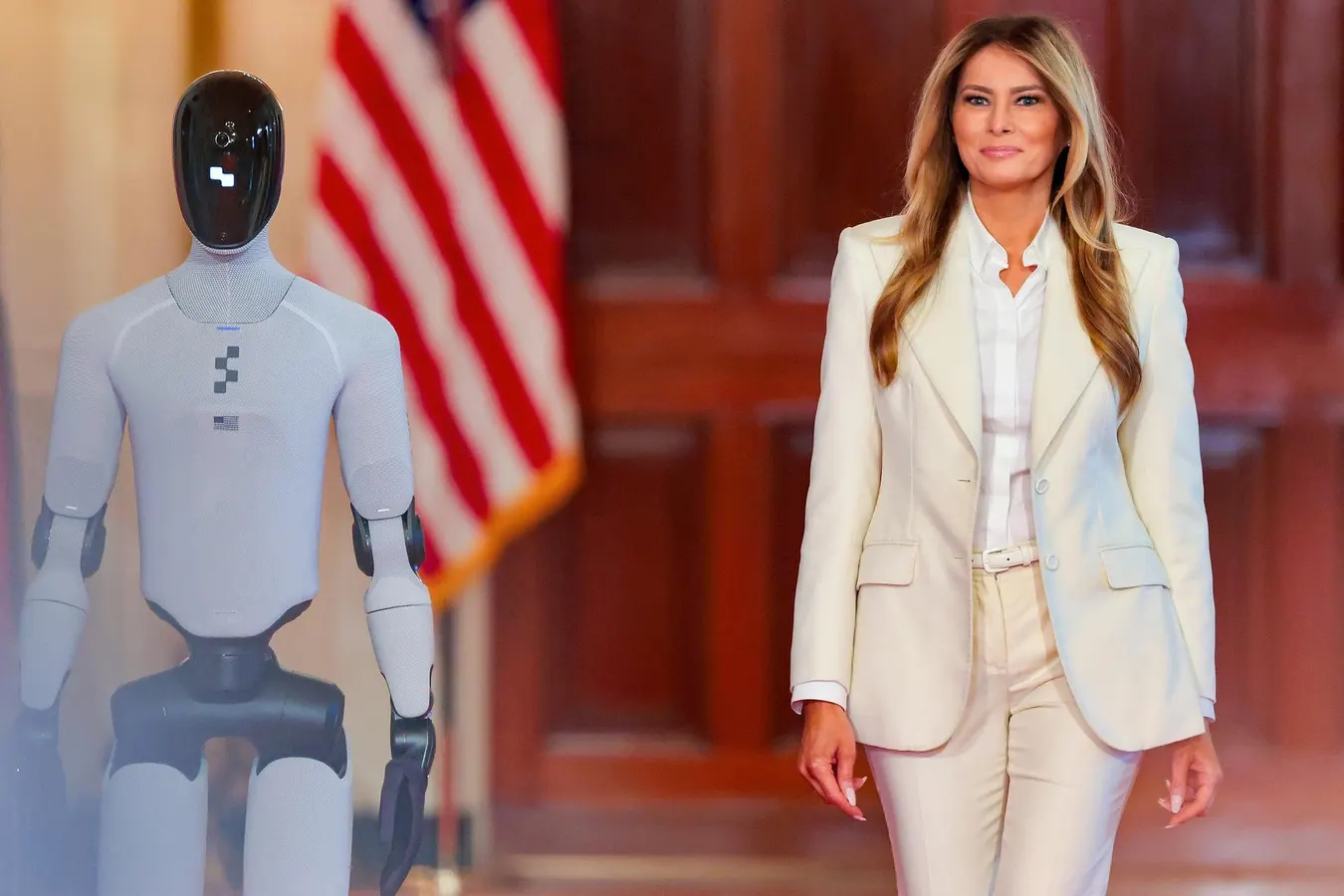
WASHINGTON, DC - MARCH 25: U.S. first lady Melania Trump enters the East Room with a humanoid robot during the Fostering the Future Together Global Coalition Summit at the White House on March 25, 2026 in Washington, DC. Melania Trump held a roundtable at the White House on the second day of the inaugural summit to collaborate on expanding access to education and technology for children worldwide. (Photo by Heather Diehl/Getty Images)Getty ImagesThe market is glutted with AI tutors. Melania Trump just appeared at an education summit accompanied by a humanoid robot, saying more children should be taught by “humanoid educators.” But new research from the University of Chicago suggests that computers make better tutors when they are not so thoroughly programmed to pretend to be human.The research centered on lessons about Social-Emotional Learning. For the experiment, fourth grade students were split into three groups. All the students were receiving their usual SEL lessons with their whole class. One group had extra individual sessions with a robot simulating human interaction (what researchers called the “fictional robot condition), one group had extra individual lessons with a robot that didn’t simulate human behavior (the ”factual robot condition’), and the third group received no extra lessons at all.The “fictional” robot presented scenarios as first-person stories, mentioned friends and life outside the study, and expressed emotions and preferences. The “factual” robot presented scenarios as third-person hypotheticals, and acknowledged no feelings, friends, or preferences.The “fictional” robot’s dialogue included statements like “Hello! It’s nice to see you again! I really enjoyed our last conversation,” and “Talking to others also helps me navigate situations in my own life.” Scenarios are presented as first person memories, as in “My friend Lucas and I were playing basketball at recess” and “We were both angry and needed to calm down.”MORE FOR YOUThe “factual” robot still did some mimicry of human consciousness ("Hello! Since we last spoke, I’ve processed some new lesson content" and “My programmers also double-checked my microphone and speakers”) but did not present scenarios as first-person experience. “Blake and Lawrence were playing basketball at recess” and “Both boys were angry and needed time to feel calm.”The research, led by PhD student Lauren Wright and overseen by Assistant Professor Sarah Sebo at the University’s Department of Computer Science, found that while both of the robot tutor groups did better than the untutored group, the students with the “factual” robot tutor showed more mastery of SEL concepts.One might assume that students would find the human-like robot more engaging, but the researchers found that the “fictional” robot did not “elicit greater closeness, enjoyment, and self-disclosure.”Anecdotes and research (like this Stanford study) show that chatbots that mimic human behavior can pose a mental health risk. This study suggests that robots that are less human-like would not only reduce the mental health risks to students, but also would provide better educational results.There are layers of irony in this study. SEL education focuses on elements like empathy, conflict resolution, self and social awareness, and other soft skills that help humans better navigate life with other humans. These particular lessons focused on interpersonal problem solving. Looking for the best way for robots to teach these skills to young humans certainly seems counter-intuitive.And while the researchers used the term "fictional" for one group, they might have easily called it “programmed to tell untruths." The robot does not have a friend Lawrence, and it does not play basketball. Can a school ethically teach better social and emotional behavior by lying to its students? The “factual” robot is marginally better, but it still used some instances of first-person as if it was a conscious entity; it is still mimicking a “fictional” person, just a more objective one.The study is narrow. There were a total of 52 fourth grade students involved, and they received just four tutoring sessions. Further research is called for, but if these results hold up, they mean that robots who closely mimic human behavior and emotions might not be the most effective choice for helping students.
Study: The Most Effective Robot Tutors Don’t Pretend To Be Human
New research from the University of Chicago suggests that computers make better tutors when they don’t pretend to be human.
671 words~3 min read