March 26 (UPI) -- Costa Rica's decision to downgrade relations with Cuba is more than a bilateral dispute. It also reflects a broader shift among some governments in the Americas in how they weigh democratic principles against security concerns and geopolitical alignment.
The decision
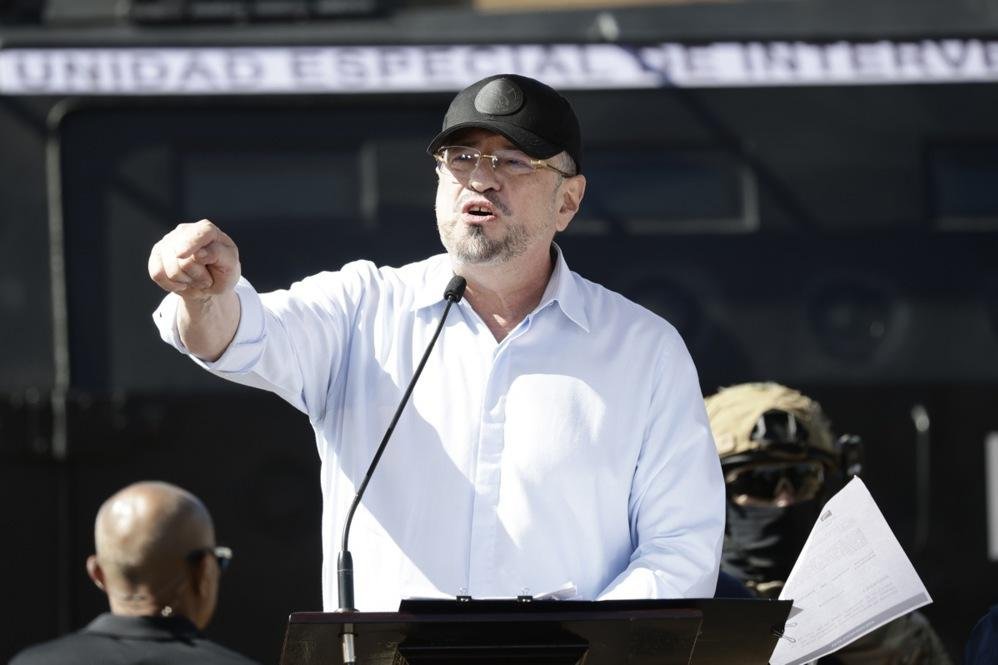
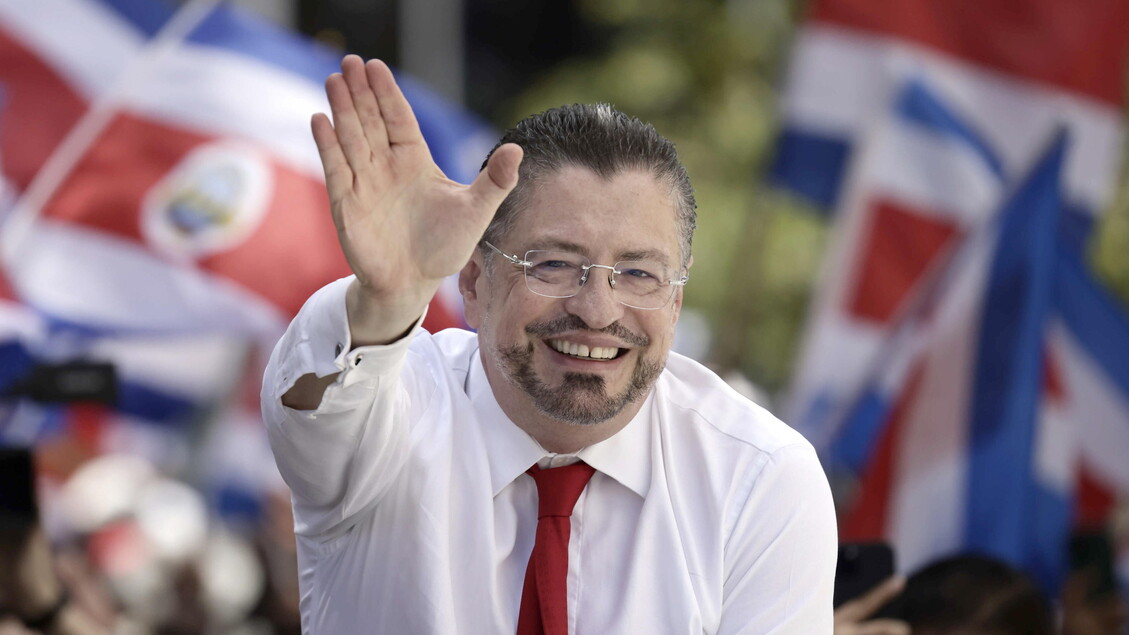
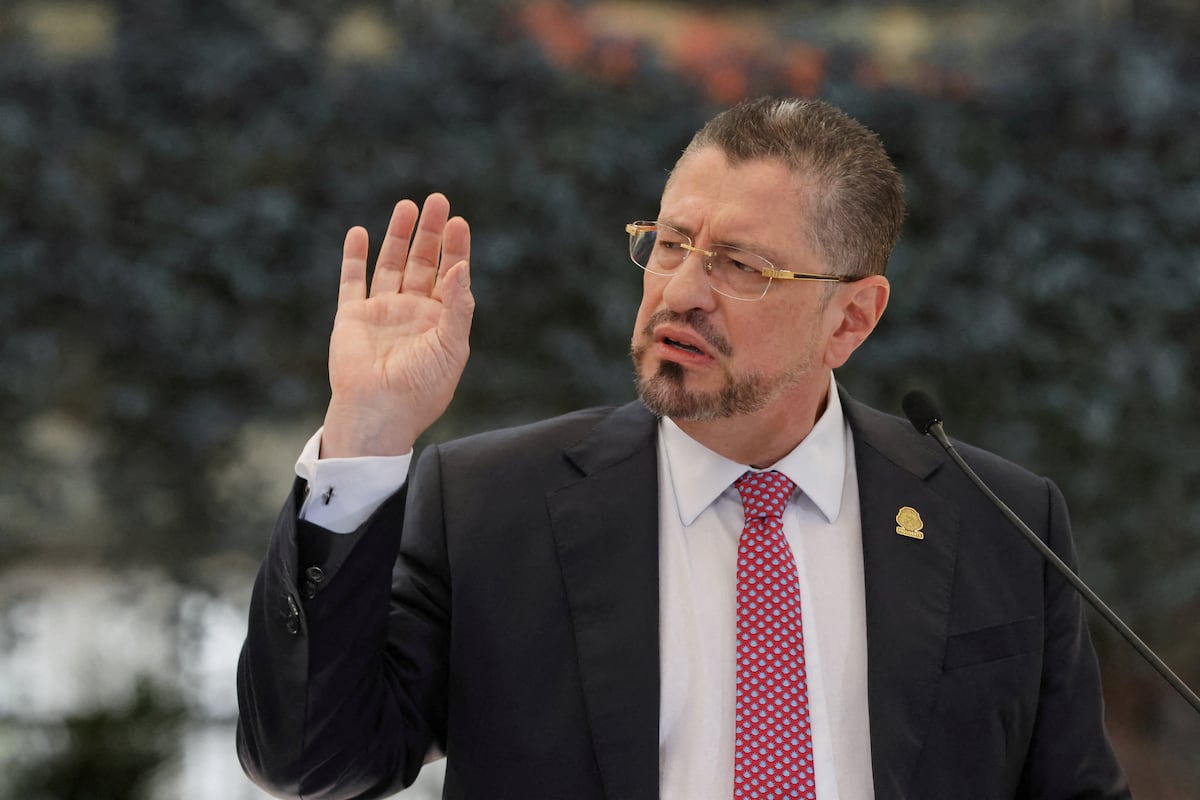
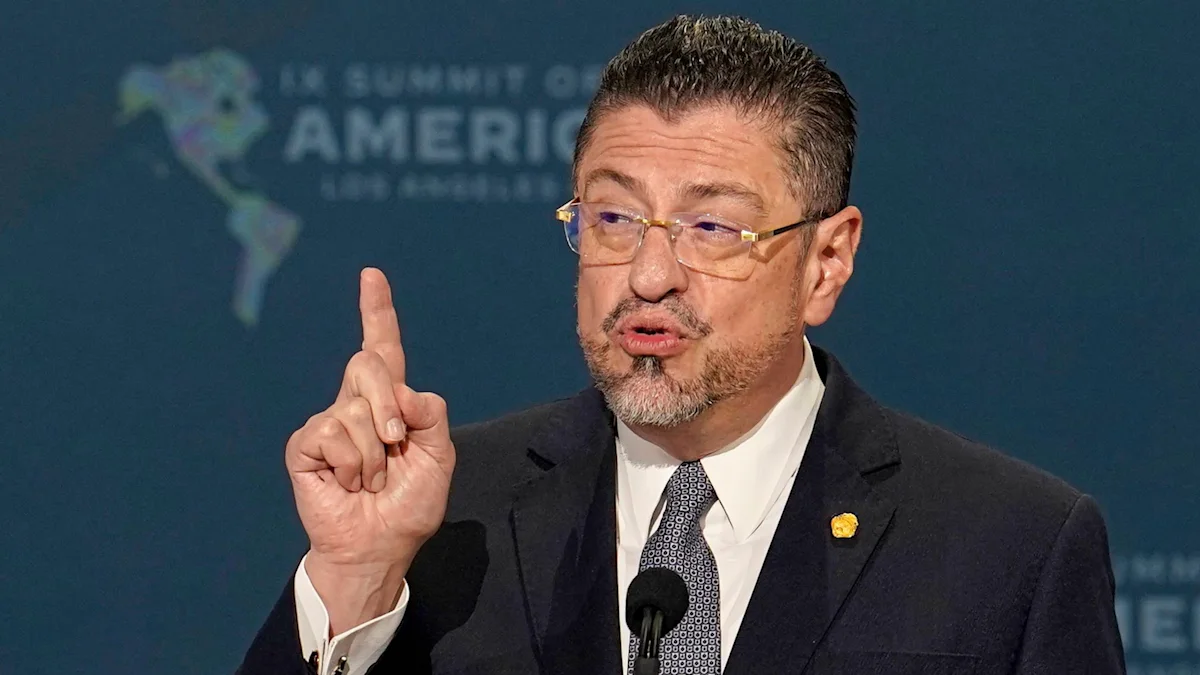
On March 18, the government of President Rodrigo Chaves Robles announced the closure of Costa Rica's embassy in Havana and the reduction of ties with Cuba to a strictly consular level. San José, Costa Rica's capital, said Cuban diplomats would have to leave by the end of March, while future consular matters would be handled through Costa Rica's embassy in Panama.
Foreign Minister Arnoldo André Tinoco informed Cuban Foreign Minister Bruno Rodríguez of the decision and later formalized it through diplomatic channels. Costa Rica also said its embassy in Havana had already been without diplomatic staff since early February.
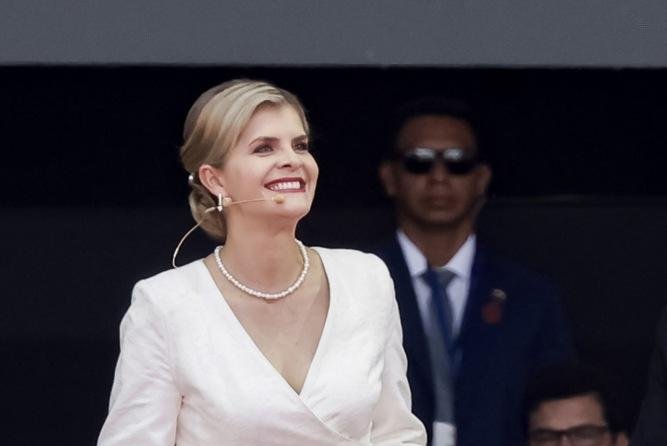
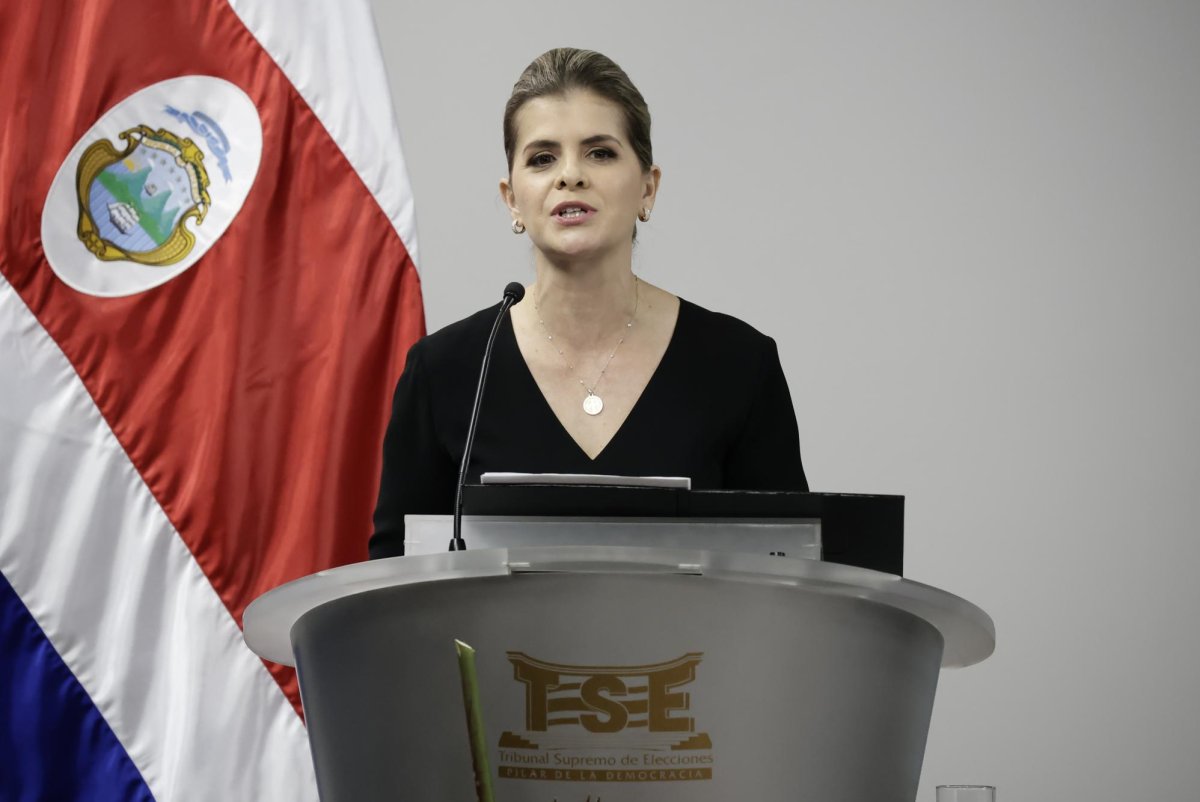
The government justified the move by citing what it called irreconcilable differences over democracy and basic freedoms. President-elect Laura Fernández supported the decision and pointed to the continued deterioration of human rights conditions on the island. Cuba, in turn, said the measure reflected pressure from the administration of U.S. President Donald Trump. Costa Rica rejected that claim and said the decision was fully its own.