As species vanish and the unique ecosystem radically changes, Ukrainian scientists can only wait until it is safe to properly assess the damage
I
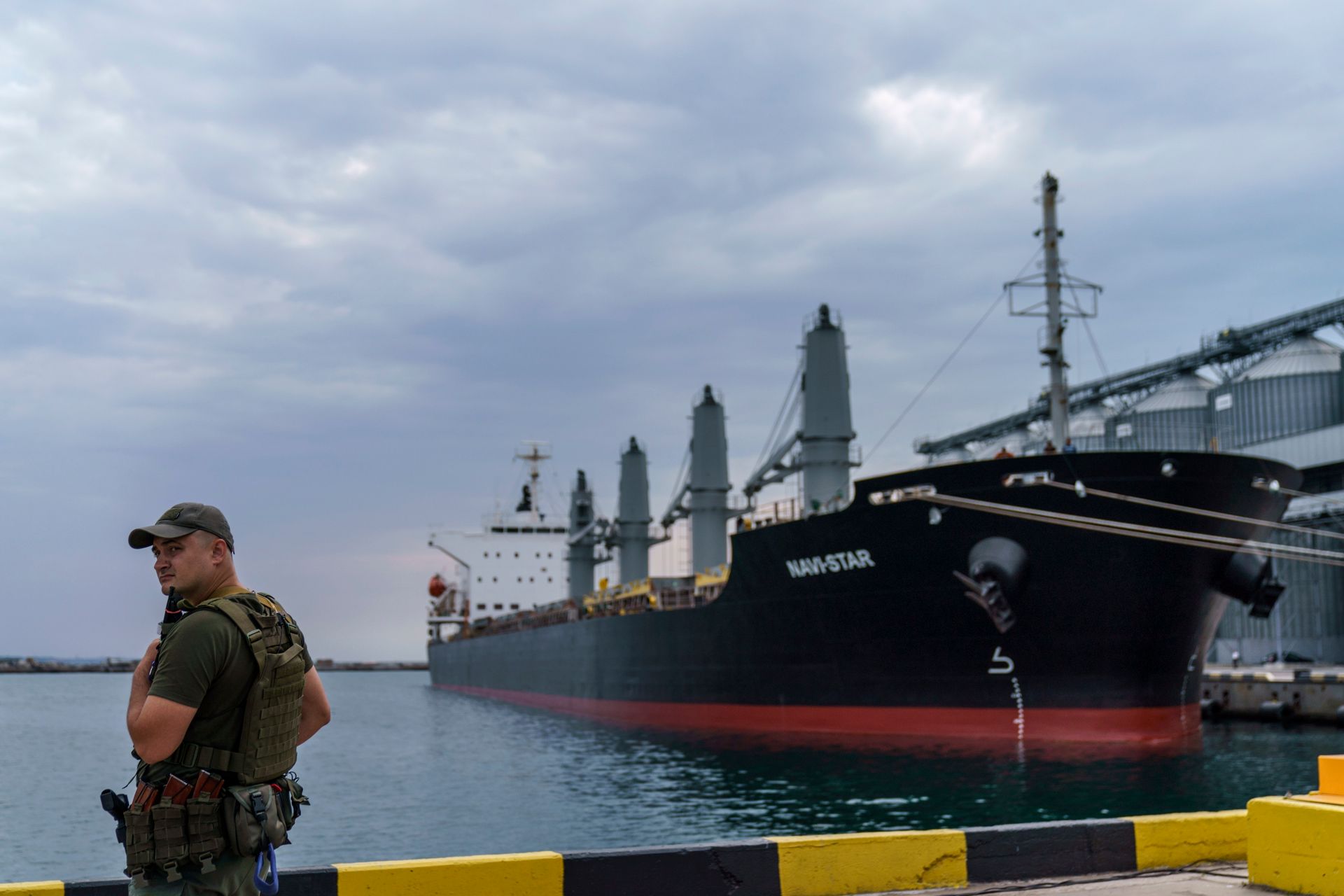
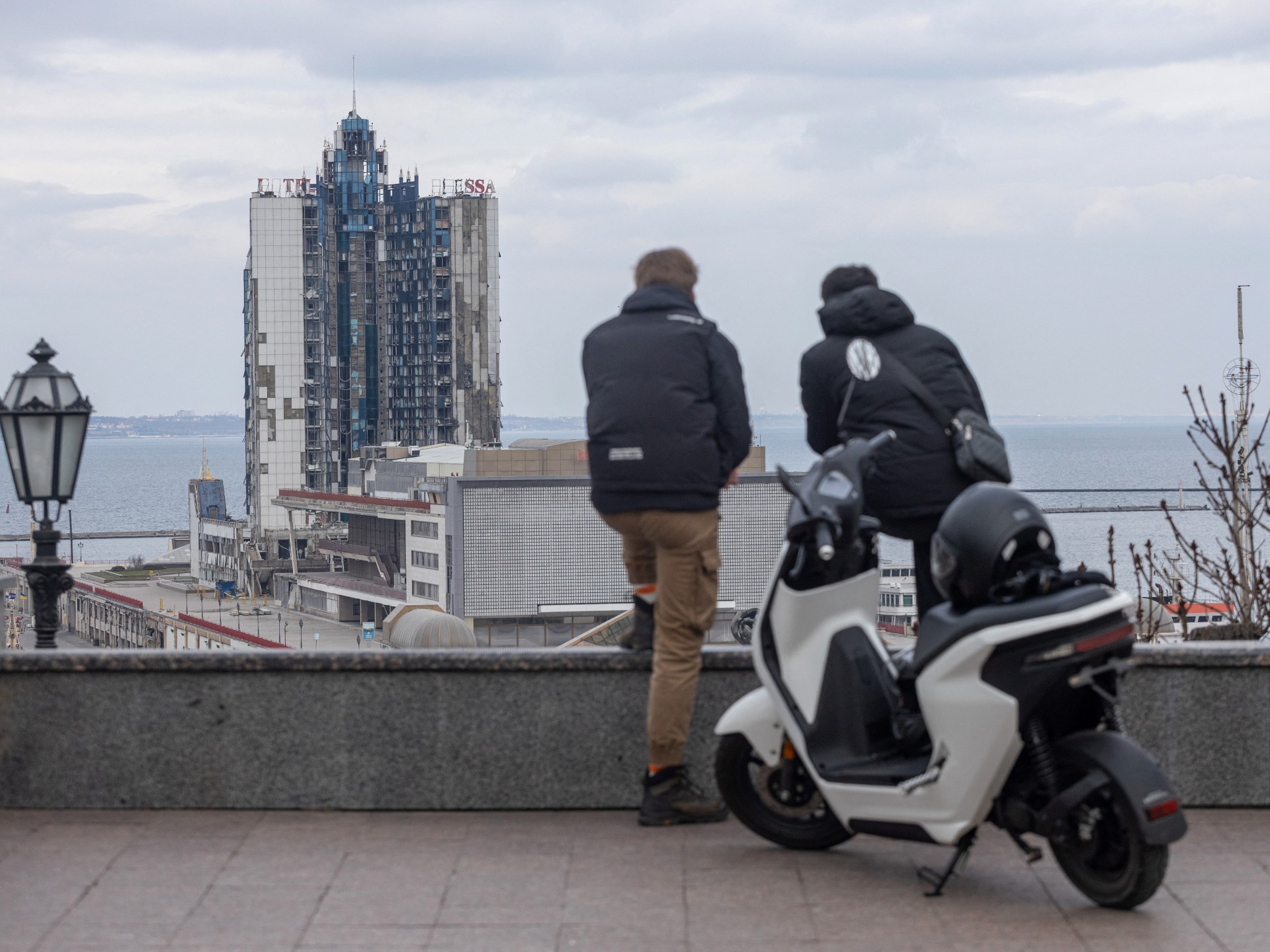
n the embattled harbours of Odesa, a scientific vessel lists in its mooring. No one has been able to take a look at the damage to the Boris Alexander from Russian drones and shelling that have hit the port city over the past four years of war in Ukraine. It is too dangerous, just as no one has been able to fully monitor the damage the war is doing to the Black Sea.
“We can only wait,” says Dr Jaroslav Slobodnik, the director of the Environmental Institute, headquartered in the Slovak Republic. “The biodiversity landscape is completely altered. A number of species seem to have disappeared, but we need more data. Data which the war makes it impossible to collect.”
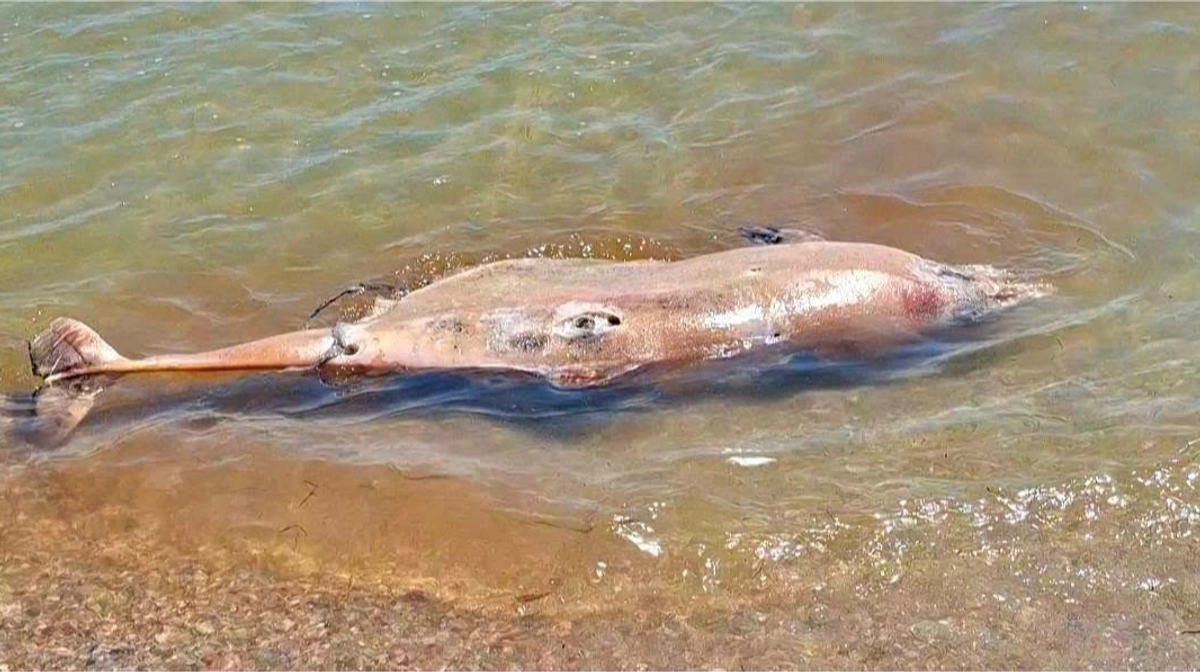
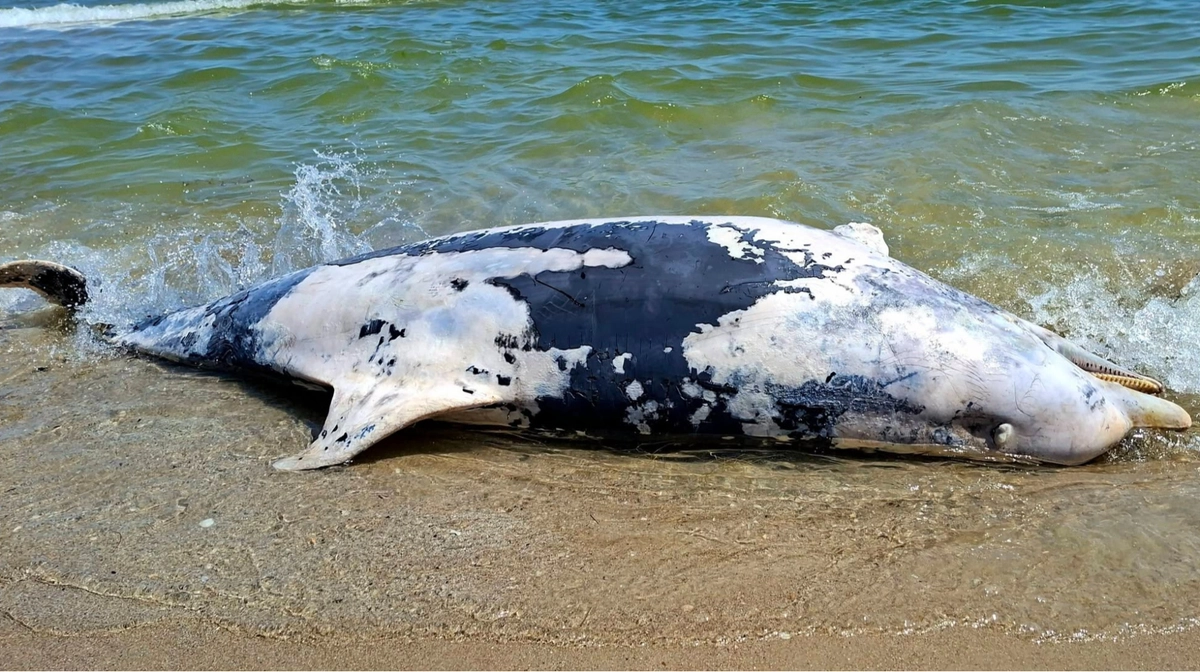
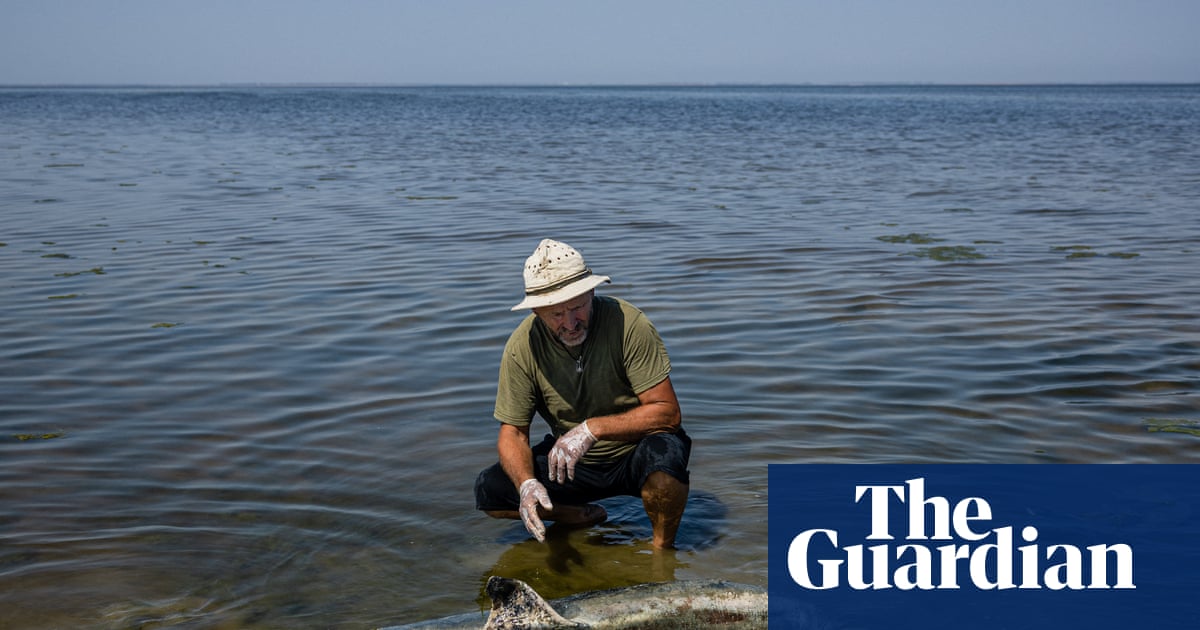
Three species of dolphins were living in the Black Sea before the war. Some of the carcasses of poisoned dolphins that have been washing up with regularity along Ukraine’s 1,729-mile-long (2,782km) coastline since the start of the conflict are spotted and counted. About 125 were recorded in the first year of the Russian invasion, and last year scientists documented 49 bodies.