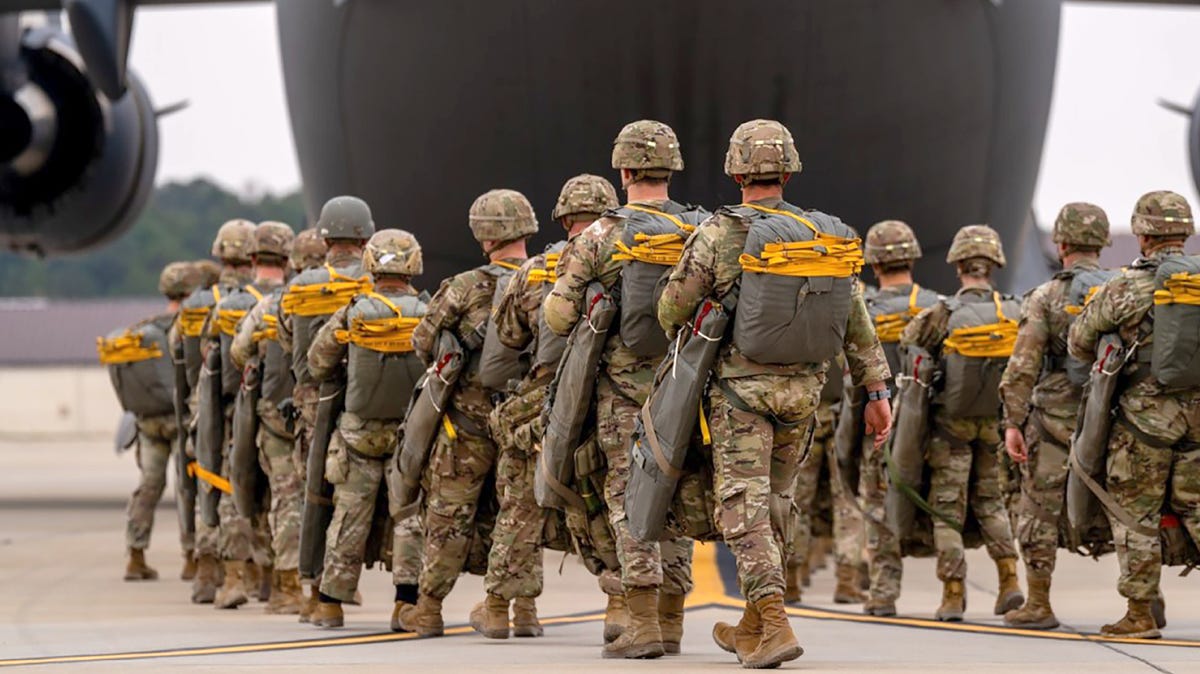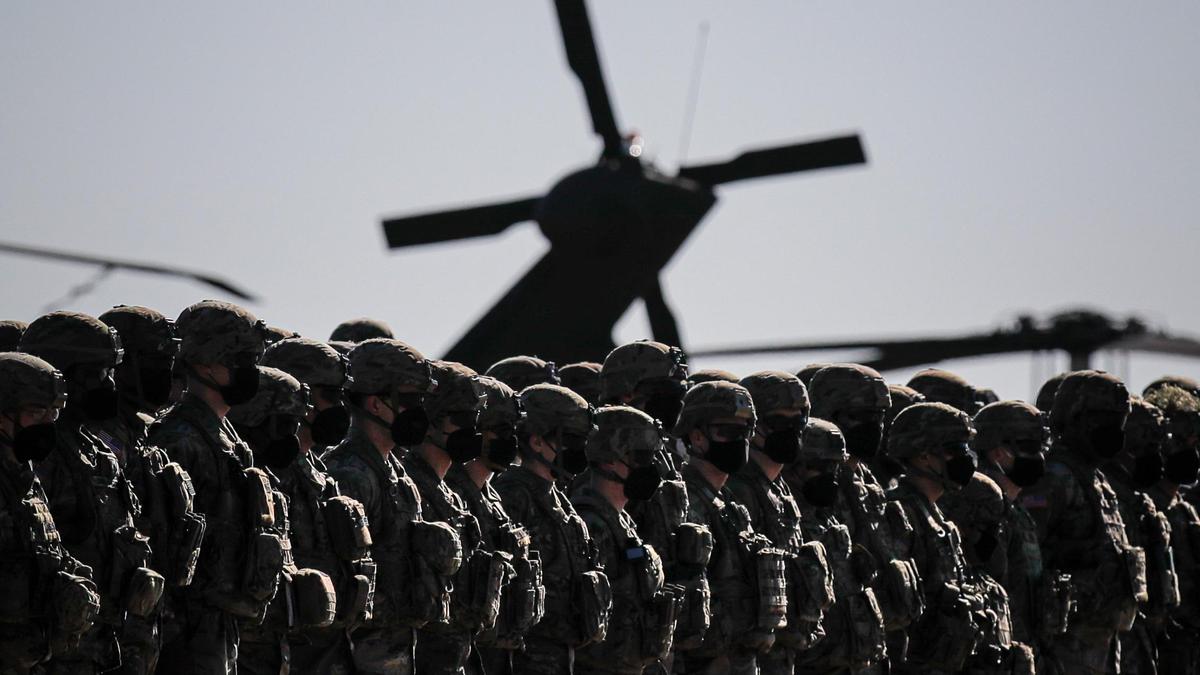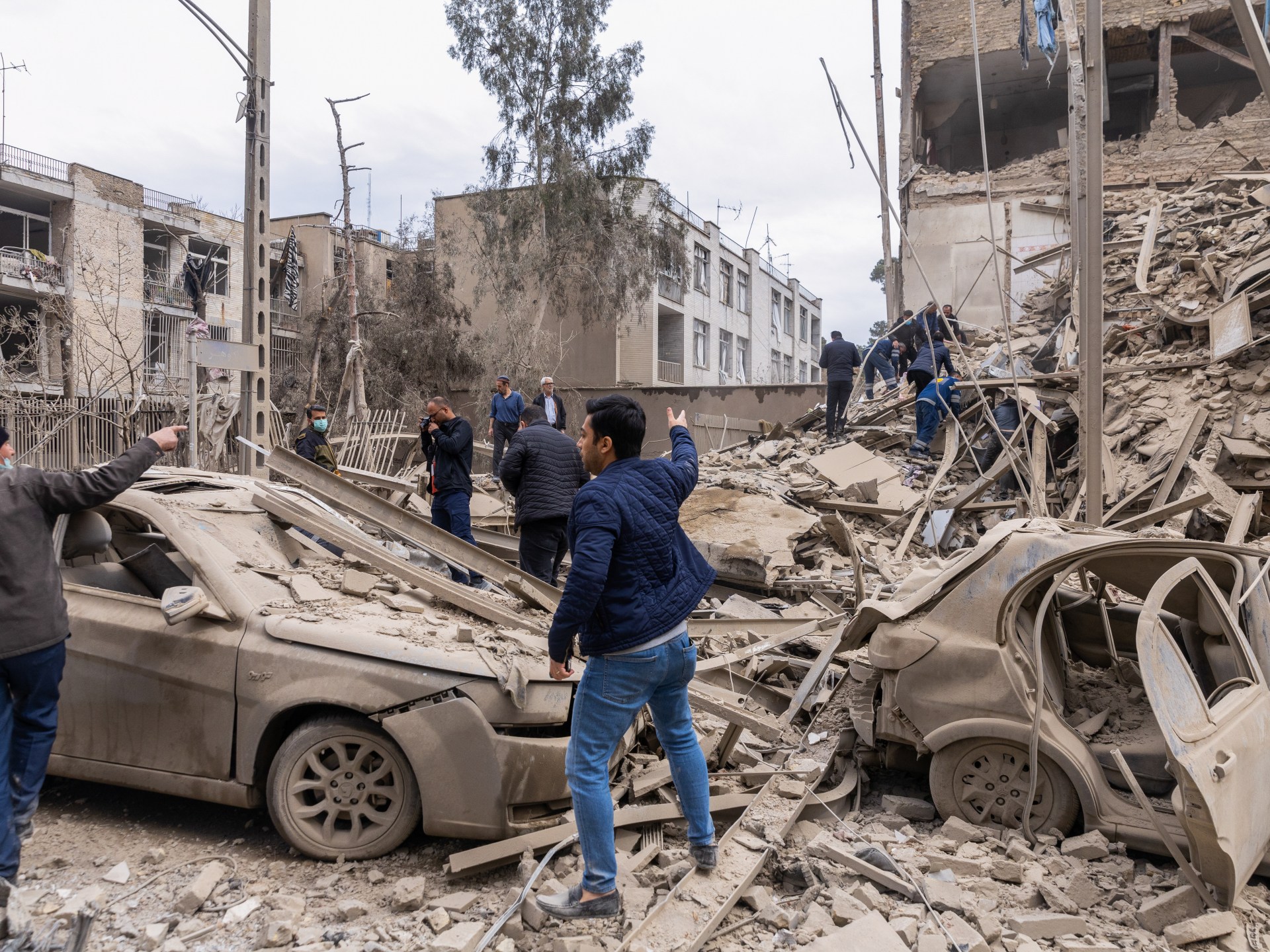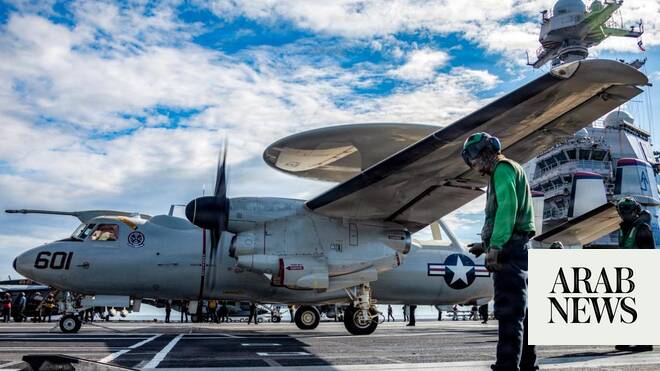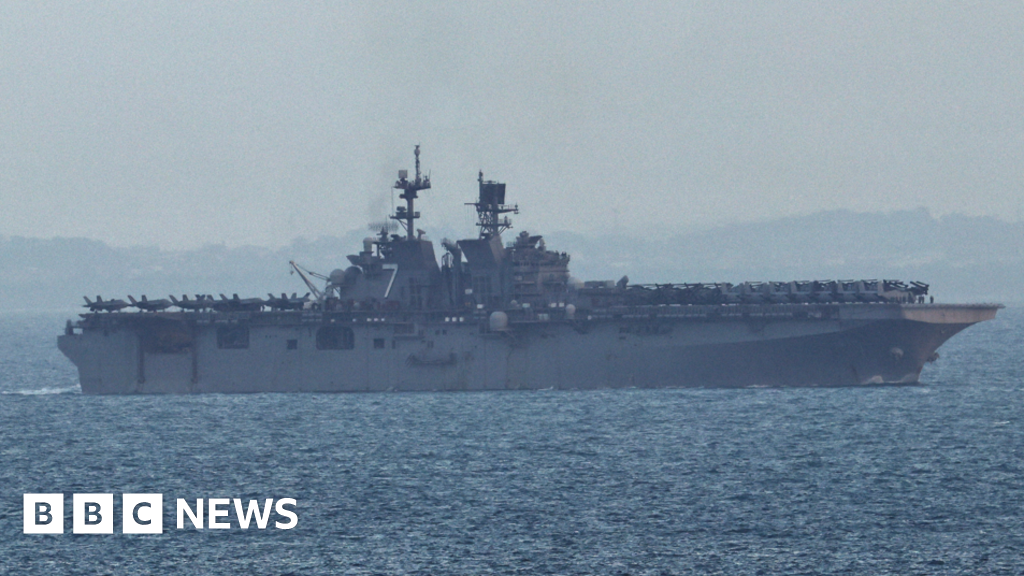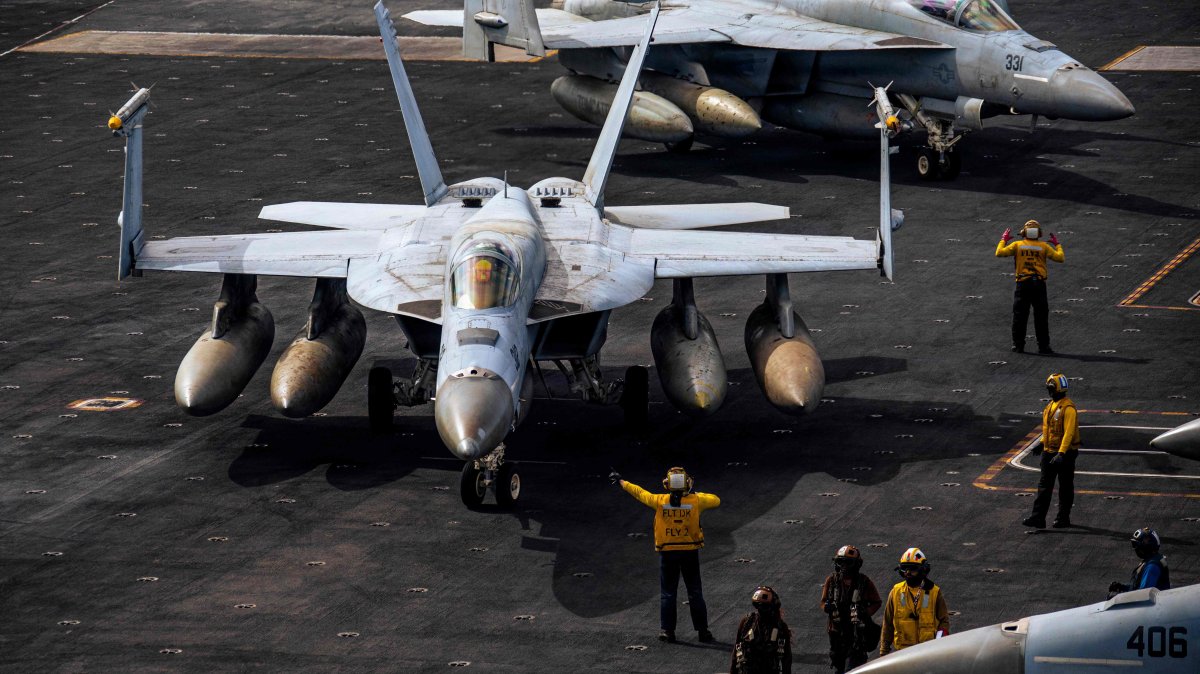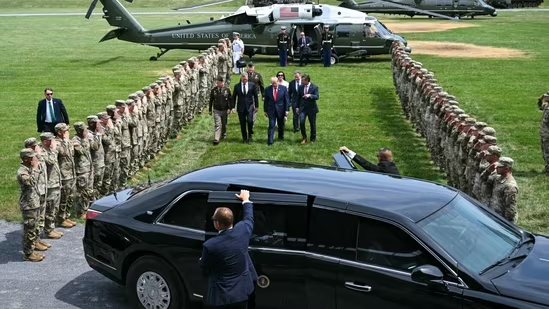
Nearly a month into the Iran war, the United States is preparing to send thousands of additional soldiers to the Middle East, expanding a military footprint that already has tens of thousands of American personnel in the region.
But the buildup signals something other than preparation for a ground offensive, according to analysts who suggested it is an exercise in coercive diplomacy — designed to increase leverage as President Donald Trump turns up the pressure for Iran to come to the negotiating table.
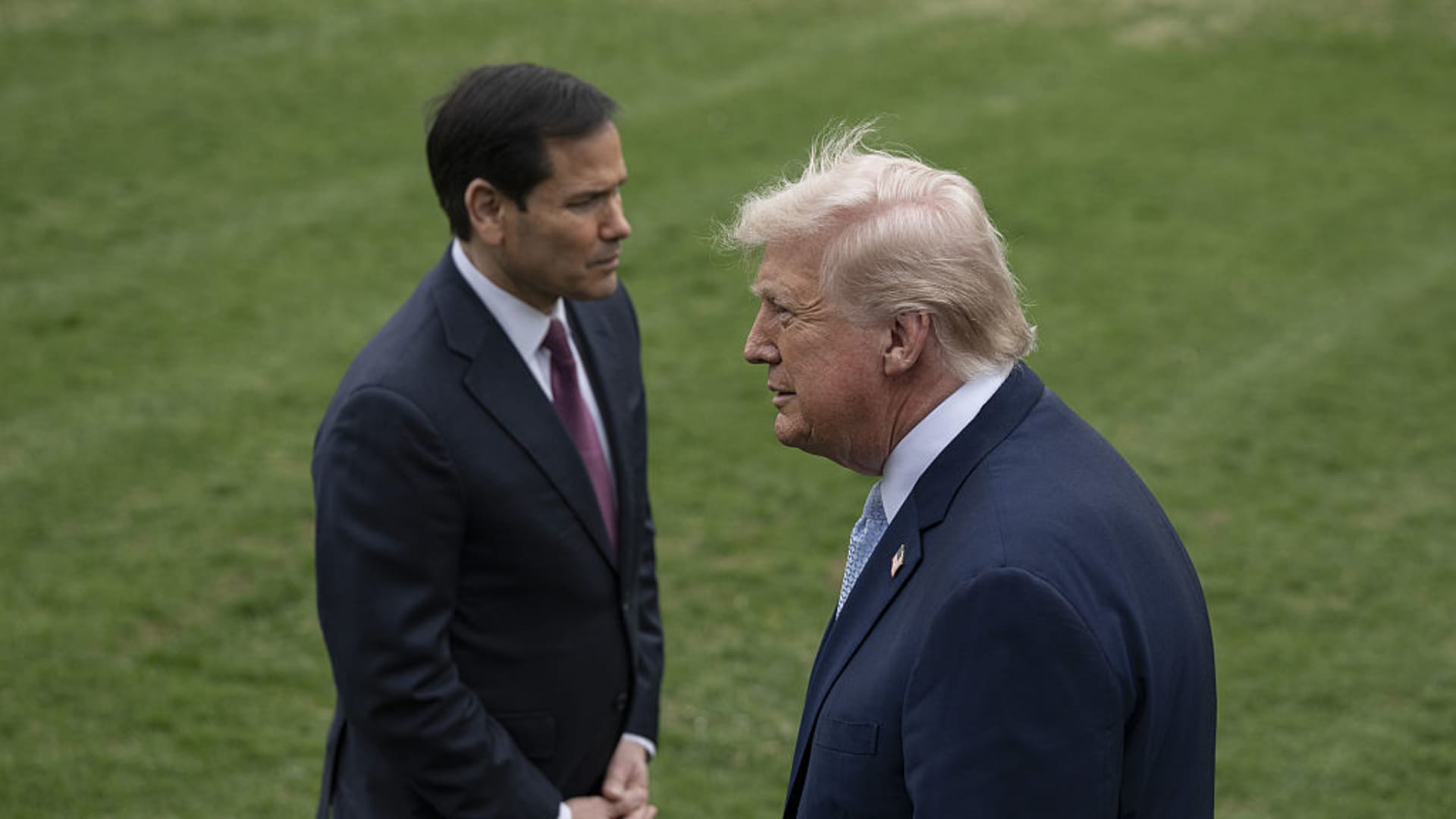
“President Trump is essentially saying either you — the Iranians — can cut a deal now or face potentially more intense consequences down the road,” Raphael Cohen, a senior political scientist at RAND school of public policy, told CNBC via email. The military buildup gives the president optionality, not just to strike, but to bargain from strength, Cohen noted.
Washington and Tehran have struggled to find a path to start negotiations over peace terms, with each side insisting it holds the upper hand in the conflict while portraying the other as the more desperate one.
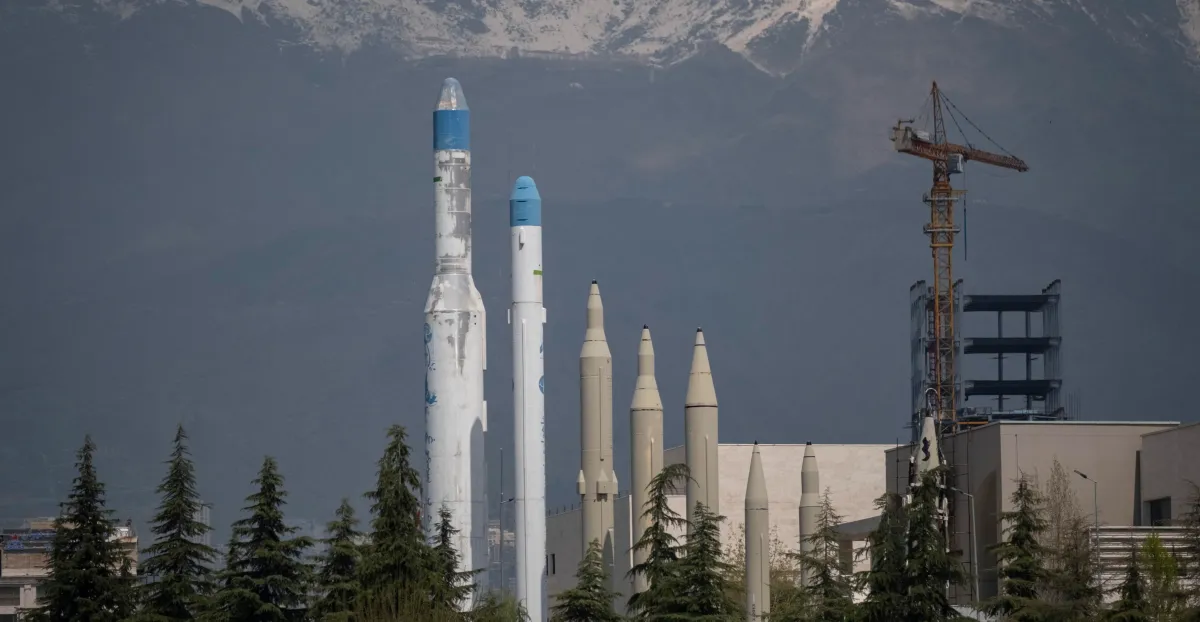
The U.S. has circulated a 15-point peace plan, demanding what would amount to a complete termination of Iran’s nuclear program and sharp limits on the reach and size of its missile arsenal — similar to the ones touted in February, before negotiations fell through and led to a joint U.S.-Israeli strike on Iran.