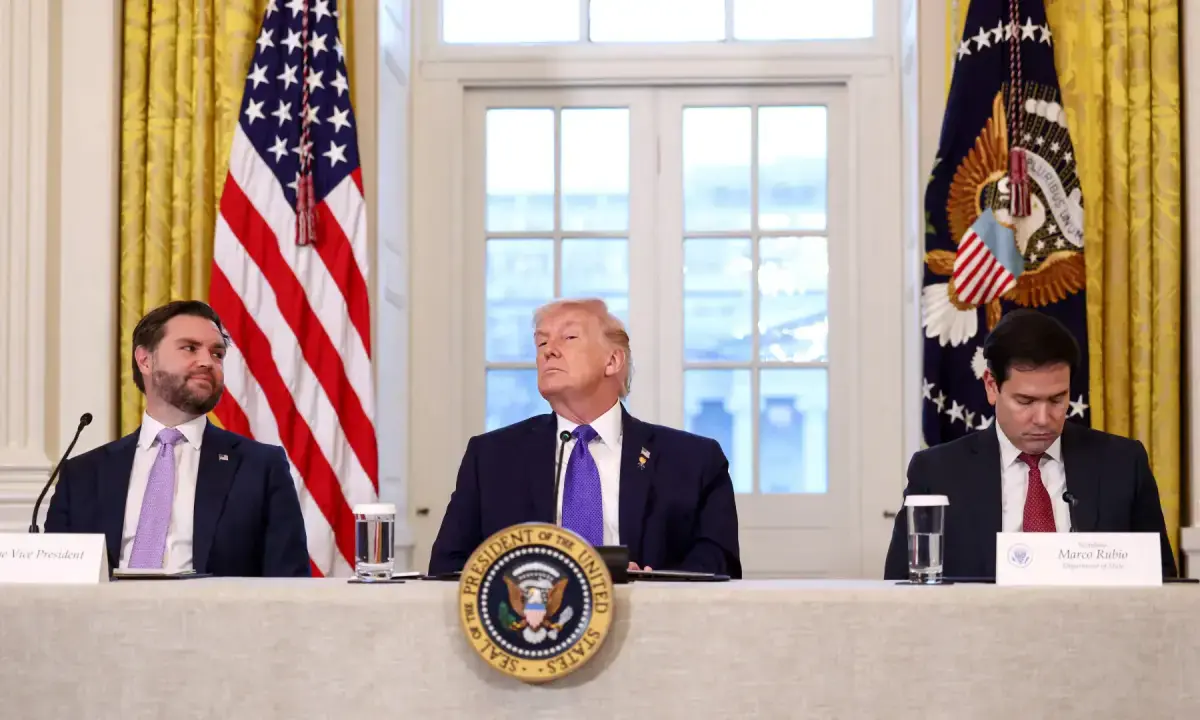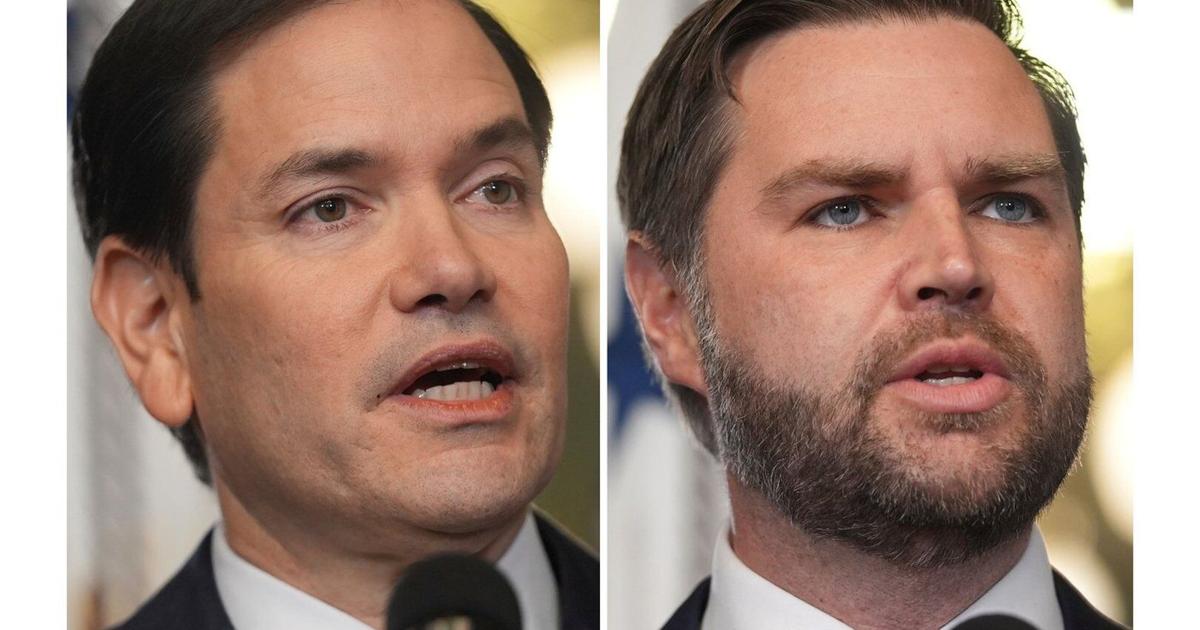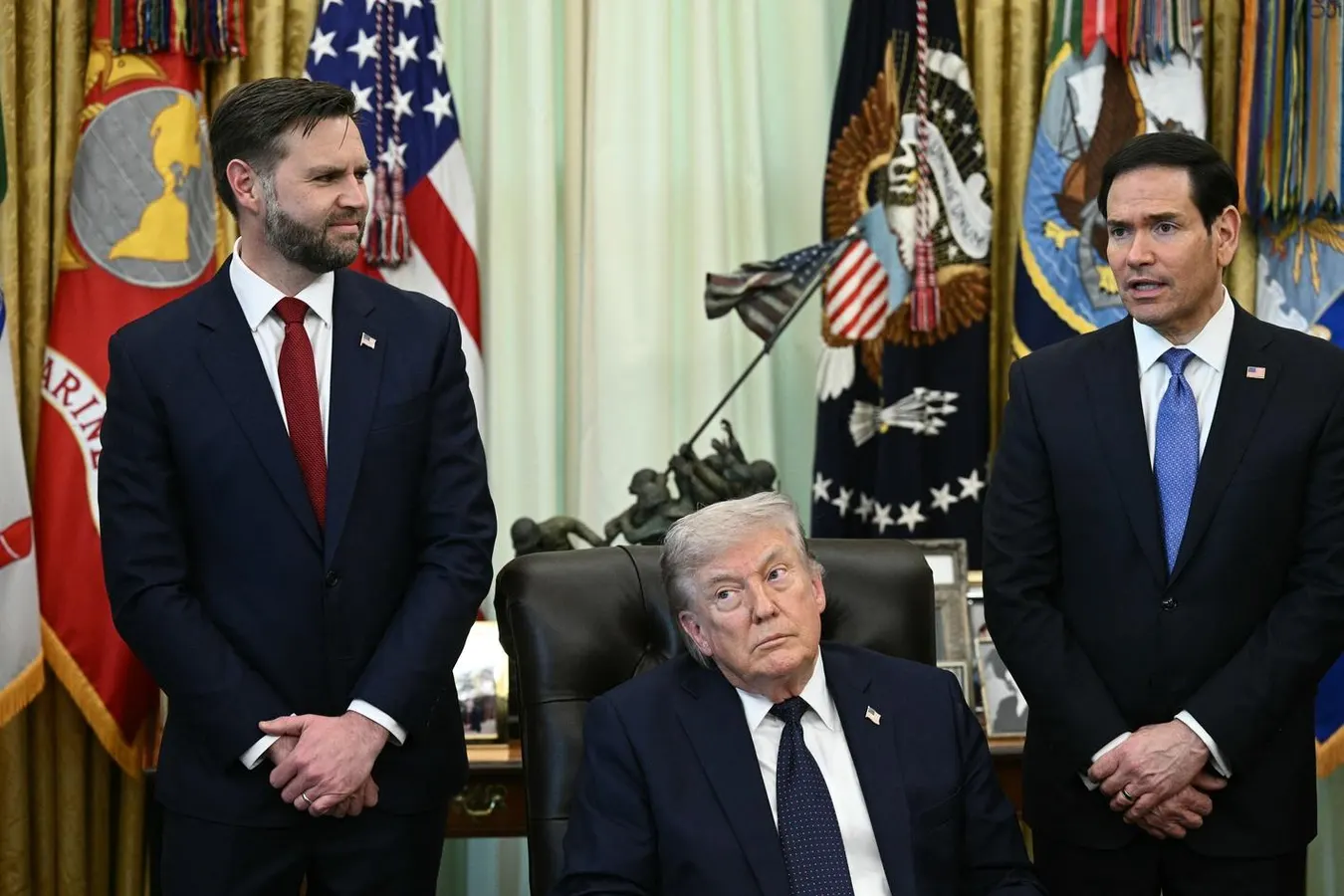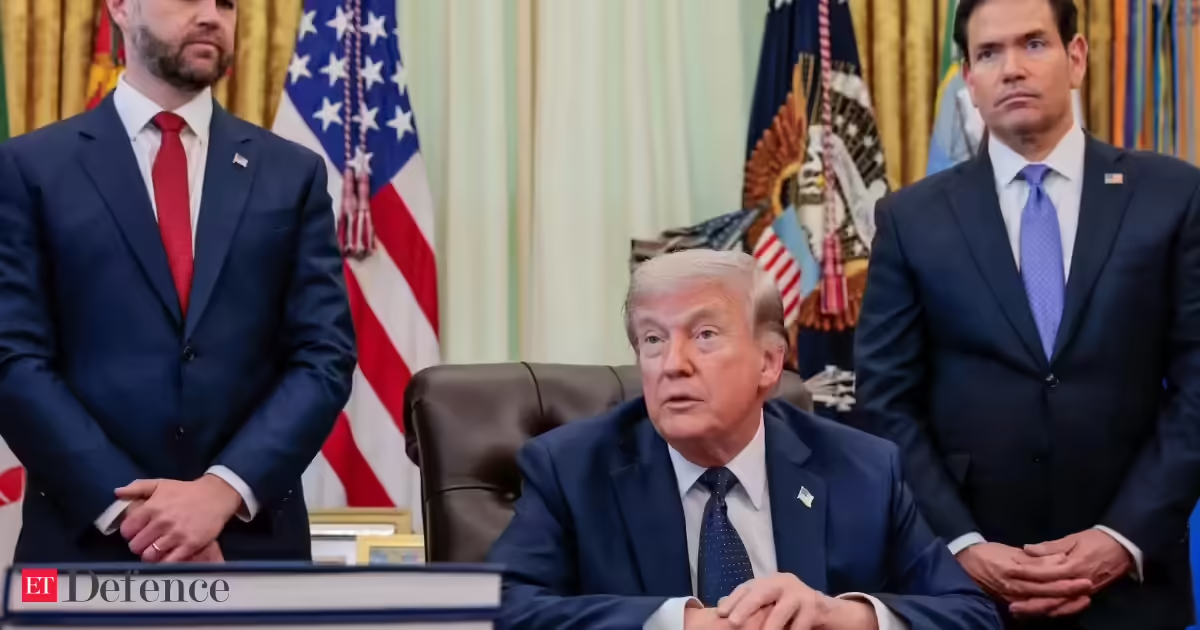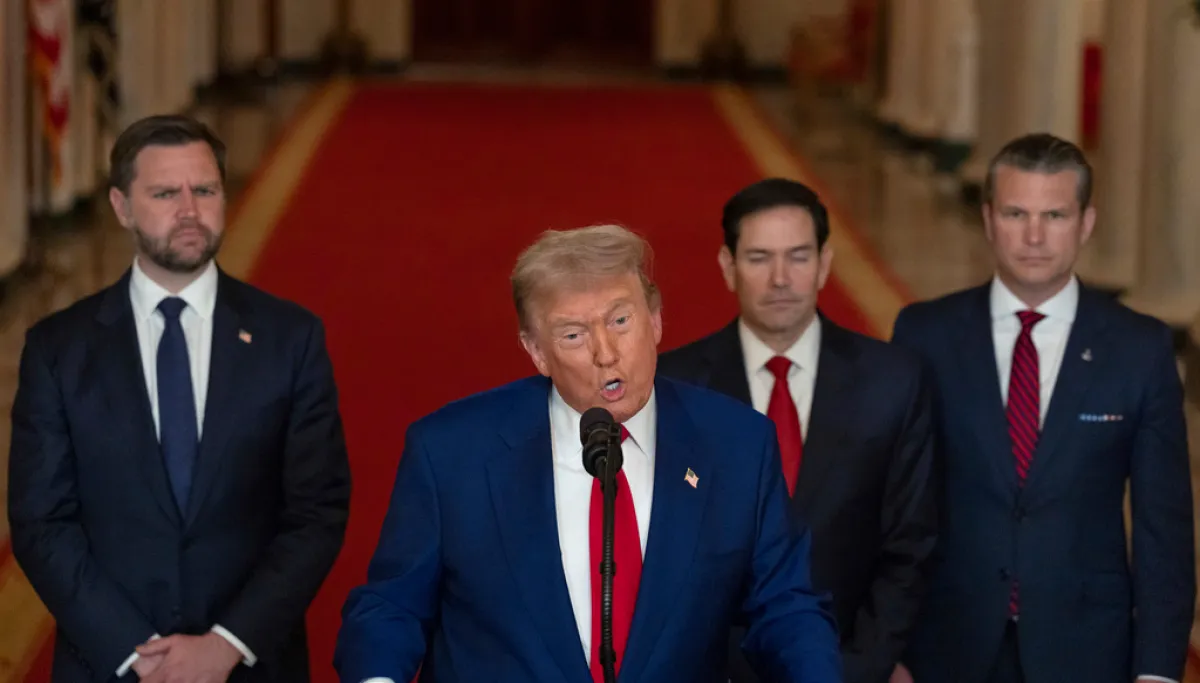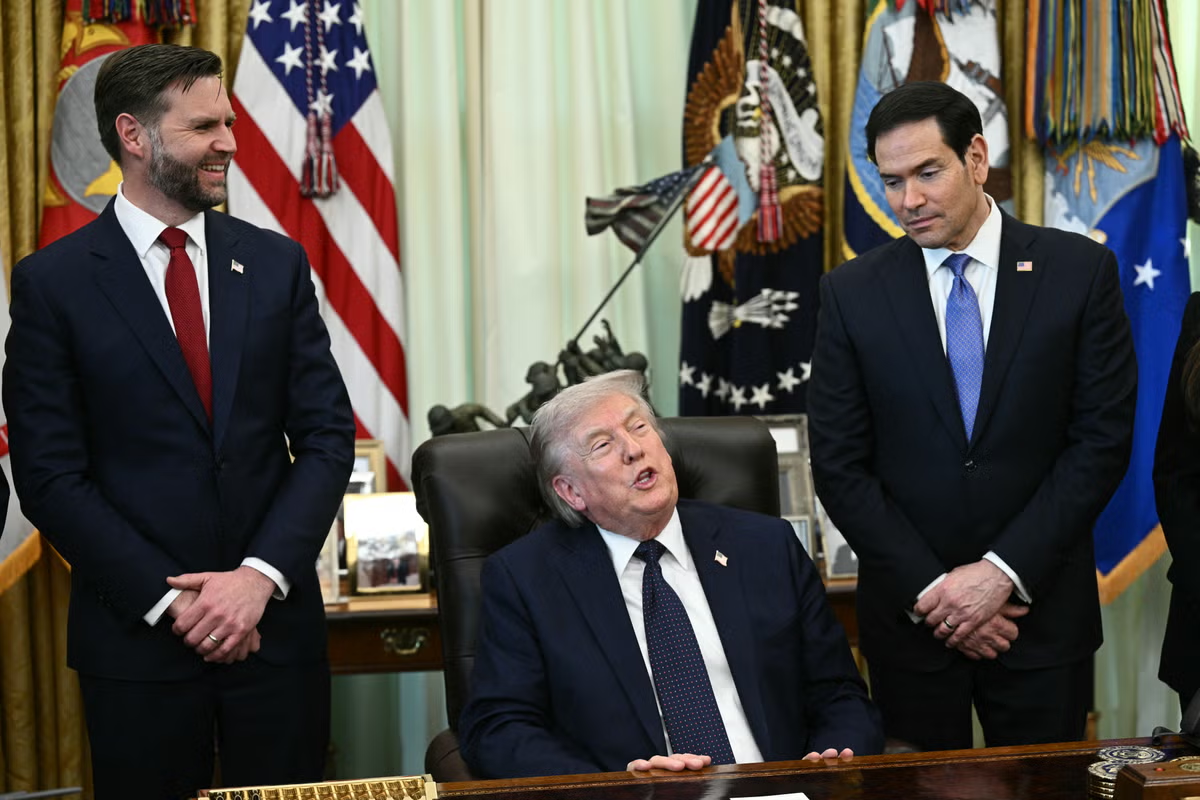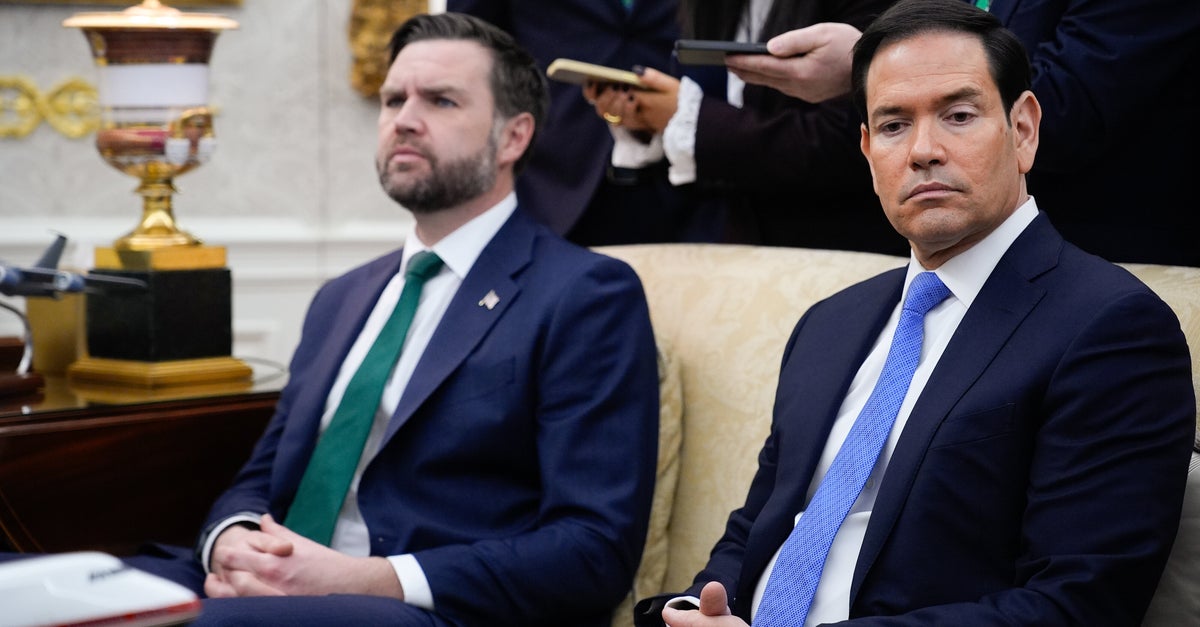
WASHINGTON — As President Donald Trump’s war against Iran approaches its four-week mark, two Republicans who could seek to succeed him in the White House have grown curiously quiet about it: Vice President J.D. Vance and Secretary of State Marco Rubio.
Two voices who in a normal presidential administration would be key messengers on the president’s most consequential foreign policy decision have faded from view in recent weeks. Instead, the most frequent public advocate for the war appears to be Treasury Secretary Scott Bessent, who has made multiple appearances on television.
“Beats the hell out of me,” said David Axelrod, the Democratic consultant who helped Barack Obama win the White House twice. “Vance is easily understood. This is antithetical to his brand. Bessent is necessarily out there because while the war is a national security issue, its ramifications are very much economic. Rubio is bewildering because he was so visible at the beginning.”
Trump attempted a coup to remain in power despite losing reelection in 2020 and has hinted that he would try to stay in office past 2028 notwithstanding the two-term limit in the Constitution.
But if the 2028 elections do take place on schedule, any Republican running, and especially those serving in his administration like Vance and Rubio, may have to overcome a deeply unpopular president and be forced to explain their public support for what is already an unpopular war that is projected to increase inflation and has thus far raised gasoline prices by more than a dollar per gallon.