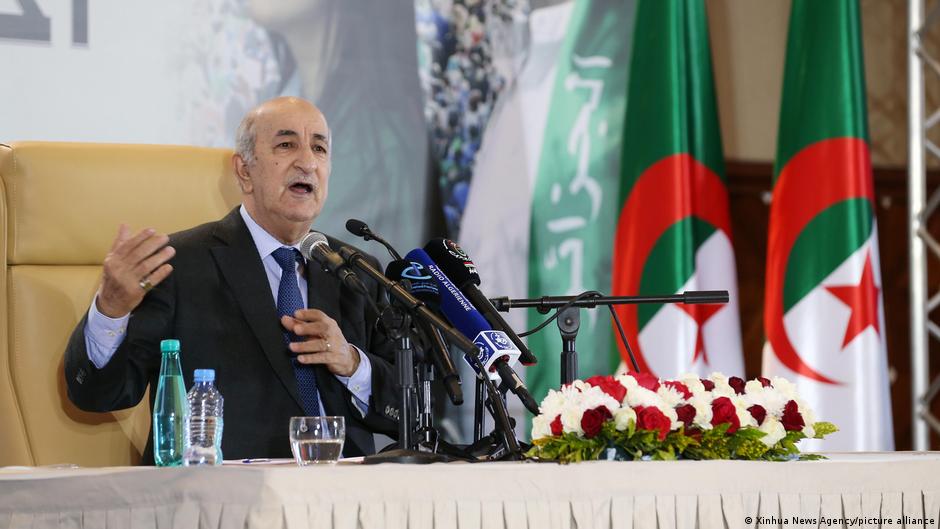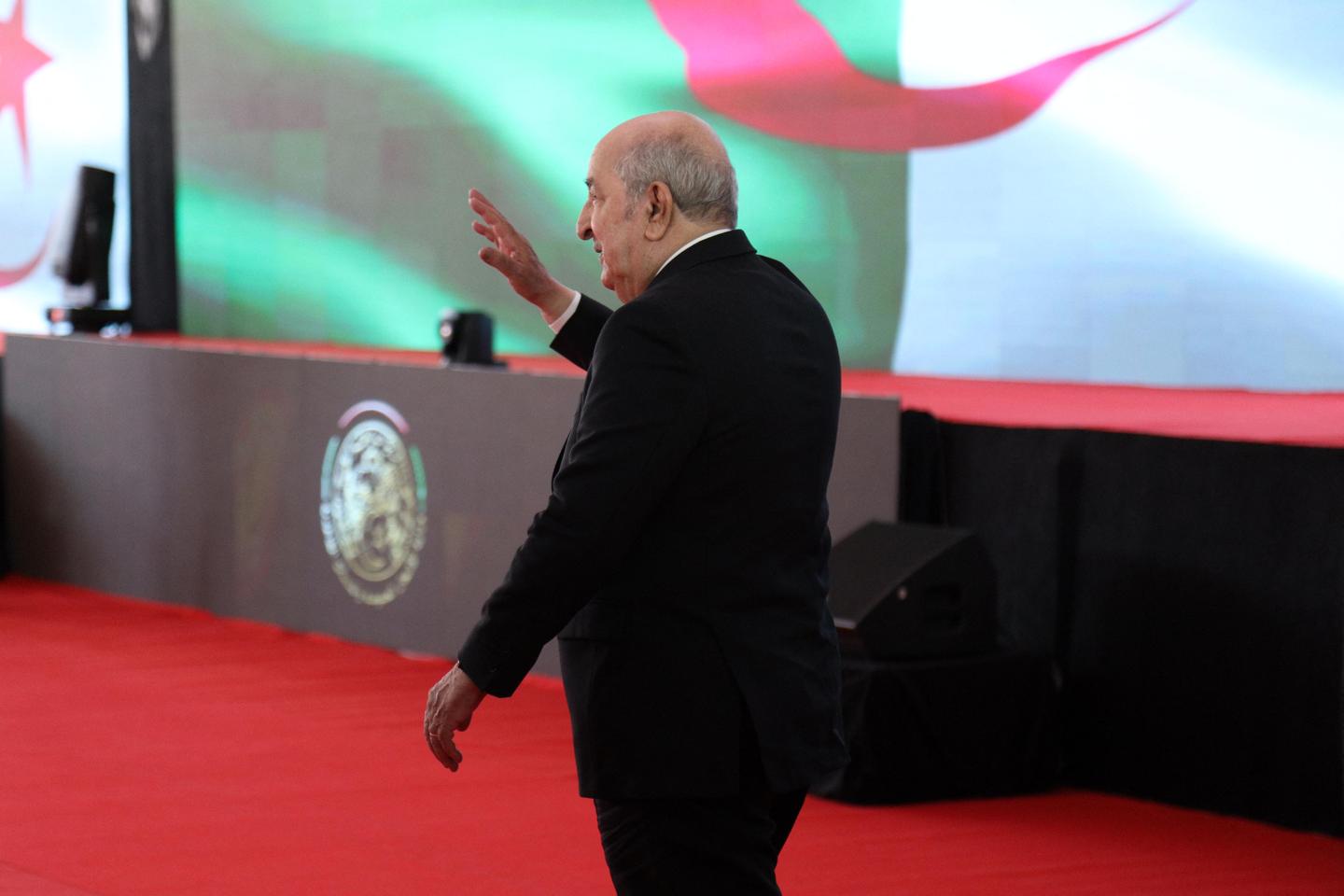
Algerian President Abdelmadjid Tebboune in Béchar, Algeria, February 1, 2026. BILLEL BENSALEM/APP/NURPHOTOVIA AFP
Officially, the constitutional amendments are merely "technical." In reality, the matter is deeply political. The constitutional revision put before both chambers of the Algerian Parliament on Wednesday, March 25, and which both are expected to approve without challenge, aims solely at strengthening the president's grip on the country's institutional framework.
Algerian President Abdelmadjid Tebboune will thereby see his personal authority bolstered, 18 months after his re-election as head of state. He was first elected in December 2019, at a time when the regime had been weakened and forced onto the defensive by the Hirak anti-establishment protest movement.
Seven years later, Algeria's political landscape is barely recognizable. In addition to the repression of the opposition, the new legislative and constitutional maneuvers aim at restoring the all-powerful executive. The nature of the relationship between President Tebboune and the military high command – the foundation of the Algerian political system – remains a matter of speculation. While custom, rather than law, dictates that the military pulls the strings behind the scenes, Tebboune has recently signaled a desire for greater independence, making the most of the powers granted to him by legislation.