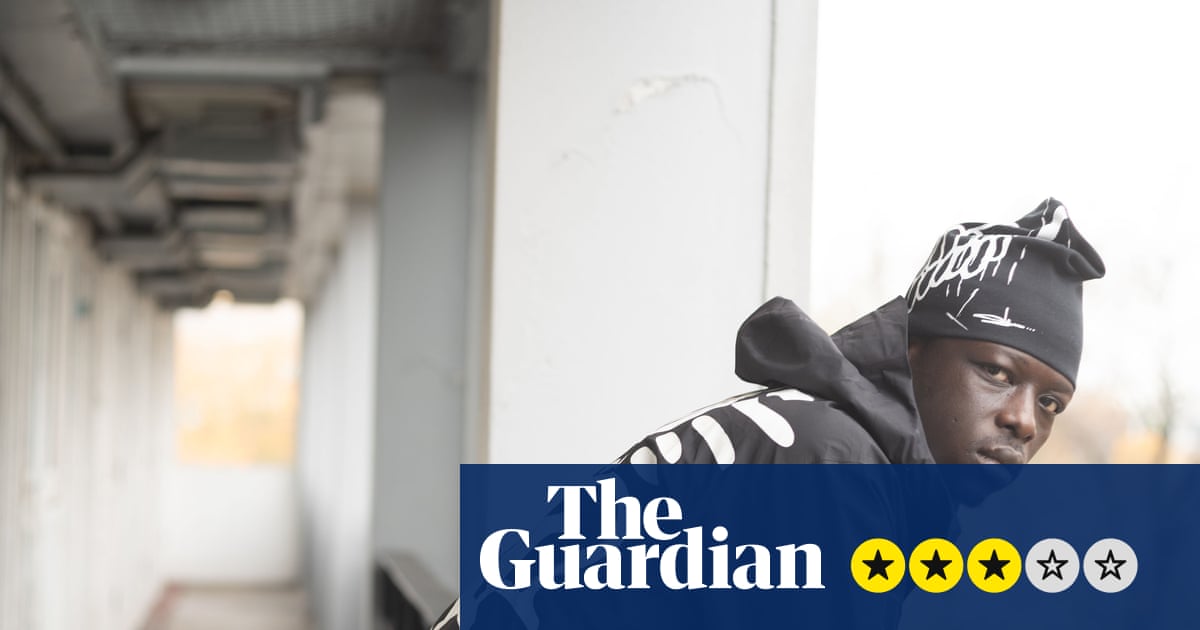
Sure, this might well be a PR exercise for the rapper after being jailed in 2022 for his part in a mass brawl. But it’s also a vital indictment of the appalling probation system
I
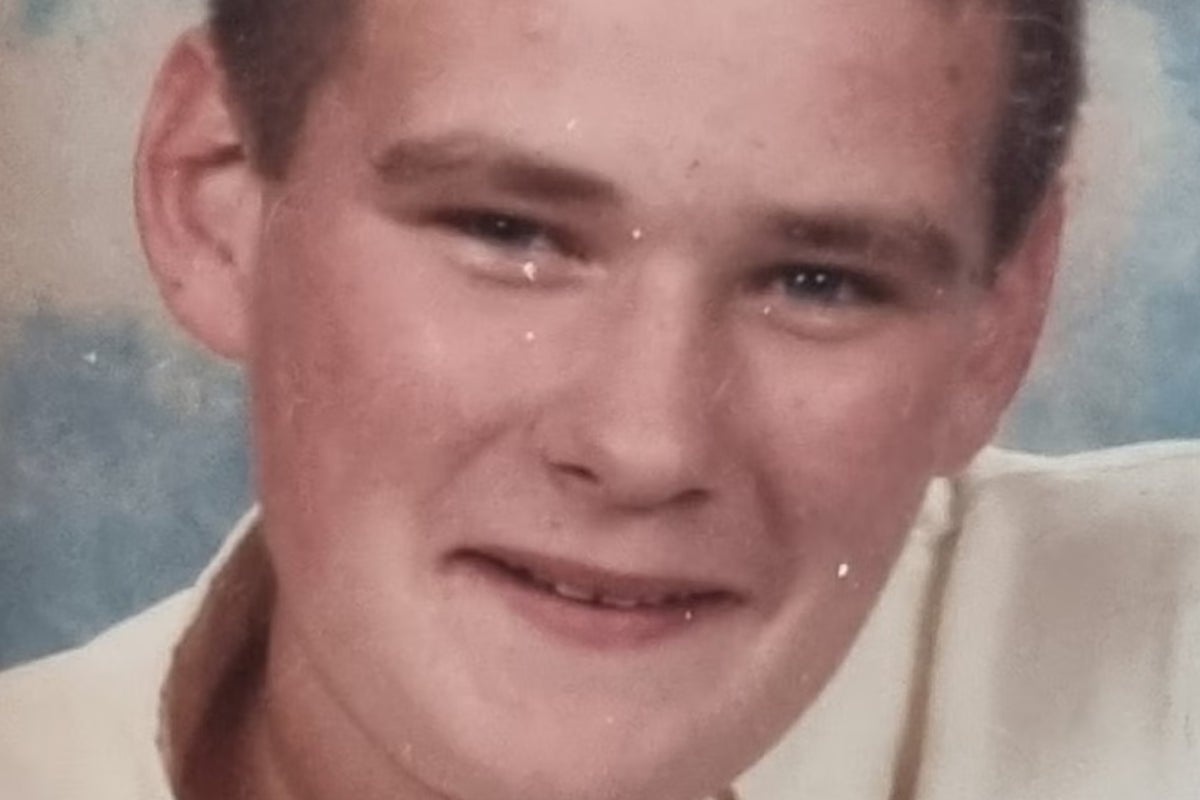
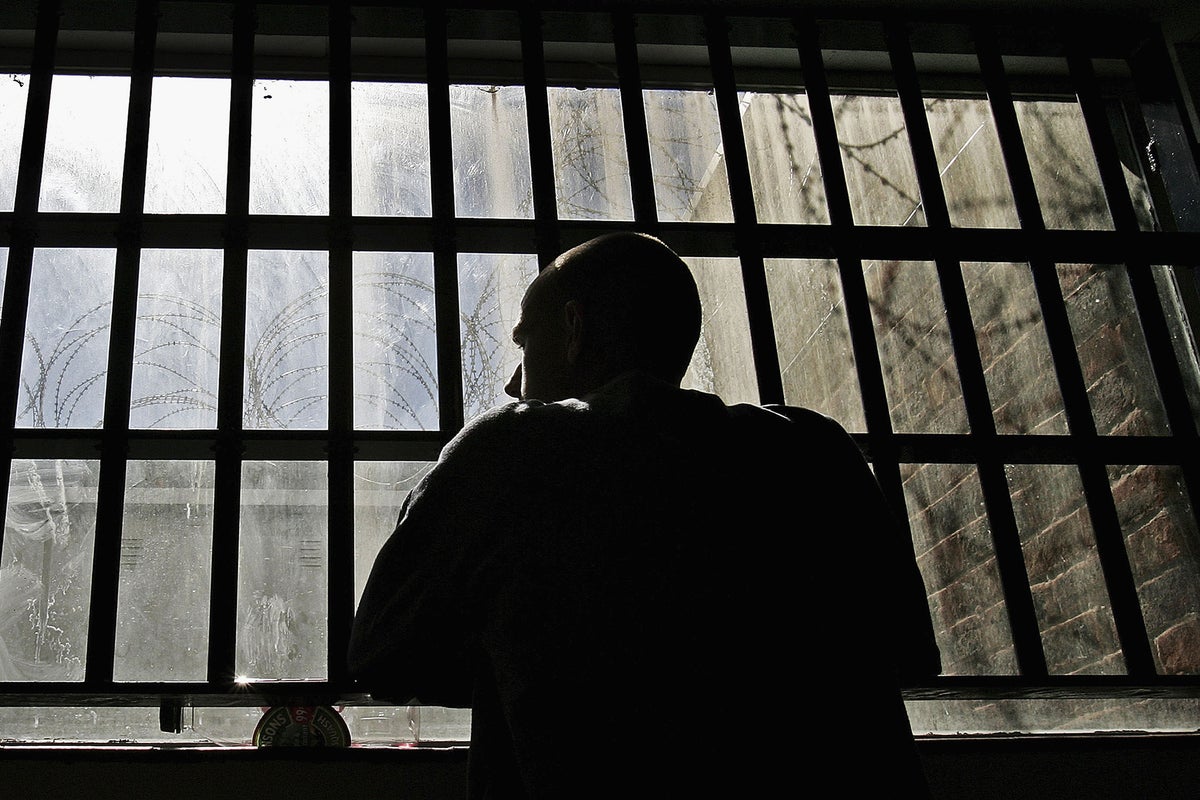
n December 2022 – just as his music career was on the up – things came crashing down for the British-Gambian rapper Pa Salieu. Four years earlier, Salieu had been involved in a mass altercation between a group of men in Coventry, where he was raised. Two men were stabbed; one, a close friend of Salieu’s, Fidel Glasgow, died from his injuries. Salieu was convicted on charges of violent disorder and possessing a bottle as an offensive weapon. He was sentenced to 33 months in prison, of which he served 16 and a half.
This one-off documentary follows the now 28-year-old after his release, as he attempts to rebuild his once-flourishing career, which had seen him perform at Glastonbury, appear on Jimmy Fallon’s US talkshow, and win the BBC’s feted Sound Of tastemaker poll in 2021. The result is somewhere between a PR exercise for Salieu, a cautionary afterschool special for younger viewers and an indictment of the underfunded and overprivatised Probation Service.
For those unfamiliar with Salieu’s output, it does well to situate him within the wider UK rap canon, and to emphasise the adulation that surrounded his debut mixtape, Send Them to Coventry. Listeners were hypnotised by its patchwork of grime, Afrobeats, dancehall and more, or as music journalist Flashy Sillah puts it: “This felt like [fellow British rapper] J Hus but on steroids.” We learn, too, about the deprivation that characterised Salieu’s early life, and the small-time drug dealing he engaged in as a teen. “I was selling weed – people may try and glamorise it, but it’s just something people have got to do,” he says, matter-of-factly. He doesn’t romanticise street life here; when it comes to the incident that led to his stint in prison, Salieu says: “It started as self-defence, but it led to getting carried [away] in the moment … I take responsibility for punching, I take responsibility for drinking, because it didn’t help me with how I acted.”