https://arab.news/8hqcn
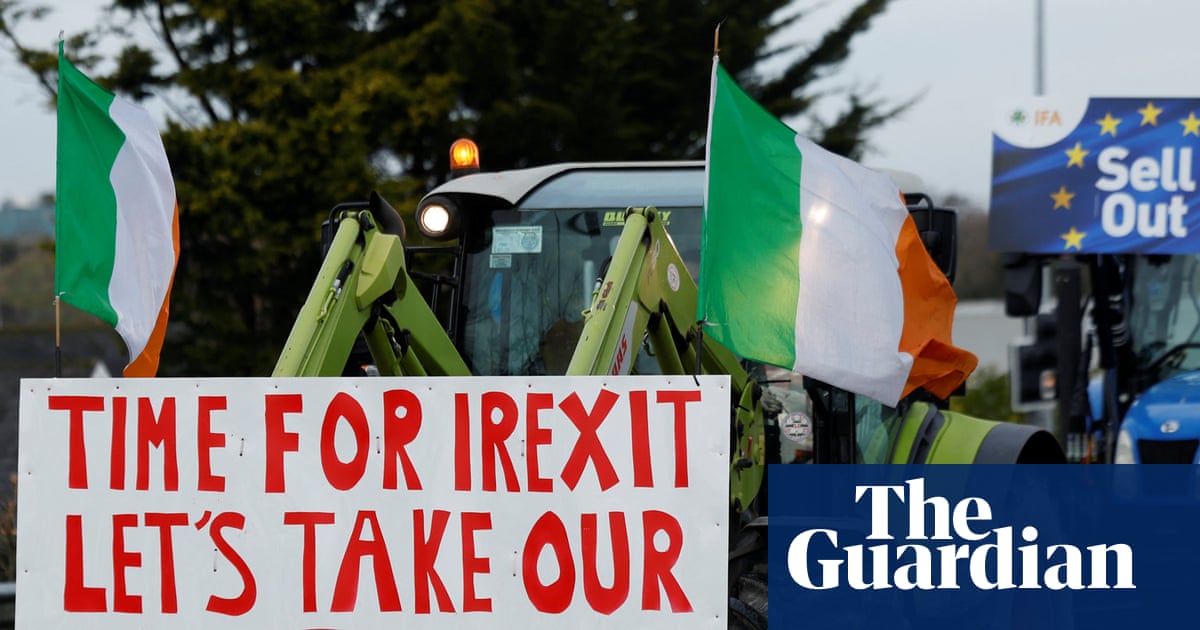
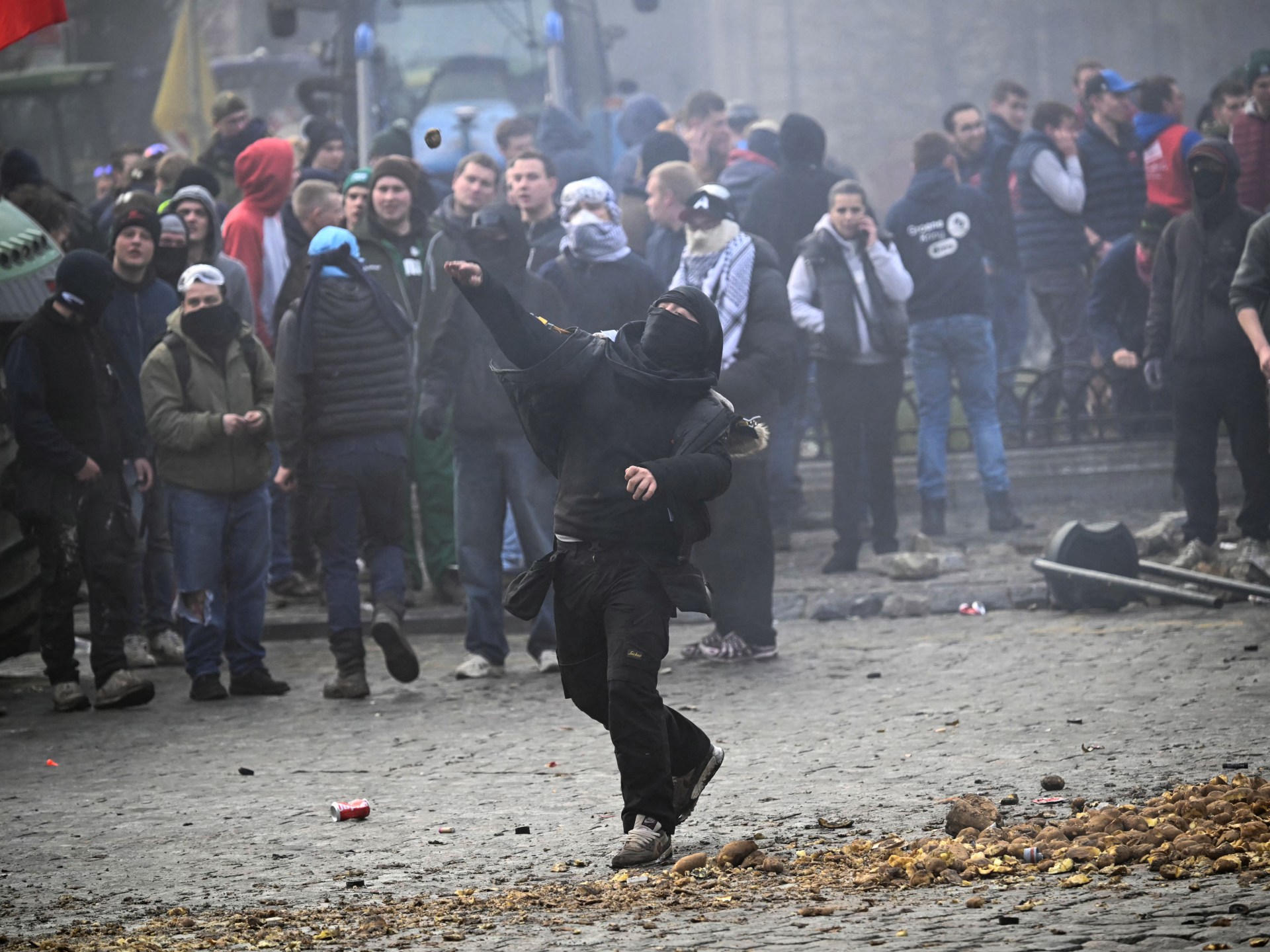
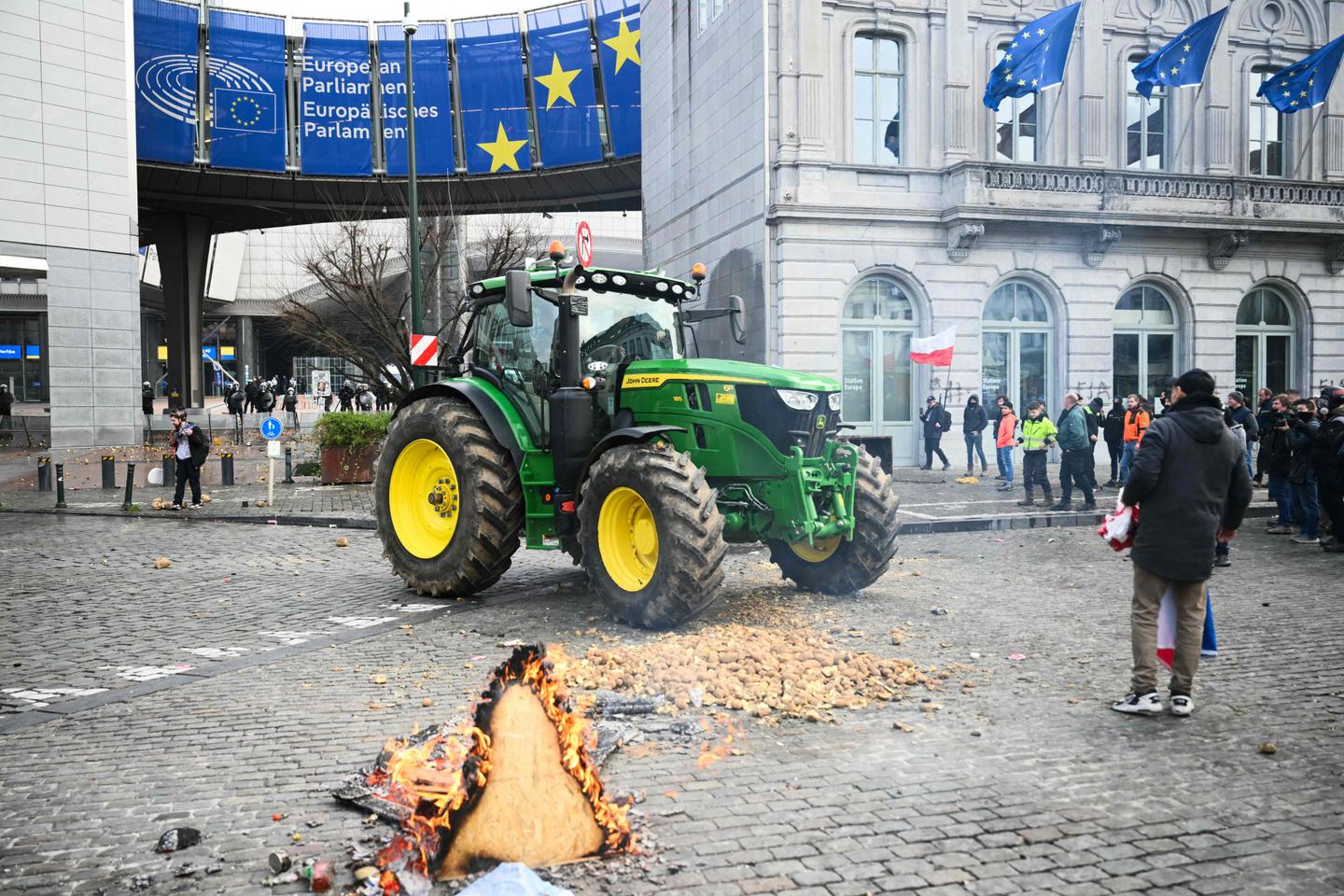
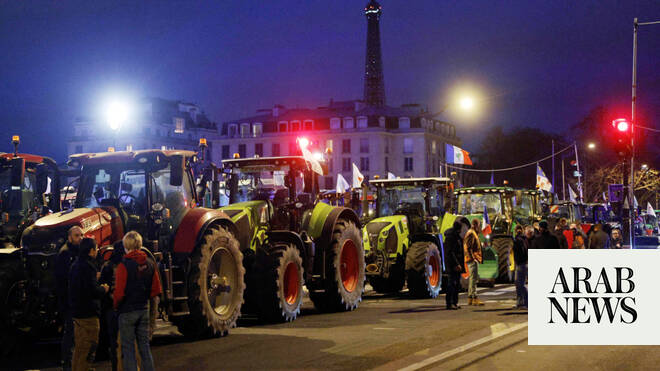
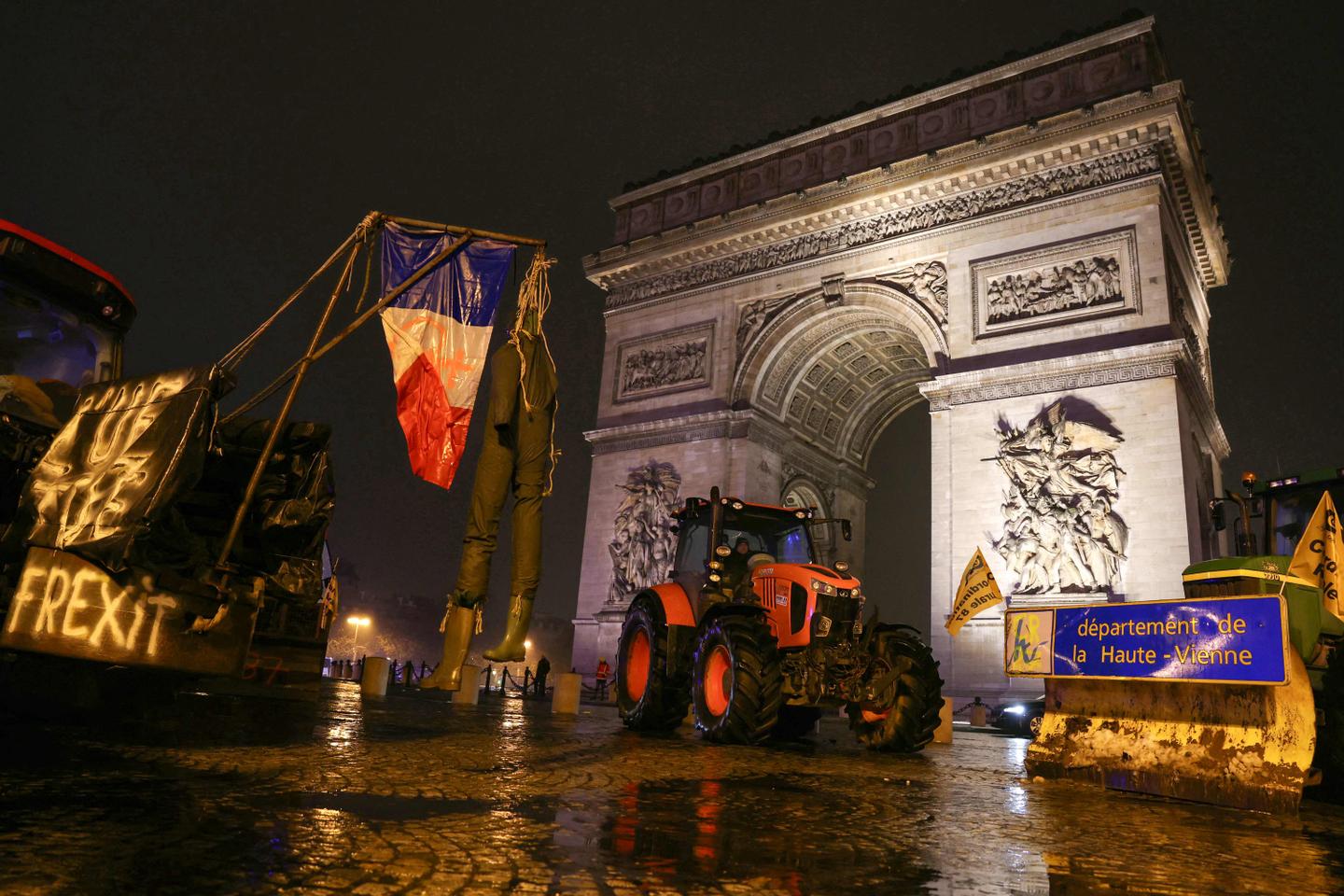
The image of European farmers downing tools and taking a day — or several days — off from their hard work in the fields, cowsheds, henhouses and sheep-filled meadows to head in slow-moving tractor convoys to their national capitals or the EU headquarters in Brussels is not uncommon. These demonstrations often slow traffic, block roads and, for added impact, sometimes involve releasing livestock into the streets or pelting eggs at official buildings. Farmers do this to express their frustration, even anger, that, in the food production chain, they are at the very bottom when it comes to being rewarded for their hard work and the irreplaceable role they play in sustaining our existence.
There is ample evidence of the unfair treatment farmers face. Against this backdrop, this month’s announcement that the European Parliament has adopted new measures to protect farmers from unfair trading practices by buyers of agricultural products must be seen as welcome news. The agreement introduces measures designed to rectify these imbalances by strengthening the bargaining power of farmers vis-a-vis processors, retailers and other market actors.
One of the key changes the new policy brings is a shift away from the concentration of enforcement power in Brussels. Individual member states will be able to protect their farmers by intervening to stop unfair cross-border trading practices, without requiring farmers themselves to lodge formal complaints. For the first time, stricter labeling rules for certain meat products and clearer advertising standards will be introduced. Authorities will also be able to share information more quickly through the Internal Market Information System, enabling faster, better-coordinated responses to prevent and deter unfair practices across the single market.