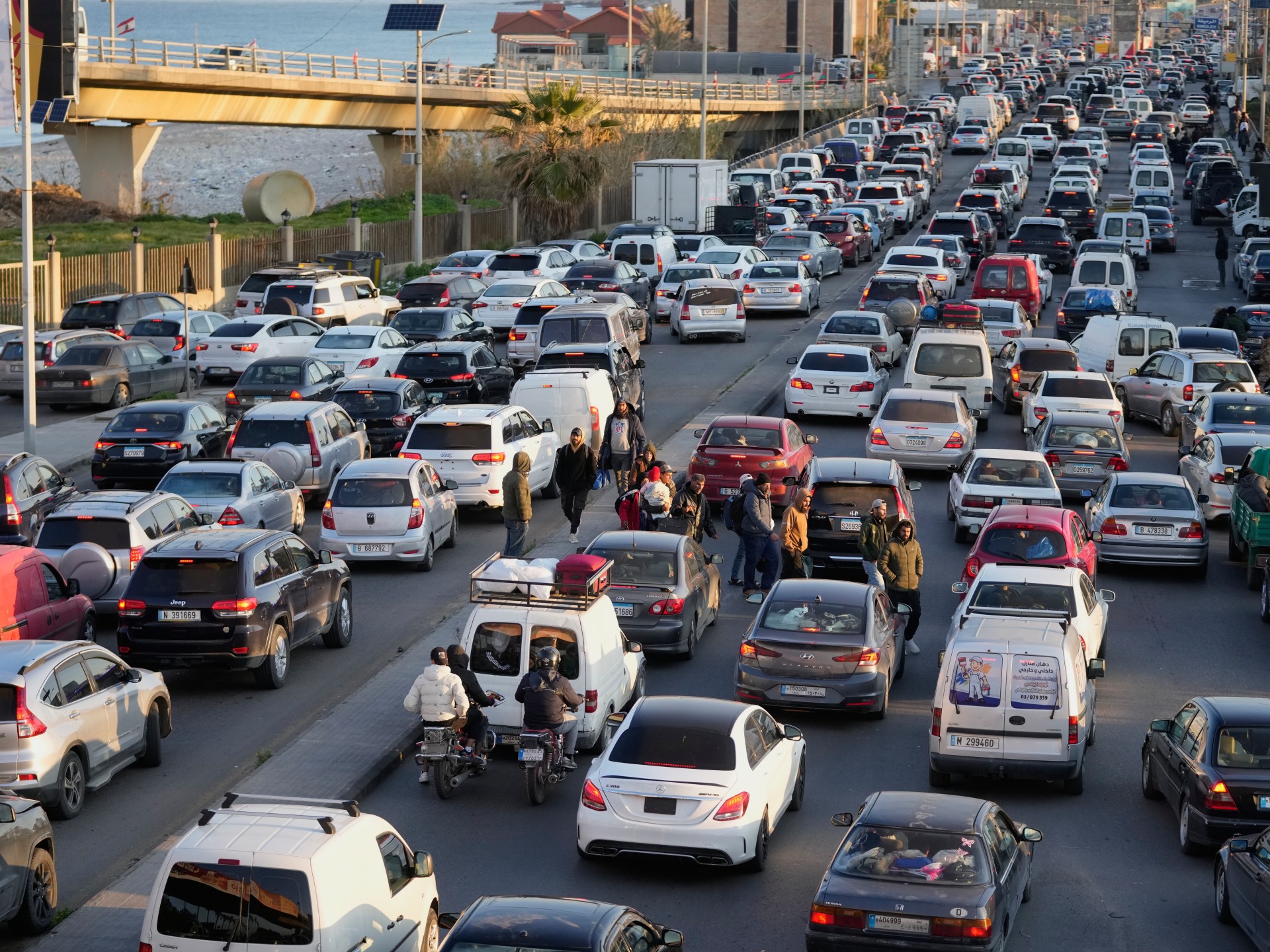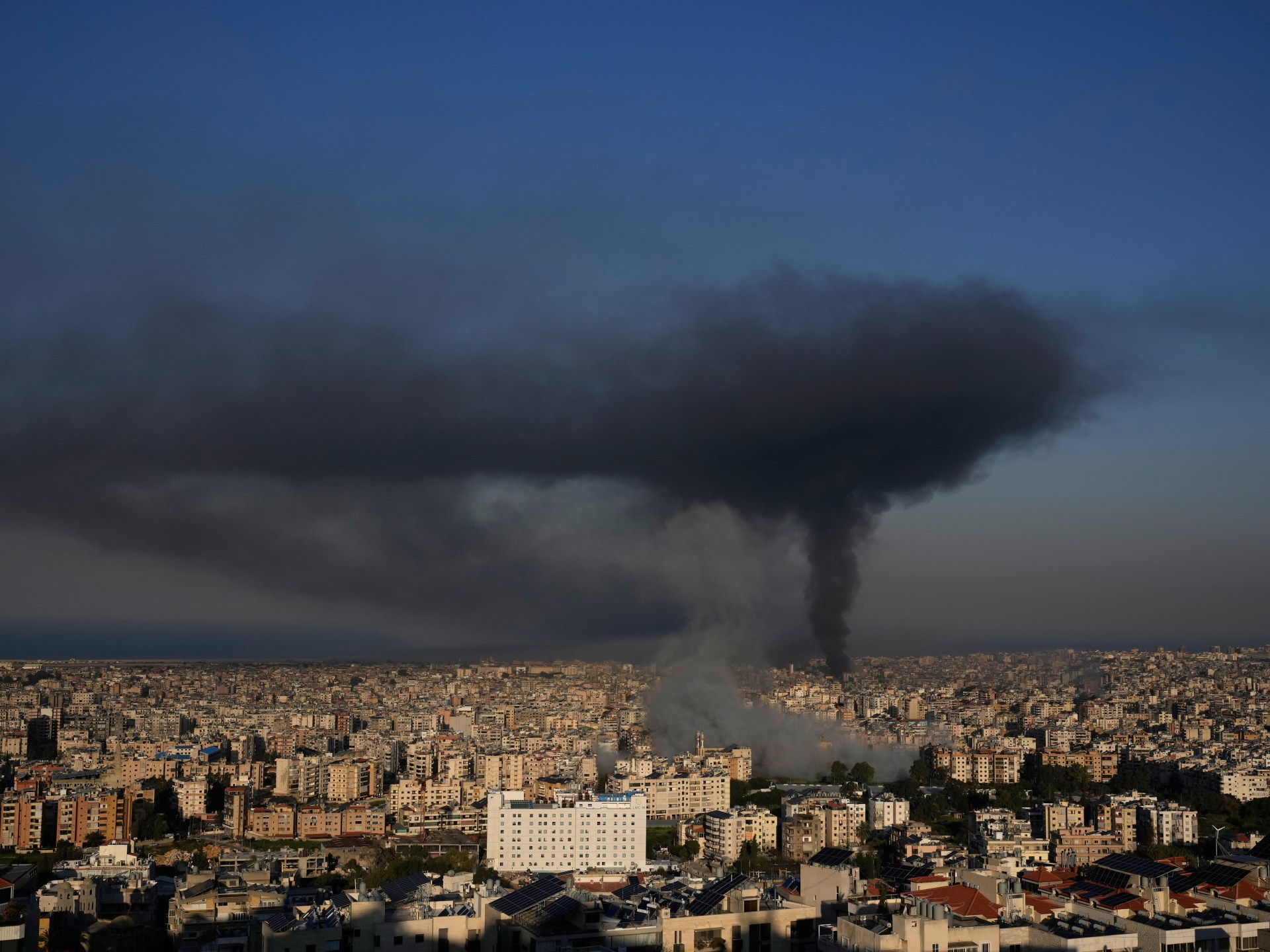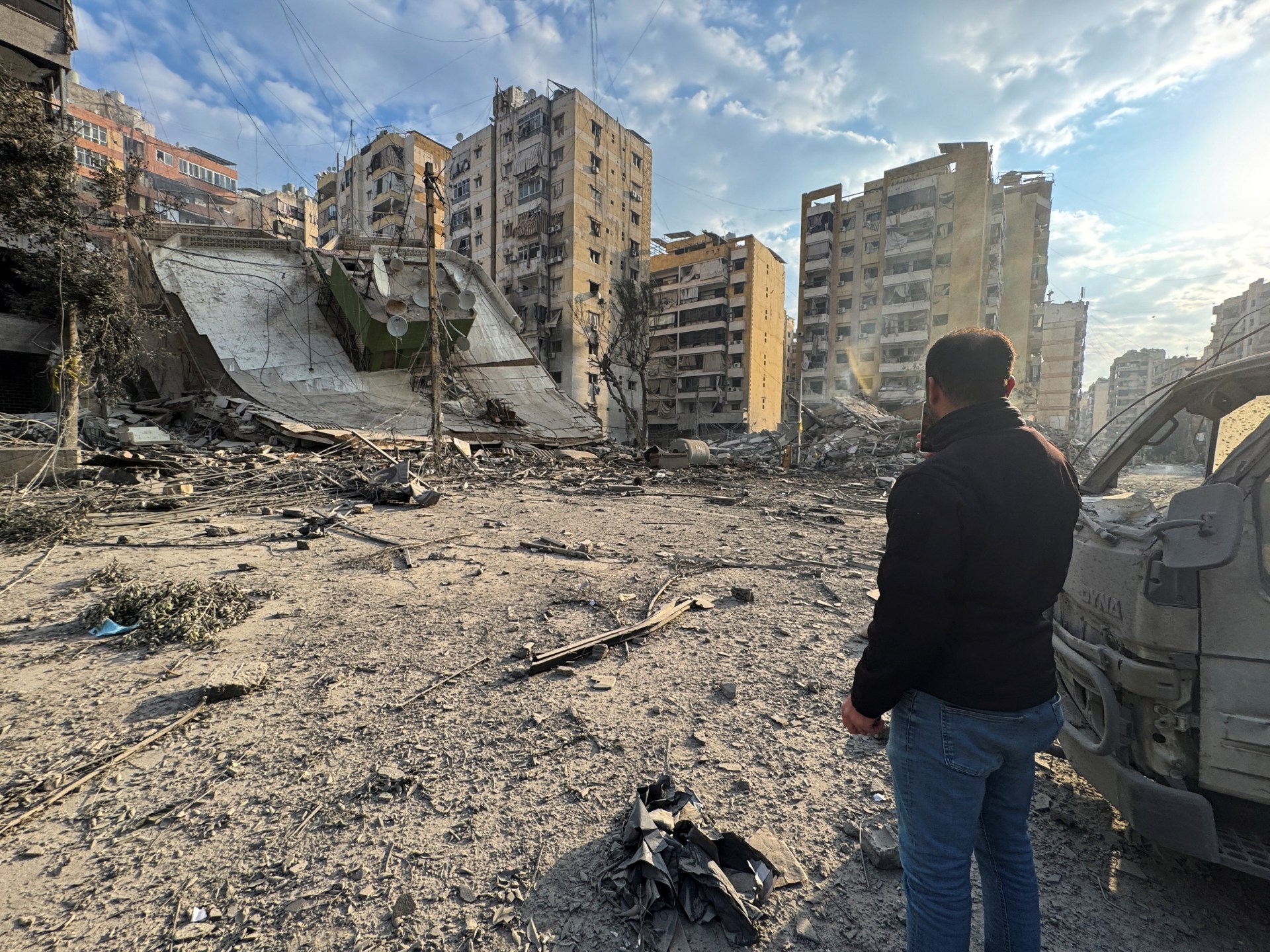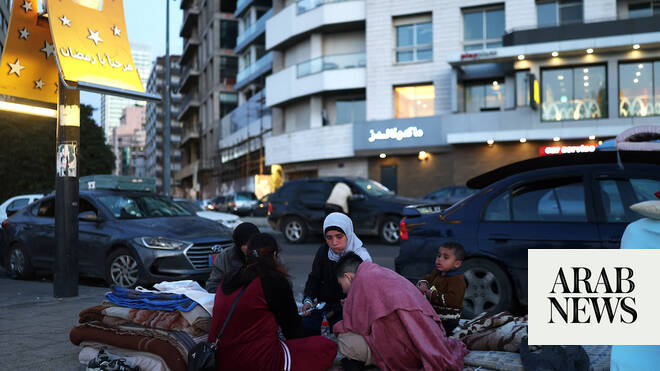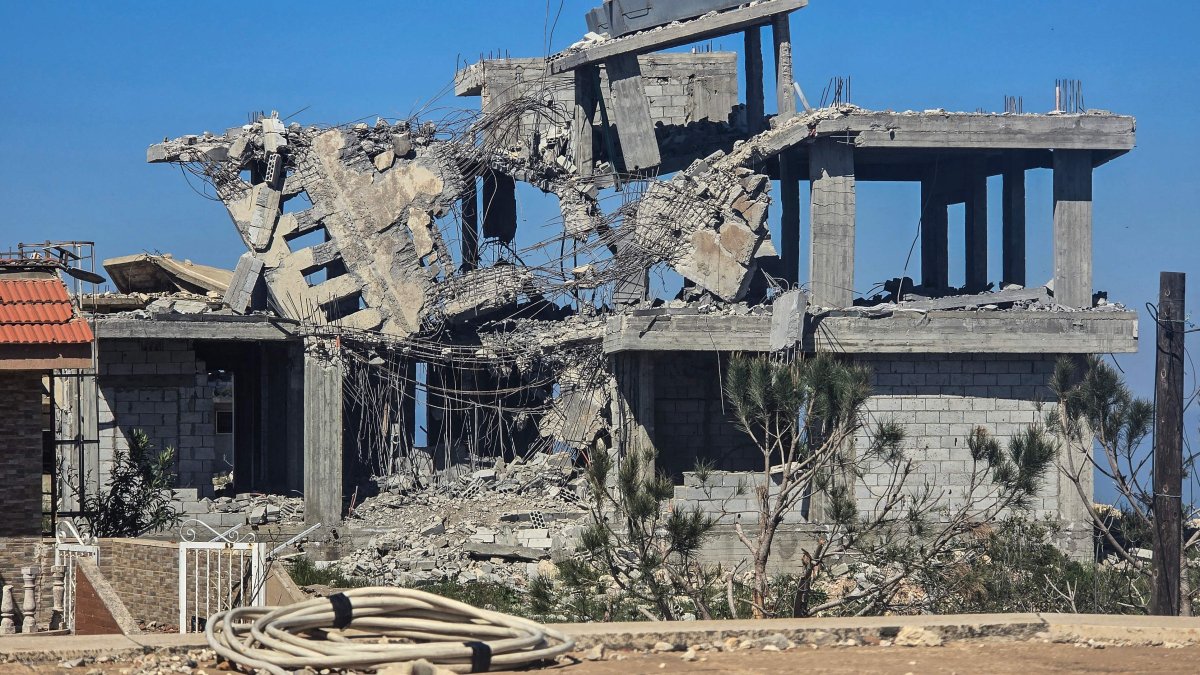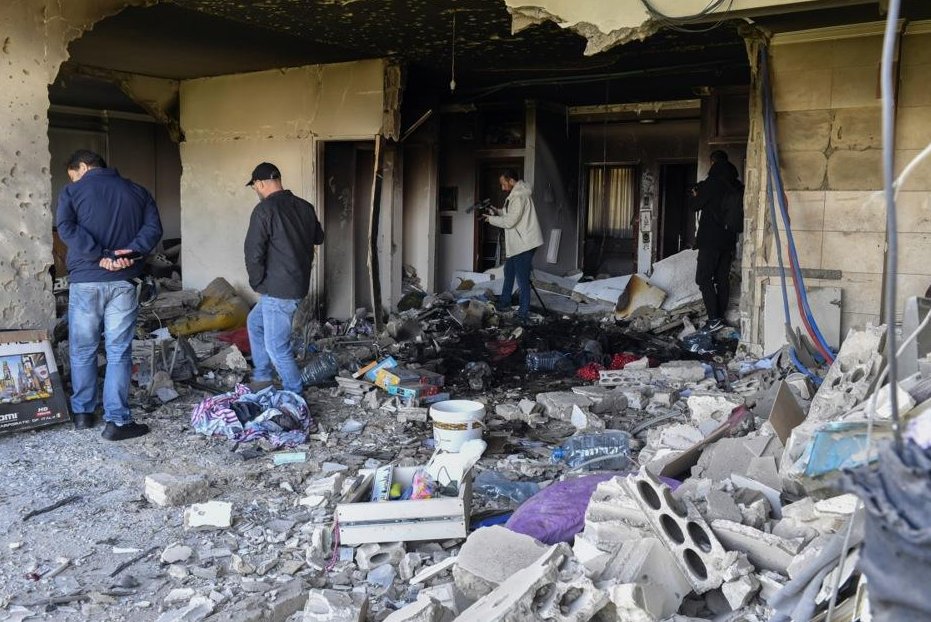
BEIRUT, Lebanon, March 24 (UPI) -- The mass forced displacement of more than 1 million Lebanese, triggered by Israeli evacuation orders in southern Lebanon and other Hezbollah-controlled areas, has left the country facing a humanitarian disaster, fueled tensions among its communities and raised concerns about lasting demographic change.
Israel has pledged to apply the "Gaza model" in southern Lebanon, directing its army to accelerate the destruction of villages along the border and demolish all bridges over the Litani River to prevent Hezbollah fighters from moving south and threatening northern Israel.
Hezbollah remained inactive for 15 months since the Nov. 27, 2024, cease-fire agreement, but decided to engage in the U.S.-led war on Iran by firing missiles and drones into northern Israel on March 2, less than two days after the assassination of Iran's Supreme Leader Ayatollah Ali Khamenei.
The Iran-backed Shiite group said the strikes were in response both to Israeli aggression and to Khamenei's killing.
Related