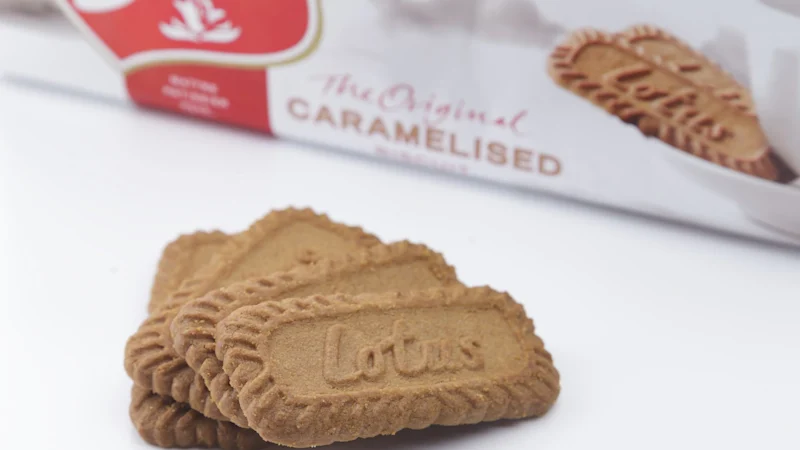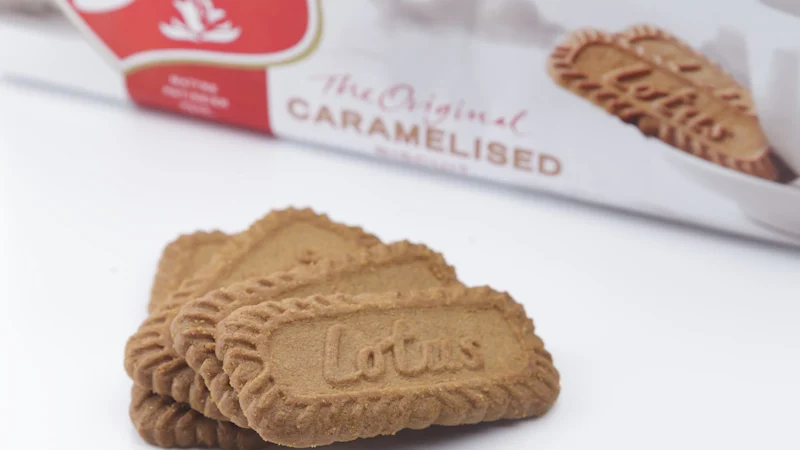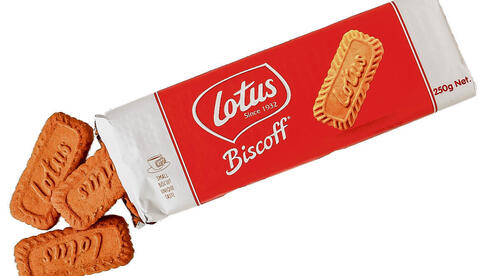
Biscoff-based recipes are breaking the internet – everything from cheesecakes and milkshakes to prawn dishes and salads. A few traditionalists are even enjoying the biscuits on their own. What’s behind this sweet success story?
A
round 15 years ago, Ashley Markle was admitted into a secret world, introduced to the treasures of an exclusive supply chain. She was staying at her aunt’s house and, one morning, when her aunt made her a coffee, she placed a little plastic-wrapped biscuit on the side. “I’d never seen them before,” says Markle. She bit into it: “It was a warm flavour that I’d never really had in a cookie. I’m like, what is this?”
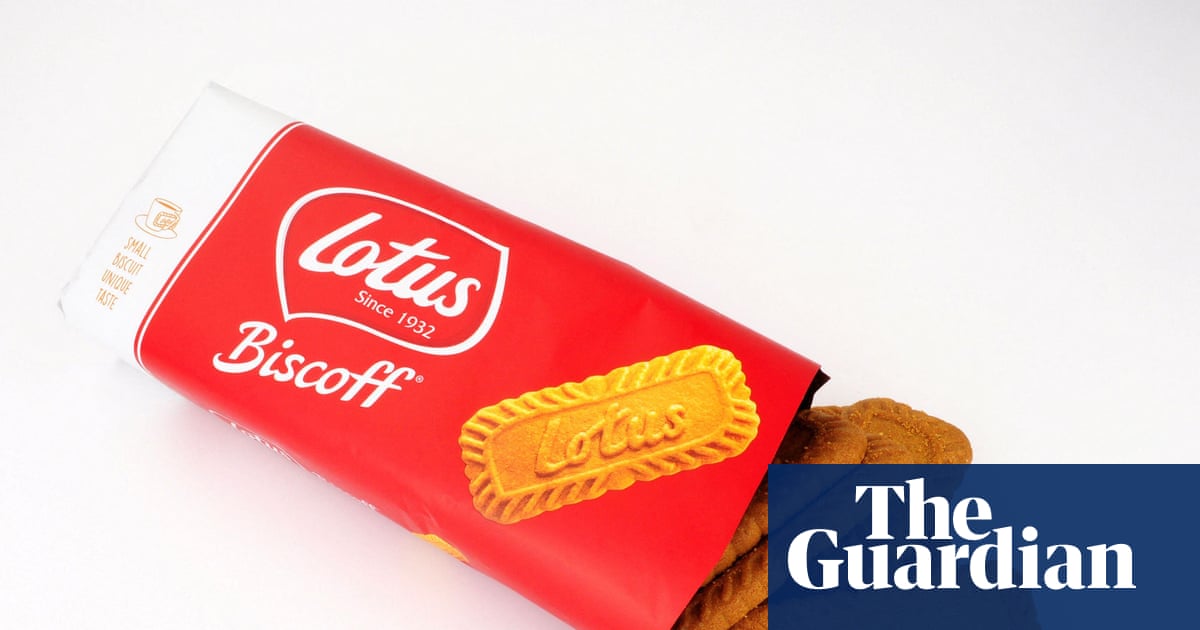
Her aunt had discovered the small, gently spiced Biscoff biscuits as an airline snack. She loved them so much that she contacted the maker, Belgian company Lotus, and asked them to ship a box to her in the US. At that time, says Markle, “I think she was the only person who actually had them in her home.” But, as we all know, the world changes rapidly. Last year, Biscoff was the fastest-growing biscuit brand in the US.
Created in 1932, the spiced caramel biscuit has been described as a “gen Z obsession” by the Times, while Biscoff-branded treats, or rival companies’ “caramelised biscuit” products, appear to be everywhere this spring, from Easter eggs to hot cross buns. There have been Biscoff peaks every few years over the last decade. In 2014, the spreadable version was being described as “crack in a jar”. In 2016, Biscoff was whisked into the freakshake trend. By 2021, fuelled by the Covid lockdown home-baking boom, the brand had taken off across social media, while the chef Jon Watts demonstrated three Biscoff recipes in just under seven minutes on the daytime TV show This Morning. “That was my worst ever TV appearance,” he says with a laugh.