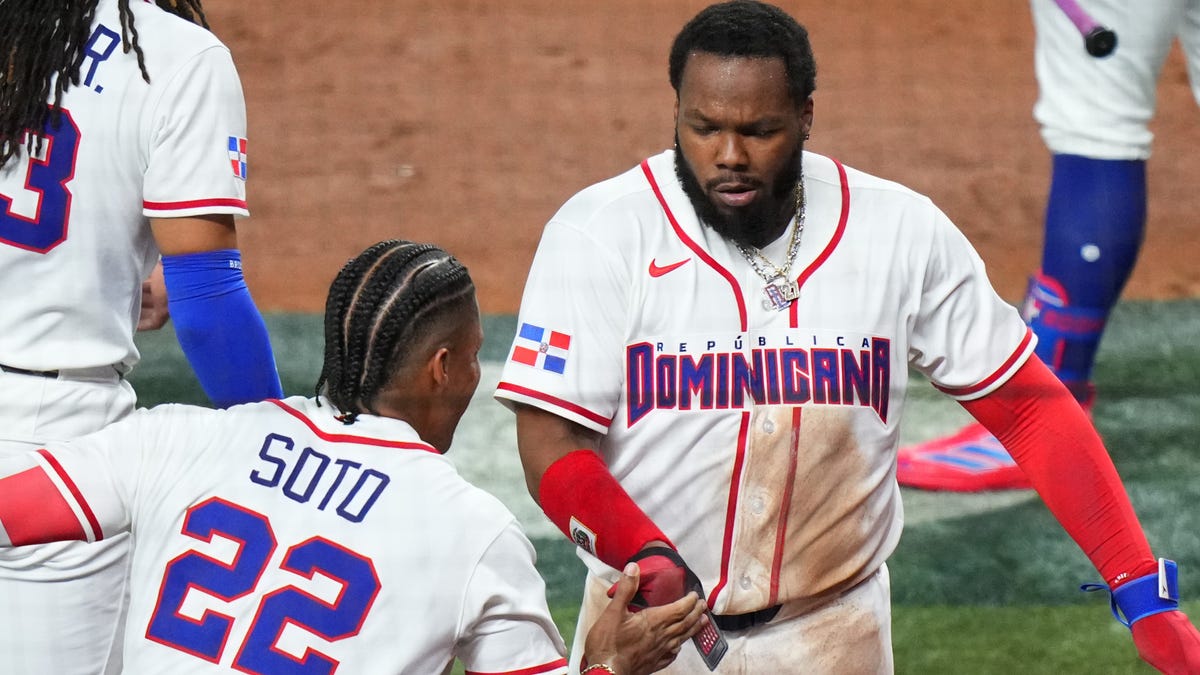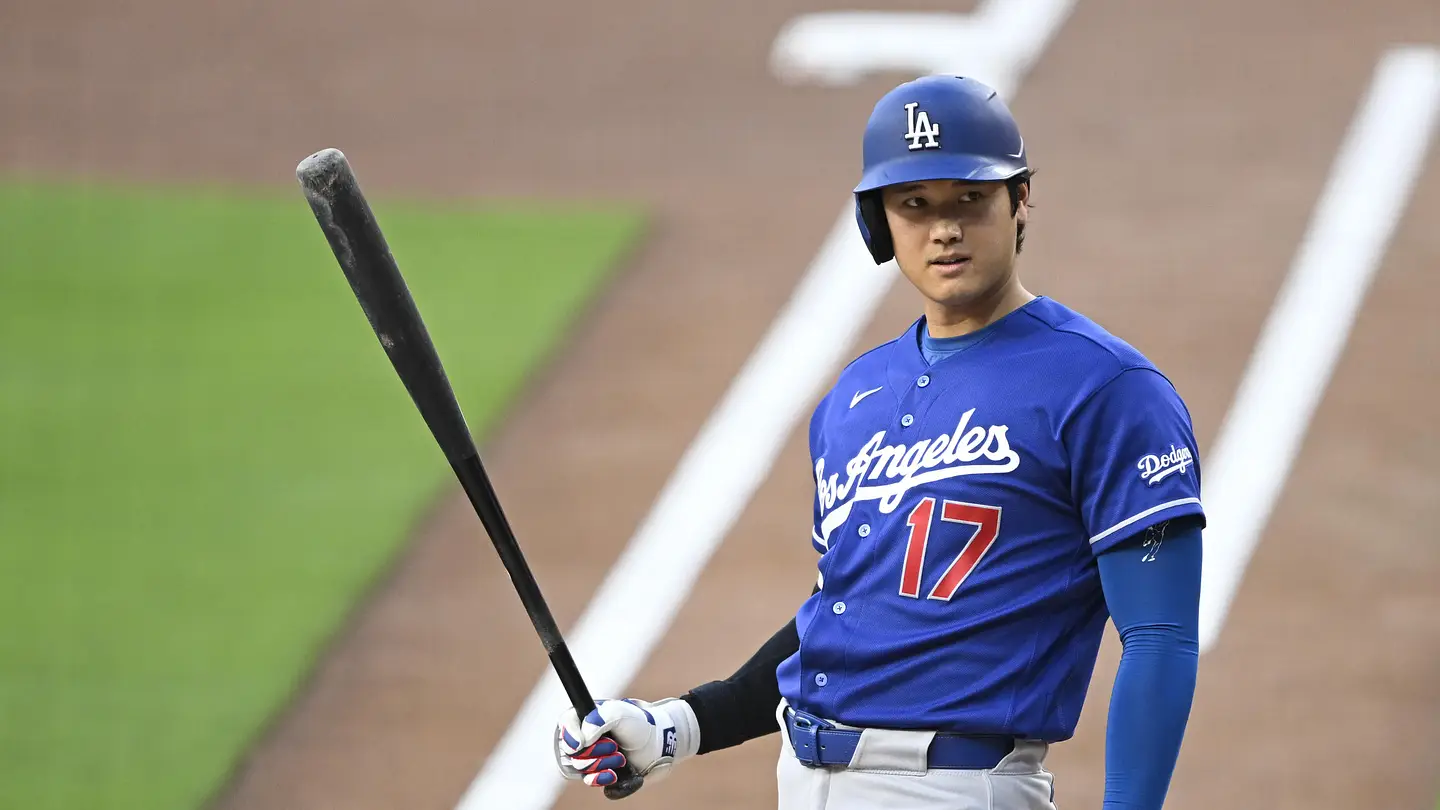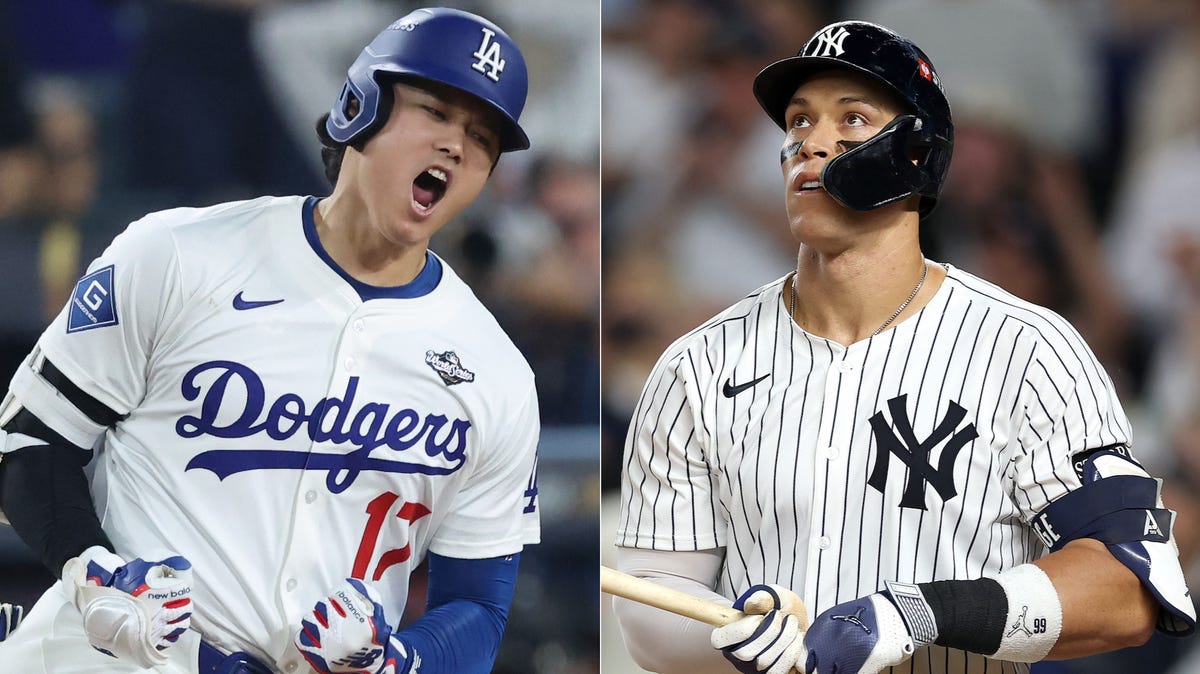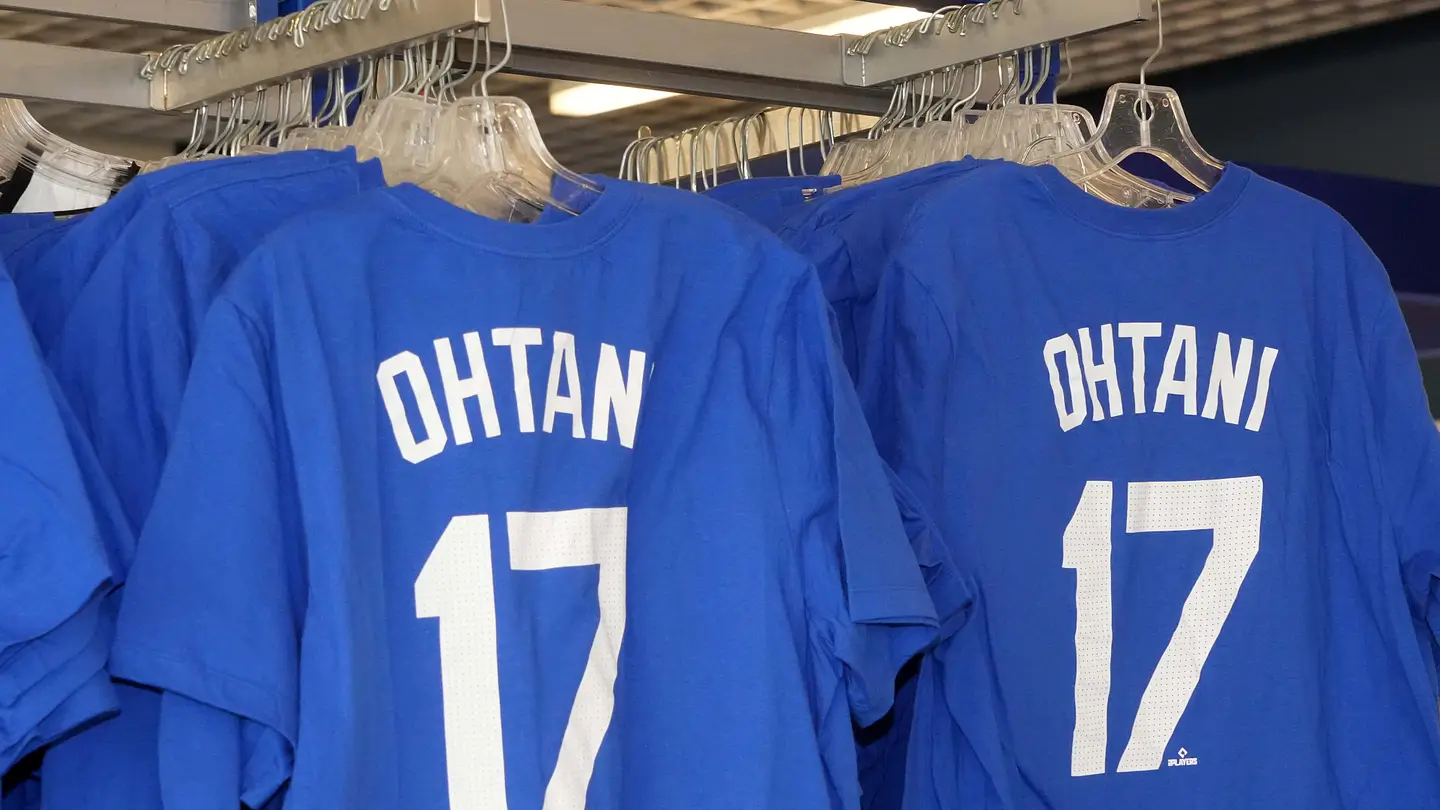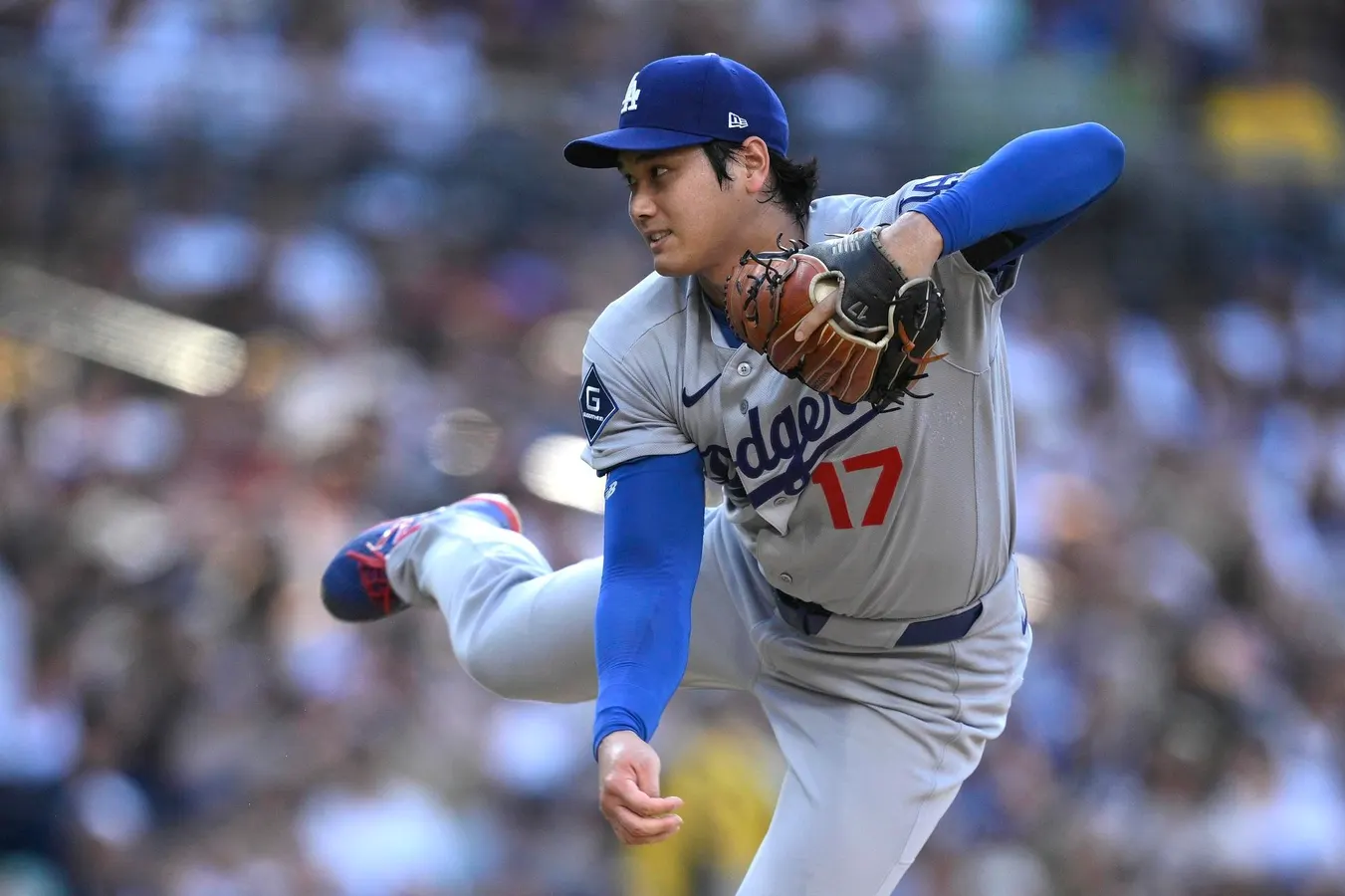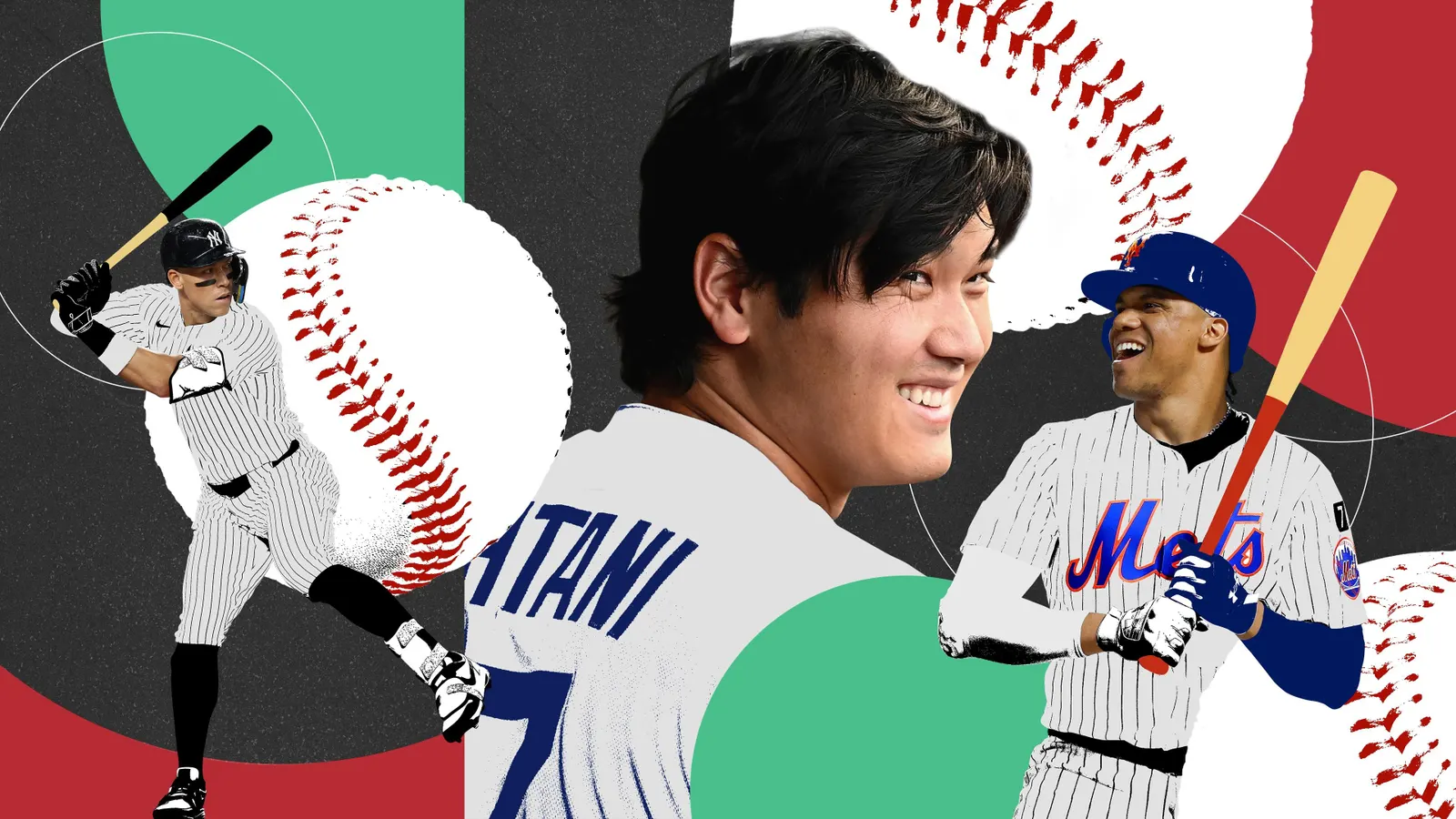
After solidifying his status as the Babe Ruth of the 21st century with a second straight World Series ring and yet another MVP—becoming only the second MLB player ever to win the award three years in a row—Shohei Ohtani is also making history off the field.The Los Angeles Dodgers’ two-way sensation is set to collect an estimated $127 million in 2026 before taxes and agents’ fees, a record for a baseball player. The vast majority of the payday—an estimated $125 million—comes from endorsement deals, licensing, memorabilia and other business ventures, with roughly two dozen sponsors in the United States and Ohtani’s native Japan paying a heavy premium to associate with him.Since Forbes began tracking athletes’ earnings in 1990, only one has surpassed the 31-year-old Ohtani’s projected off-field total in a single year while still active in his sport: MMA star Conor McGregor, who brought in an estimated $158 million over the 12 months ending in May 2021, almost all of it from the sale of his Irish whiskey brand, Proper No. Twelve.Ohtani has reached that financial stratosphere on a much more conventional route, through partnerships with American brands such as Fanatics and New Balance, which has given him a signature shoe line, and with a long list of Japanese companies. Japan Airlines, for instance, uses a specially painted “Dream Sho Jet” for some routes, and Kowa markets both its pain relief patches and Syncron sports drinks with Ohtani.Throw in the $2 million Ohtani will get directly from the Dodgers this season—with $68 million in salary deferred for another decade as part of the ten-year, $700 million contract he signed with Los Angeles ahead of the 2024 season—and the major leagues’ only everyday designated hitter/pitcher has a comfortable lead on MLB’s second-highest-paid player this season, New York Yankees outfielder Cody Bellinger, who is set to rake in an estimated $56.5 million.Combined, MLB’s ten highest-paid players are expected to make $537 million in 2026, the second-highest figure Forbes has measured since it began publishing a baseball earnings ranking in 2011.This year’s total is a 7% drop from 2025’s $576 million, but the decline is almost entirely tied to New York Mets outfielder Juan Soto, who set an MLB record last year with his $126.9 million haul but now falls to $51.9 million—and No. 4 in the ranking—as his $75 million signing bonus comes off the books.Off the field, this year’s top ten sets a new high at $144 million, up 20% from 2025 and an incredible 863% from just four years ago. That, of course, is all thanks to Ohtani, whose $125 million is more than six times the $19 million the other nine highest-paid MLB players are set to make from their business endeavors—combined. Marketing insiders say Ohtani has effectively monopolized baseball-crazed Japan, even with his Dodgers teammates Yoshinobu Yamamoto and Roki Sasaki becoming rising stars.Advertisers “are in the business of attention, and it’s winner-takes-all,” says Shoto Zhu, CEO of Tokyo-based SponsorForce. “Whoever catches more eyes takes everything.”The marketing prowess enabled Ohtani to accept his team-friendly playing contract in December 2023, which in turn has helped the Dodgers open their checkbook to surround him with other All-Stars, including their newest prize, Kyle Tucker. The 29-year-old outfielder makes his debut on the Forbes MLB earnings list as baseball’s third-highest-paid player with $56 million, mostly from the $54 million signing bonus that came with the four-year, $240 million contract he signed in January.The ranking’s other two newcomers are Bellinger (No. 2 at $56.5 million), who re-signed with the New York Yankees in the off-season, and Bo Bichette (No. 6, $42.4 million), who left the Toronto Blue Jays in free agency for the New York Mets. In fact, the list’s six highest-paid players all suit up for the Dodgers, the Yankees or the Mets, who have MLB’s three highest payrolls. (Another Yankee, pitcher Gerrit Cole, comes in at No. 10 this year with an estimated $37.5 million.)The concentration of riches has become a lightning rod for other team owners who are lobbying for a salary cap to help ensure competitive balance (as well as line their pockets). The debate is intensifying ahead of the expiration of the league’s collective bargaining agreement with players in December, setting up a renegotiation that could threaten the 2027 season.“If the owners are dead set on a salary cap and they will accept nothing else, then I think that’ll eventually happen, but we’ll miss at least one full season of baseball,” says Michael Haupert, a professor of economics at the University of Wisconsin-La Crosse who co-chairs the Society for American Baseball Research’s business of baseball committee.Haupert expects owners to offer to substantially increase the $780,000 minimum salary for big leaguers along with minor league paychecks to try to get a majority of players on board, at the expense of the top 1%. But this off-season provided one financial counterpoint when ace pitcher Tarik Skubal won his arbitration case against the Detroit Tigers and was awarded a $32 million salary for this year, shattering the previous high figure decided by an arbitration panel, $19.9 million.What baseball’s payrolls look like next year may be uncertain, but at least for 2026, major leaguers continue to swing for the financial fences.MLB’S 10 HIGHEST-PAID PLAYERS 2026
Forbes Highest-Paid MLB Players 2026 List
The 10 highest-paid MLB players, featuring Shohei Ohtani and Aaron Judge, are set to make $537 million. See the ranking, counting both their salaries and endorsements.
2,352 words~11 min read