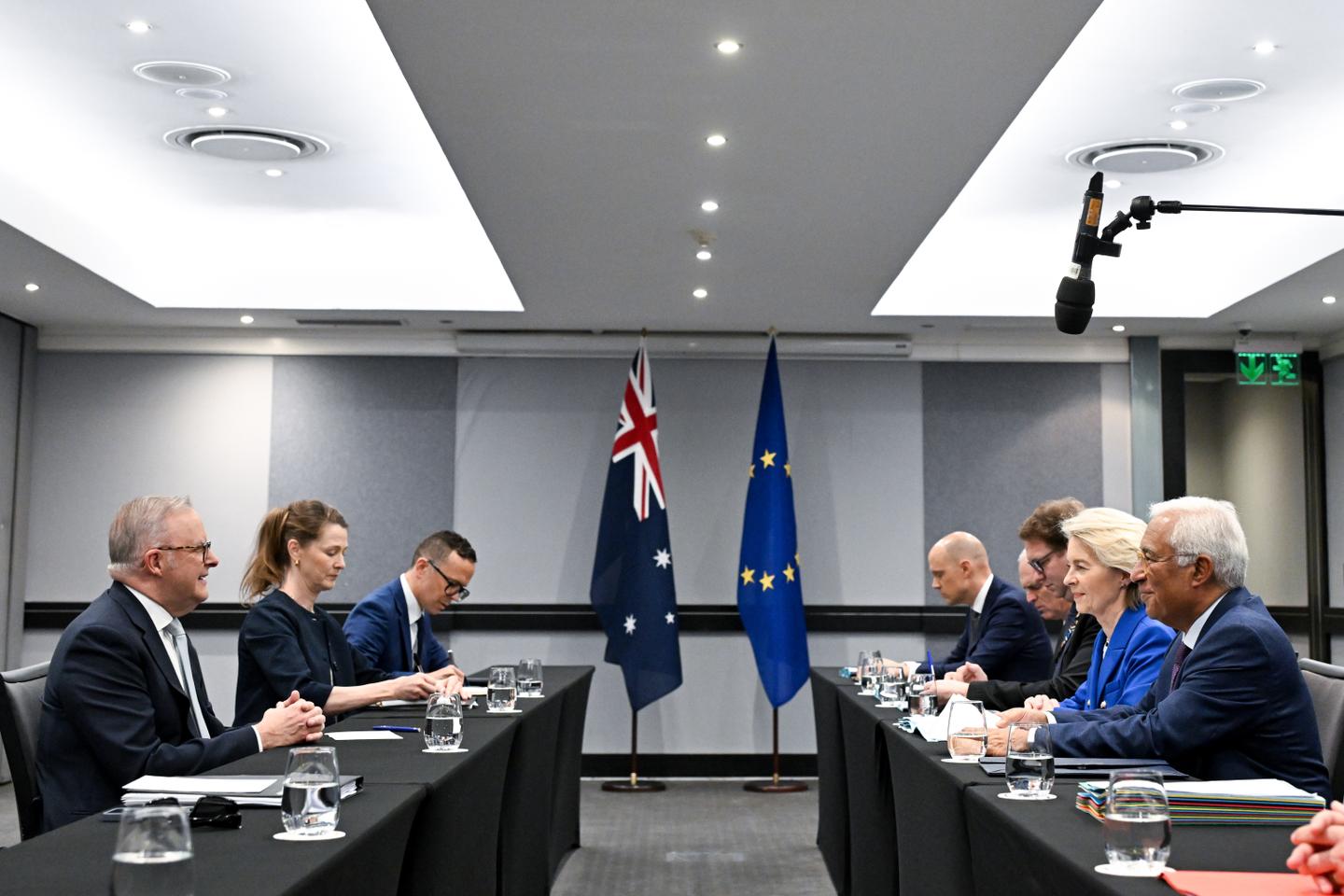
Anthony Albanese, the Australian prime minister, left, facing Ursula von der Leyen, president of the European Commission, and Antonio Costa, president of the European Council, in Johannesburg, South Africa, on November 21, 2025. FREDERIC SIERAKOWSKI/EU
In a world where the US is increasingly protectionist and China is undertaking an unprecedented push for new markets, the European Union has launched into a frantic race for free trade agreements. Despite reluctance within Europe, these new deals could give the EU access to critical raw materials it desperately lacks, at a time when both Beijing and Washington are leveraging Europe's dependencies to their own advantage.
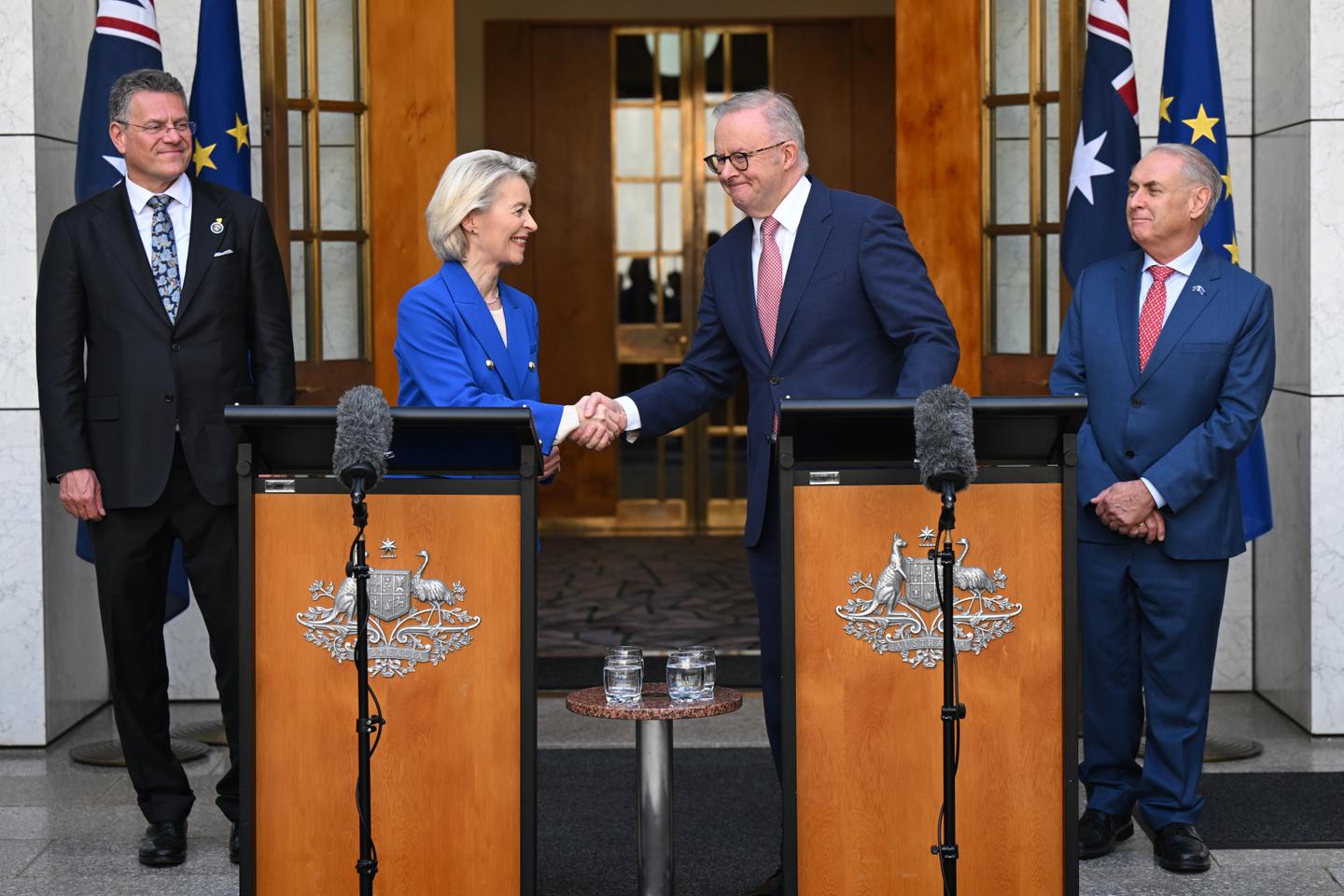
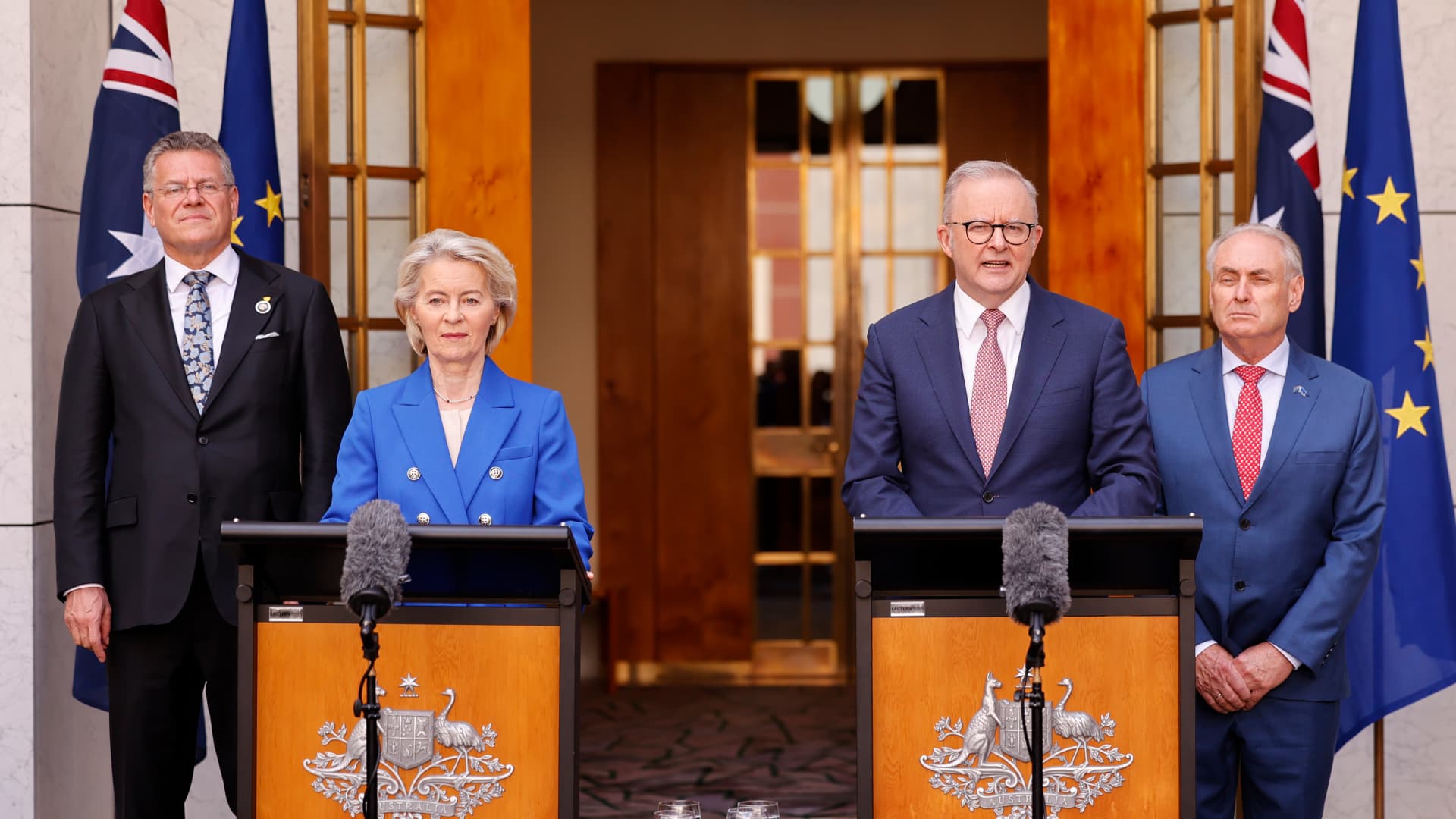
On Monday, March 23, the European Commission, which handles trade policy on behalf of the 27 member states, announced that the free trade treaty between the EU and the four founding Mercosur countries (Argentina, Brazil, Uruguay, Paraguay) would come into force as of May 1, without waiting for ratification by the European Parliament. At the same time, Commission President Ursula von der Leyen was in Australia, preparing to finalize another agreement.
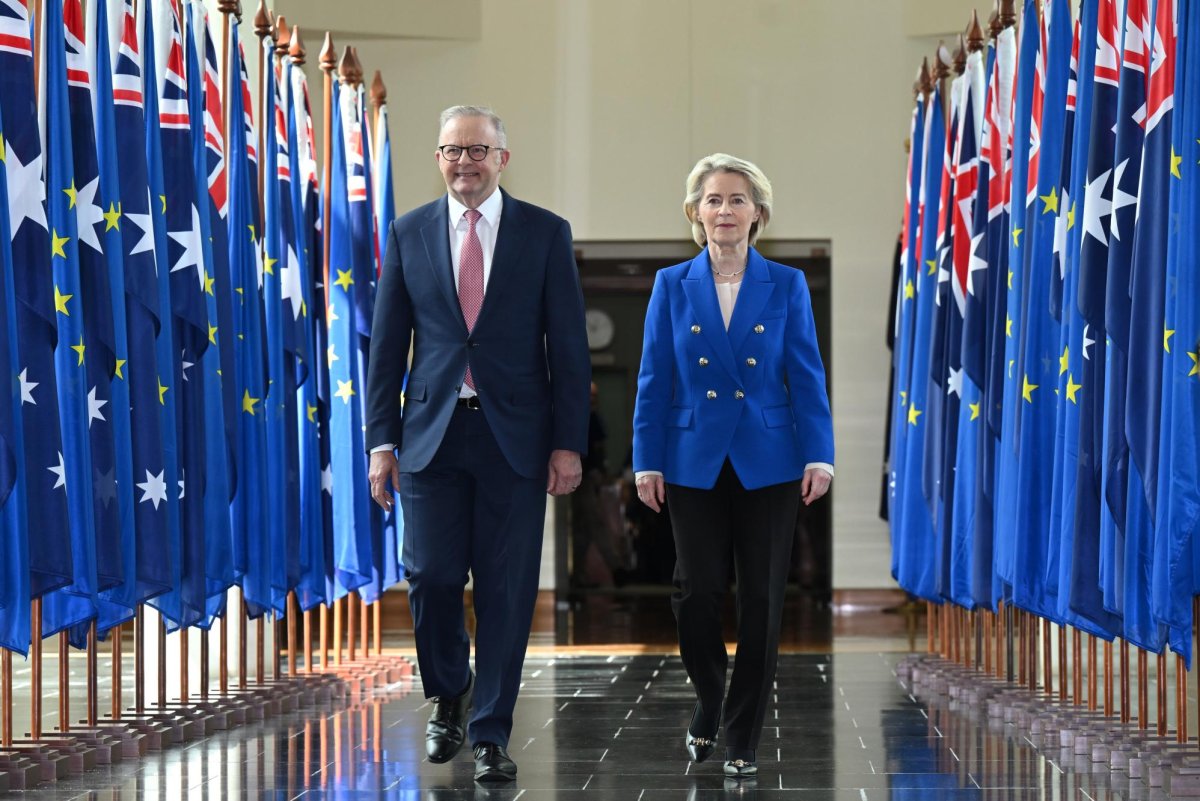
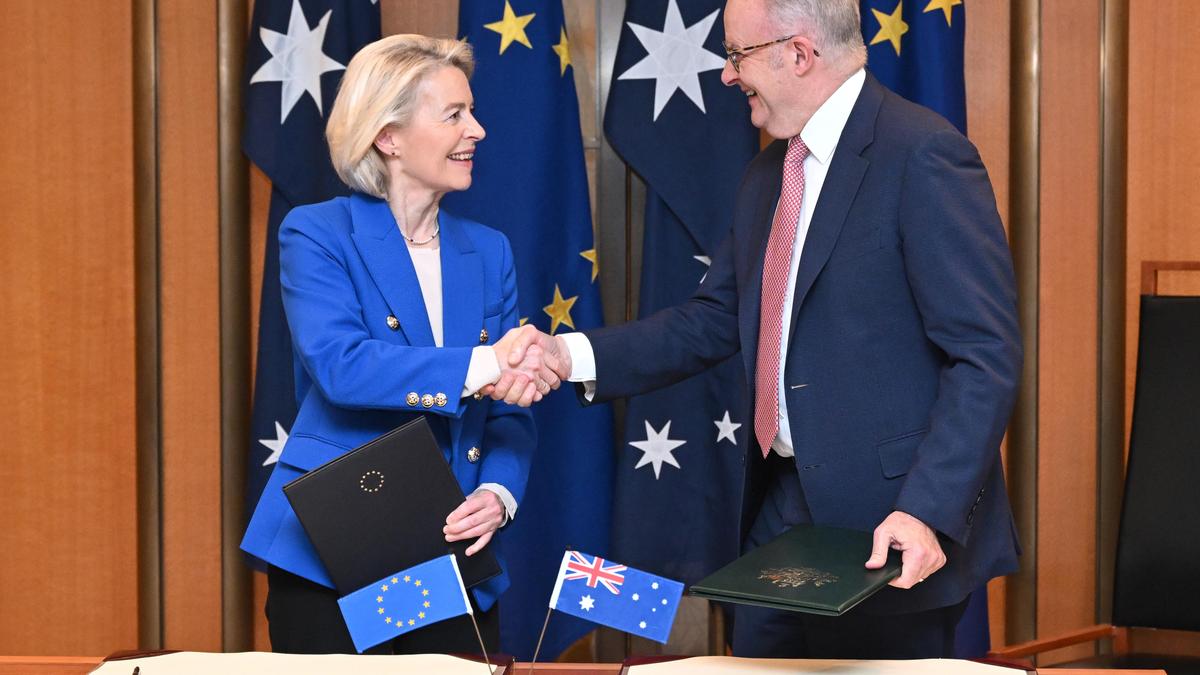
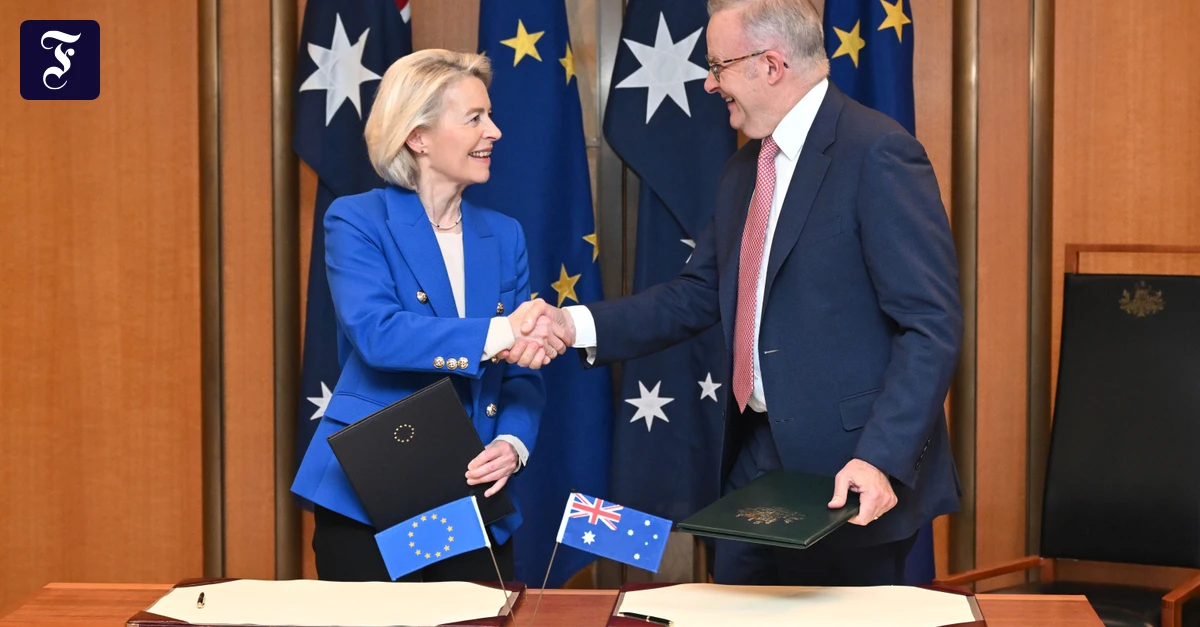
After Mercosur and India, this is "a true 'trade trilogy,'" she wrote in an op-ed published by several European newspapers ahead of her meeting in Canberra on Tuesday with Australian Prime Minister Anthony Albanese, where they formally concluded negotiations. The agreement must now be translated into legal terms, before being ratified by the member states and the European Parliament.