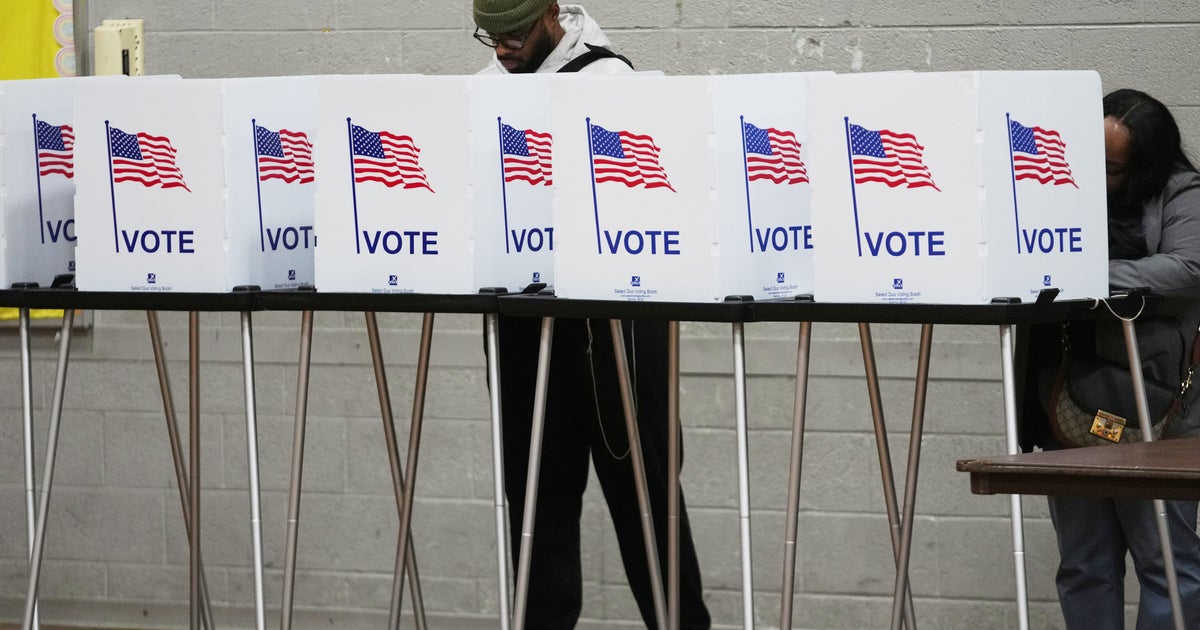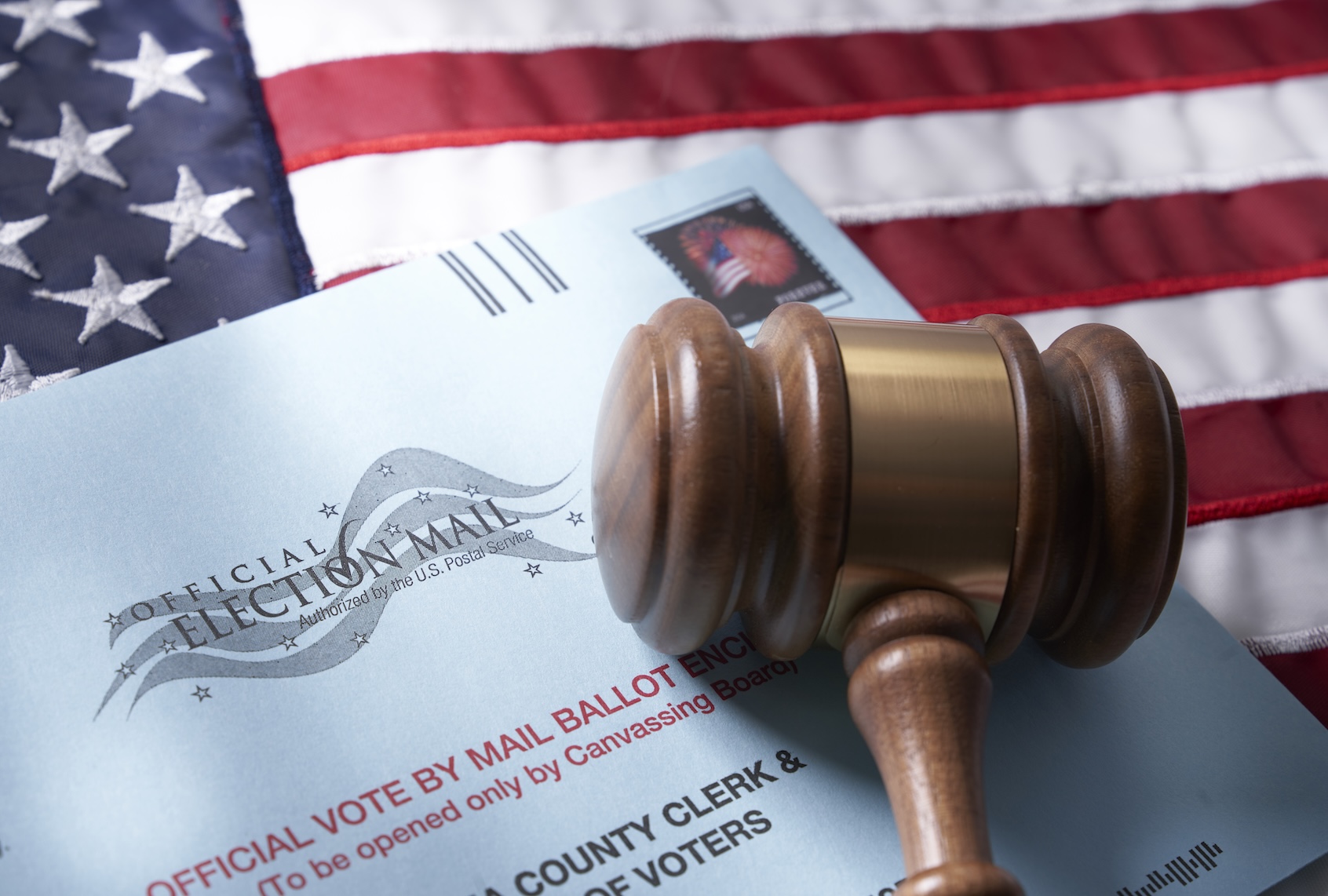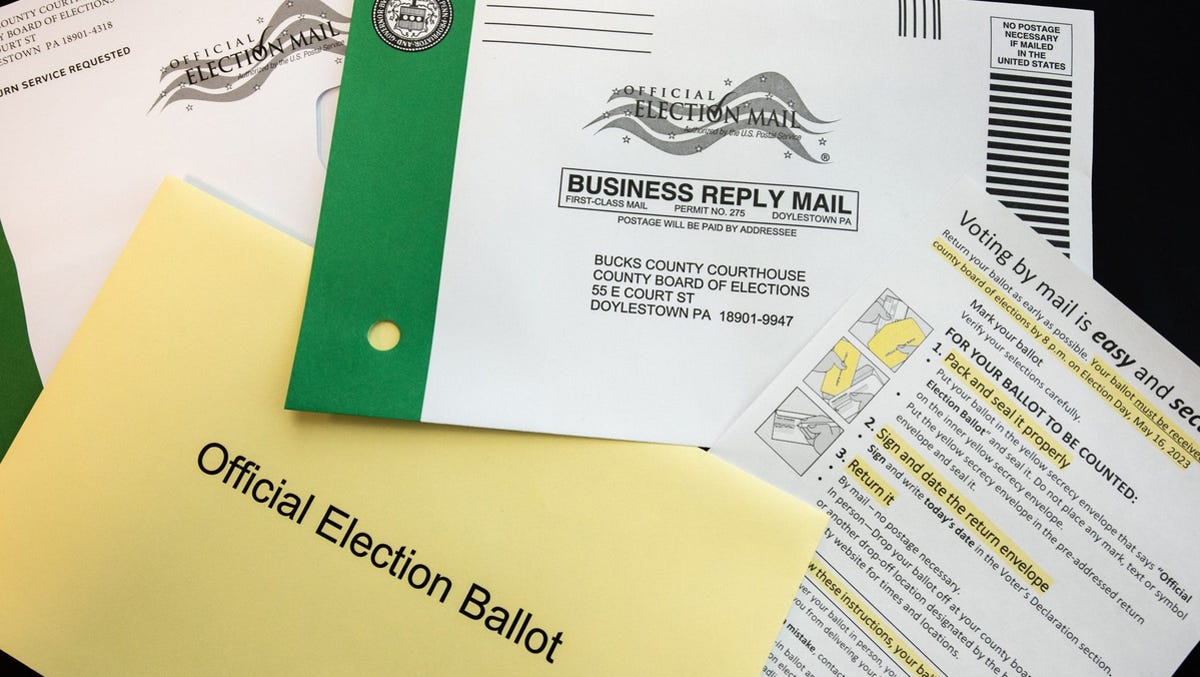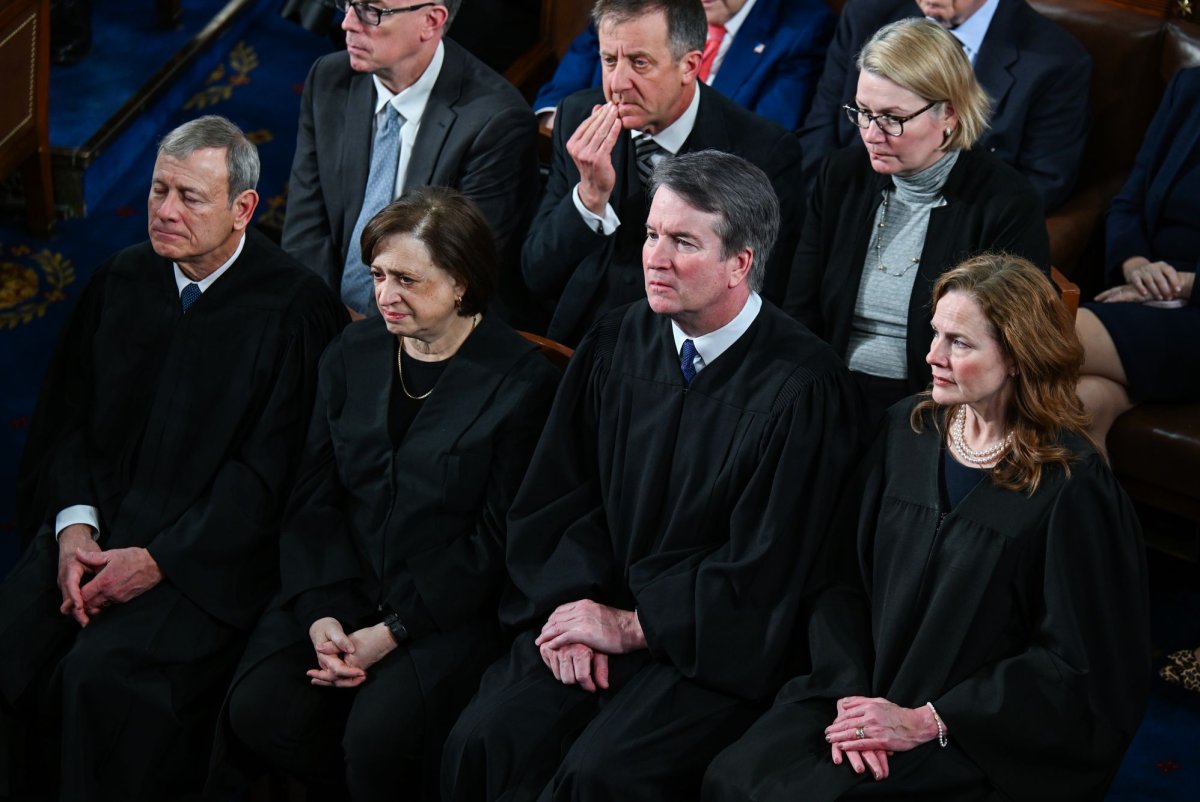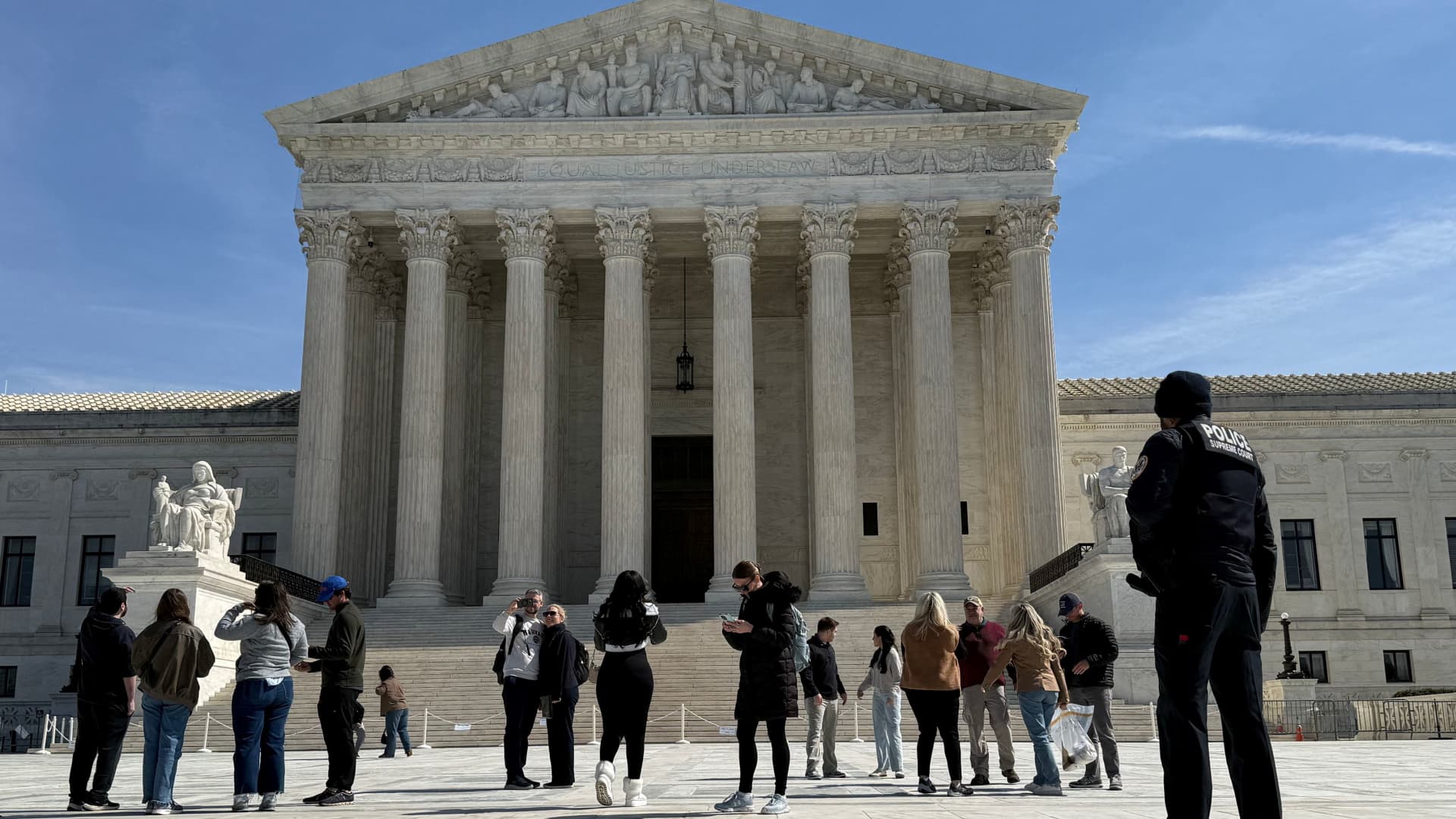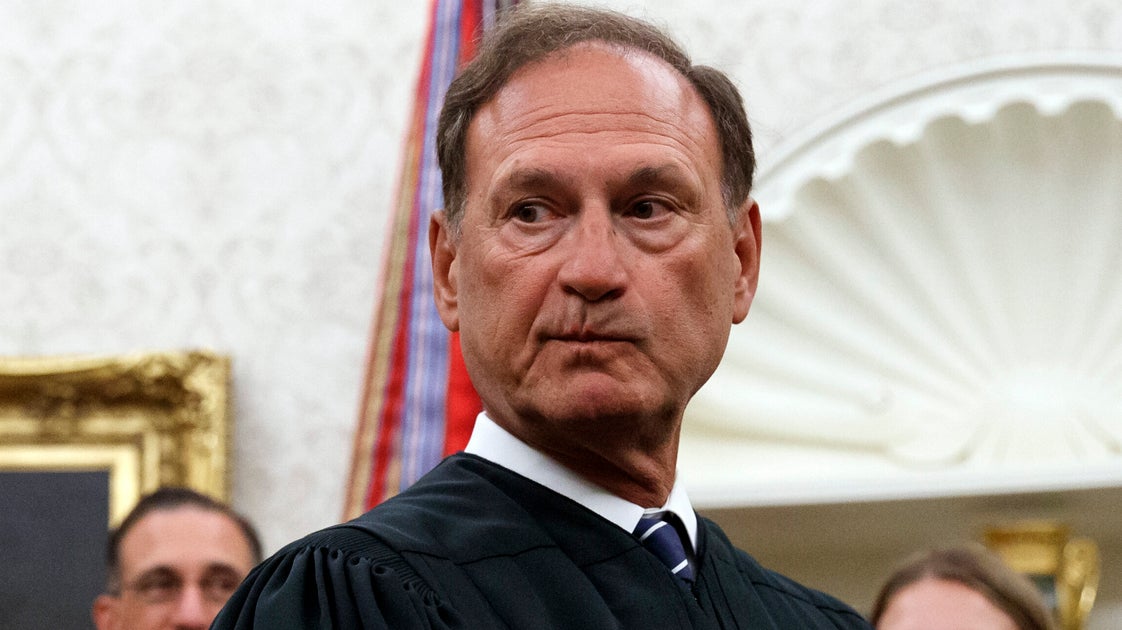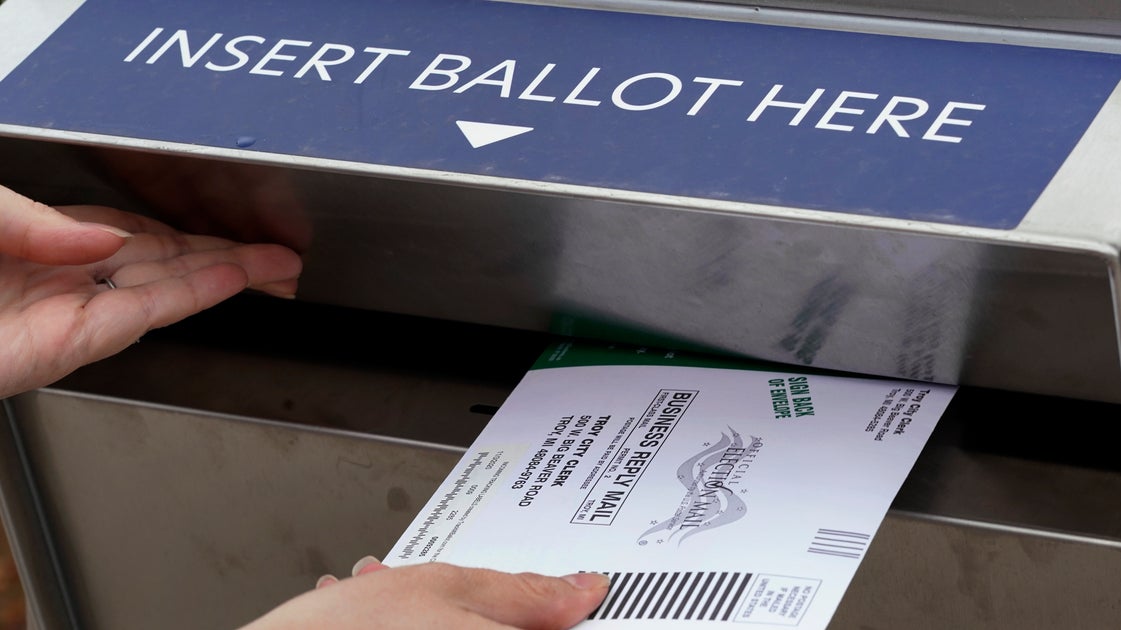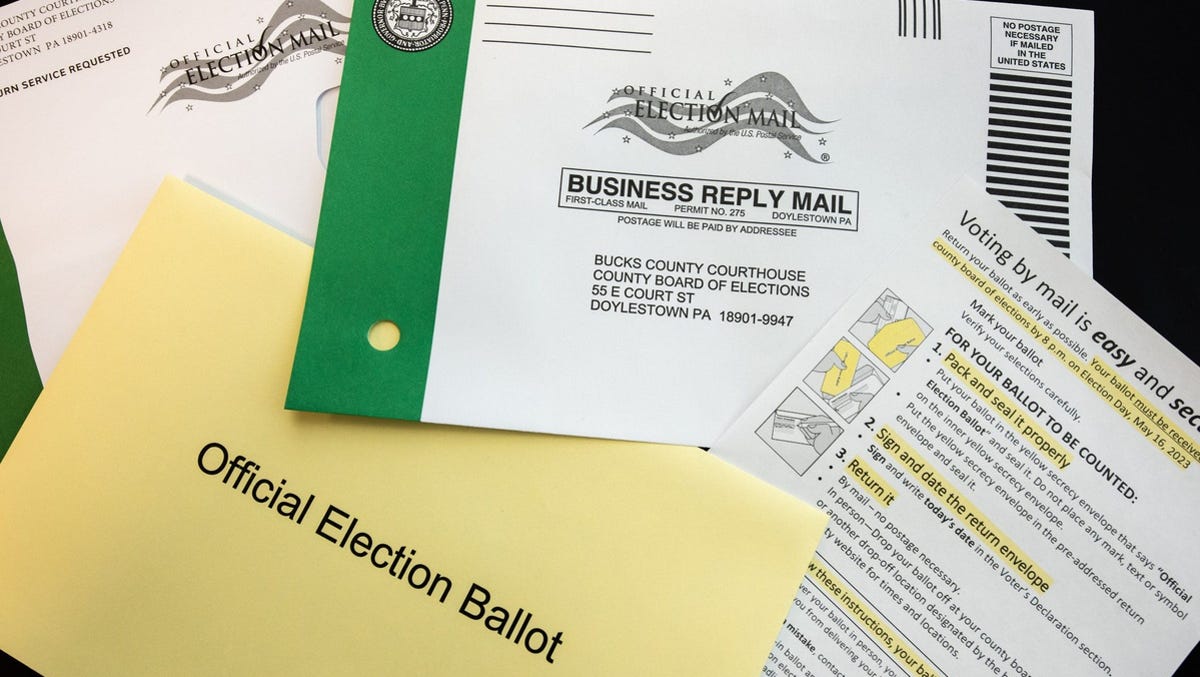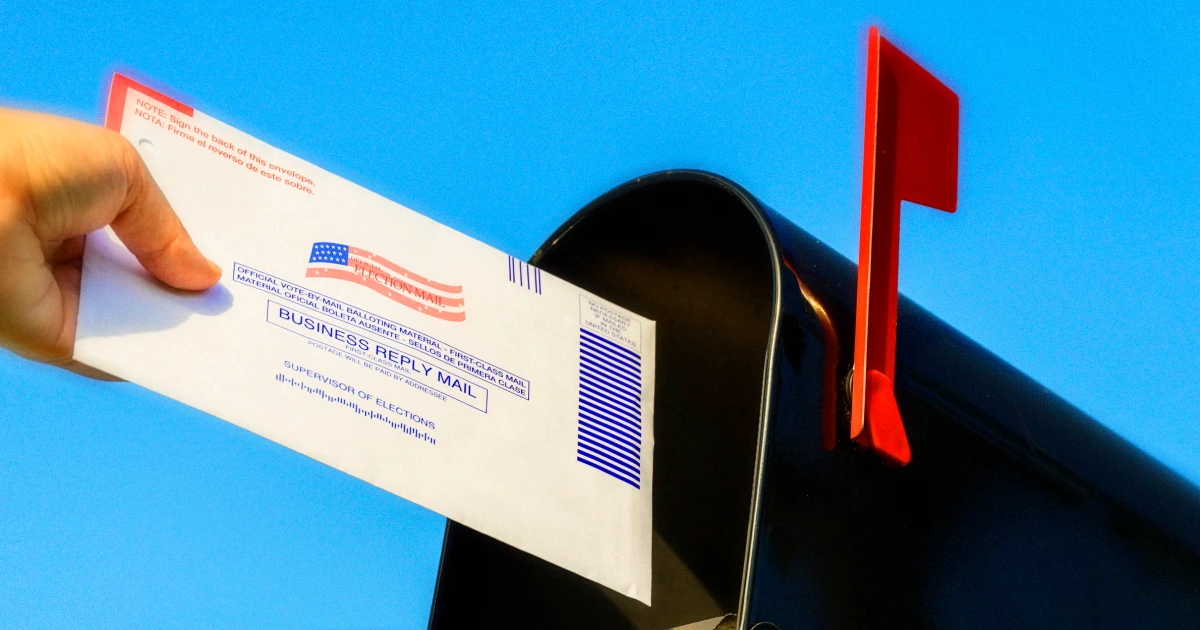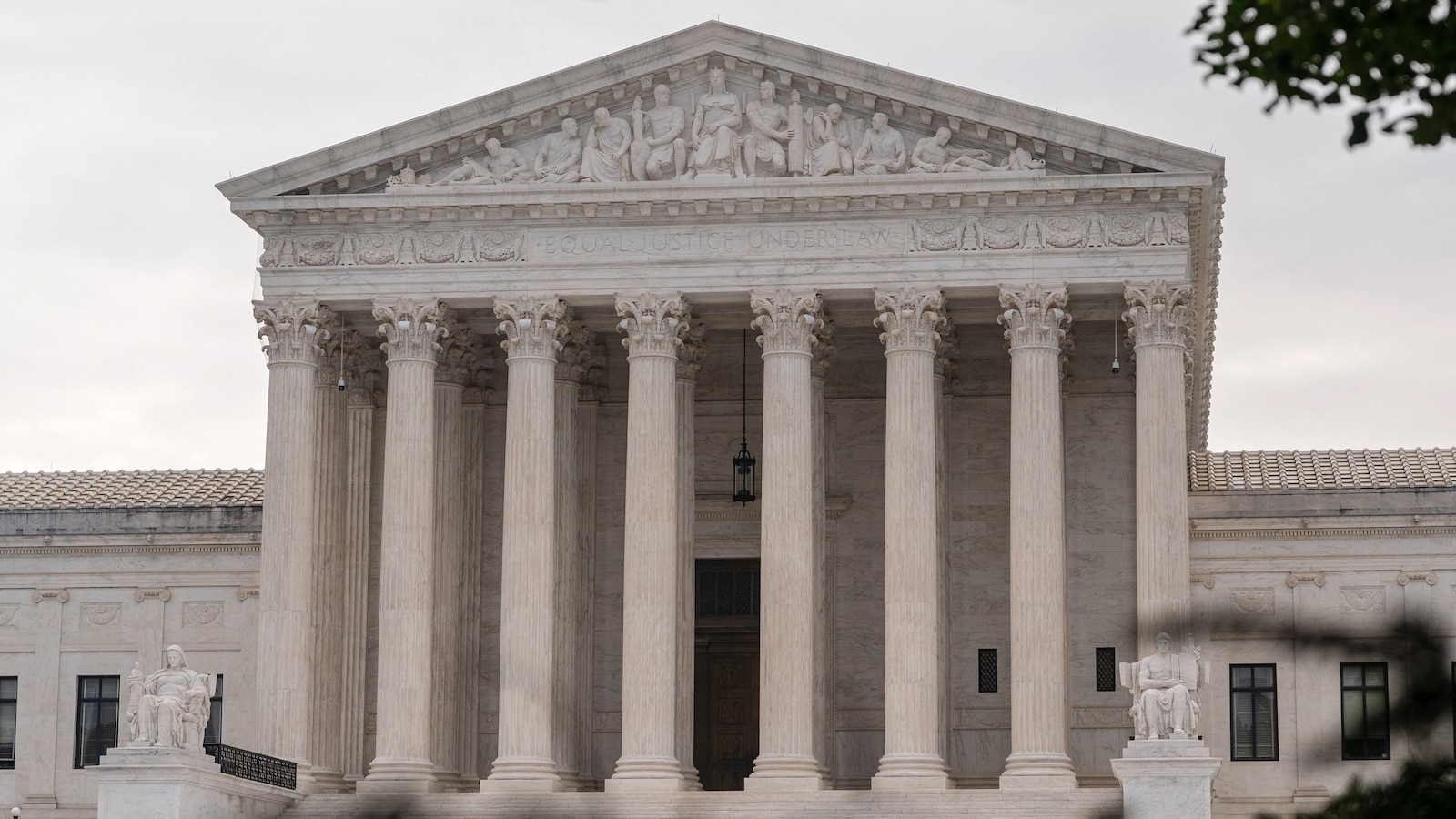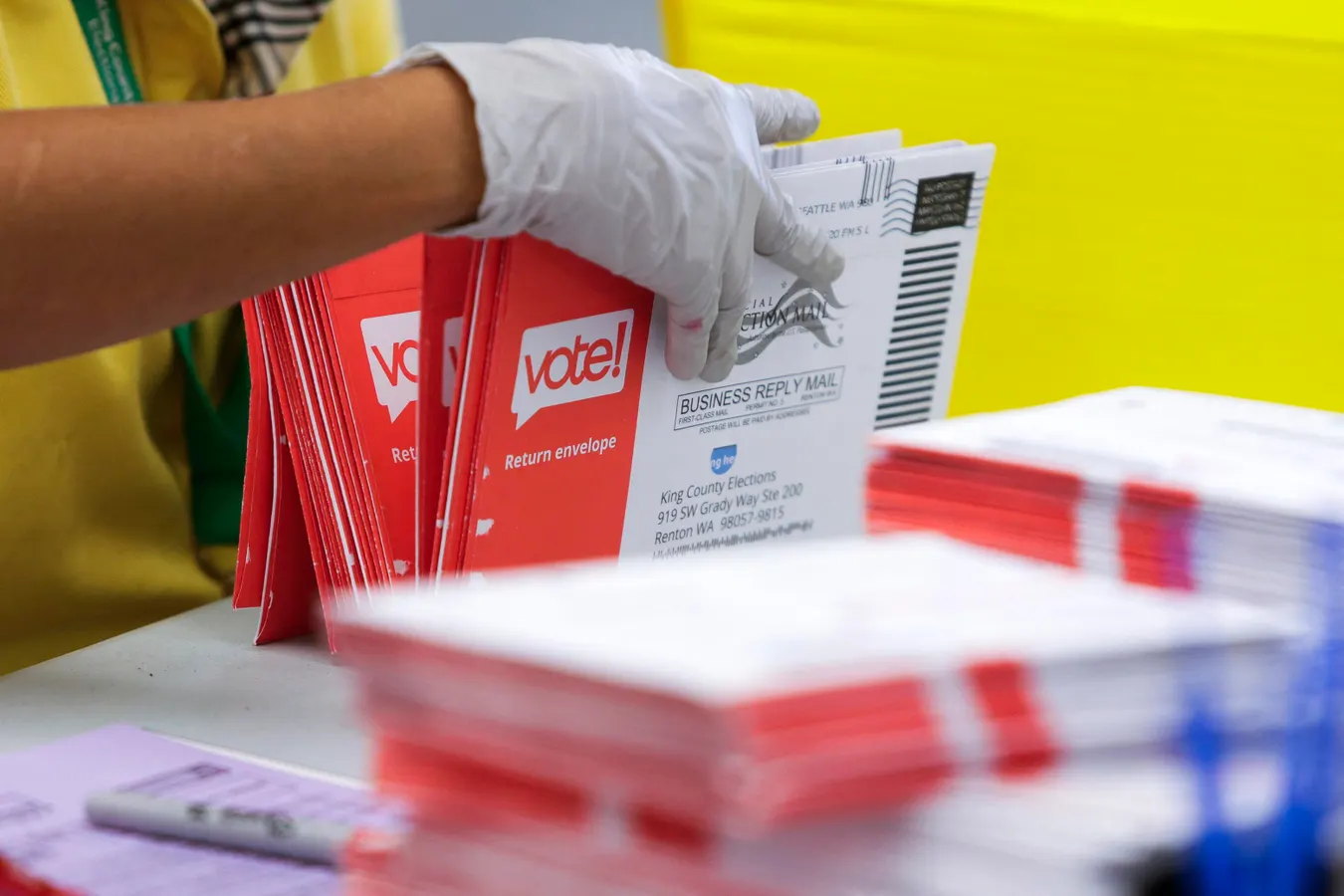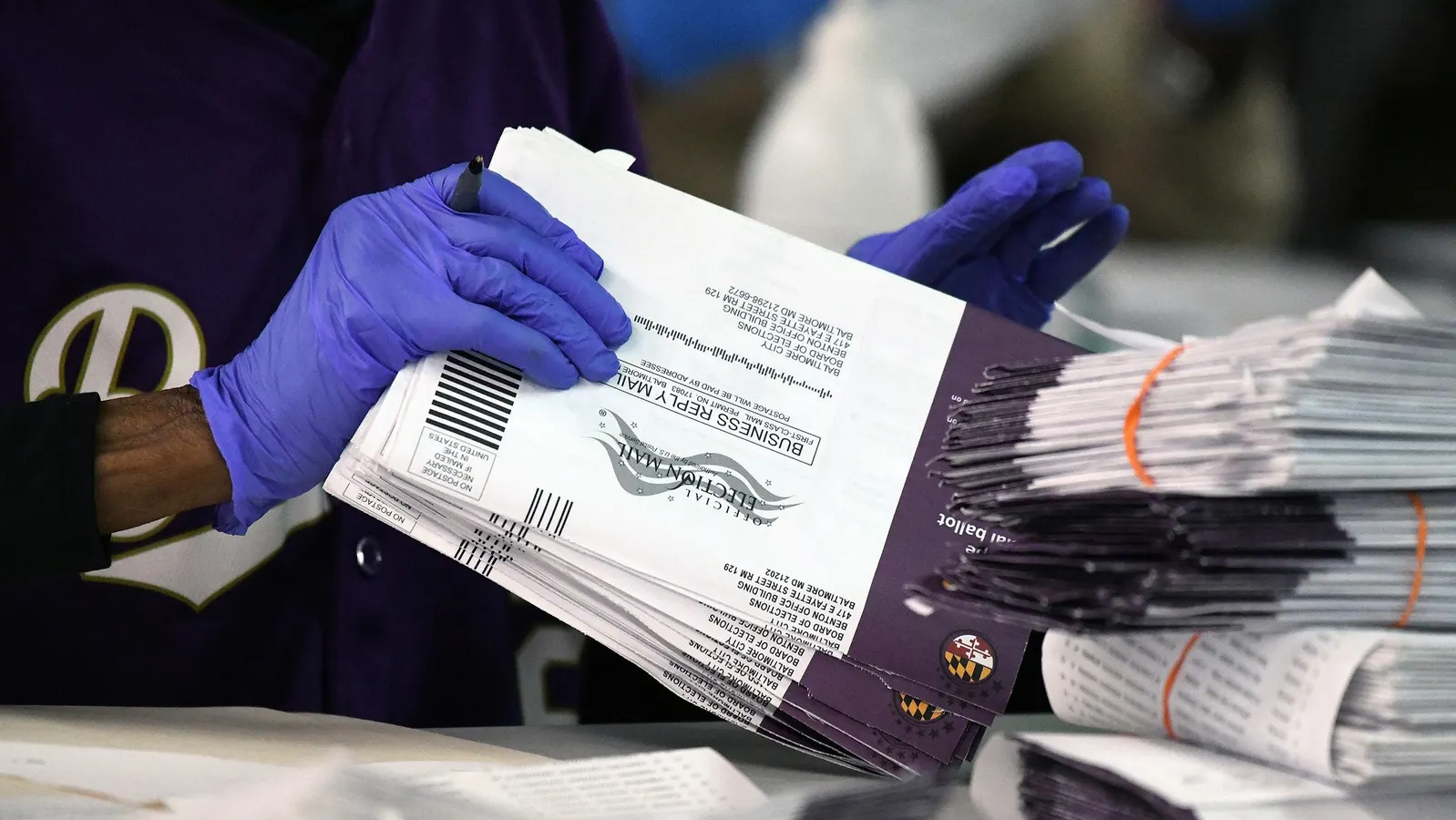
ToplineSupreme Court justices signaled Monday they may not allow laws that allow mail-in ballots to be counted if they arrive after Election Day, as the court heard oral arguments in a landmark election case that could impact laws in more than a dozen states.Canvassers open and review mail-in and absentee ballots for the 2024 General Election at the Baltimore City Board of Elections warehouse on Nov. 7, 2024, in Baltimore.TNSKey FactsThe Supreme Court is hearing oral arguments in the case Watson v. Republican National Committee, which concerns the legality of Mississippi’s law that allows ballots to still be counted if they’re postmarked by Election Day and arrive within five days after Election Day.The case comes amid President Donald Trump’s repeated attacks on mail-in voting and has broad implications for voting nationwide, as 14 states have a policy in place that allows ballots to arrive at some point after Election Day.The Republican National Committee has argued allowing ballots to be counted after Election Day is unlawful, with RNC attorney Paul Clement arguing Monday the extended deadlines are wrong as a matter of “text, precedent, history and common sense.”Conservative-leaning justices signaled Monday they agreed with the RNC’s arguments, with Justice Brett Kavanaugh arguing the practice of allowing late-arriving ballots is only a recent phenomenon and multiple justices posing hypothetical questions about the limits of Mississippi’s argument.Justice Neil Gorsuch sarcastically asked if Mississippi allowing ballots as long as they’re handed off to a postal carrier by Election Day means states would allow people to submit “time-stamped videos” showing they filled their ballot out by Election Day, for instance, while Justices Amy Coney Barrett and Clarence Thomas questioned if Mississippi’s argument would also allow people to have their ballots dropped off by someone else.It ultimately remains unclear how the court could rule and justices posed questions of both sides, with Coney Barrett also questioning why the RNC opposed ballots arriving after Election Day, but doesn’t take issue with ballots counted after Election Day.What To Watch ForThe Supreme Court will issue its ruling at some point before its term ends in late June, in time for the court’s ruling to impact the November midterm elections.Which States Will Be Impacted By The Court’s Ruling?Fourteen states have laws in place that allow ballots to be accepted after Election Day, with varying deadlines: Alaska, California, Illinois, Maryland, Massachusetts, Mississippi, Nevada, New Jersey, New York, Oregon, Texas, Virginia, Washington and West Virginia, as well as Washington, D.C., and the U.S. territories of Puerto Rico, Guam and the U.S. Virgin Islands. Kansas, North Dakota, Ohio and Utah, which are all controlled by Republicans, got rid of similar policies after the 2020 election amid Trump’s attacks on mail-in voting, The New York Times notes.Surprising FactWhile the RNC is arguing against the extended ballot deadlines, it’s not clear that a ruling in its favor would help the GOP in elections. Ballots that arrive after Election Day from members of the military have historically helped Republicans, The Times notes, and mail-in voting is widely used by demographics that have historically leaned conservative, such as older voters and white voters.Key BackgroundThe case over Mississippi’s mail-in voting law came to the Supreme Court after a federal district court first ruled in the state’s favor, but an appeals court then sided with the RNC and ruled ballots must be received by Election Day. The RNC’s push to disallow late-arriving ballots comes as Trump has repeatedly railed against mail-in voting—even as he’s used the practice himself—falsely claiming it leads to increased election fraud. Trump said in August he was “going to lead a movement to get rid of MAIL-IN BALLOTS,” claiming “ELECTIONS CAN NEVER BE HONEST WITH MAIL IN BALLOTS/VOTING.” The president’s attacks have pushed Republicans to rail against mail-in voting after previously supporting it to help turn out key groups like rural and older voters, and the Times notes the GOP tried to restore voters’ trust in mail-in voting in 2024 after Trump eroded confidence.Further ReadingForbesTrump Announces ‘Movement’ Against Mail-In Ballots ‘Scam’By Sara DornForbesPoll: Most Americans Support Mail-In Voting Despite Trump’s ‘Scam’ ClaimBy Mary Whitfill Roeloffs
Supreme Court Mail-In Ballot Case: Appears Skeptical Of Late Mail-In Votes
The case could impact laws in more than a dozen states.
680 words~3 min read