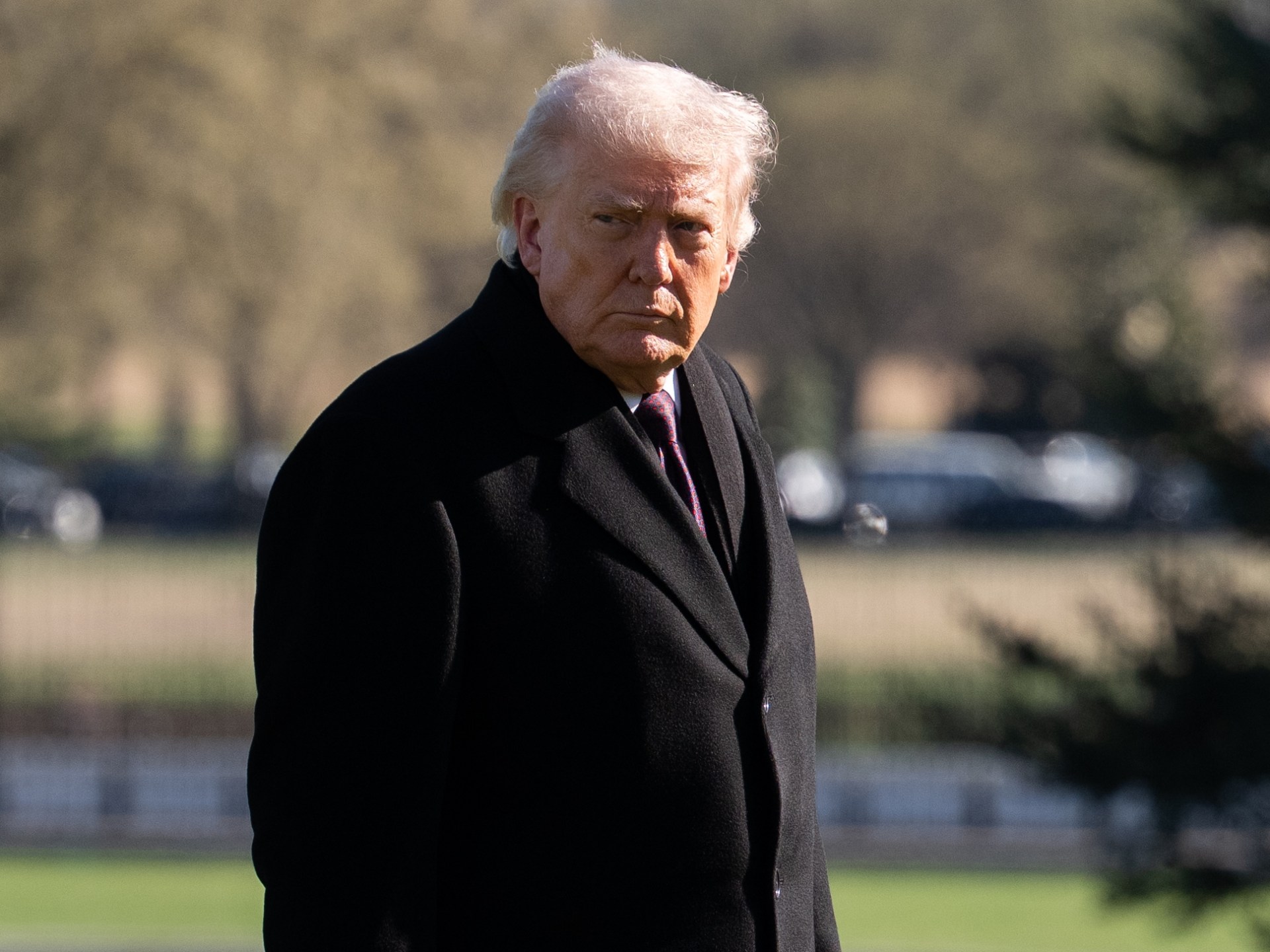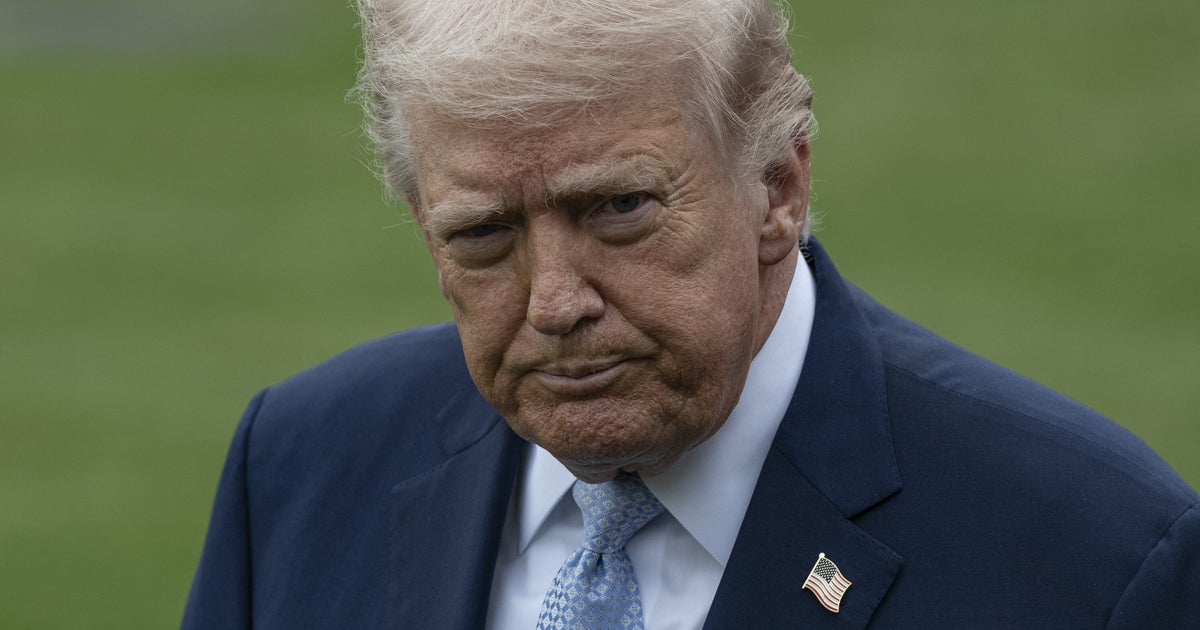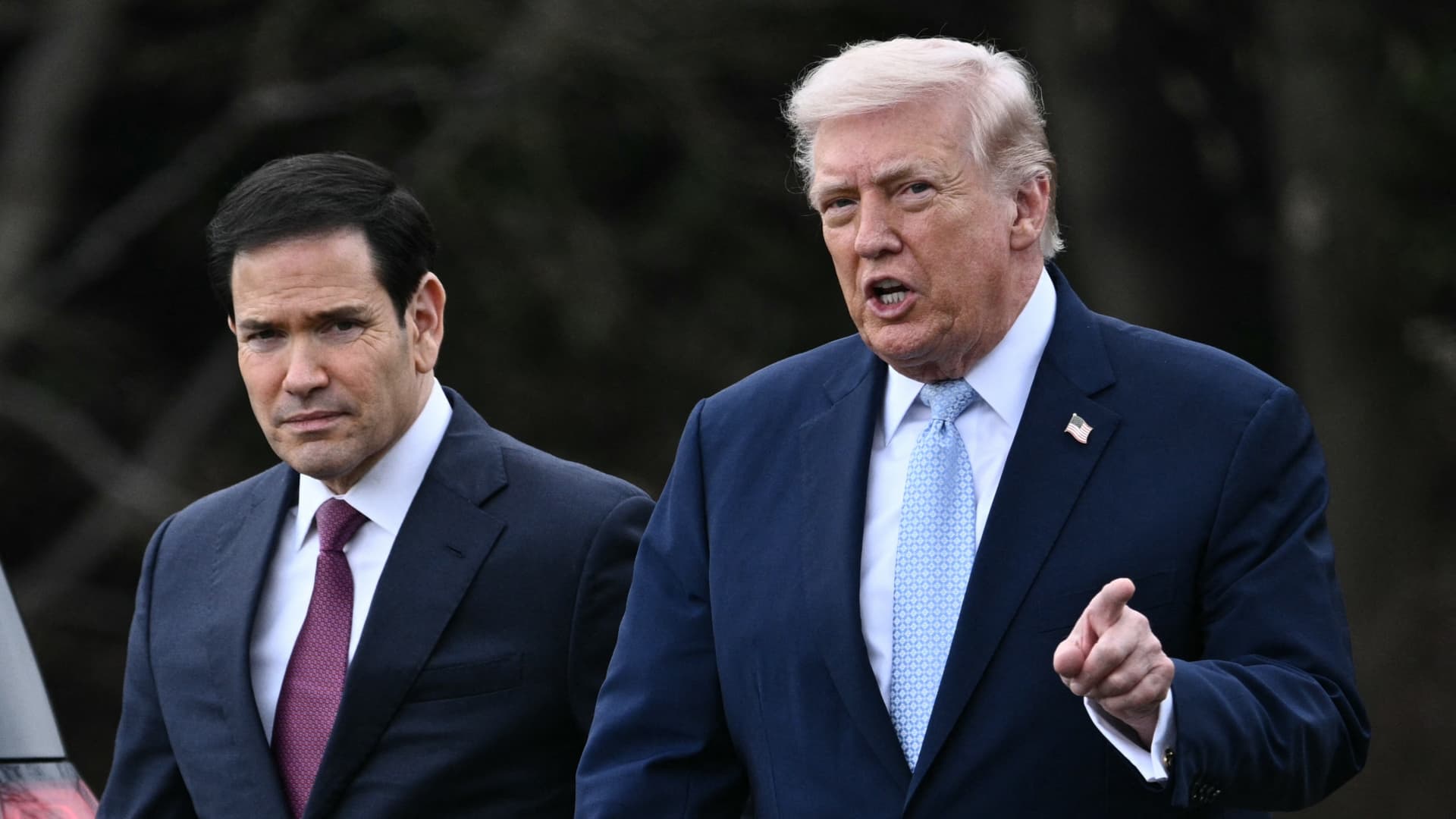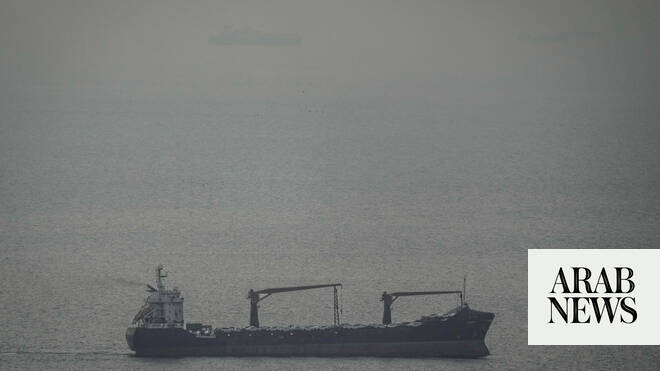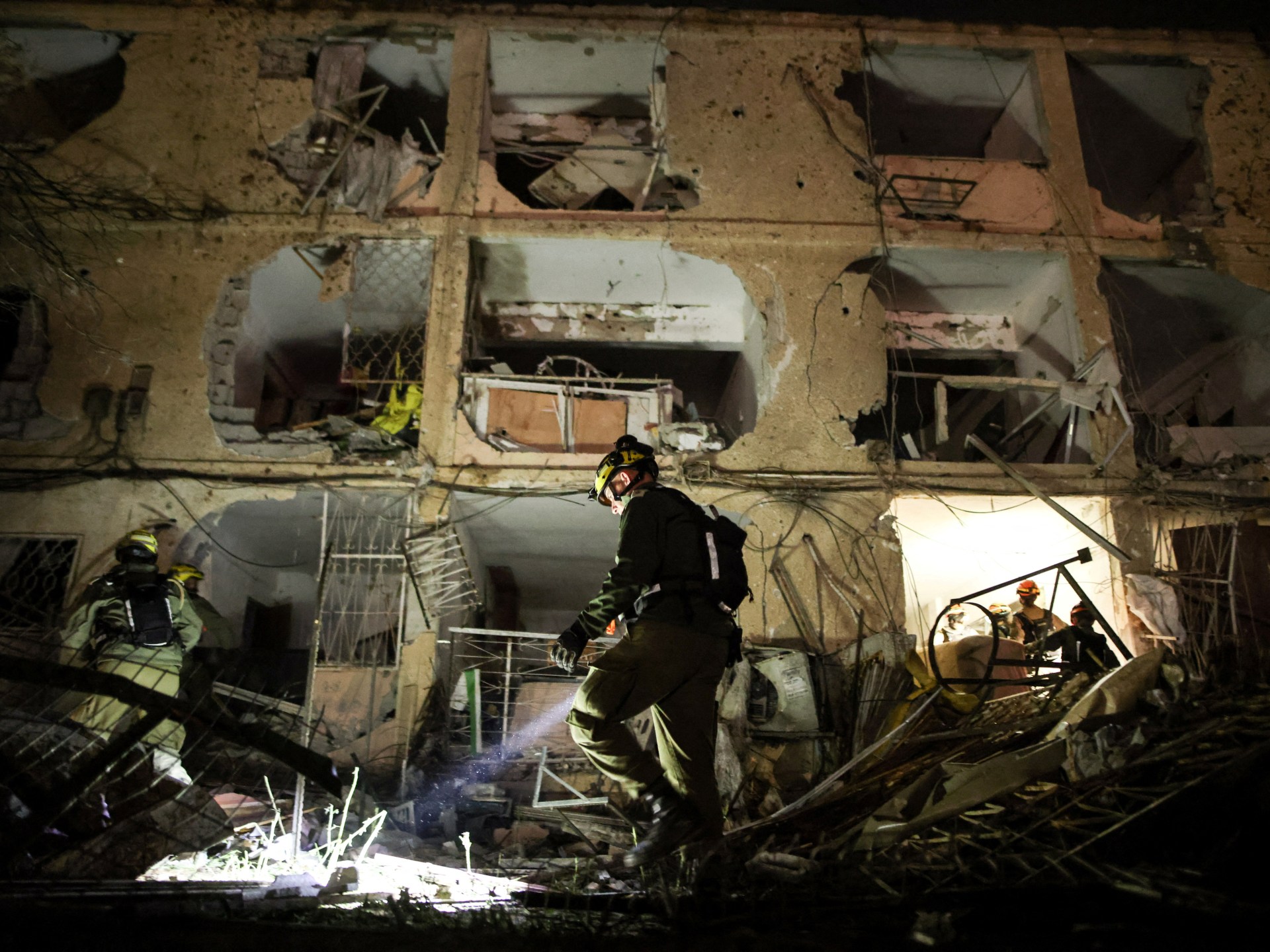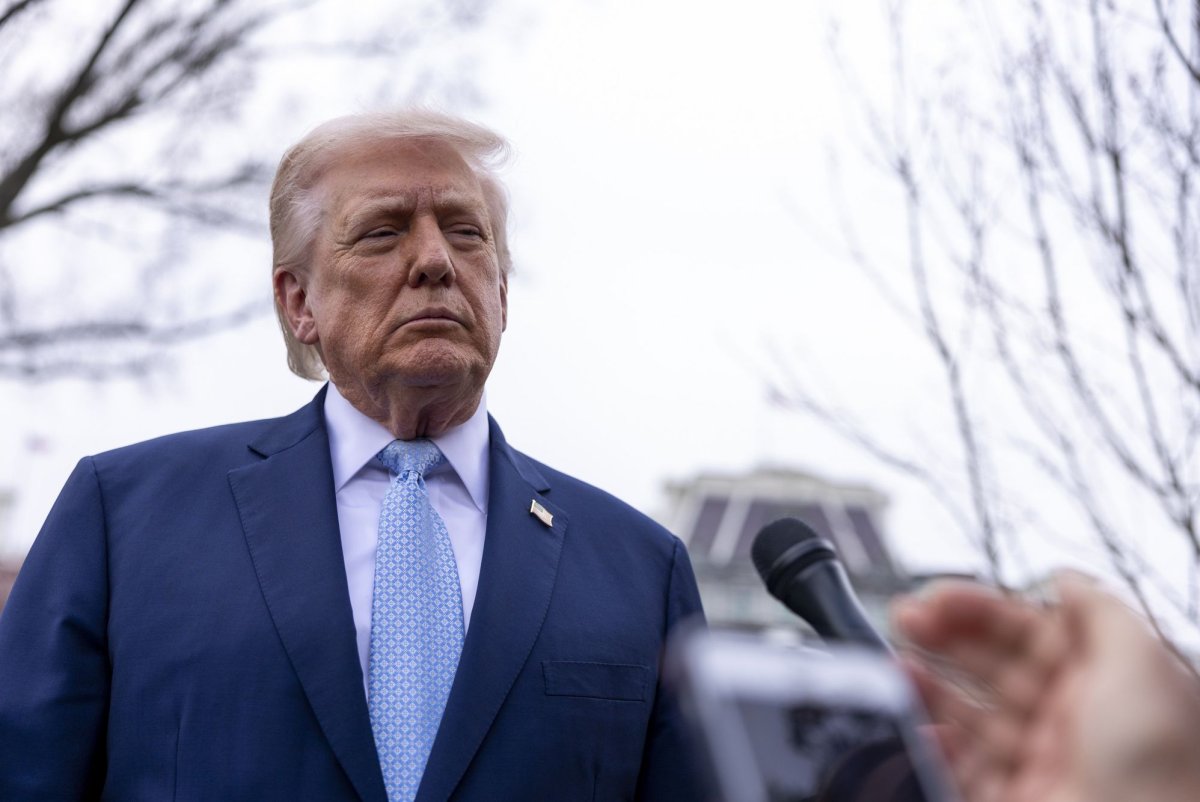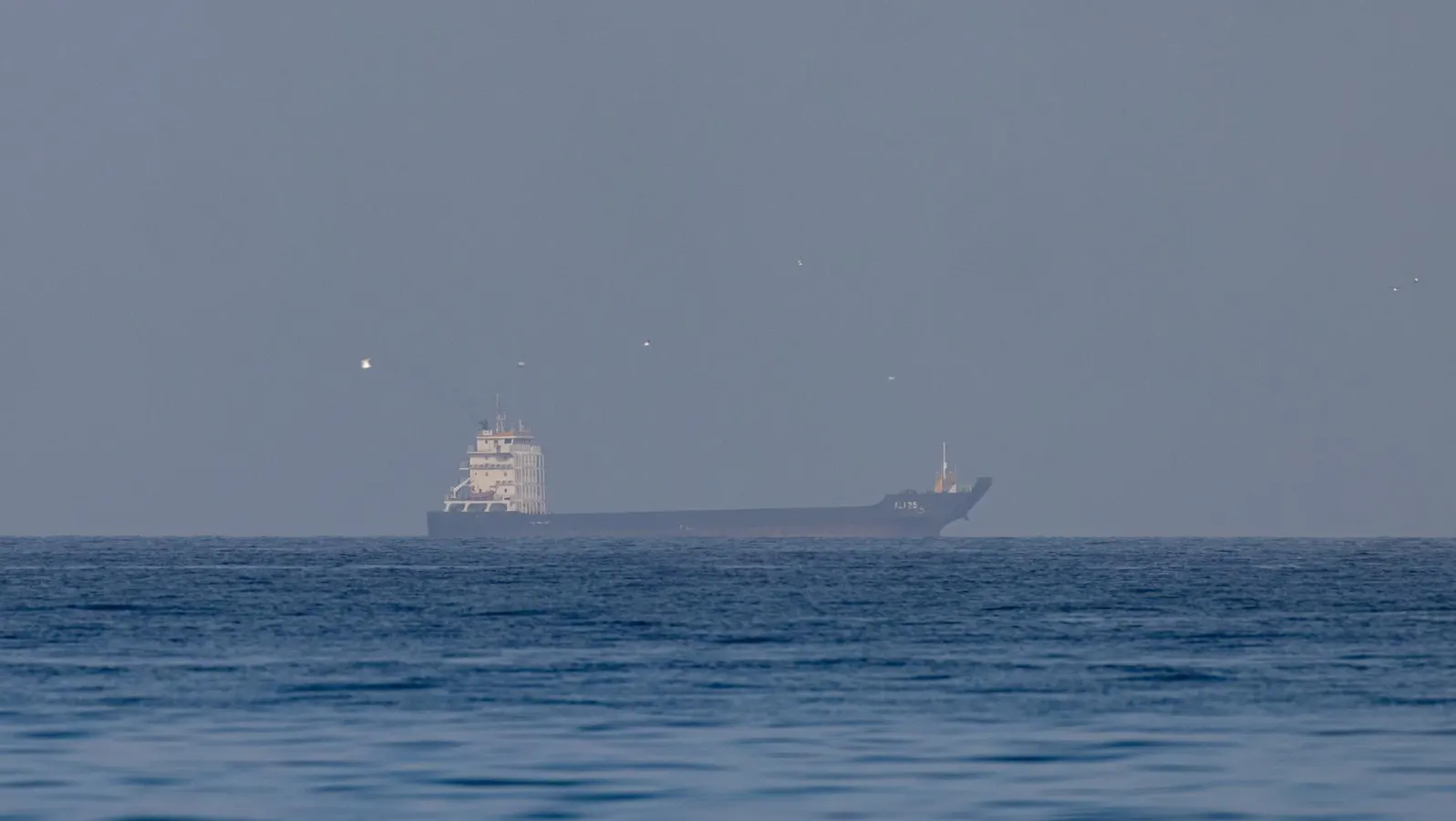
ToplineIranian authorities warned that they will deploy naval mines across the Gulf on Monday if any invasion is attempted on its coasts or islands, in a statement that comes after President Donald Trump's weekend ultimatum warning he would “obliterate” Iran’s power plants if Tehran failed to reopen the Strait of Hormuz in 48 hours.Iran insisted that the Strait of Hormuz was still fully open to vessels from non-hostile countries.Getty ImagesKey FactsIn a statement, Iran’s defense council warned it will deploy mines across the “entire Persian Gulf” if there is “any attempt by the enemy to target Iran’s coasts or islands.”The statement also reiterated Iran’s threat of “decisive and devastating” retaliation against any attacks on its energy infrastructure, as Trump has threatened.The Iranian government reiterated its earlier claim that the Strait of Hormuz was not closed and “non-hostile vessels, or those belonging to or affiliated with other countries,” can pass through safely in coordination with “the competent Iranian authorities.”The statement, however, noted that this does not apply to “vessels, equipment, and any capacities belonging to the aggressing parties—namely the United States and [Israel].”The deadline for Trump’s ultimatum is set to expire on Monday evening and shortly before midnight, the president wrote on Truth Social: “PEACE THROUGH STRENGTH, TO PUT IT MILDLY!!!”What To Watch For?Amid Trump’s threat to strike Iran’s largest power plants, the Kremlin on Monday warned that any attack on the Bushehr Nuclear Power Plant, which was built by Russia, would lead to “irreparable consequences.” Speaking to reporters, the Kremlin’s top spokesperson Dmitry Peskov said, “We believe that strikes on nuclear facilities are potentially extremely dangerous and fraught with possibly irreparable consequences.” Peskov added that dialogue that leads to a diplomatic settlement was the only effective way to “defuse the catastrophically tense situation.”Crucial QuoteSpeaking at an event in Australia on Monday, the head of the International Energy Agency, Fatih Birol, warned that the energy crisis caused by Iran was a “major, major threat” to the global economy and “No country will be immune to the effects of this crisis if it continues to go in this direction.” The IEA chief also warned that the impact of the ongoing situation could be worse than the combined effects of the 1973 and 1979 oil shocks.How Have Oil Prices Been Impacted?The global benchmark Brent Crude Index remained volatile on Monday, rising to $113.24 per barrel at the time of publishing—up around 1% from Friday. Gas prices in the U.S. also continued to surge, with the national average hitting $3.956 per gallon on Monday, according to AAA’s fuel price tracker. This marks a nearly 35% increase from a month ago.
Iran Threatens To Mine Entire Gulf If Land Invasion Is Attempted
Iran’s threats follow Trump’s ultimatum that gives Iran until Monday evening to reopen the Strait of Hormuz; otherwise, the U.S. would “obliterate” its power plants.
436 words~2 min read