UK towns are overwhelmed with requests for more. And no wonder: inscribed on them are intimate flashes of the people we knew and loved
W
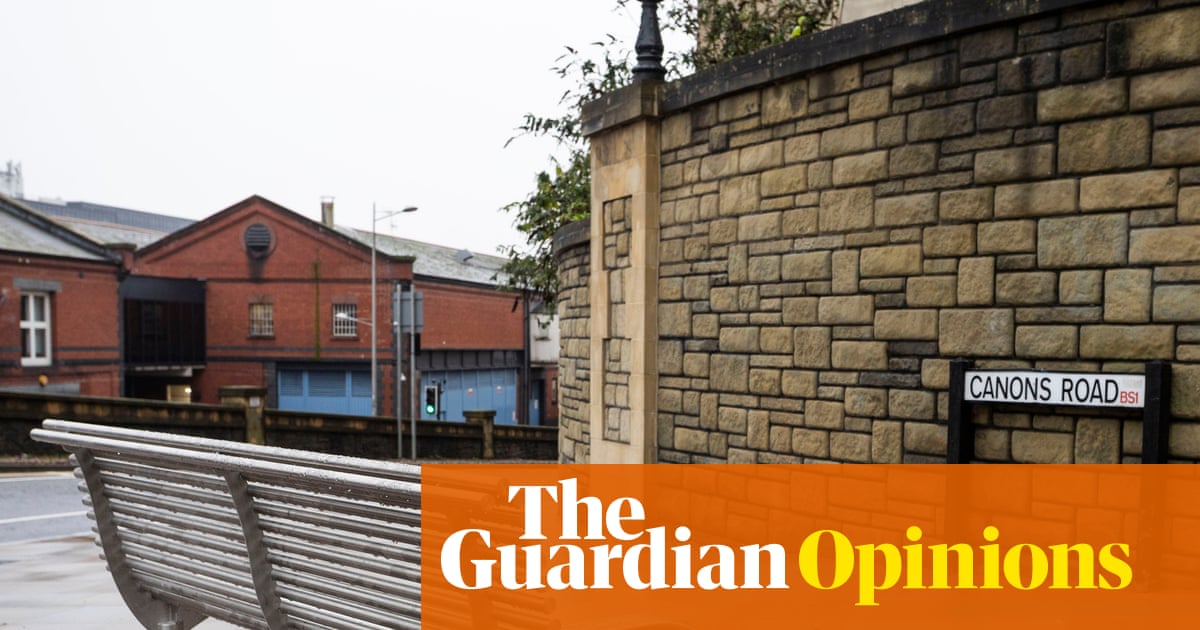
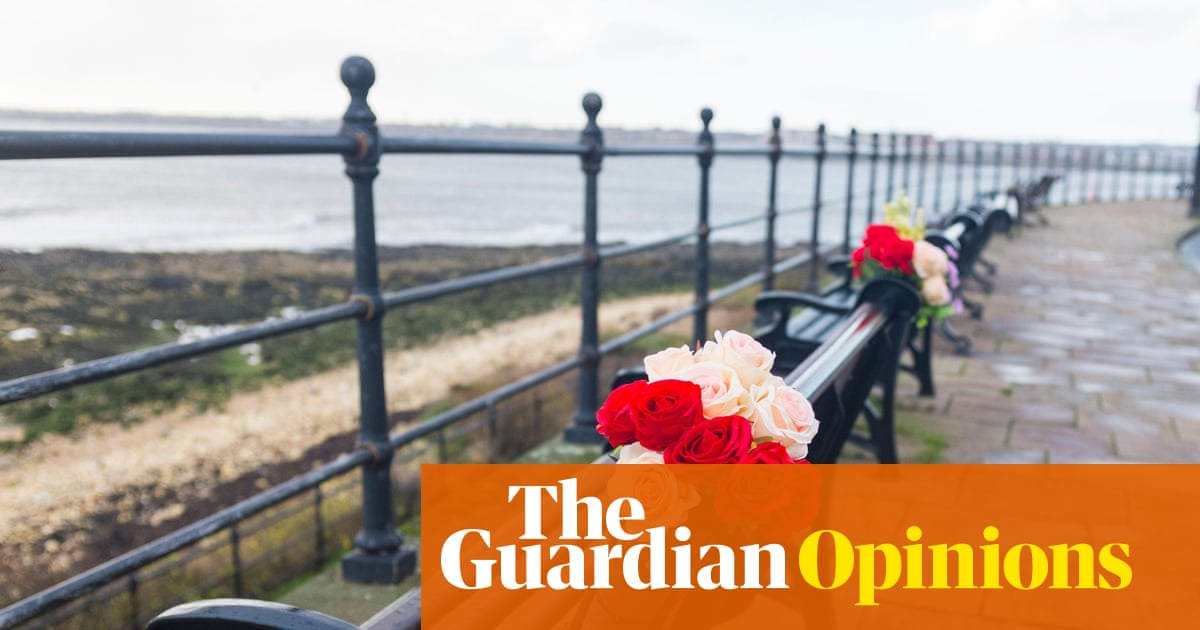
hen Hartlepool council announced last week that it wouldn’t be accepting any new applications for memorial benches as it had too many already, it joined a growing list of towns and parks that are increasingly unable to cope with the demand. In an era when social media memorial pages are commonplace and potentially infinite, what is driving this desire to commemorate a loved one in a physical space?
The popularity of memorial benches certainly gives the lie to the assumption that we live in a post-material world. It also signals a change in the way that we grieve. Memorial benches speak of a need to mourn not just behind closed doors but also in public – a shift to which digital culture has probably contributed, and which manifests particularly strongly in secular countries where mourning isn’t mediated through the church.
What’s especially interesting is the way that the benches frame death. In contrast to the cemetery – a place cordoned off from the living, where remains are interred and which exists solely to mark the end of a life – the memorial bench evokes the vitality of the body and a person’s physical existence. Placed in a park, square or seafront, it returns the memory of them to the hurly-burly of daily life. Friends and relatives gather on the benches on the anniversary of a loved one’s death to celebrate their life and toast their memory. Unlike other forms of public memorial, such as a plaque or a tree, it’s a way-station for the living.