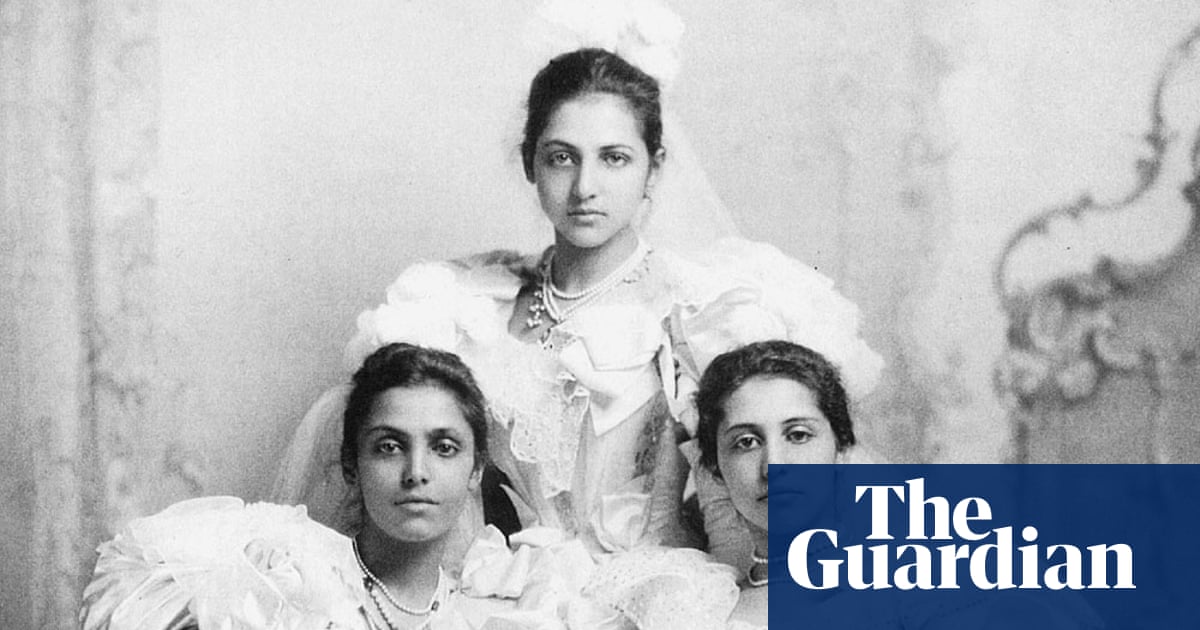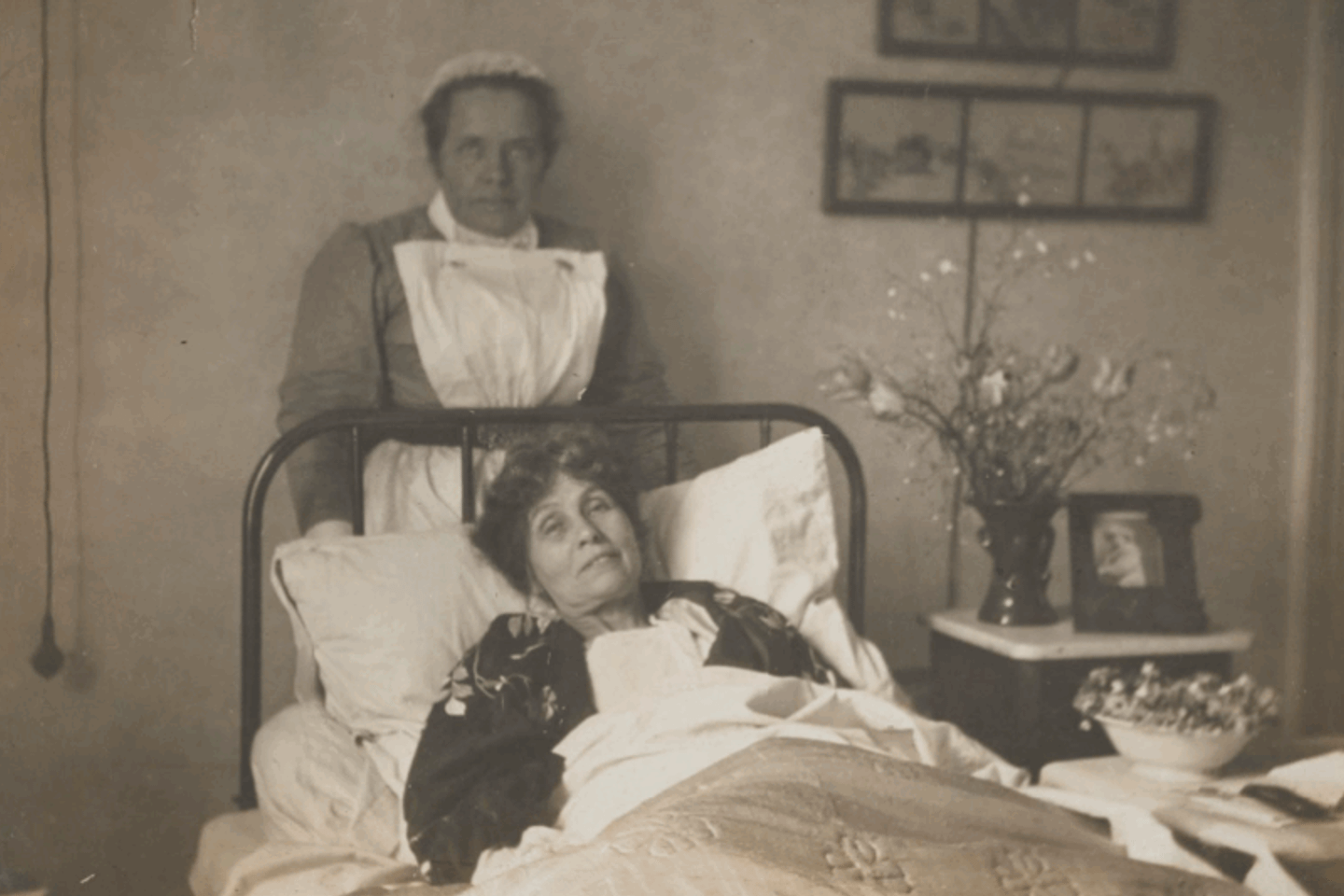
Nurse Catherine Pine and suffragette Emmeline Pankhurst, in 1913. LONDON MUSEUM
The Florence Nightingale Museum, hidden beneath St Thomas' Hospital across from the Palace of Westminster in London, might seem like a well-kept secret. Likewise, the opening on March 6, two days ahead of International Women's Day, of an exhibition dedicated to the suffragettes and their leader, Emmeline Pankhurst, might appear modest. That is far from the case: Nightingale and Pankhurst are both British icons, and both the nurse and the feminist continue to inspire tens of thousands of women (and men) throughout the United Kingdom.
In the early 20th century, the suffragettes fought until 1918 for the right to vote, unafraid to break the laws of their time and even to risk their lives when their demands were ignored. Emily Davison, for example, died from her injuries after throwing herself under the hooves of a horse owned by King George V during the Epsom Derby in June 1913. Pankhurst, the founder of the Women's Social and Political Union (WSPU), along with her three daughters, Christabel, Sylvia and Adela, were repeatedly sent to prison and took part in hunger strikes.
You have 77.33% of this article left to read. The rest is for subscribers only.